
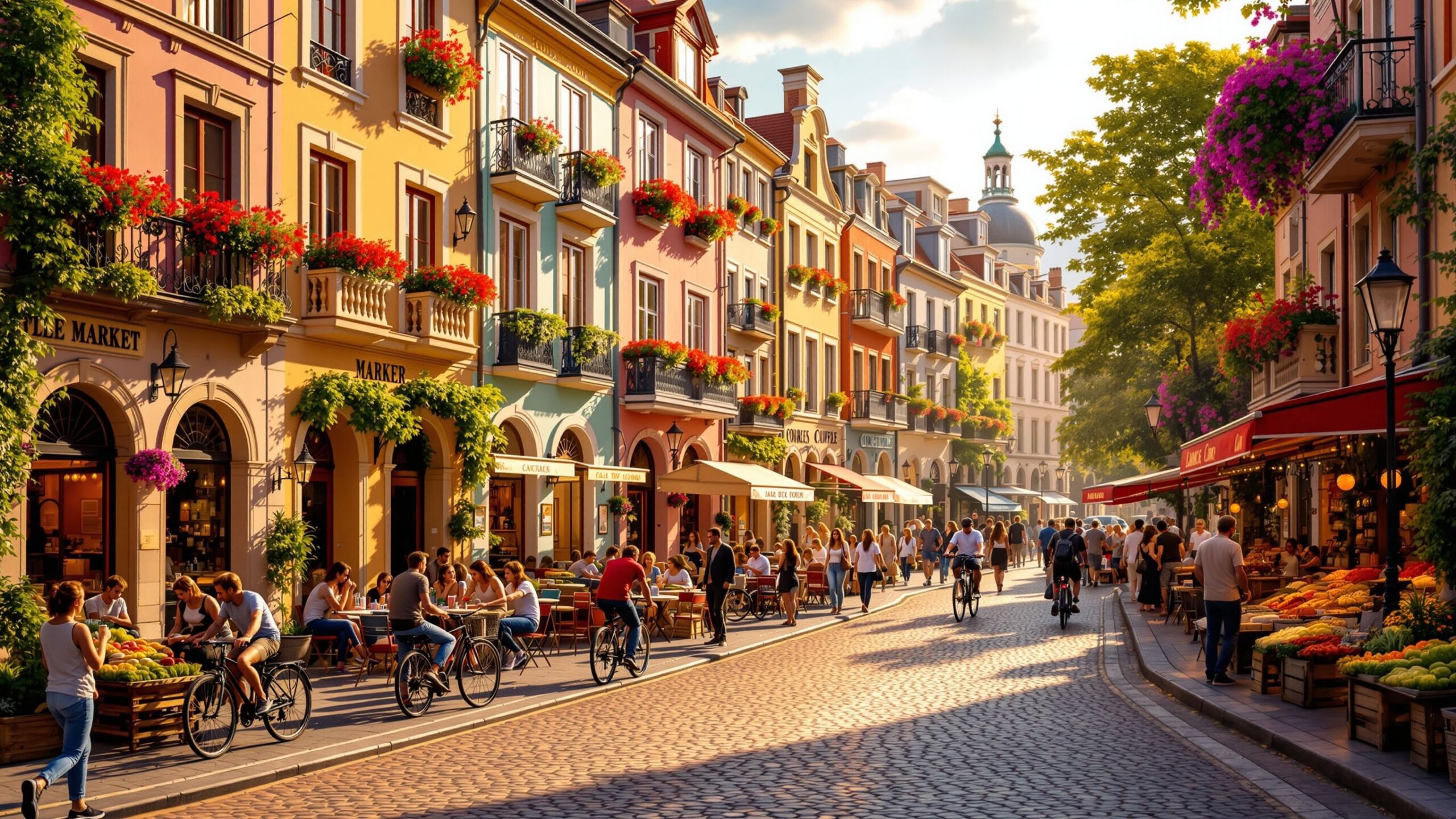
Some of the world’s greatest stories are not found inside museums or history books—they are written into the streets themselves. Historic city streets have witnessed centuries of change, from royal processions and bustling marketplaces to cultural revolutions and everyday moments that shaped entire civilizations. Walking these remarkable streets allows travelers to step into the past while experiencing the vibrant life that continues today. Ancient stone pathways, elegant boulevards, narrow medieval alleys, and beautifully preserved neighborhoods provide a unique opportunity to explore history at a slower pace. Every building, doorway, and cobblestone carries a story waiting to be discovered. For travelers who appreciate architecture, culture, and authentic experiences, few adventures compare to exploring historic city streets on foot.
A: Walking lets you appreciate architecture, history, and local culture at a slower, more rewarding pace.
A: Most are walkable, though narrow lanes and winding streets can make offline maps helpful.
A: Comfortable walking shoes and weather-appropriate clothing are highly recommended.
A: Early mornings and evenings typically offer fewer crowds and better lighting.
A: Yes. Local guides often share fascinating stories unavailable on signs or maps.
A: Absolutely. Many include plazas, museums, parks, and family-friendly attractions.
A: Many historic cities were built on uneven terrain, so be prepared for elevation changes.
A: Prices vary, but nearby side streets often offer more affordable local dining.
A: Yes, though some museums, churches, or private properties may have restrictions.
A: Walk slowly, explore side alleys, support local businesses, and enjoy the city's unique history.
Why Historic Streets Tell the Best Stories
Historic streets serve as living reminders of how cities have evolved over hundreds or even thousands of years. Unlike monuments that stand alone, these streets continue to function as vibrant parts of everyday life. Local residents shop at family-owned businesses, children play in centuries-old squares, musicians perform beneath ancient buildings, and cafés occupy structures that have stood for generations. Walking allows travelers to appreciate the details that often go unnoticed from a vehicle, including weathered stone walls, intricate carvings, decorative balconies, and hidden courtyards tucked away behind narrow passageways. Every step reveals another chapter of the city’s remarkable history.
The Royal Mile, Edinburgh, Scotland
Stretching between Edinburgh Castle and the Palace of Holyroodhouse, the Royal Mile is one of Europe’s most famous historic streets. Dating back hundreds of years, this remarkable avenue follows the natural ridge of an ancient volcanic formation while connecting many of Scotland’s most important landmarks. Medieval buildings line both sides of the street, housing traditional pubs, museums, churches, artisan shops, and hidden courtyards known locally as closes. Walking the Royal Mile feels like traveling through centuries of Scottish history as bagpipe music echoes through the stone streets and historic architecture dominates every view. Every narrow alley reveals another fascinating piece of Edinburgh’s rich past.
Via dei Fori Imperiali, Rome, Italy
Few streets allow visitors to walk through ancient history quite like Via dei Fori Imperiali. Running between Piazza Venezia and the Colosseum, this grand avenue passes directly alongside the ruins of Imperial Rome. Ancient temples, forums, basilicas, and archaeological excavations stretch across both sides of the road, offering remarkable views into one of history’s greatest civilizations. Every step provides opportunities to imagine senators, emperors, merchants, and citizens who once walked through the same area thousands of years ago. The combination of modern Rome surrounding these ancient ruins creates one of the world’s most extraordinary historical walking experiences.
Calle Crisologo, Vigan, Philippines
Calle Crisologo stands as one of Asia’s finest examples of preserved Spanish colonial architecture. Located in the historic city of Vigan, this charming cobblestone street has remained remarkably unchanged for centuries. Beautiful stone buildings with wooden balconies line both sides of the narrow road while horse-drawn carriages continue transporting visitors through the district. Antique shops, traditional restaurants, and artisan workshops preserve the city’s unique cultural heritage, making every stroll feel like stepping back into the colonial era. Evening walks become especially magical as vintage lanterns illuminate the historic buildings with a warm golden glow.
The Old Town Streets of Prague, Czech Republic
Prague’s Old Town features an enchanting network of medieval streets that have captivated travelers for centuries. Winding cobblestone lanes connect colorful Gothic, Baroque, and Renaissance buildings while leading visitors toward hidden courtyards, lively public squares, and magnificent churches. Every turn reveals another architectural masterpiece or centuries-old building filled with cafés, bookstores, and artisan shops. Walking through Prague’s historic center allows travelers to appreciate one of Europe’s best-preserved medieval cities while discovering countless details that would be impossible to notice from public transportation.
Rua Augusta, Lisbon, Portugal
Rua Augusta serves as one of Lisbon’s most iconic pedestrian streets, connecting the city’s grand Commerce Square with Rossio Square. Elegant mosaic stone sidewalks, colorful historic buildings, street musicians, and outdoor cafés create a lively atmosphere filled with Portuguese charm. Following the devastating earthquake of 1755, much of this district was carefully rebuilt, creating one of Europe’s finest examples of eighteenth-century urban planning. Walking Rua Augusta provides visitors with a fascinating blend of history, culture, shopping, and architecture while offering easy access to many of Lisbon’s most important landmarks.
Dubrovnik’s Stradun, Croatia
The Stradun is the magnificent main street of Dubrovnik’s Old Town and one of the most beautiful historic streets along the Adriatic coast. Constructed from polished limestone that has become smooth through centuries of footsteps, the wide pedestrian avenue connects two historic city gates while passing elegant churches, palaces, fountains, and public squares. Massive stone walls surround the city, preserving its medieval character and creating an unforgettable walking experience. Morning and evening strolls along the Stradun reveal a quieter side of Dubrovnik before or after the busiest tourist hours.
The Latin Quarter, Paris, France
Although Paris is filled with famous boulevards, the narrow streets of the Latin Quarter preserve much of the city’s medieval history. Dating back to Roman times, this neighborhood has served as a center of learning and culture for centuries due to its proximity to historic universities. Walking through its winding streets reveals independent bookstores, charming cafés, centuries-old churches, hidden gardens, and historic buildings where philosophers, writers, and artists once lived and worked. The neighborhood’s lively yet timeless atmosphere continues attracting travelers who appreciate both history and authentic Parisian culture.
Old Quebec’s Rue du Petit-Champlain, Canada
Rue du Petit-Champlain is considered one of North America’s oldest commercial streets and remains one of its most charming. Nestled beneath towering cliffs in Quebec City’s historic district, this picturesque cobblestone street features beautifully preserved stone buildings housing artisan boutiques, bakeries, galleries, and restaurants. Flower-filled balconies, colorful storefronts, and historic architecture create postcard-perfect scenery throughout every season. During winter, festive decorations transform the street into one of the continent’s most magical holiday destinations.
The Historic Streets of Kyoto, Japan
Kyoto’s preserved districts offer some of the world’s most beautiful historic streets. Neighborhoods such as Higashiyama and Gion feature narrow stone pathways lined with traditional wooden townhouses, temples, tea houses, and peaceful gardens. Electric wires have been carefully minimized in many areas to preserve the historic appearance, allowing visitors to experience streets that closely resemble those of centuries past. Walking through Kyoto during the early morning or evening provides an especially peaceful opportunity to admire Japan’s architectural heritage while experiencing its timeless atmosphere.
Gamla Stan, Stockholm, Sweden
Stockholm’s Old Town, known as Gamla Stan, features a maze of narrow medieval streets that date back to the thirteenth century. Colorful buildings painted in warm shades of yellow, orange, and red line cobblestone lanes that lead toward charming public squares and historic churches. Small cafés, artisan shops, and traditional restaurants occupy centuries-old structures while hidden alleys invite visitors to explore beyond the main tourist routes. Every stroll through Gamla Stan offers a fascinating glimpse into Sweden’s medieval past while showcasing one of Europe’s best-preserved historic districts.
What Makes Historic Streets So Memorable
Historic streets offer something that modern developments rarely can—a genuine sense of place. They preserve layers of history that continue shaping everyday life while allowing visitors to connect with cultures that have evolved over generations. Unlike museums where artifacts remain behind glass, historic streets remain alive with conversations, music, local traditions, and daily routines. Walking allows travelers to experience these living environments naturally, creating memories that feel personal rather than scripted.
Discovering Hidden Corners Along the Way
Some of the greatest travel experiences happen when visitors step away from the busiest sections of historic streets and explore nearby alleys, staircases, and courtyards. Hidden gardens, neighborhood bakeries, tiny museums, family-owned restaurants, and quiet plazas often reveal the authentic character of a city. Allowing extra time for spontaneous exploration frequently leads to unforgettable discoveries that never appear on traditional sightseeing itineraries. The beauty of historic districts lies not only in their famous landmarks but also in the countless small details waiting around every corner.
Tips for Walking Historic City Streets
Comfortable walking shoes are essential when exploring historic districts, as cobblestone streets can be uneven and require extra support. Early mornings provide excellent opportunities to photograph famous streets before crowds arrive, while evenings often reveal a completely different atmosphere as lanterns and architectural lighting illuminate centuries-old buildings. Bringing a reusable water bottle, lightweight daypack, and offline maps allows travelers to comfortably spend hours wandering through these remarkable neighborhoods. Most importantly, slow down and take time to appreciate the craftsmanship, architecture, and stories hidden within every street.
Preserving Historic Streets for Future Generations
Historic city streets survive because communities continue protecting and restoring them with great care. Responsible tourism plays an important role in these preservation efforts. Supporting local businesses, respecting historic buildings, avoiding litter, and following local regulations all contribute to maintaining these treasured neighborhoods. By treating these places with respect, travelers help ensure future generations will have the same opportunity to experience centuries of history beneath their feet.
Conclusion
Historic city streets offer far more than beautiful scenery—they provide living connections to the civilizations, cultures, and communities that shaped our world. From the medieval charm of Edinburgh’s Royal Mile and Prague’s winding lanes to the ancient grandeur of Rome and the timeless elegance of Kyoto, these remarkable streets invite travelers to slow down and experience history one step at a time. Every cobblestone, historic building, and quiet courtyard tells a story that has unfolded over generations. By exploring these extraordinary places on foot, travelers discover that the true heart of a city is often found not inside its famous landmarks, but along the historic streets that have connected them for centuries.

