A Romantic Bucket List Should Belong to the Couple
A romantic travel bucket list should not be a borrowed ranking of sunsets, villas, and famous cities. It should be a living collection of experiences that fit the way two people love to travel together. Some couples want soft beds and sea views. Others want food markets, mountain trains, music, long walks, or the thrill of reaching a remote place together. The best list includes variety, honesty, and enough flexibility to change as the relationship changes.
A: Add one realistic trip that can happen soon and one larger dream that feels worth saving for.
A: Enough to inspire planning without becoming pressure; a mix of nearby, midrange, and dream trips works best.
A: No. Luxury can help, but attention, ease, privacy, and shared interests matter more.
A: Include both categories if you enjoy both, or alternate trip styles across different years.
A: No. Some trips can simply protect time together without needing a major occasion.
A: Each person should add ideas, veto poor fits, and explain what kind of mood they want from a trip.
A: Choose destinations with parallel options, such as spas and hikes, museums and cafes, or beaches and boat days.
A: Yes. Nearby inns, scenic drives, picnics, city weekends, and off-season stays can be deeply romantic.
A: Review it once or twice a year as schedules, money, health, and interests change.
A: It reflects the couple's real story, not a generic idea of romance.
Romance Works Best When the Trip Fits the Couple
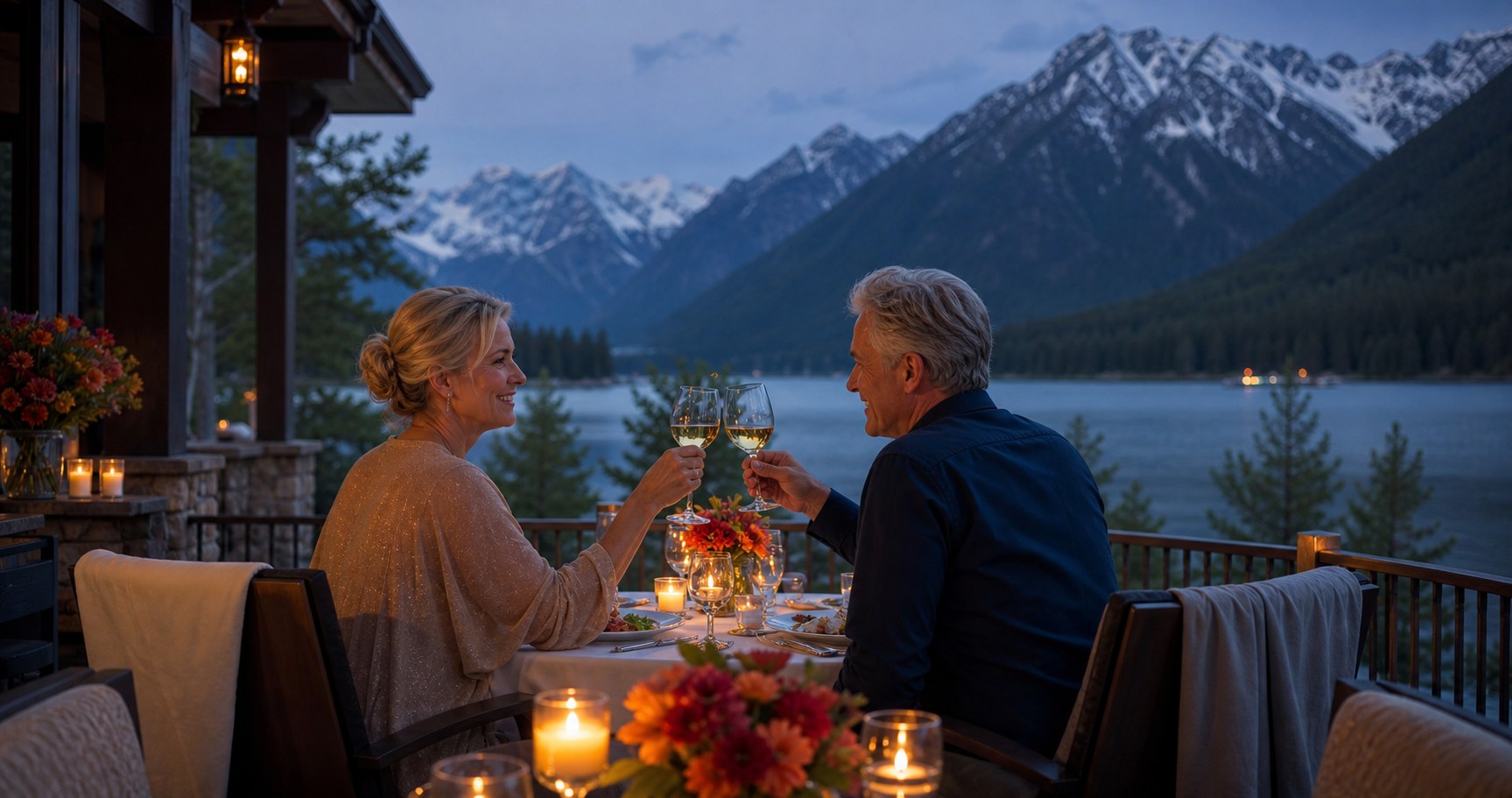
Romantic bucket list travel is often sold as candlelight and grand views, but the most romantic trips are usually the ones that fit the couple's actual rhythm. In Lake Como, one pair may want quiet mornings and long dinners, while another may want hiking, small villages, and a view earned together. The destination matters, but compatibility matters more. A beautiful place cannot rescue an itinerary built around someone else's fantasy.
For couples building future trips together, the first planning question should be how the trip should feel. Restorative, celebratory, playful, private, adventurous, luxurious, and nostalgic are different moods. Naming the mood prevents the common mistake of packing every romantic signal into one schedule. A trip becomes more intimate when it has space for the way two people already connect.
Destinations That Create Space for Two
Places such as Maui, Buenos Aires, The Swiss Alps work well because they give couples more than a single postcard scene. They offer walks, meals, views, rooms, and small rituals that can become shared markers through the trip. The best romantic destinations are not only pretty. They make it easy to slow down, talk, wander, and feel away from ordinary routines without turning every moment into a staged performance.
Privacy can mean different things. Some couples want a remote lodge, private pool, or quiet beach. Others prefer a city where they can disappear into museums, cafes, and evening streets. Choose the setting that reduces friction for both travelers. If one person feels isolated and the other feels crowded, the romance will have to work too hard.
Designing Days With a Shared Rhythm
A romantic day needs fewer fixed points than most itineraries. One meaningful anchor, one flexible meal, and one slow stretch can be enough. A list with near-term weekends, medium-sized celebrations, and a few faraway dreams gives the couple room to notice each other instead of constantly checking times. The trip should include transitions that feel pleasant: a walk after breakfast, a scenic transfer, a sunset pause, or an unhurried return to the hotel before dinner.
Couples should protect the first full day from overplanning. Travel delays, sleep changes, and decision fatigue can make even a gorgeous destination feel brittle. Start with something easy and sensory: a neighborhood walk, a boat ride, a spa appointment, a market visit, or a view nearby. Let the trip settle before asking it to be magical.
The same principle applies to special dinners and excursions. Put the most important experience on a day with enough margin around it. Rushing from a tour into formal clothes or arriving at a sunset viewpoint hungry and irritated can flatten the mood. Romance often depends on ordinary logistics behaving kindly.
Food, Rooms, and Small Rituals
Meals are powerful because they give couples a repeated chance to pause. A table by the water, a shared tasting menu, a picnic from a market, or breakfast on a balcony can all become romantic when the setting supports conversation. The meal does not have to be expensive. It has to feel chosen rather than squeezed between obligations.
Rooms matter more on romantic trips than on many other vacations. A good location, comfortable bed, quiet nights, and a view or terrace can shape the whole mood. Couples who usually book only for efficiency may want to spend differently here. The room is not just storage; it is part of the experience.
Celebrations, Proposals, and Milestone Travel
Milestone trips benefit from a little structure, especially when anniversaries, honeymoons, vow renewals, or proposals are involved. Confirm restaurant bookings, weather backups, photography rules, transport times, and privacy expectations before arrival. A romantic surprise should still be considerate. The best surprise removes stress from the other person rather than adding pressure to react perfectly.
Not every couple wants spectacle. Some would rather mark the trip with handwritten notes, a quiet hike, a special bottle, a private guide, or a day without phones. The gesture should match the relationship. When the plan reflects real knowledge of the other person, it feels more romantic than copying a scene from someone else's trip.
Budget conversations belong in the planning stage, not at the table. Decide which splurges matter and where simplicity is welcome. A couple may choose a remarkable hotel and casual meals, or a modest room and one unforgettable dinner. Romance is easier when both people understand the choices behind the spending.
Keeping the Getaway Easy to Enjoy
Do not turn romance into a race to complete impressive experiences. That means fewer transfers, realistic arrival times, and a plan that does not rely on perfect weather. Couples should also share practical preferences before booking: beach or city, quiet or social, guided or independent, early mornings or late nights. These details may sound unromantic, but they protect the ease that romance needs.
The strongest romantic trips leave room for ordinary tenderness. A slow coffee, a missed turn that becomes a good walk, a shared umbrella, or a quiet view after dinner can matter as much as the planned highlight. When the itinerary is humane, the destination has space to do its part.
A useful romantic getaway test is whether the destination still sounds appealing without the most dramatic photo. Lake Como may have famous views, but the daily texture matters too: breakfast, walking routes, weather, service style, and how easy it is to return to the room when the day needs a pause.
Bucket-list ideas such as a lakeside villa stay, tango night, scenic rail journey, hot-air balloon sunrise, island picnic, and winter lodge escape should support connection rather than become the whole point. A sunset cruise, vineyard lunch, private bath, scenic train, or candlelit dinner is strongest when it fits naturally into the day. Forced romance can feel oddly tiring.
A useful couple's bucket list has different sizes of dreams. Build in one plan-free evening. Couples often discover that the best conversation happens after the official activity is over, when no one is managing the next step. Empty space can be one of the most thoughtful parts of the itinerary.
Consider travel style honestly. Some couples bond through adventure, some through comfort, some through culture, and some through doing very little in a beautiful place. There is no universal romantic formula. The right trip makes both people feel considered.
Weather backups are kindness in disguise. Rain should not ruin the only special moment if there is a spa, museum, cooking class, covered terrace, scenic drive, or cozy restaurant ready as a second option. Flexibility keeps disappointment from taking over the mood.
Photos are worth planning gently. A short professional session can be lovely for proposals or anniversaries, but the trip should not become a production. Choose one time for intentional pictures and let the rest of the trip be lived rather than staged.
Couples traveling after a stressful season should choose fewer destinations. Two nights here and two nights there may look exciting on a map, but constant packing can make the trip feel administrative. A single beautiful base often feels more intimate.
Romantic travel does not have to be far away. A nearby inn, lake cabin, city hotel, or coastal weekend can work when it gives the couple time, privacy, and a break from routine. Distance is less important than attention.
Shared rituals help the memory last: morning coffee outside, buying flowers from a market, taking the same evening walk, or choosing one song for the trip. These small repetitions give the getaway a private language.
Transportation deserves romantic attention because many trips are won or lost between beautiful places. A private transfer, direct train, walkable hotel, or ferry timed for daylight can turn movement into part of the memory. A chaotic connection after a long flight can do the opposite, even when the destination waiting at the end is spectacular.
Meals should be planned around mood as much as cuisine. A formal tasting menu may be perfect for an anniversary, while a market picnic may fit a couple who relaxes through informality. The right choice is the one that lets both people feel comfortable, unhurried, and able to talk without performing for the room.
Active couples should still leave recovery space. A sunrise hike, kayak trip, ski day, or long city walk can be deeply bonding, but only when it is followed by time to shower, eat, and enjoy the afterglow. Constant activity can make a romantic trip feel like a schedule with scenery attached.
Privacy is not only about isolation. It can mean choosing a small hotel, a corner table, a quiet walking route, or a destination where the couple can move without feeling watched. Some people feel more private in a large city than on a tiny island. The best version depends on temperament.
Returning home can be part of the design. Avoid stacking obligations immediately after the trip if possible, and choose one small way to bring the experience back: a recipe, a printed photo, a shared playlist, or a plan for the next weekend. That gentle reentry makes the getaway feel less like a bubble that burst.
Communication before departure makes the trip softer once it begins. Couples should talk about sleep, spending, alone time, photos, and how much spontaneity feels good. These conversations are practical, but they are also affectionate because they show care for the real person traveling beside you.
Meaningful romance often comes from repeating one small pleasure. Returning to the same cafe, taking an evening walk after dinner, or watching light change from the same terrace can make a short trip feel rooted. Repetition gives a couple something private to remember after the destination is behind them.
Destination choice should also account for the season of the relationship. A first major trip together may need easy logistics and separate breathing room. A honeymoon may need rest after months of planning. A long-married couple may want novelty, nostalgia, or the pleasure of being somewhere no one needs anything from them.
Food can become the easiest daily romance when it is planned with care. Instead of chasing only famous restaurants, couples can choose one meal for view, one for local flavor, and one for total comfort. That range makes the trip feel human, and it prevents celebration from becoming formal at every sitting.
Some couples should choose a destination with gentle independence built in. A resort with optional classes, a city with nearby museums, or a countryside inn with walks from the door allows each person to have a little personal space without fracturing the trip. Time together is richer when it does not feel compulsory every minute.