Anniversary Trips Should Reflect the Year You Are Marking
The best anniversary trip ideas for every milestone are not about proving that a relationship is impressive. They are about giving a couple time to notice what they have lived through and what they want next. A first anniversary may call for a simple weekend that feels easy and joyful. A tenth, twentieth, or fiftieth may deserve a destination with more ceremony, comfort, or family meaning. The right trip honors the milestone without burying it under pressure.
A: A nearby hotel, coastal weekend, food city, or cabin stay can feel special without overcomplicating the year.
A: Not necessarily. The trip should match the milestone, budget, and season of life.
A: Choose comfort, meaning, and ease first, then add one memorable celebration anchor.
A: Yes, but protect private couple time if the milestone is meant to feel personal.
A: Book earlier for milestone dates, popular restaurants, peak seasons, and limited room categories.
A: They can be meaningful when the ceremony reflects the couple rather than becoming a production.
A: Celebrate locally on the date and take the larger trip when timing is better.
A: Choose one main celebration, keep logistics simple, and leave open time.
A: A nearby inn, scenic drive, picnic, museum weekend, or off-season city stay can be very romantic.
A: It acknowledges the real relationship, including memory, gratitude, and the life you are still building.
Start With the Feeling, Then Choose the Destination
Anniversary trip planning becomes easier when couples define the feeling before comparing hotels or flight prices. Napa Valley can be dreamy for one pair and too quiet for another, while Charleston may feel energizing to couples who love evenings, restaurants, music, and walking. The destination should support the relationship's natural rhythm instead of forcing it into a generic idea of romance.
For couples marking anything from a first year to a major decade, that means naming priorities in plain language: privacy, scenery, food, ease, celebration, adventure, recovery, or luxury. Once the mood is clear, the choices narrow quickly. A trip chosen this way feels personal because it starts with how two people want to spend time together, not with a ranking list.
Budget and Value Are Not the Same Thing
Romantic travel exists at many price points, but value comes from spending where it changes the day. A direct flight, walkable hotel, private transfer, room view, or one special dinner may matter more than a long list of extras. Couples should decide which comforts reduce friction and which expensive details would barely be used.
The smartest plans mix splurge and simplicity. A beautiful resort can be worth it when the room, service, food, and setting create a complete retreat. A city weekend can be just as romantic when the hotel is well located and the days are unhurried. Value is the feeling that the money bought ease, memory, or connection rather than just decoration.
Destinations That Fit Different Couple Styles
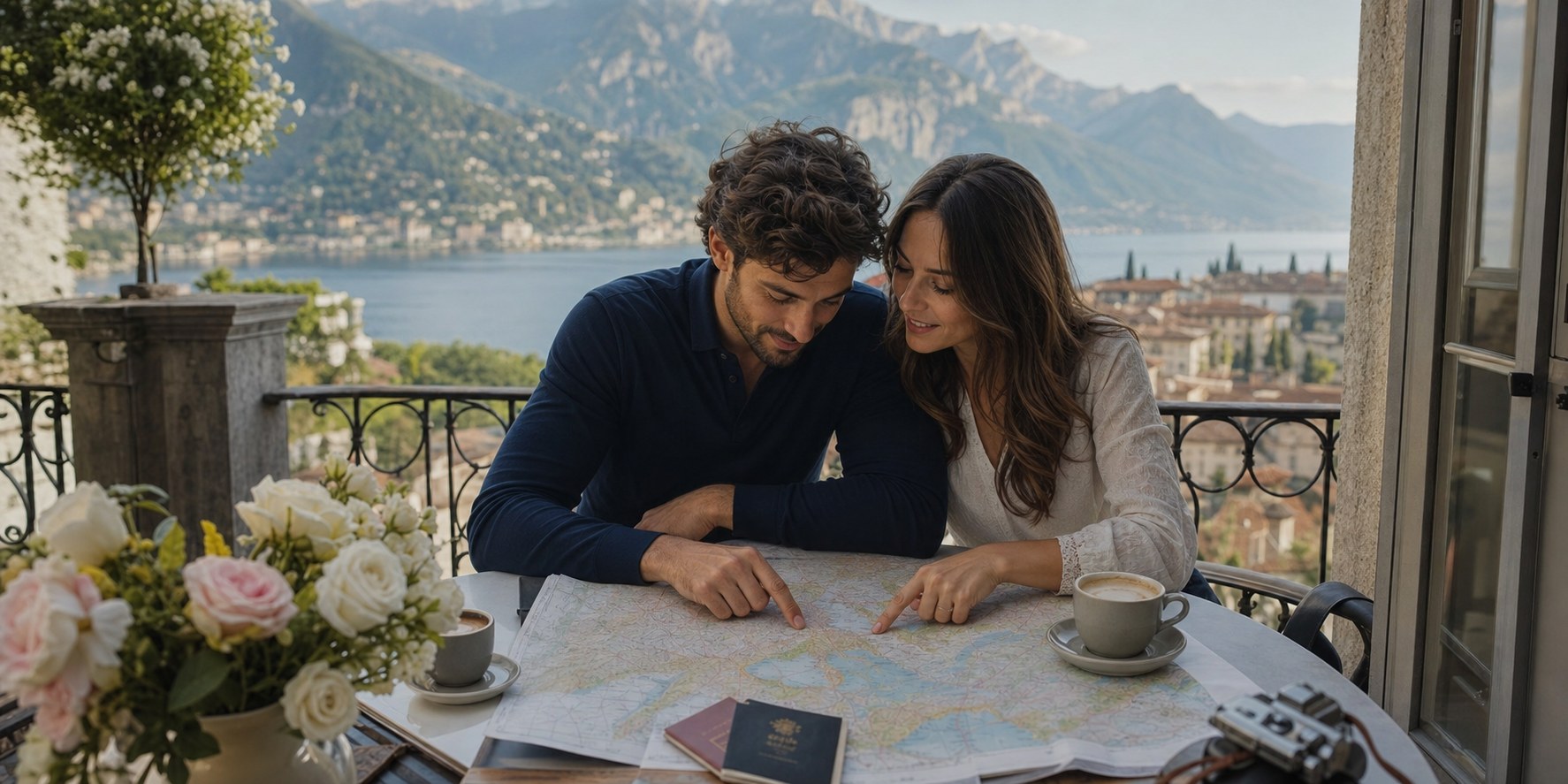
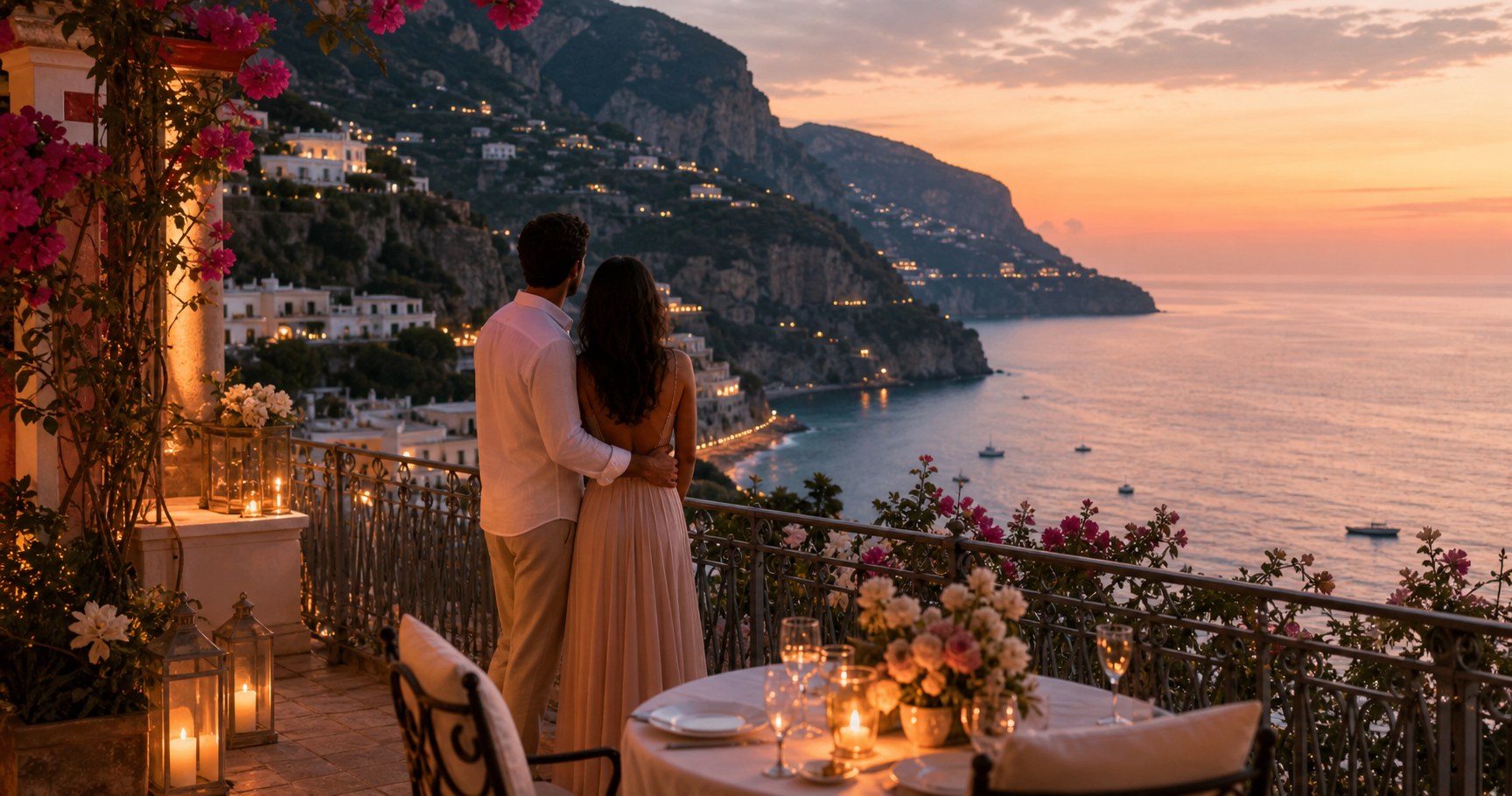
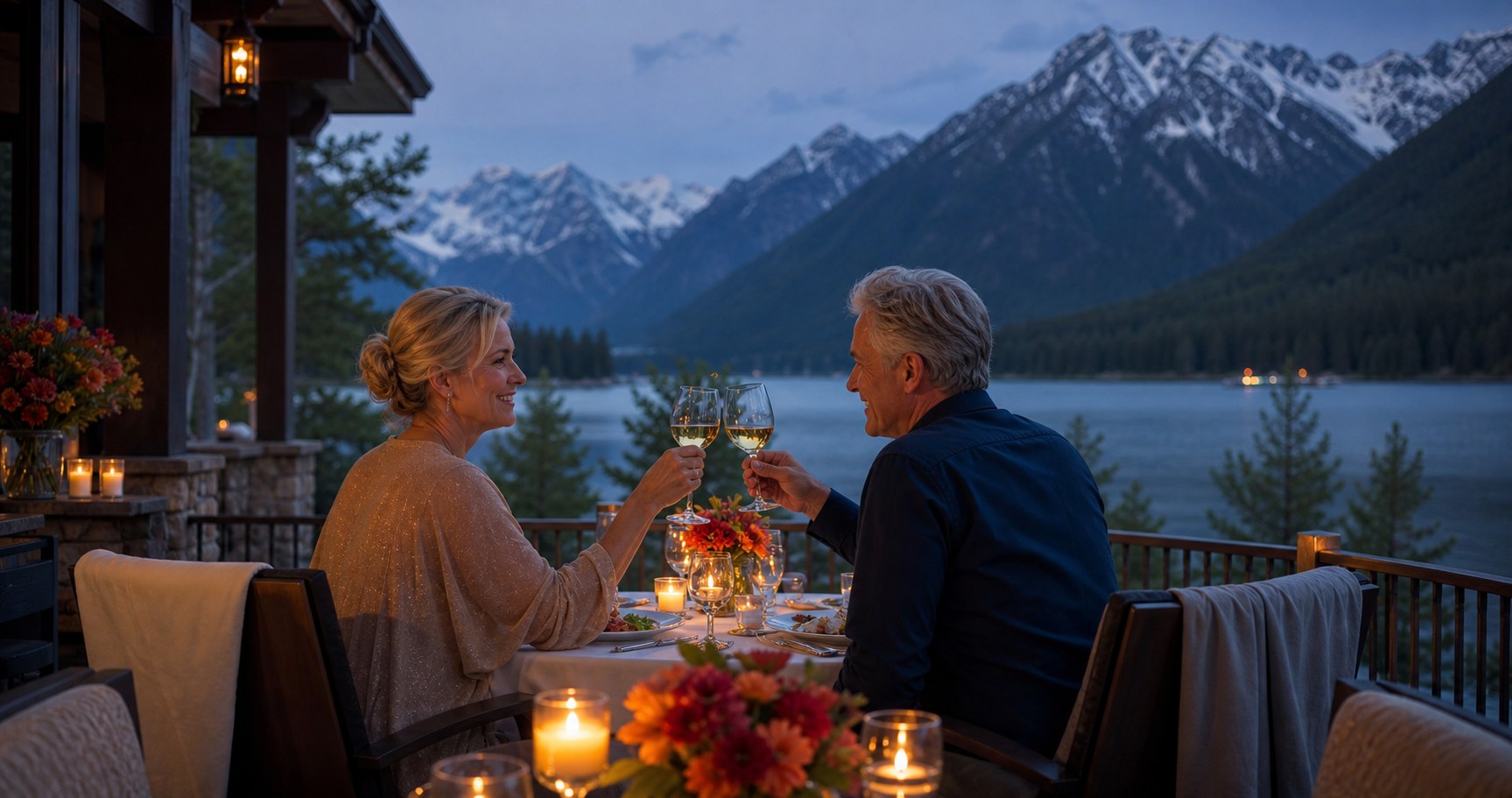
Napa Valley works well for couples who want a strong sense of escape, while Charleston suits travelers who prefer culture, meals, and layered city days. Banff can bring scenery and quiet, and Lake Como may offer the kind of polished hospitality that makes a milestone feel fully cared for. None is automatically best. Each becomes romantic when it matches the couple using it.
Active couples should look for places where hiking, boating, snorkeling, cycling, or scenic drives are easy without consuming every hour. Rest-focused couples should prioritize room comfort, spa access, quiet meal settings, and minimal transfers. Food-focused couples may be happiest in destinations where every day can revolve around markets, long lunches, and evening walks.
Couples with different travel styles should choose places with parallel pleasures. One person may want a spa afternoon while the other explores a neighborhood, or one may prefer a morning hike while the other enjoys the hotel terrace. Romantic travel does not require identical tastes. It requires enough overlap and enough generosity to let both people feel considered.
Timing Makes Romantic Trips Smoother
Season shapes romance more than many travelers expect. Shoulder seasons can make famous places calmer, improve restaurant access, and soften prices. Peak seasons may deliver the best weather or festival energy, but they can also bring crowds that make privacy harder. Couples should choose the version of the destination they actually want to experience.
Milestone trips should avoid fragile timing when possible. A honeymoon immediately after an exhausting wedding, an anniversary dinner after a complicated transfer, or a proposal planned around uncertain weather can put too much pressure on a single moment. Build margins around the experiences that matter most.
Rooms, Meals, and Small Details Matter
On romantic trips, the room is part of the itinerary. A quiet location, comfortable bed, good bathroom, terrace, fireplace, plunge pool, or view may shape the trip more than another excursion. Couples do not need every feature, but they should understand which room details will actually change how mornings and evenings feel.
Meals deserve the same kind of care. One formal dinner can be wonderful, but casual breakfasts, market picnics, room-service mornings, and simple local restaurants often create the most relaxed memories. A romantic food plan should leave room for appetite, conversation, and the pleasure of not rushing to the next booking.
Small gestures can carry more emotional weight than expensive upgrades. Flowers from a local market, a handwritten note, a shared playlist, or returning to the same cafe can give the trip a private texture. The best details feel chosen for the relationship rather than imported from a hotel package.
Keep the Trip Human, Not Perfect
Do not let the milestone force a trip that ignores current energy, budget, health, or family responsibilities. The trip will still include weather, delays, tiredness, and small surprises. A humane itinerary absorbs those realities instead of treating them as failures. Couples should plan enough to feel cared for and leave enough open time to recover, laugh, adjust, and notice where they are.
The strongest romantic travel memories often come from a blend of intention and looseness. A reserved table, a slow walk, a view at the right hour, and a morning with no alarm can do more than an overbuilt schedule. Romance has room to appear when the trip is not being managed every minute.
A practical way to compare anniversary trip options is to map the first twenty-four hours. Consider landing time, transfer length, check-in, first meal, sleep, and the first morning view. If the opening day feels gentle, the rest of the trip has a better chance of feeling romantic instead of corrective.
Wine weekends, coastal inns, mountain lodges, city hotels, family-history trips, and quiet lake retreats can be wonderful, but the famous image should not be the only reason to go. Couples should ask what ordinary hours look like between highlights. A destination with good breakfasts, walkable evenings, kind service, and comfortable pauses will usually feel more romantic than one built around a single view.
Anniversary moments such as vow renewals, private dinners, scenic rail days, photo sessions, spa time, and return visits are most successful when they are placed where energy is high and logistics are low. A special dinner after a nap is better than one after a frantic transfer. A scenic excursion is better when there is time afterward to enjoy the memory rather than rush into another obligation.
For anniversary planning, choose one symbol that fits the milestone instead of overloading the itinerary. Put the largest emotional moment on a day with backup options. This matters for proposals, anniversaries, honeymoons, and expensive resort experiences. Weather, fatigue, or a delayed bag should not be able to ruin the only carefully planned part of the trip.
Couples should also decide how visible they want the trip to be. Some love photos, posts, and dressed-up dinners. Others want privacy and almost no documentation. Talking about that early prevents one person from turning the trip into a production while the other is trying to rest.
Distance should be justified by time. A long-haul romantic trip can be worth every mile, but not if the couple spends more energy recovering from travel than enjoying the destination. For shorter windows, choose fewer flights, fewer transfers, and a place that starts feeling good quickly.
Service style matters. Some couples want attentive luxury where every detail is handled. Others prefer independence, apartment-style stays, or small inns where the atmosphere feels personal. Neither is better. The right choice is the one that lets both people relax without feeling managed or neglected.
Romantic trips are also shaped by what couples do not do. Skipping an excursion, declining a crowded viewpoint, or leaving a morning open can be the choice that saves the mood. A trip does not become more meaningful because every hour is filled.
If the itinerary includes a major splurge, protect it with boring practical checks. Confirm cancellation rules, transfer timing, meal inclusions, taxes, resort fees, weather windows, and whether privacy claims are real. Luxury feels less luxurious when the couple has to solve surprises on arrival.
Couples should decide how much togetherness the trip needs. A romantic getaway can include a solo spa hour, a quiet reading break, or separate interests without losing intimacy. Space can make shared meals and walks feel more chosen, especially on longer trips.
Packing should support the mood rather than create complications. Comfortable shoes, one outfit that feels special, layers for evening weather, and any needed medication matter more than bringing options for every possible scene. Feeling comfortable in the destination is part of feeling romantic there.
Communication with the hotel can improve the trip when it is specific. Instead of simply saying the stay is romantic, mention an anniversary dinner, late arrival, dietary need, mobility concern, or desire for a quiet room. Clear requests give staff a real chance to help.
Transportation between experiences deserves the same care as the experiences themselves. A long taxi search after dinner, a confusing ferry connection, or an early checkout after a late night can drain the glow from an otherwise beautiful plan. Smooth transitions are invisible when they work and very noticeable when they do not.
If photography matters, plan it briefly and intentionally. A short session, a tripod sunrise, or one dressed-up evening can capture the milestone without turning every meal into a shoot. The best romantic trips still leave most moments undocumented enough to feel private.
Finally, give the trip one recurring ritual. It might be coffee outside, a nightly toast, a postcard written together, or a walk before dinner. Repetition creates a tiny shared tradition that can matter long after the room key and boarding passes are gone.
Food reservations should be spaced around the couple's real appetite. A rich tasting menu after a heavy lunch can feel like obligation, while a simple meal after a scenic day can feel perfect. Romantic dining is partly about the table and partly about arriving with enough ease to enjoy it.
Weather planning should be specific, not fearful. Know what the destination feels like in rain, heat, wind, or cold, and keep one indoor option ready. A trip with a graceful backup plan can still feel special when the forecast changes.
Couples should protect sleep more than they expect. Late dinners, early tours, jet lag, and celebratory drinks can stack up quickly. A slower morning can save the mood of an entire day and make the next highlight feel like pleasure rather than effort.
Local experiences can keep romance from feeling sealed inside a hotel. A market visit, neighborhood walk, small concert, boat ride, or cooking lesson gives the couple a shared story connected to the place. The best trips balance comfort with a little discovery.
Souvenirs are most meaningful when they belong to a moment. A bottle from a vineyard lunch, a small print from a street market, or a simple object from the hotel town can carry more feeling than a generic luxury purchase. Choose something that reminds you how the trip felt.