The Most Memorable Meal May Begin Before the Table
Culinary travel becomes more vivid when travelers participate in the work, knowledge, and relationships behind food. A market walk reveals how cooks judge ripeness. A fishing trip explains why a menu changes with weather. A harvest turns an ingredient into a landscape, while a home-style lesson shows the gestures that recipes leave unstated. The best experiences do not promise instant mastery or stage local life as entertainment. They create a fair exchange: skilled hosts are paid, group sizes allow conversation, safety and access are clear, and guests leave with greater respect for the labor involved. These worldwide ideas range from pasta shaping and spice blending to fermentation, coffee processing, cheese making, and communal meals. Choose by the season, the host’s expertise, and the degree of participation you genuinely want.
A: A half-day market visit and cooking lesson offers context without exhaustion.
A: They can be meaningful but authenticity claims should not replace fair pay and clear expectations.
A: Six to ten guests usually allows hands-on attention depending on the kitchen.
A: Sometimes but ask before booking because substitutions may be unsafe or impractical.
A: Closed shoes practical layers and hair restraint suit many kitchens and farms.
A: A skilled interpreter can deepen technical and cultural understanding.
A: Choose age-appropriate tools duration heat and supervision.
A: Customs and biosecurity rules determine what may cross borders.
A: Enough to remember the process without missing it or invading privacy.
A: A usable technique and the producer’s story usually outlast novelty equipment.
Learn Pasta Through Touch in Italy
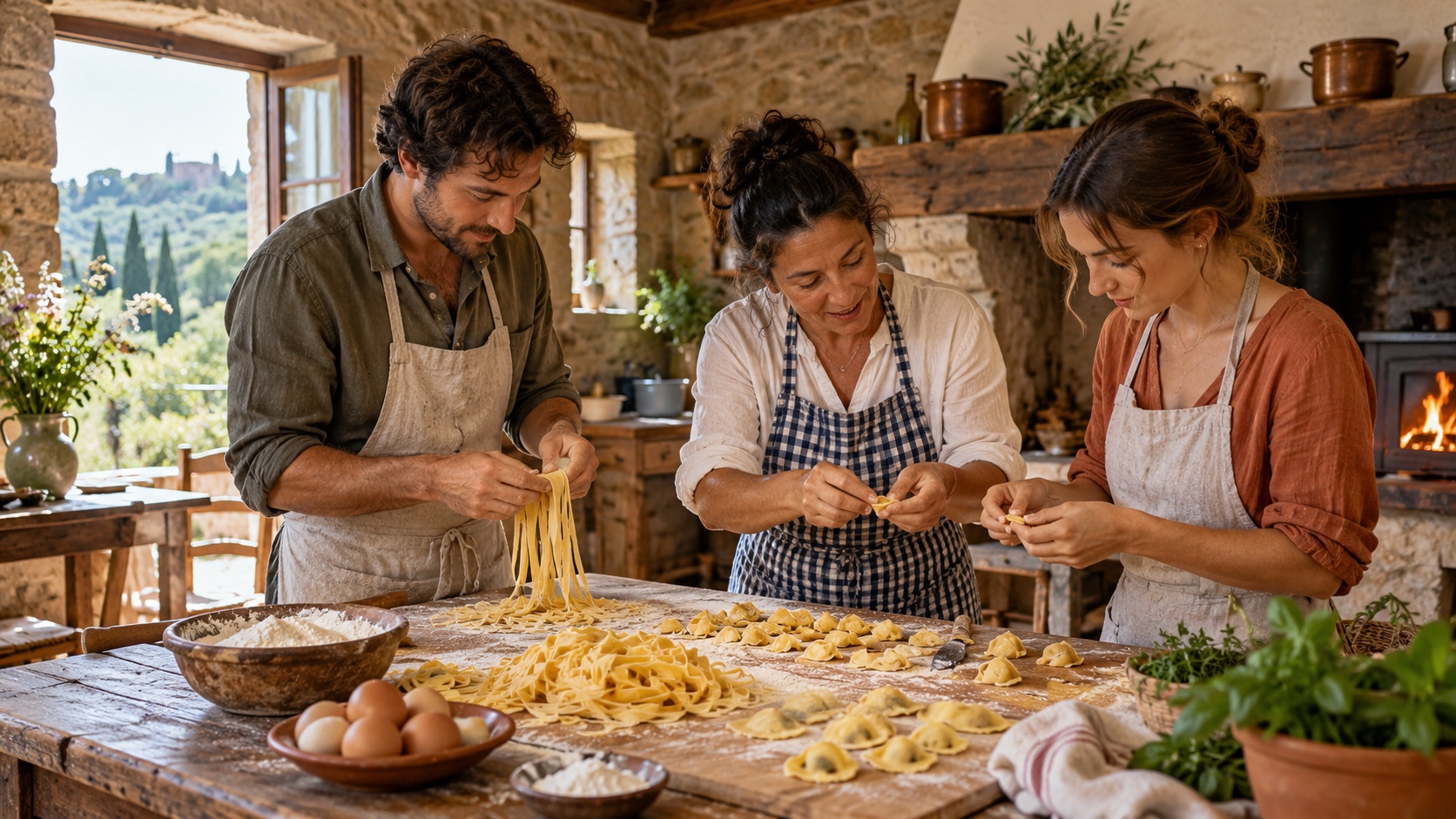
A regional pasta lesson turns flour, water, and eggs into a lesson about climate, grain, family preference, and hand memory. Bologna might emphasize filled pasta and rolling sheets; Puglia may introduce orecchiette; other regions bring distinct shapes, sauces, and doughs. The value lies in feeling when dough becomes smooth, watching a teacher correct pressure, and understanding why a sauce suits one form better than another. Look for a class that actually gives each guest a work surface. A demonstration can be enjoyable, but it is not the same as kneading and shaping. Ask who teaches, which dishes participants complete, and whether the meal is shared afterward. Avoid claims that one household method is the sole authentic version; Italian food traditions are famously local and plural.
Walk a Market With a Working Cook
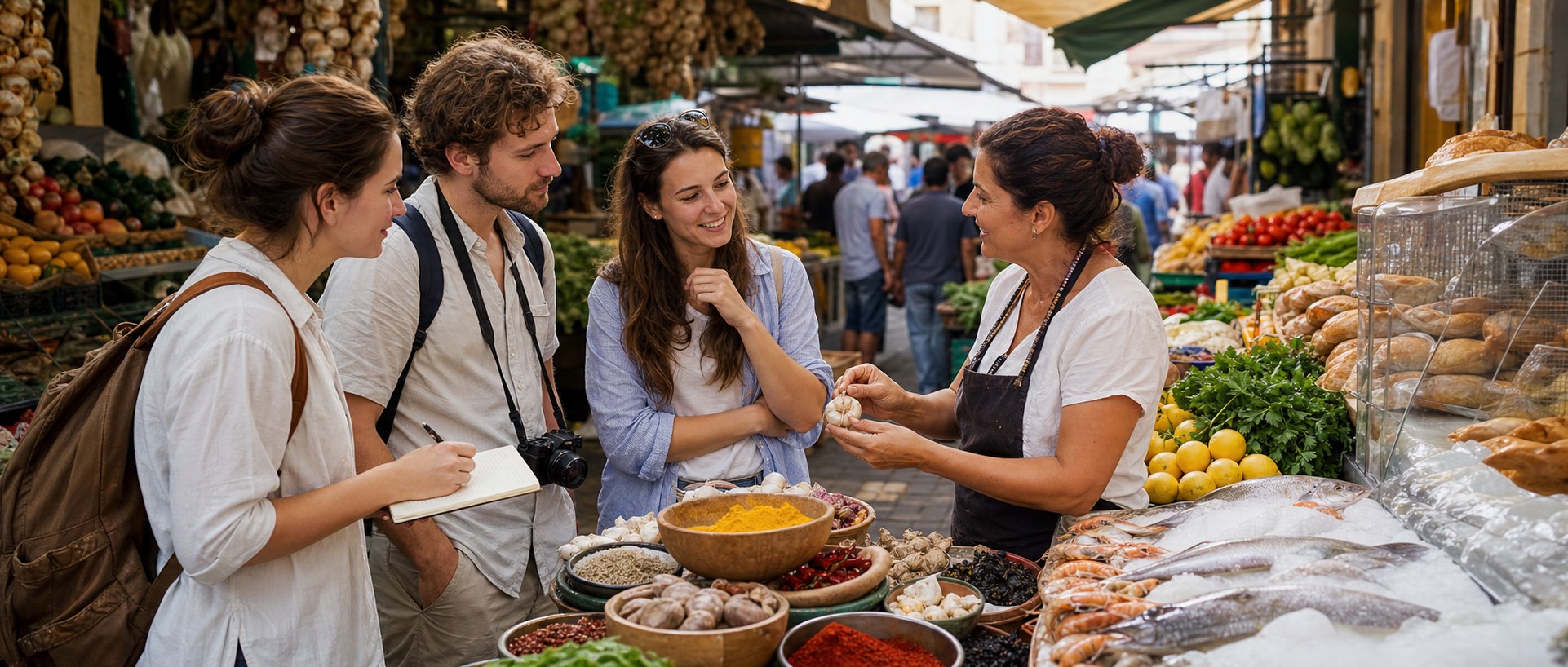
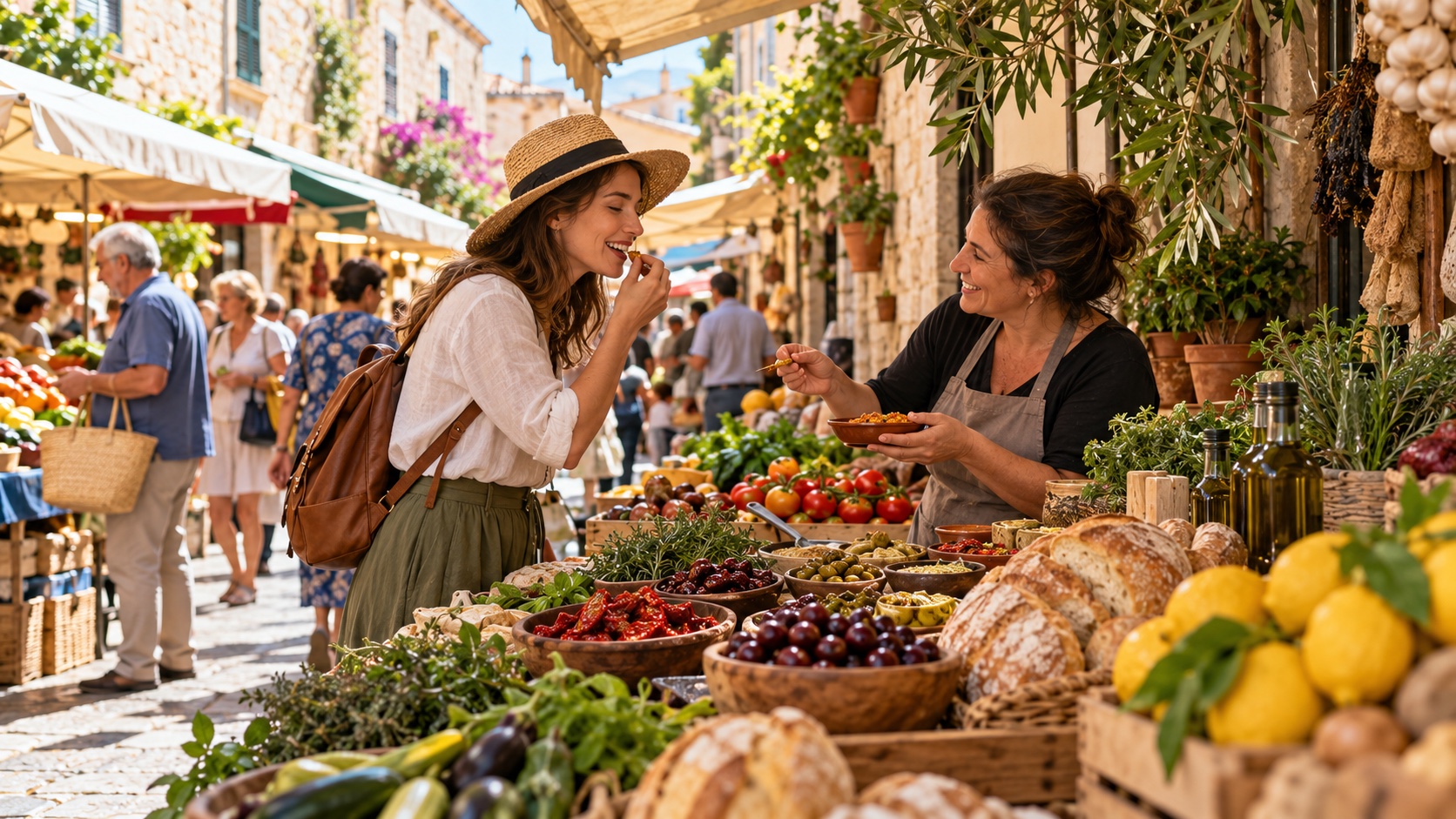
A guided market visit is most useful when it teaches selection rather than functioning as a snack parade. A cook can show how season, aroma, firmness, and vendor relationships influence a menu. In Mexico City, Bangkok, Palermo, Marrakech, or many other places, the market also reveals regional migration and the practical economics of daily cooking.
Choose early hours and keep the group small enough not to block aisles. Ask permission before photographing vendors and avoid handling produce without invitation.
The strongest tours continue into a kitchen, where purchases become a meal and unfamiliar ingredients gain purpose. Travelers should still retain judgment about hygiene and clearly disclose allergies before tasting sauces or prepared foods.
Join a Grape or Olive Harvest
Harvest participation can connect celebrated products to repetitive physical work. In wine regions, timing depends on ripeness and weather; olive harvests similarly change with variety, elevation, and the intended oil. A thoughtful experience explains cultivation, picking decisions, pressing or fermentation, and the financial risks producers carry from one season to the next.
Clarify whether the day is educational, volunteer labor, or a staged visitor activity. Wear closed shoes, sun protection, and clothes that can stain. Do not expect a picturesque picnic to represent the whole harvest. When hosts share a meal, listen to how workers describe the season. Buying directly can support the producer, provided luggage and import rules allow the product to travel.
Follow Coffee From Cherry to Cup
Coffee experiences are most revealing in producing regions where visitors can see farms, ripe cherries, processing choices, drying, sorting, roasting, and brewing. Colombia, Ethiopia, Costa Rica, Guatemala, Rwanda, and many other origins offer distinct systems and histories. The goal is not to flatten them into a single bean-to-cup script but to understand how altitude, variety, labor, fermentation, and trade affect flavor and livelihoods. Seek transparent operators who name farmers and discuss pricing as well as tasting notes. Farm terrain may be steep, wet, or uneven, so accessibility deserves advance attention. Harvest timing varies. Taste comparatively, take modest notes, and ask what proportion of the final retail price remains locally. A good visit complicates the morning cup in productive ways.
Study Fermentation Where It Lives
Fermentation workshops make invisible time perceptible. In Korea, kimchi preparation can reveal seasoning, seasonality, storage, and community practice. Japan offers traditions around miso, soy sauce, sake, and pickles; other destinations teach sourdough, cheese, vinegar, cacao, fish sauces, vegetables, or beverages. Each method belongs to particular microbes, climates, vessels, and histories.
Food safety is central, so favor instructors who explain sanitation, temperature, salt, acidity, and storage rather than offering vague claims about health. Short classes may prepare a batch but cannot show a months-long transformation; a producer visit can fill that gap by presenting several stages. Travelers flying home should verify whether live or liquid products are permitted.
Fish With People Who Read the Water
A responsible fishing experience can explain tides, seasons, habitat, gear, regulation, and the uncertainty behind seafood menus. Coastal communities from Japan and Norway to Mexico and New Zealand have very different practices, vessels, and species. The most valuable outings prioritize local knowledge and safety over guaranteeing a dramatic catch.
Check licensing, weather policies, flotation equipment, group size, and whether the operator follows catch limits. Travelers prone to seasickness should prepare appropriately and disclose medical concerns.
Avoid experiences that target threatened species or waste the catch for photographs. When possible, finish with a meal prepared according to local practice, recognizing that conditions may require a different menu.
Make Cheese Beside the Pasture
Visiting a dairy landscape clarifies how breed, forage, season, milk handling, cultures, aging, and regulation shape cheese. Alpine areas, Mediterranean islands, English countryside, French regions, and many other places maintain distinct traditions. Watching curds form is tactile and immediate, while an aging room reveals the controlled patience behind flavor. Farm biosecurity and hygiene may limit access, so respect barriers and footwear requirements. Ask whether animals graze, how seasonal milk changes production, and who performs the daily labor. Tastings should move from mild to intense and connect texture with process. Raw-milk products may carry additional health considerations for some travelers, who should follow qualified medical and local food-safety advice.
Trace Cacao Before It Becomes Chocolate
In cacao-growing regions, visitors can encounter pods, pulp-covered beans, fermentation boxes, drying beds, and the demanding steps that precede chocolate. Experiences in Ecuador, Peru, the Dominican Republic, Ghana, and other origins vary enormously. A credible visit recognizes Indigenous histories, farm labor, commodity pricing, and the difference between growing cacao and manufacturing a finished bar.
Look for traceability and avoid tours that use poverty as scenery. Taste pulp or roasted beans only under host guidance, then compare chocolate made with different fermentations or origins. Ask how growers are paid and whether processing happens locally. Buying a bar is meaningful when the producer relationship is clear, not simply because the wrapper uses romantic language.
Cook Over Fire With Skill and Restraint
Fire-based cooking appears worldwide, from Argentine asado and South African braai to barbecue traditions, tandoors, earthen ovens, and hearths. A serious lesson is about fuel, airflow, distance, patience, smoke, and communal responsibility—not simply putting meat over flames. Vegetables, breads, fish, and plant-based dishes can be equally instructive.
Safety should be visible in site design, supervision, and handling of raw ingredients. In dry regions, wildfire restrictions override culinary plans.
Learn how the technique relates to local ecology and access to fuel, and resist treating every fire tradition as interchangeable. The shared meal matters because tending heat often creates time for stories and cooperation.
Share a Meal That Supports Its Hosts
Community and home-hosted meals can create genuine conversation when expectations are transparent. The setting may introduce family recipes, migration stories, holiday foods, or ordinary dishes absent from restaurant menus. Yet intimacy should never be used to conceal commercial terms or pressure hosts into disclosing private life. Book through organizations that explain compensation, group size, dietary communication, and safeguarding. Bring curiosity rather than an interrogation, and do not assume the host represents an entire culture. Offer to help only when invited. A successful meal allows reciprocal questions and leaves both sides with dignity, not a traveler’s claim to have discovered the “real” destination in one evening.
Gather Wild Foods With a Qualified Guide
Foraging can sharpen attention to season, habitat, and the boundaries of human knowledge. Mushroom walks in forests, coastal seaweed outings, herb gathering, and berry harvests all reveal edible landscapes, but they carry real risks. A responsible guide identifies look-alikes, explains legal collection limits, avoids contaminated sites, and teaches what should remain untouched for wildlife and regeneration.
Never consume a wild plant or fungus based on an app or casual resemblance. Follow local regulations, take only modest amounts, and avoid publicizing fragile locations. The most thoughtful outings include cultivated alternatives and a meal or demonstration that shows safe preparation. Participants should disclose allergies and understand that even correctly identified foods may not suit everyone.
Bake With a Regional Grain
Bread workshops connect farming, milling, fermentation, ovens, and daily ritual. A lesson might explore rye in Scandinavia, sourdough traditions in California, flatbreads across the Middle East, injera in Ethiopia, or heritage wheat with a local miller. The educational value comes from understanding flour absorption, fermentation cues, shaping, and heat rather than collecting a universal recipe. Ask whether the class uses locally grown grain and whether participants see a mill or bakery workflow. Fermentation schedules may mean some dough is prepared earlier; a transparent teacher explains what can and cannot happen during a short session. Gluten allergies and celiac disease require explicit cross-contact conversations, since airborne flour and shared equipment create risks.
Taste a Region Through Tea
Tea experiences can combine agriculture, processing, craft, hospitality, and focused sensory attention. Visits in Japan, China, Taiwan, India, Sri Lanka, Kenya, and other producing regions should be understood on their own terms. Picking standards, oxidation, roasting, elevation, cultivar, water, and brewing technique all influence the cup, while labor and land histories complicate picturesque plantation views.
Choose hosts who discuss workers and production honestly. A tasting becomes clearer when water temperature, leaf quantity, vessel, and infusion time are controlled rather than hidden behind ceremony.
Observe local etiquette without pretending one session creates mastery. Buying tea directly can support producers when pricing and sourcing are transparent, but freshness and storage matter more than elaborate packaging.
Turn Participation Into Lasting Understanding
After an experience, write down sensory instructions: how dough should resist, how ripe fruit smells, how a spice changes after toasting, or how a host judged the fire. These observations translate better than a rushed recipe. Record names accurately and ask what sources the teacher recommends for further learning.
At home, adapt ingredients honestly and credit the origin of the technique. Do not market a borrowed tradition as newfound expertise. Support producers when feasible, seek comparable local agriculture, and share the story of labor alongside photographs of the finished dish. The best culinary experience changes how a traveler pays attention long after the final table has been cleared. The lesson may also change future booking decisions. Travelers who have seen a harvest or busy kitchen often understand why seasonality, fair prices, and advance notice matter. They become more willing to ask where ingredients come from and less interested in effortless stories that hide labor. That shift—from consumption toward informed appreciation—is a richer souvenir than perfect execution of one recipe. It can also make an ordinary meal feel newly interesting. Recognizing careful knife work, patient fermentation, or a well-managed fire turns attention toward craft without demanding luxury or spectacle.