Let Appetite Choose the Map
A memorable culinary vacation is rarely built around one famous restaurant. It comes from the relationship between markets, neighborhood kitchens, agriculture, migration, and everyday habits: when people eat, how they order, and which foods belong to a particular season or street. The world’s best food destinations make that system visible. They offer humble dishes beside ambitious cooking, specialties that cannot be separated from place, and enough variety to reward several days of curious eating. This guide compares destinations by the experience they offer rather than declaring a single winner. Some suit travelers who love markets and snacks; others reward reservations, regional day trips, or long communal meals. The right choice depends on budget, dietary needs, desired pace, and whether pleasure means improvising at a counter or settling in for a carefully composed evening.
A: Four or five days lets travelers revisit neighborhoods without eating on a schedule.
A: Reserve scarce priorities and leave room for markets and discoveries.
A: A thoughtful small-group tour can explain context and reduce ordering confusion.
A: Translate specific ingredients and cross-contact concerns before departure.
A: Choose a neighborhood with breakfast options transit and an easy dinner nearby.
A: Favor busy vendors sound hygiene and food cooked thoroughly in front of customers.
A: Price one signature experience then build the remaining days around local everyday food.
A: Yes when meals are flexible and markets parks and familiar foods provide variety.
A: Check current local practice instead of exporting a custom from home.
A: Curiosity patience fair payment and interest in people beyond a photo of the plate.
Osaka Japan for Food That Loves an Audience
Osaka’s culinary reputation thrives in lively, accessible settings. Okonomiyaki, takoyaki, kushikatsu, udon, sushi, and seasonal seafood appear across counters, shopping arcades, markets, and compact restaurants. The pleasure is not simply checking off dishes; it is watching cooks control hot griddles, noticing the pace of a standing bar, and comparing how neighborhoods interpret familiar specialties. Dotonbori is visually famous, but side streets and districts beyond its brightest signs offer a fuller picture.
Build confidence by learning a few ordering conventions and visiting Kuromon or another market without expecting every stall to function as a tasting buffet.
Osaka is an excellent first culinary destination because transport is easy and prices span a wide range. Leave room for Kyoto, Kobe, or rural Kansai only if the day trip adds a distinct tradition rather than another hurried meal.
Mexico City for Layers of Corn Chiles and History
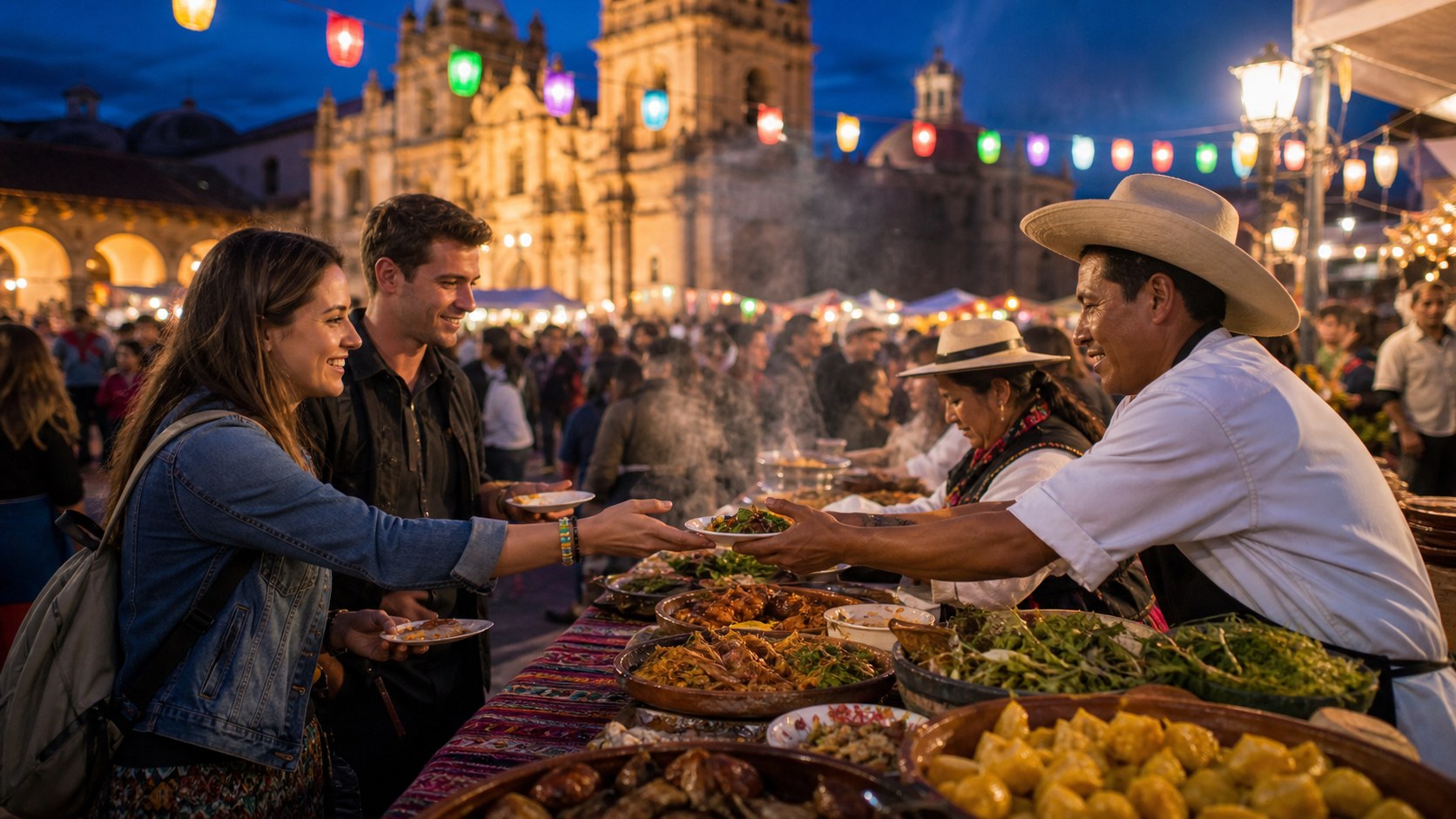
Mexico City can sustain weeks of eating through neighborhood markets, street stands, fondas, bakeries, cantinas, contemporary restaurants, and regional specialists. Corn appears in many forms, while chiles contribute fruit, smoke, heat, and depth rather than one simple intensity. Tacos are essential, but so are breakfast dishes, soups, tamales, pan dulce, seafood, and foods carried to the capital by communities from across Mexico.
Choose a few neighborhoods and explore them on foot instead of crossing the metropolis for every recommendation. A market guide can explain unfamiliar ingredients and appropriate ways to engage vendors. Food safety decisions remain personal: look for turnover, clean work surfaces, and hot food cooked to order. Travelers with allergies need precise Spanish because sauces, stocks, seeds, and cross-contact can be difficult to infer visually.
Naples Italy for Pizza and the Campanian Pantry
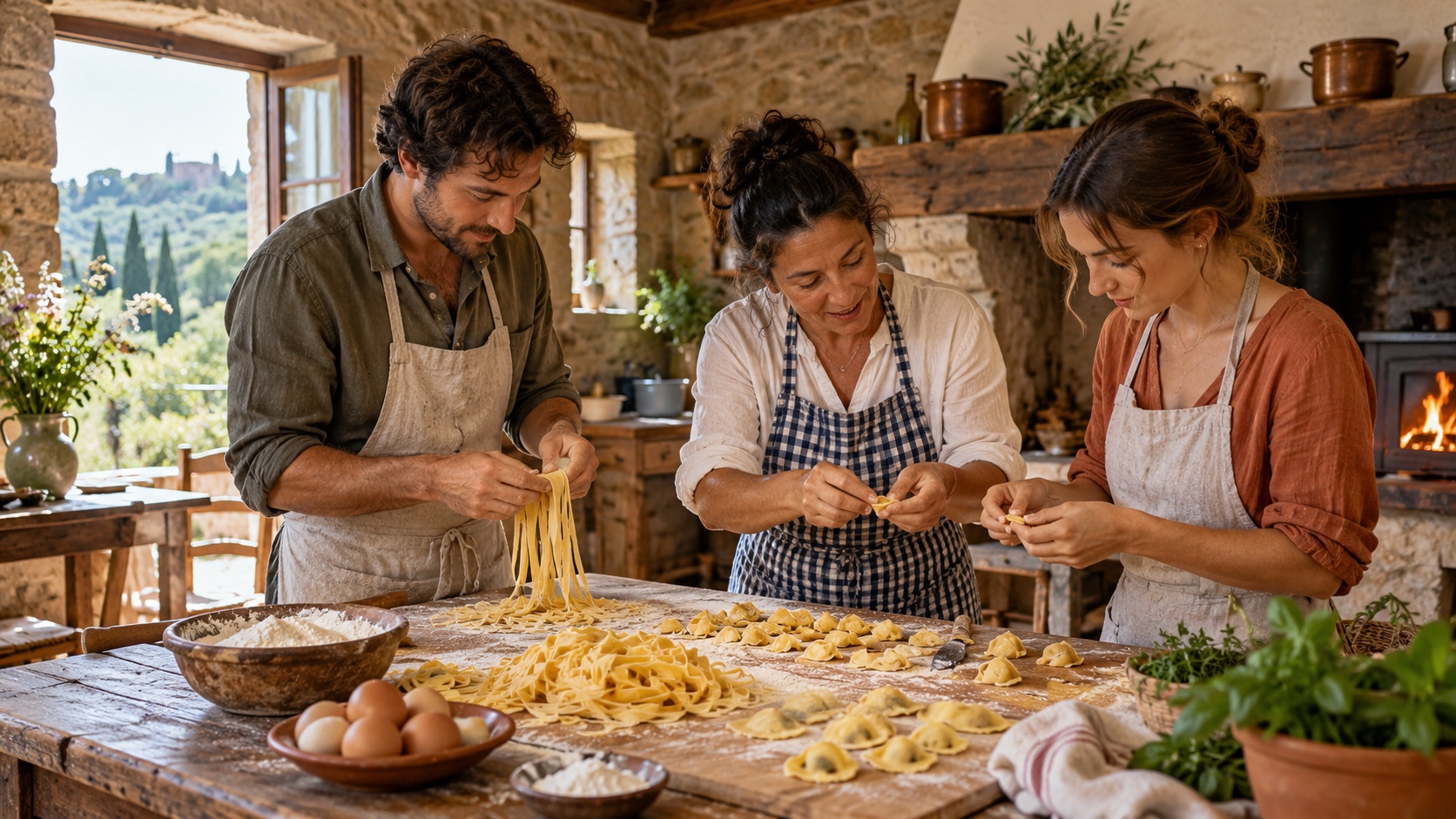
Neapolitan pizza is reason enough to visit Naples, yet the city’s food landscape reaches far beyond one celebrated dish. Fried snacks, pasta with potatoes, ragù, seafood, sfogliatelle, espresso, tomatoes, cheeses, and vegetables connect dense streets to farms and coastal communities across Campania. Pizza culture is especially instructive because simple ingredients reveal fermentation, oven management, and the judgment of experienced hands. Queues and celebrated names can dominate planning, but excellent meals do not require turning the day into a ranking exercise. Eat pizza more than once, compare styles without searching for a universal champion, and learn which pastries suit morning or afternoon. A day trip toward Vesuvius, the Sorrento Peninsula, or inland producers can show where ingredients originate, provided transport does not consume the entire experience.
Penang Malaysia for a Street-Level Culinary Mosaic
George Town and the wider island of Penang bring Malay, Chinese, Indian, Peranakan, and other influences into an extraordinarily concentrated food culture. Hawker centers and kopitiams make it possible to try char kway teow, assam laksa, nasi kandar, Hokkien mee, roti, cendol, and many other dishes without formal dining. Each reflects particular communities and histories, not a generic category of Asian street food.
Visit at different times because breakfast, afternoon sweets, and evening stalls create separate maps. Shared tables and self-service routines may vary by venue; observe first, then ask.
Heat and humidity affect appetite, so pace dishes and drink water. Penang rewards repetition: tasting one specialty from two respected vendors teaches more than rushing through a dozen disconnected plates.
Lima Peru for Pacific Seafood and Regional Imagination
Lima’s cooking draws on the cold Pacific, Andean biodiversity, Amazonian ingredients, Indigenous knowledge, European colonization, and migrations from Asia and elsewhere. Ceviche is a central experience, traditionally suited to daytime freshness, but it sits beside tiradito, anticuchos, causa, chifa, Nikkei cooking, stews, breads, and contemporary tasting menus. The city’s range allows modest lunches and globally recognized restaurants to belong to the same trip. Distances and traffic require geographic planning. Group meals by district and avoid scheduling a reservation immediately after a remote excursion. Learn about sustainable seafood choices and respect restaurant guidance on what is available. High-altitude ingredients can be explored in Lima without altitude itself, though a later journey to the Andes will reveal different climates and foodways rather than simply extending the capital’s menu.
Istanbul Türkiye for Breakfast Markets and Shared Tables
Istanbul’s food culture unfolds through ferry crossings, neighborhood bakeries, produce markets, kebab traditions, meze, fish, sweets, tea, and elaborate breakfasts. The city connects regions of Türkiye as well as the shores of the Bosphorus, so one district cannot stand for the whole. A morning may begin with simit and cheese, continue through a market, and end with shared small plates that make conversation part of the meal.
Seek specialists and ask what a restaurant does particularly well. Tourist districts can be convenient, but residential areas often reveal more ordinary rhythms and better value. Ferry travel provides a natural pause between meals. Visitors should also distinguish genuine hospitality from aggressive solicitation, checking prices before ordering seafood or market items sold by weight.
Lyon France for Bouchons and Regional Technique
Lyon sits at the meeting point of productive regions and has long celebrated cooks, markets, charcuterie, cheeses, freshwater fish, poultry, and sauces. Traditional bouchons offer hearty local dishes in convivial rooms, while bakeries, markets, wine bars, and modern restaurants broaden the experience. The city appeals to travelers who enjoy technique and provenance but prefer a manageable urban scale.
Rich food requires pacing. One traditional lunch may be more satisfying than stacking bouchon dinners on consecutive nights.
Visit a market to see seasonal products, and consider a day trip only when genuinely interested in Beaujolais, the Rhône, or a producer. Reservations matter for small dining rooms, while lunch menus can make accomplished cooking more accessible.
San Sebastián Spain for Pintxos and Coastal Precision
San Sebastián combines an unusually dense concentration of ambitious restaurants with the social ritual of pintxos bars. Travelers can move through the Old Town or other districts, ordering one or two specialties before continuing, then experience seafood, Basque products, cider, and contemporary cooking in longer meals. The bay and walkable center help balance eating with fresh air and movement. A successful pintxos evening is selective rather than frantic. Notice each bar’s signature, order clearly, and keep track of tabs according to house practice. Reserve destination restaurants months ahead when necessary, but do not let prestige crowd out simple grilled fish or tortilla. Nearby coastal towns and cider houses add context if scheduled without sacrificing the city’s own daily rhythm.
Marrakech Morocco for Markets Courtyards and Slow Cooking
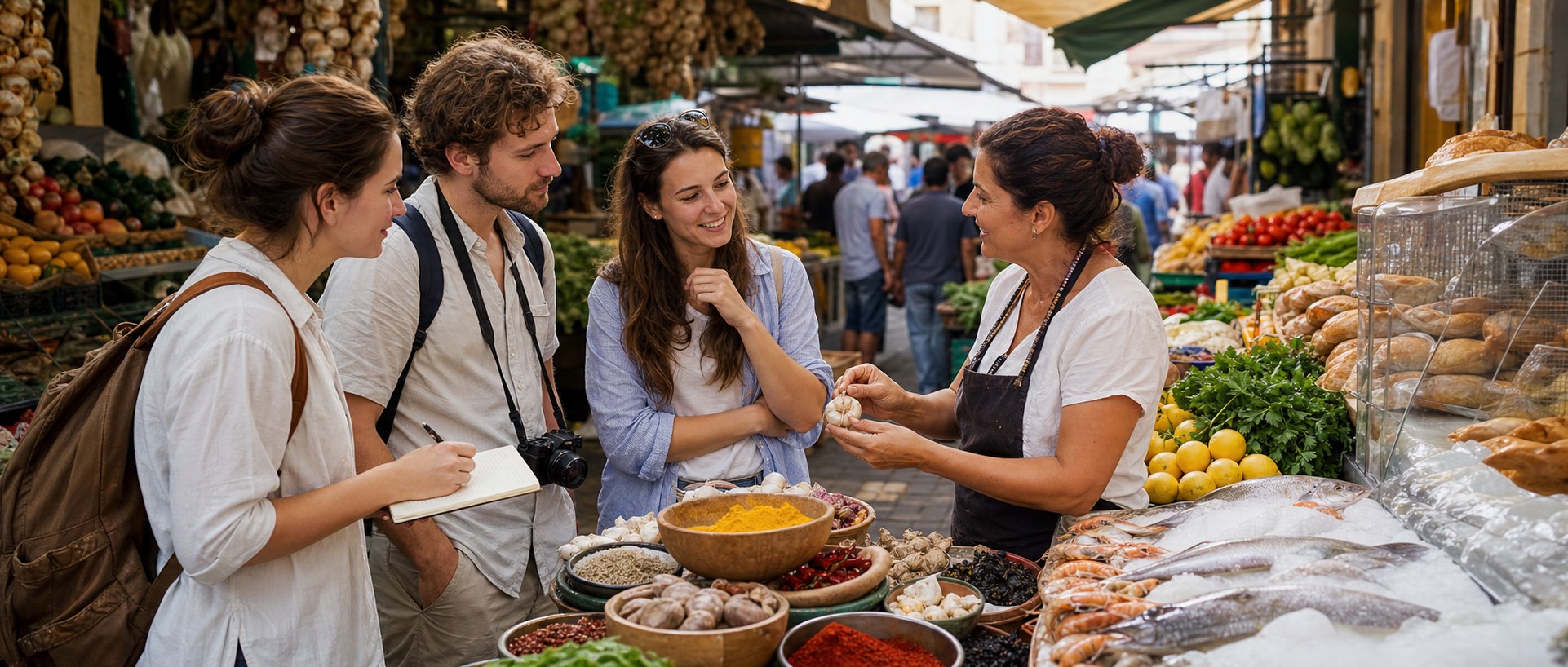
Marrakech introduces travelers to tagines, couscous, breads, preserved lemon, olives, spices, grilled foods, sweets, and mint tea within markets, homes, courtyards, and restaurants. The medina’s sensory intensity can be thrilling, but the deepest meals often emerge when a cook or guide explains how ingredients are selected and how dishes relate to family or weekly customs.
Choose food tours that treat vendors as partners and keep groups small. A cooking class can connect spice shopping with technique, though quality varies, so examine what participants actually prepare. Confirm prices and hygiene comfort without assuming that polished decor guarantees authenticity. Schedule a quiet lunch or riad dinner after a crowded market session so appetite is not overwhelmed by stimulation.
Singapore for an Efficient Tour of Many Traditions
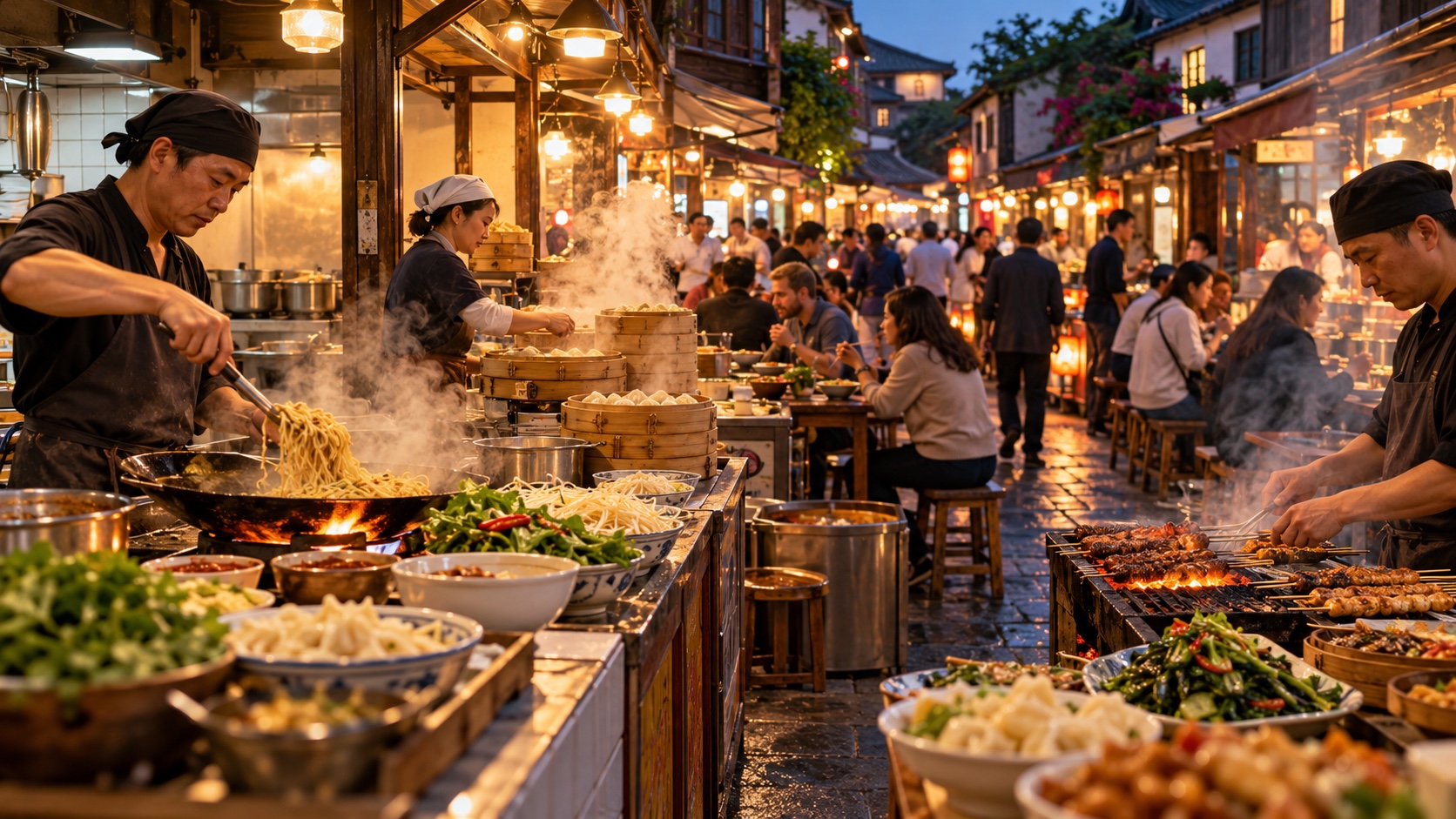
Singapore’s hawker centers offer affordable access to dishes shaped by Chinese, Malay, Indian, Peranakan, and other communities. Chicken rice, laksa, roti prata, satay, nasi lemak, fish-head curry, and countless regional specialties can be explored with reliable transit and clear infrastructure. Recognition of hawker culture has also drawn attention to the labor, skill, and succession challenges behind inexpensive meals. Avoid reducing the experience to whichever stalls carry the longest online lists. Walk through first, observe what each vendor specializes in, and share dishes when possible. Return trays where required and be considerate at busy tables. Mix celebrated centers with a neighborhood breakfast, wet market, or family-run restaurant to see how culinary life extends beyond a visitor’s checklist.
Palermo Italy for Markets and Sicilian Contrast
Palermo’s food expresses the many cultures that have shaped Sicily through market snacks, citrus, seafood, vegetables, couscous, pasta, sweets, and rich festival traditions. Ballarò, Capo, and Vucciria are often presented as attractions, but they remain different urban environments whose character changes by hour. Panelle, arancine, sfincione, grilled foods, and seasonal produce make informal eating especially rewarding.
Heat and congestion call for an early start and a slower afternoon. Choose a market guide who explains history and supports vendors instead of treating the area as theater.
The city also deserves seated meals where pasta, fish, and vegetable dishes can unfold beyond snacks. Day trips to producers or coastal towns are valuable, yet Palermo’s architecture and layered neighborhoods provide essential context for what appears on the plate.
Oaxaca City Mexico for Corn Mole and Community Knowledge
Oaxaca City brings together food traditions from a culturally and ecologically diverse state. Markets, comedores, bakeries, chocolate shops, mezcalerías, and restaurants introduce corn preparations, beans, herbs, chiles, moles, tlayudas, tamales, cheeses, and seasonal ingredients. No single dish or city kitchen can represent all Oaxacan communities, which is precisely why careful guidance matters.
Seek cooks and tour operators who name the people and towns connected to what they teach. Ask before photographing vendors and avoid turning ceremonial or Indigenous practices into decorative content. Mezcal visits should address cultivation, water, labor, and responsible transport, not only tasting. Staying several days permits repeat market visits and meals at different price levels, producing a more grounded understanding than a rapid checklist.
Build a Culinary Vacation That Still Feels Like Travel
Food should lead the itinerary without consuming it. Select one or two anchor meals, identify neighborhoods worth wandering, and use markets as introductions to local seasons rather than shopping assignments. Architecture, parks, museums, ferries, and ordinary errands give the appetite time to return while showing the society that produced the cuisine. Keep notes about context: the name of a dish, where it comes from, who prepared it, and what surprised you. Respect limits imposed by health, budget, and energy. An unforgettable culinary destination is not the place where a traveler ate the greatest quantity. It is the place where flavor made geography and history more legible, and where meals remained connected to the people who cook and eat them every day. Review the plan once more for humane timing. A famous dining room is less enjoyable after a cross-city sprint, and an early market deserves the sleep required to appreciate it. Share priorities with travel companions so no one feels dragged through another person’s list. When the itinerary protects curiosity and comfort together, even a simple breakfast can become one of the trip’s defining meals.