When a Food Festival Is Worth the Trip
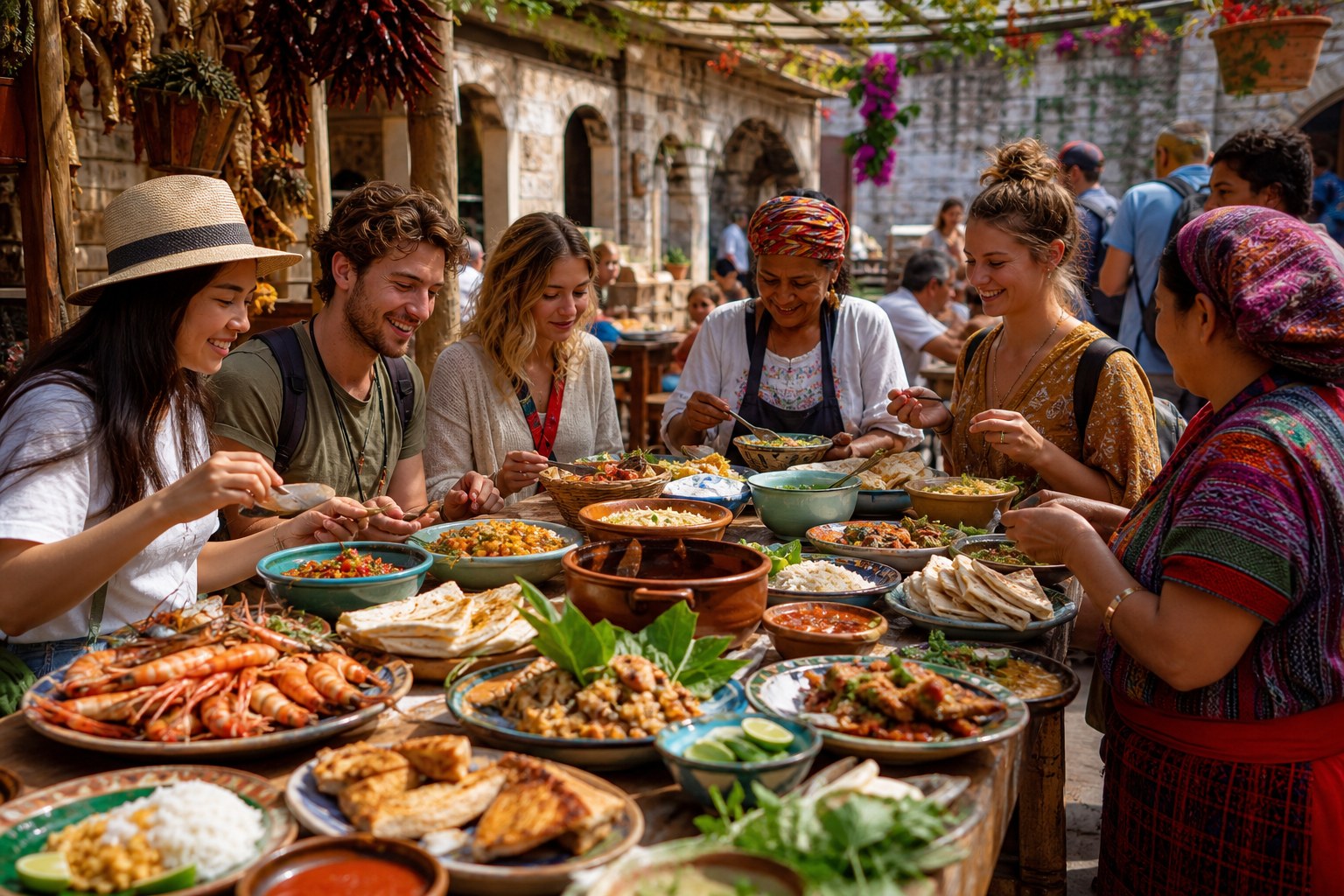
The best food festivals around the world are not only big gatherings with plenty to eat. They are moments when a place explains itself through harvest, history, street life, music, ritual, family recipes, regional pride, and seasonal ingredients. A festival worth traveling for should offer more than novelty. It should help visitors taste something that matters locally, whether that is seafood pulled from cold water, chiles roasted in the street, truffles shaved over pasta, dumplings folded for a holiday, or barbecue cooked through the night.
A: Yes, when the event is tied to local season, culture, producers, or a meaningful specialty.
A: Decide whether you want harvest, street food, wine, seafood, holiday foods, or chef-led events.
A: For popular or small-town events, yes, because lodging and tasting sessions can sell out.
A: Arrive early, use maps, share dishes, and consider smaller regional festivals.
A: Comfortable shoes, water, weather layers, cash, and a plan for transport.
A: No. Smaller festivals can be more relaxed and locally revealing.
A: Taste enough to stay curious, not so much that the day becomes a chore.
A: Often, but check crowds, seating, alcohol focus, and restroom access.
A: Support vendors, avoid waste, ask before photos, and learn the tradition behind the food.
A: Seasonal flavor, local pride, atmosphere, and food that belongs unmistakably to that place.
How to Choose a Festival That Fits
Start by asking what the festival celebrates. Ingredient festivals, harvest festivals, religious food traditions, chef events, street-food nights, and wine weekends all create different travel experiences. Bigger is not automatically better.
A good festival has a clear local reason to exist. If the food could happen anywhere, the trip may feel generic. If the event is tied to season, place, and community, it becomes much more memorable.
Travelers should also consider crowd tolerance. Some famous festivals are thrilling but intense. Smaller regional events can offer better access, shorter lines, and more genuine conversation.
Harvest and Ingredient Festivals
Truffle fairs in Italy and Croatia, olive harvest celebrations, seafood festivals in coastal towns, chile roasts in the American Southwest, mango festivals, oyster weekends, and mushroom festivals all show how one ingredient can carry a region's identity.
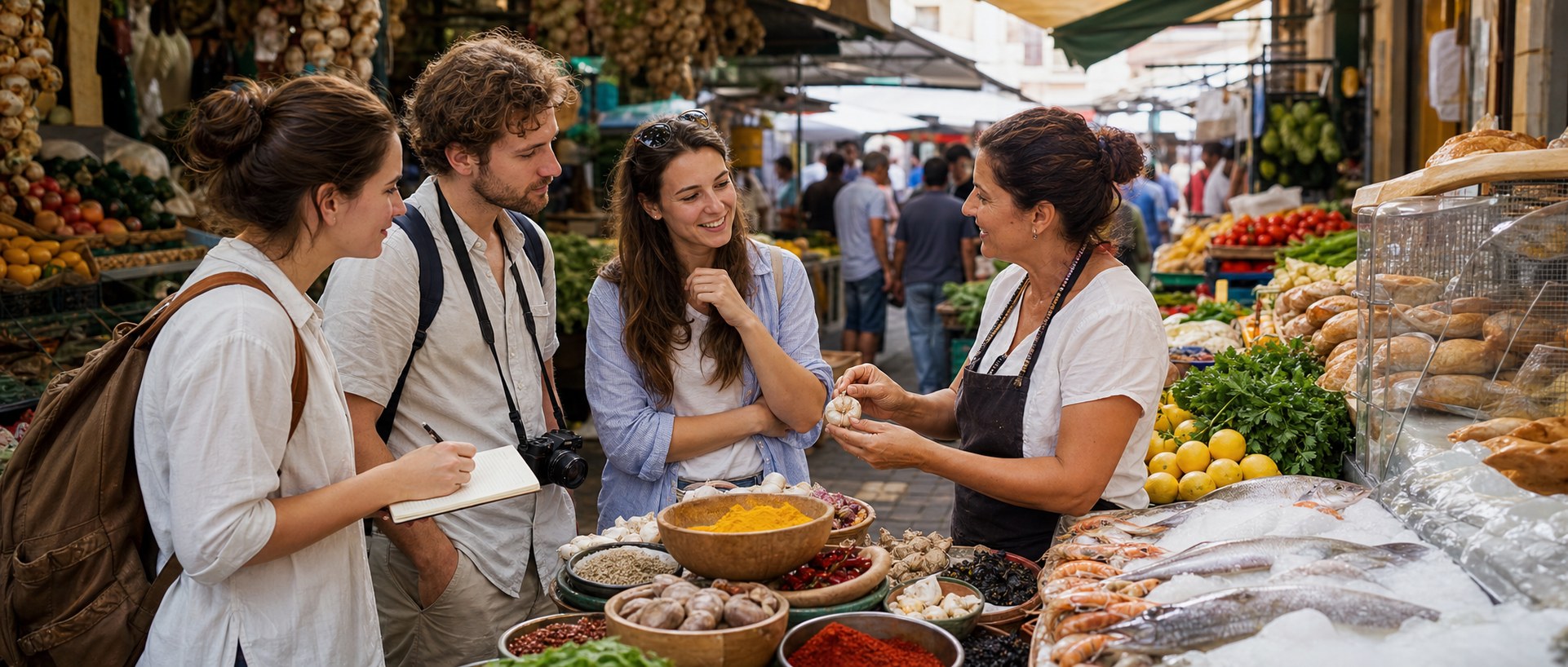
These festivals are best when visitors learn as well as taste. Look for cooking demonstrations, farm visits, producer stalls, tastings, and chances to ask questions. The ingredient becomes more meaningful when you understand the work behind it.
Street-Food and Night-Market Celebrations
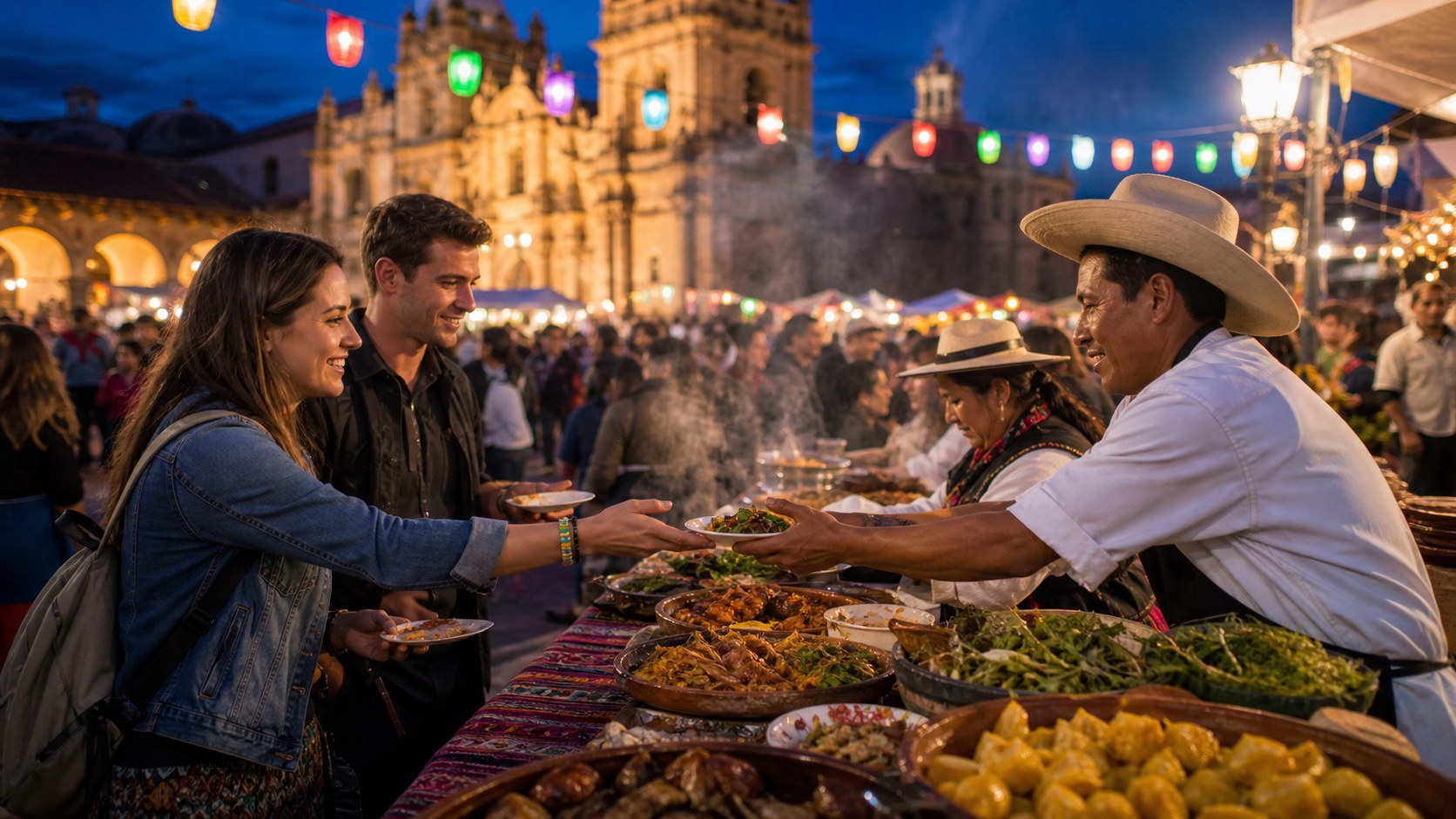
Some food festivals feel like amplified versions of everyday public eating. Night markets, hawker celebrations, taco festivals, noodle events, and open-air tasting nights can bring travelers close to the way a city eats together.
The key is pacing. Walk the event once before buying everything that looks good. Notice smoke, lines, local choices, and vendors cooking with confidence. Share dishes so the evening stays curious instead of overwhelming.
Street-food festivals reward travelers who accept a little chaos. The best moments may be eaten standing up, balancing a plate, with music and conversation all around.
Wine, Beer, and Regional Pairing Events
Wine harvest festivals, beer celebrations, cider weekends, sake events, and regional pairing festivals can be excellent reasons to travel when they are grounded in local producers. The best ones include food, education, and place rather than only drinking.
Plan transportation before the first tasting. Use public transit, shuttles, walking routes, or designated drivers. A thoughtful plan protects both safety and enjoyment.
Tasting events are better when you slow down. Ask producers what they are proud of, drink water, eat real food, and leave before your palate disappears.
Cultural Festivals Where Food Is One Part of the Story
Some of the most powerful food festivals are connected to holidays, migration, religion, or community memory. Lunar New Year foods, Ramadan night markets, Christmas markets, Día de los Muertos foods, harvest suppers, and local saints' day feasts may all involve dishes that carry meaning beyond taste.
Visitors should approach these events with respect. Learn what is public, what is sacred, and what behavior is appropriate. Food can be welcoming without making every part of a tradition available for casual consumption.
Festival Travel Without the Stress
Book lodging early, especially for small towns where rooms disappear quickly. Check event dates from official sources, confirm whether tickets are required, and plan how you will move around once streets are crowded.
Do not make the festival the only reason for the trip. Add markets, restaurants, museums, walks, or nearby villages so weather, crowds, or sold-out sessions do not ruin the whole visit.
The best food festival trips feel festive but not frantic. You taste, listen, watch, rest, and leave with a stronger sense of why that food belongs to that place.
Food festivals are often most enjoyable when you arrive early and return later. The first pass lets you see the layout before crowds peak, while the evening may bring music, smoke, lights, and a different mood. Rest between those visits if the event runs all day.
Cash, small bills, reusable water bottles, comfortable shoes, and weather layers can change the day. The less you have to solve on site, the more attention you have for tasting and watching.
Festival photography needs restraint. Ask before close portraits, avoid blocking lines, and remember that vendors are working quickly. A respectful visitor does not slow down a stall during its busiest rush for a better shot.
Tickets and tasting passes should be read closely. Some include samples, some include entry only, and others use token systems. Understanding the model prevents frustration and helps you budget for the dishes you truly want.
Food safety matters at crowded outdoor events. Choose stalls with turnover, hot food served hot, cold food kept cold, and vendors who handle money and food carefully. A little discernment protects the rest of the trip.
The best festivals also leave room for ordinary meals. After a day of sampling, a simple breakfast or quiet dinner can help your body reset. Food travel works best when appetite is cared for, not pushed constantly.
A festival is worth traveling for when the food, people, place, and timing could not be easily recreated elsewhere. That sense of occasion is what turns a meal into a journey.
Families and mixed-age groups should check practical details before choosing a festival. Seating, shade, restroom access, stroller space, crowd density, and the amount of alcohol-centered programming can shape whether the event feels joyful or exhausting. A festival that works beautifully for adults may not fit every group.
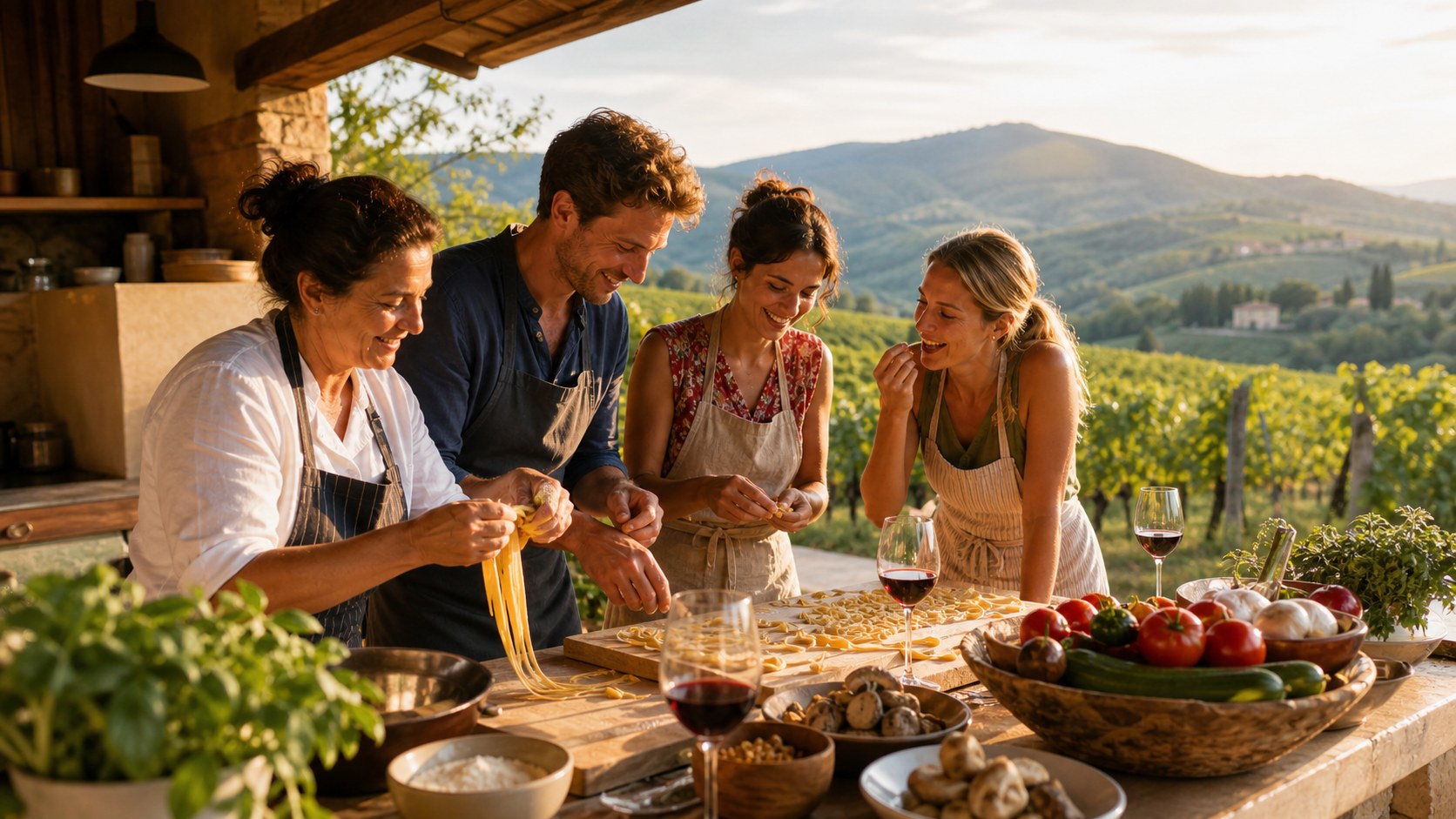
For travelers who love cooking, demonstrations can be the hidden treasure of a food festival. Watching a regional cook handle dough, fish, chiles, spices, or pastry gives the event a teaching layer. Those moments are quieter than the tasting lines but often more memorable.
Some festivals sell special dinners, workshops, or producer tastings alongside public stalls. These add-on events can be worthwhile if they provide access or context unavailable in the main crowd. Choose one carefully rather than stacking so many extras that the festival becomes another schedule to survive.
Food festivals also make good anchors for slower regional travel. Spend one day at the event, another visiting producers or markets, and another eating in a local restaurant after the crowds leave. The festival then becomes the doorway into the place rather than the whole trip.
Festival trips are easier when you plan recovery around them. A crowded tasting night followed by an early museum booking may sound efficient on paper and miserable in practice. Leave a slow morning afterward, especially if the event includes alcohol, late hours, or heavy food.
Some food festivals are better with a local guide, especially when language, token systems, or cultural traditions are unfamiliar. A guide can help visitors understand which events are public, which dishes matter most, and how to move through crowds without missing the point.
If the festival is built around one ingredient, taste it in several forms. Try the simple version, the traditional version, and one creative version if available. Comparison teaches more than novelty alone, and it helps the traveler understand why the ingredient earned a festival in the first place.
A festival worth traveling for should leave you with a sense of season. You should remember not only what you ate, but why that food appeared then, in that place, among those people. That seasonal context is what makes the trip difficult to duplicate at home.
Some festivals are best approached with a theme for the day. You might focus on seafood, sweets, regional wines, one ingredient, or dishes cooked over fire. A theme prevents the event from becoming a blur and helps you make better choices when every stall looks tempting.
Local timing matters. Some festivals peak during lunch, others after dark, and some unfold through several days of ceremonies, markets, and meals. Read the schedule carefully before deciding when to arrive. The headline date may not be the most flavorful moment.
Travelers should consider staying an extra day after the festival. The town often feels different once the crowds thin, and restaurants may serve calmer versions of the same regional food. That extra day can turn a hectic event into a fuller culinary trip.
Food festivals can be especially rewarding when tied to a harvest landscape. Seeing vineyards, orchards, fishing boats, farms, or chile fields before the event makes the festival taste more grounded. The plate becomes the final chapter rather than the whole story.
Responsible festival travel includes patience with vendors. Lines, heat, sold-out dishes, and imperfect timing are part of real events. Treat staff kindly, buy what you can actually eat, and remember that a festival is a working day for the people creating your celebration.
The most memorable festival bite may not be the rarest one. It may be the dish eaten at the right moment: hot, messy, shared, and surrounded by music or street noise. Food festivals are about timing and atmosphere as much as ingredients.
A food festival's setting can matter as much as its menu. A seafood event beside working docks, a harvest festival in a vineyard town, or a night market in a temple district gives the food an atmosphere that cannot be copied in a convention hall. The best setting makes the dish feel inevitable.
Travelers should decide whether they want tasting, learning, or celebration. Some festivals are best for eating many small dishes. Others are better for demonstrations, producer conversations, competitions, music, parades, or religious traditions. Knowing the main purpose prevents disappointment when an event is less like a restaurant crawl than expected.
Small-town festivals often require more planning than big-city events because lodging and transportation can be limited. Book early, check transit schedules, and consider staying within walking distance if evening events are central. The less you have to drive after eating and drinking, the more relaxed the festival feels.
Weather plans matter because many food festivals happen outdoors. Sun, rain, wind, dust, or cold can change appetite and comfort. A hat, layers, water, and a flexible attitude may matter as much as the event ticket. The best-prepared travelers can keep tasting when conditions shift.
The most interesting stalls are not always the prettiest. Look for vendors cooking continuously, locals returning for a specific item, and dishes prepared with focus rather than giant unfocused menus. A festival is full of signals if you slow down before choosing.
Food festivals can also create tasting fatigue. Rich dishes, alcohol, sweets, and crowds can overwhelm the senses quickly. Share plates, pause often, and choose variety intentionally. A few excellent tastes remembered clearly are better than a blur of everything available.
Many festivals include cultural programming that deserves attention. Music, dance, agricultural displays, religious observances, craft stalls, or cooking competitions may explain the food more deeply than another sample. Make time for the non-food parts of the food festival.
Visitors should be careful with viral expectations. A dish that looks dramatic online may be less meaningful than a quieter local specialty with history behind it. Let the event teach you what matters there instead of arriving only to recreate someone else's clip.