Food Experiences Worth Planning a Trip Around
An ultimate culinary travel bucket list should include more than famous restaurants. The most memorable food trips often happen when travelers knead dough beside a local cook, wake early for a fish market, follow smoke through a night market, taste olive oil where it was pressed, or share a festival plate in a crowded square. Food experiences become bucket-list worthy when they connect flavor to people, place, season, and participation.
A: A market-to-table cooking class is a strong start because it combines ingredients, context, and participation.
A: No. They can be wonderful, but markets, farms, and street food may be just as memorable.
A: Limit anchor experiences, hydrate, walk, and leave simple-meal nights open.
A: Yes, when they are small, hands-on, and rooted in local food culture.
A: It is travel timed around gathering or processing ingredients such as grapes, olives, tea, coffee, or truffles.
A: Yes, especially when they reflect local tradition rather than generic spectacle.
A: A good guide can add history, language, and vendor relationships.
A: Research carefully and carry translations for safety.
A: One major food experience per day is usually enough.
A: Participation, place, sensory detail, and the people who shared the meal.
Start With Participation, Not Just Consumption
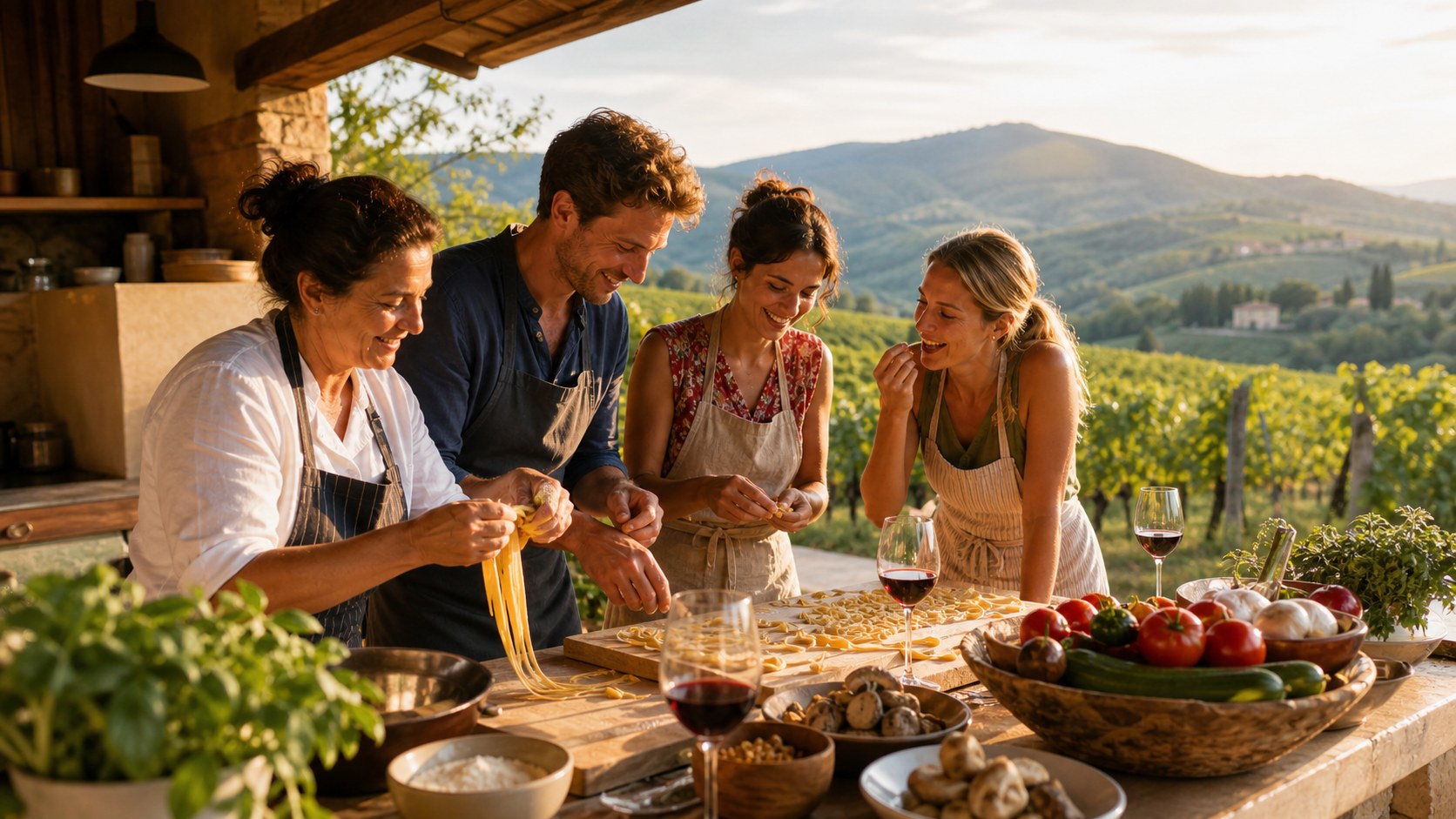
Eating well is wonderful, but participating creates a different kind of memory. A cooking class, harvest day, market walk, or fishing village lunch gives travelers a role in the food story rather than leaving them only as diners.
The best culinary experiences do not have to be complicated. Learning to fold dumplings, shape pasta, grind spices, taste cheese, or brew tea can stay with you because the body remembers what the hands learned.
Market Mornings and Street-Food Nights
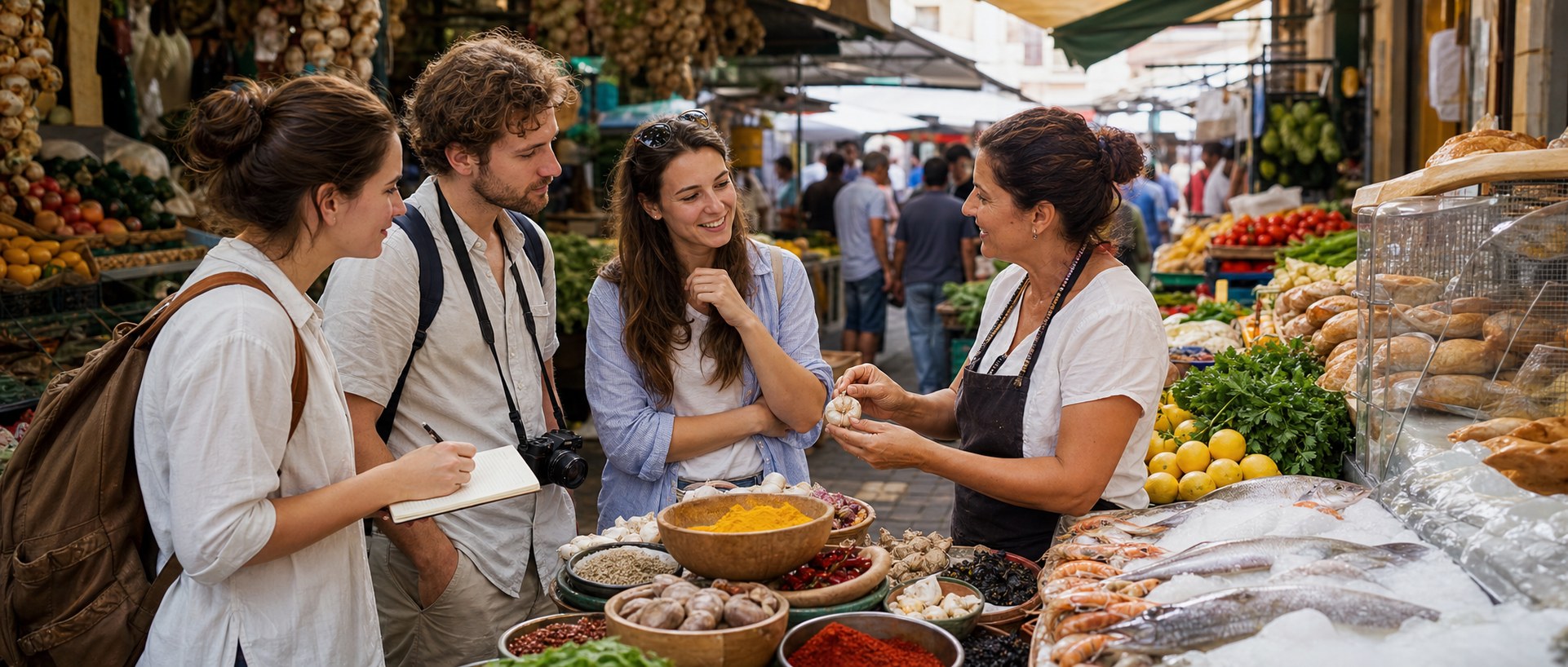
A food bucket list should include at least one early market morning. Markets reveal season, price, language, local habits, and the raw ingredients behind famous dishes. They also reward travelers who arrive before the day becomes performative.
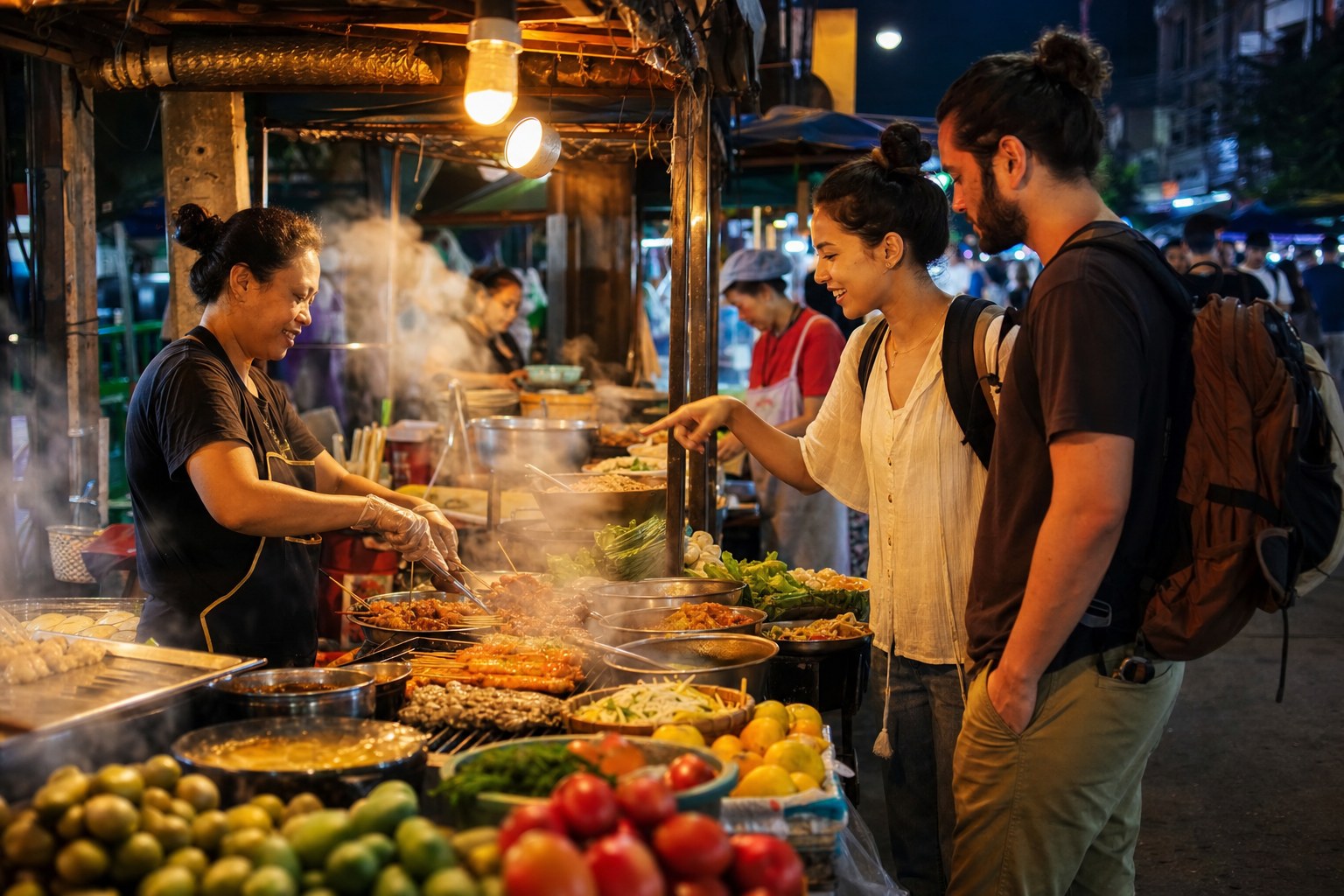
Street-food nights offer a different energy. Bangkok, Taipei, Mexico City, Istanbul, Singapore, and Marrakech show how public eating can become a form of city life. Go slowly, share dishes, and watch what locals order.
The point is not to eat everything. It is to understand how a place feeds itself when the meal is not staged.
Cooking Classes With Real Context
A great cooking class is not only a recipe lesson. It explains ingredients, substitutions, family variations, tools, and why a dish matters. The best classes often begin in a market or garden, then move into a kitchen where the pace allows questions.
Look for small groups, local instructors, hands-on participation, and menus that match the region. A class that teaches one or two dishes deeply can be better than a crowded session rushing through a long menu.
Cooking abroad is also a reminder that technique travels imperfectly. Your home kitchen may not have the same flour, heat, herbs, or water. That is part of the lesson, not a failure.
Harvests, Farms, Vineyards, and Fishing Villages
Ingredient journeys can be extraordinary: olive harvest in the Mediterranean, tea picking in Asia, truffle hunting in Italy or Croatia, coffee farm visits in Colombia or Costa Rica, oyster tasting on a cold coast, or wine harvest in a vineyard region.
These experiences work best when they are respectful of labor. A harvest is not just a rustic photo opportunity. It is someone's work, often shaped by weather, economics, and tradition. Choose hosts who explain that reality honestly.
Iconic Meals and Tasting Trips
Some meals are worth planning around: sushi in Tokyo, pintxos in San Sebastián, mole in Oaxaca, ceviche in Lima, barbecue in Texas or the Carolinas, tagine in Morocco, seafood in Sicily, or ramen in Sapporo. The dish is the entry point, but the setting completes it.
Tasting trips should be paced with care. Wine, whisky, mezcal, coffee, chocolate, cheese, and olive oil are richer when there is time to compare, rest, and ask questions. Too many tastings in one day blur the senses.
Making the Bucket List Personal
A culinary bucket list should reflect how you actually enjoy food. Some travelers want markets and street stalls; others want farms, pastry, wine, or restaurants. The strongest list is specific enough to guide real trips.
Build the list by season and region. A fall harvest trip, spring market journey, winter comfort-food weekend, or summer seafood route can make timing part of the pleasure.
The best food experiences change the way you eat later. You come home with a recipe, a technique, a question, or a new respect for something you used to rush.
Food festivals can be part of the bucket list, but they should be chosen for meaning rather than size alone. A small regional festival centered on one ingredient may teach more than a massive event where food becomes secondary to crowds.
Home dining experiences deserve careful selection. When done ethically and transparently, they can create rare insight into family cooking and hospitality. Travelers should use reputable platforms or local connections and respect boundaries around privacy.
A culinary list also benefits from skill progression. Take a beginner cooking class before a serious regional workshop, learn basic wine tasting before a harvest trip, or study a cuisine's staples before traveling. Preparation makes the experience deeper.
Balance hands-on experiences with meals where someone else simply cooks beautifully for you. Participation is memorable, but receiving hospitality is also part of food travel. Let some meals be pure pleasure.
Consider building trips around a question. How does fermentation shape a region? What does breakfast reveal? How does street food change after dark? A question gives the itinerary coherence without making it rigid.
The best culinary bucket lists are generous. They include humble dishes, grand meals, messy markets, patient teachers, and flavors that do not immediately make sense. Curiosity matters more than prestige.
When a food experience is truly worth taking, it leaves you with a sensory memory and a human one. You remember the smell of the pan, but also the person who showed you when to turn down the heat.
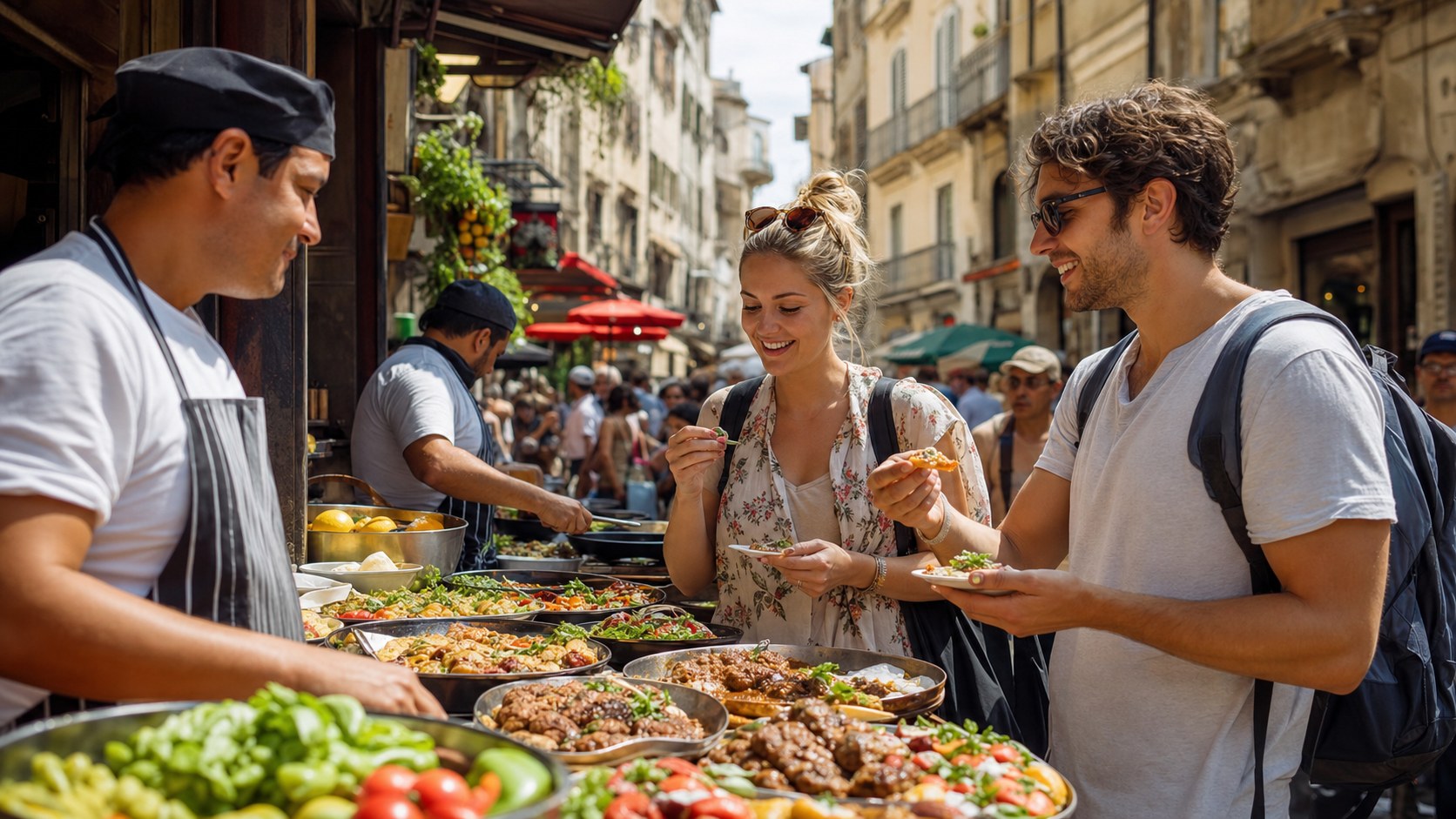
One more useful bucket-list category is the food walk: a self-guided or guided route through several small stops that together explain a neighborhood. A bakery, spice shop, snack counter, market stall, and casual bar can create a fuller picture than one elaborate meal.
A strong culinary bucket list should leave room for return trips. Some cuisines are too deep for one visit, and the second journey often tastes better because the traveler arrives with context. Repeating a place can be a sign of devotion, not lack of imagination.
A culinary bucket list should include one low-cost experience that proves memorable food does not require ceremony. A perfect bowl of noodles, a market fruit, a bakery roll, a ferry snack, or a late-night skewer can become the bite that defines the trip. Price and meaning are not the same thing.
It should also include one experience where you slow down with a single ingredient. Taste several olive oils, compare teas, learn varieties of corn, or notice how different apples change cider. Focusing narrowly can make a cuisine feel larger because the details finally come into view.
Travelers can make the list stronger by connecting food to a route. Instead of flying into one city for isolated meals, follow a cheese trail, wine road, spice coast, coffee region, or seafood shoreline. Movement through a food landscape creates a story with beginning, middle, and end.
The list remains alive when it is edited after every trip. Some ideas will lose their appeal, and new ones will appear because a guide, cook, or vendor mentioned them. Let the bucket list be a conversation with your appetite rather than a fixed contract.
Another bucket-list experience worth adding is a regional breakfast crawl. Breakfast is where habit, climate, and workday rhythm show up clearly. Pho in Vietnam, congee in Hong Kong, menemen in Turkey, chilaquiles in Mexico, dim sum in Guangzhou, or a bakery morning in France can teach as much as dinner.
Add one experience where you learn from a producer rather than a chef. Farmers, fishers, cheesemakers, millers, brewers, and growers often explain flavor from the ground up. Their perspective makes the finished dish feel less like a product and more like the end of a long chain of decisions.
A serious culinary list should include one mistake-friendly class. Travelers sometimes avoid hands-on cooking because they do not want to look clumsy. That clumsiness is part of the value. Kneading badly, folding unevenly, or seasoning cautiously makes the lesson more memorable than watching an expert do everything.
Include one food experience that challenges your usual idea of luxury. It might be standing at a noodle counter, eating grilled fish with your hands, sitting on a plastic stool, or sharing a farm table. Culinary travel becomes richer when comfort expands beyond formal service.
A good list should also include one sweet experience. Dessert traditions carry celebration, childhood, religion, season, and trade history. Pastry, shaved ice, gelato, mochi, halva, churros, baklava, or tropical fruit can reveal a place through pleasure rather than spectacle.
The best bucket-list food experiences are not isolated from the rest of the day. A morning market makes lunch taste different; a vineyard walk changes the glass of wine; a bakery queue explains the neighborhood. Connect the experience to its surroundings and it becomes travel, not just consumption.
A culinary bucket list should include one experience built around fire. Barbecue, yakitori, tandoor breads, wood-fired pizza, grilled sardines, open-fire asado, or smoky eggplant all show how heat shapes flavor and gathering. Fire-based cooking often comes with sound, smell, patience, and a social rhythm that is hard to capture in a normal restaurant meal.
It should also include one experience built around fermentation. Sourdough, miso, kimchi, cheese, wine, beer, fish sauce, soy sauce, pickles, vinegar, and cacao all reveal time as an ingredient. Visiting producers or taking a fermentation class can change how travelers understand patience, preservation, and depth.
A pastry or bread pilgrimage deserves a place on the list. Bakeries teach early-morning discipline, regional flour, butter, ovens, and daily habit. Croissants in Paris, pastel de nata in Lisbon, sourdough in San Francisco, cardamom buns in Scandinavia, or flatbreads across the Middle East can anchor an entire morning of travel.
Seafood experiences are especially tied to place. Eating oysters near the beds, grilled fish on an island, ceviche on a Pacific coast, lobster in a harbor town, or sardines during a coastal festival connects taste to water, weather, and work. Freshness is not only a quality; it is a geography lesson.
A good bucket list should include one beverage experience that is not rushed. Tea in Taiwan or Japan, coffee in Colombia or Ethiopia, wine in Georgia or Italy, mezcal in Oaxaca, whisky in Scotland, or chocolate in Ecuador can teach agriculture, craft, and ceremony. The goal is not quantity. It is attention.
Travelers should also add one meal that requires a reservation and one that cannot be reserved at all. This balance keeps the list from becoming too polished. A serious tasting menu can show technique and ambition, while a street stall, bakery counter, or family-run lunch place can show daily trust.
Food experiences are better when travelers know their limits. Not every bucket-list item needs to be eaten in one trip, and not every tasting needs to be finished. Appetite, digestion, and curiosity all fade when pushed too hard. Leave space for the next bite to matter.
Consider documenting the list through notes rather than only photos. Write down the smell, texture, host's advice, ingredient name, or mistake you made while cooking. Those details bring the experience back more vividly than another overhead plate shot.
A culinary bucket list is also a way to learn humility. You may discover that a dish you thought you knew is completely different in its home region. You may learn that the 'authentic' version varies by family, town, season, or religion. Good food travel makes certainty softer.