Where Food Becomes the Reason to Travel
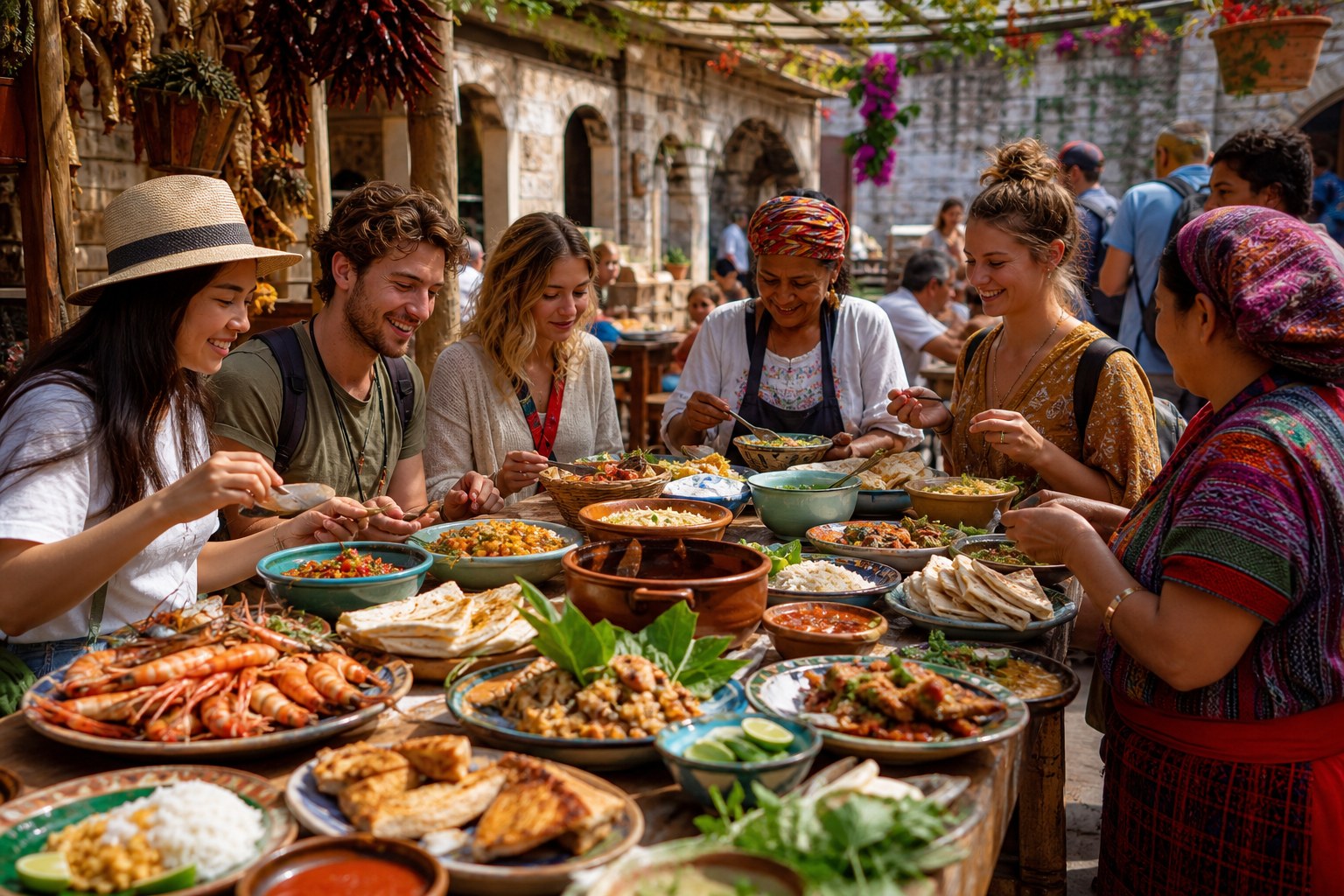
The best food destinations in the world are places where meals reveal more than flavor. They show geography, migration, farming, family routines, street life, climate, religion, celebration, and memory. Food lovers often travel for a famous dish, then discover that the deeper pleasure is learning how a city eats across the whole day: breakfast markets, bakeries, lunch counters, late dinners, festivals, and quiet neighborhood spots. A great culinary destination should feed curiosity as much as appetite.
A: Tokyo, Mexico City, Bangkok, Lima, Istanbul, Paris, and Singapore are excellent depending on your style.
A: Book hard-to-get meals early, but leave space for markets and casual finds.
A: They are worth it when the guide adds cultural and neighborhood context.
A: Look for local customers, focused menus, fair prices, and recent thoughtful reviews.
A: Choose busy stalls with high turnover and visible cooking practices.
A: One anchor food experience per day is usually enough.
A: Yes, but research, translation cards, and direct communication are important.
A: It means traveling around local produce, seafood, spices, wine, farms, and seasonality.
A: Only respectfully, and ask before photographing people directly.
A: The mix of flavor, place, people, rhythm, and stories behind the meals.
How to Judge a Great Food Destination
A strong food destination has depth. It offers more than one signature dish and more than a handful of famous restaurants. Markets, home-style cooking, regional specialties, bakeries, street stalls, wine bars, farms, seafood docks, and casual counters all matter.
The best places also make food easy to encounter. You should not need only luxury reservations to eat well. A city where ordinary meals are good often teaches more than a place where culinary excellence hides behind a few difficult bookings.
Street Food Cities With Everyday Energy
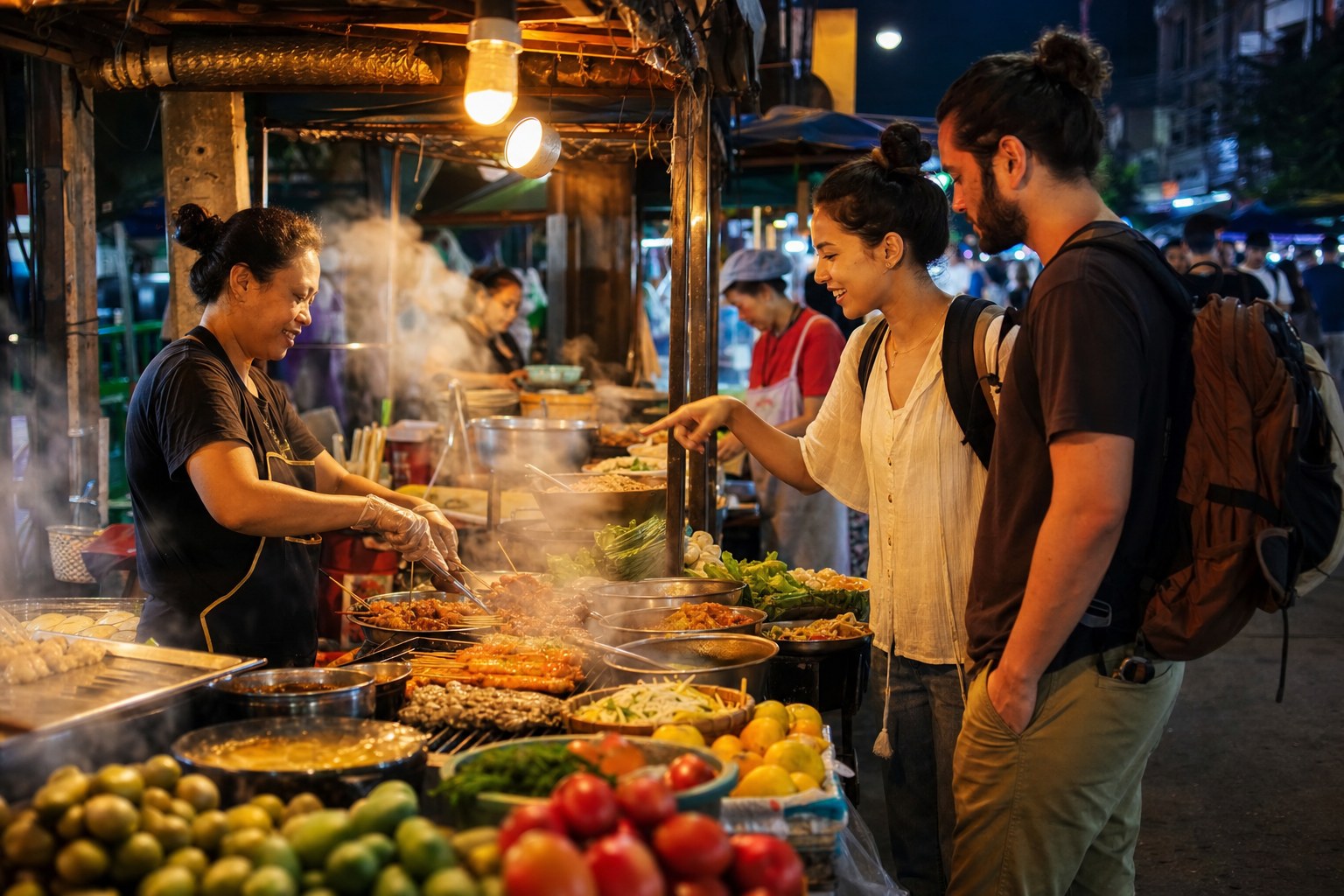
Bangkok, Mexico City, Istanbul, Taipei, Marrakech, Singapore, and Ho Chi Minh City are famous because food lives in public. Stalls, carts, markets, and small shops turn eating into a way of moving through the city. A traveler can taste deeply without making every meal formal.
Street food rewards observation. Look for turnover, local customers, focused menus, and vendors who specialize. The best stall may not be the one with the longest online list; it may be the one doing one dish with confidence.
Go slowly. A food destination is not a race to consume every recommendation before checkout.
Restaurant Capitals and Reservation Trips
Paris, Tokyo, Lima, Copenhagen, San Sebastián, New York, and Barcelona attract food lovers who want restaurants to be part of the itinerary. These cities can offer technical cooking, tasting menus, wine programs, and neighborhood bistros or bars that feel equally memorable.
Reservation planning matters, but it should not crowd out spontaneity. Leave room for bakeries, markets, cafés, and simple meals. The contrast between a carefully booked dinner and an unplanned lunch can make the trip feel richer.
Food lovers should also consider dining culture. Meal times, tipping, pacing, counter seating, and ordering customs shape comfort as much as the menu.
Regions Where Ingredients Lead
Some destinations are best understood through ingredients. Tuscany, Provence, Oaxaca, Hokkaido, Kerala, Sicily, the Basque Country, and coastal Peru all connect food to land and water in visible ways. Olive oil, chiles, seafood, rice, dairy, spices, wine, and produce become part of the travel story.
Ingredient-led travel often works well outside major cities. Farm lunches, fishing villages, vineyards, cheese makers, spice markets, and small-town bakeries can be more memorable than another famous dining room.
Eating Respectfully and Well
Food travel requires humility. Learn basic etiquette, ask before photographing people, respect religious or cultural food rules, and avoid treating unfamiliar dishes as dares. Curiosity is welcome when it is paired with respect.
A good food traveler supports local businesses beyond the most viral spots. Eat in neighborhoods, tip where appropriate, book local guides, and remember that food traditions are daily life for someone else, not only entertainment for visitors.
Allergies and dietary restrictions should be planned carefully. Translation cards, research, and honest communication protect both safety and pleasure.
Building a Food-Focused Itinerary
Plan around rhythm. Markets often happen early, bakeries have peak hours, lunch may be the main meal, and some restaurants close on unexpected days. Food destinations are easier when the itinerary follows local timing instead of fighting it.
Choose one anchor meal or food experience per day, then let the rest breathe. A cooking class, market tour, tasting menu, seafood lunch, or festival evening can shape the day without turning every hour into a reservation.
The best food destinations leave you with new cravings and better questions. You return home not only remembering what you ate, but understanding a little more about why it tasted that way there.
Food lovers should also think about season. Tomatoes, truffles, oysters, mangos, mushrooms, olive oil, wine harvests, and seafood all have windows when they taste different. Traveling for an ingredient at the right time can make a familiar destination feel newly alive.
Guides can be valuable when they add context rather than simply moving guests from bite to bite. A strong culinary guide explains neighborhoods, migration, farming, language, and etiquette. That knowledge turns eating into cultural understanding.
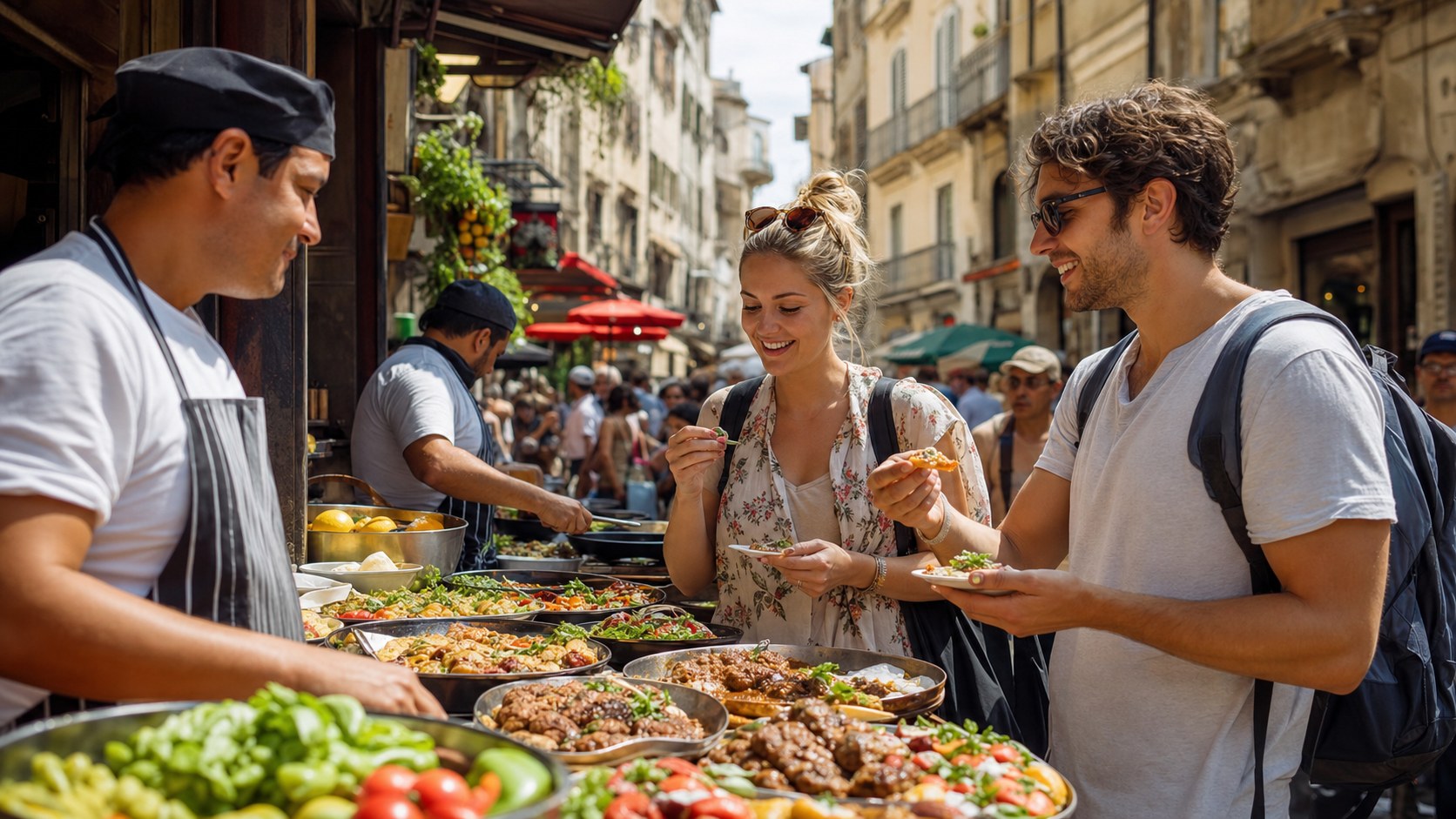
Balance famous dishes with ordinary meals. A destination may be known for ramen, tacos, pintxos, curry, pastry, or ceviche, but breakfast, snacks, and simple home-style plates often reveal how locals actually eat.
Do not overbook dinner every night. Food fatigue is real, especially with tasting menus, wine pairings, and long walks between stops. Leave a night for soup, fruit, noodles, or whatever your body asks for after several ambitious meals.
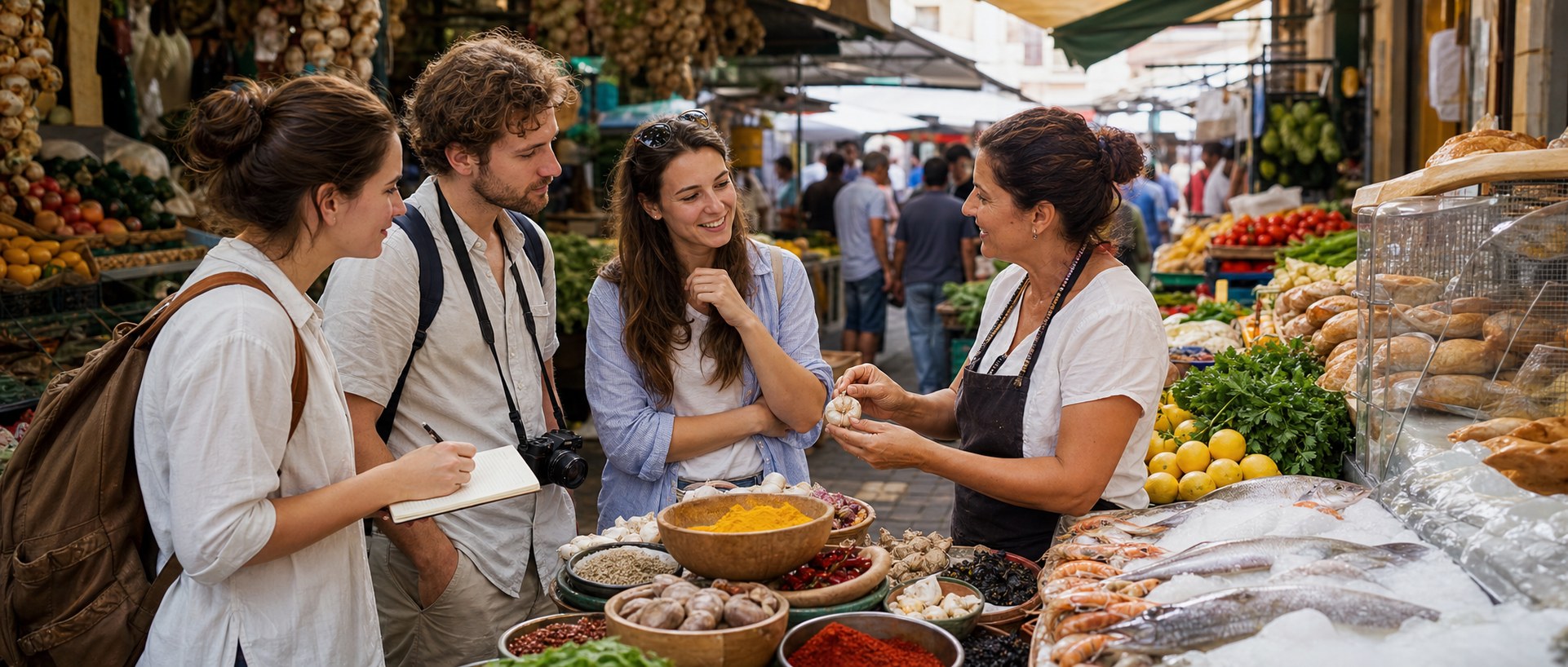
Markets are useful even when you do not cook. They show what is in season, how people shop, which ingredients matter, and how vendors talk with regulars. Walk through respectfully, buy something small, and treat the place as more than a photo set.
The best food destination for you may depend on how you like to eat. Some travelers love street stalls and standing counters; others prefer long lunches, wine regions, bakeries, seafood shacks, or fine dining. Let your appetite be specific.
A great culinary trip changes how you taste at home. You may notice better bread, use herbs differently, seek out a regional restaurant, or cook one dish with more patience. That aftertaste is part of the journey.
Food destinations also have emotional texture. Some are exuberant and loud, with markets spilling into streets. Others are quiet, precise, and built around restraint. Knowing which style energizes you helps choose the right trip. A traveler who wants grazing and noise may love one city; a traveler who wants slow lunches and wine roads may love another.
Cooking schools and short classes can deepen a destination even when you are not a serious cook. Learning why a sauce breaks, how dough should feel, or when rice is ready changes how restaurant meals taste afterward. Technique gives the traveler a private doorway into the cuisine.
Food lovers should leave space for conversation. Ask vendors what is seasonal, ask servers what they eat after work, and ask guides which dish they miss when away from home. Those answers often lead to better meals than search results alone.
A destination becomes truly great when food is not sealed away from the rest of culture. Architecture, weather, markets, family schedules, farms, ports, and nightlife all show up on the plate. The more connections you notice, the more memorable every bite becomes.
Food destinations also reveal themselves through breakfast. Morning meals are often less performative than dinner and more connected to routine: soup, bread, rice, pastry, fruit, coffee, eggs, noodles, or leftovers transformed into something new. A traveler who skips breakfast culture misses one of the most honest windows into local life.
A good food trip should include both planned and accidental meals. Planned meals provide structure and access to famous places, while accidental meals provide surprise. The small counter you enter because it smells right may become the story you tell more often than the restaurant that required a deposit.
Learning the geography of a cuisine deepens the trip. Mountain food, coastal food, river food, island food, border food, and capital-city food often differ within the same country. Food lovers who ask where a dish comes from begin to see the destination as a network rather than a single menu.
Culinary travel also asks for stamina management. Rich meals, long walks, alcohol, heat, and late nights can accumulate quickly. Schedule lighter meals and quiet afternoons so appetite stays alive. A tired palate makes even excellent food feel like an obligation.
Food souvenirs should be chosen thoughtfully. Spices, tea, chocolate, oil, vinegar, cookbooks, ceramics, or shelf-stable condiments can bring a destination home, but only if customs rules allow them and you will actually use them. The best souvenir changes an ordinary meal months later.
The strongest food destinations are generous to different budgets. A traveler can eat memorably from markets and bakeries, splurge on one important dinner, and still understand the place. Culinary travel should not be limited to the table with the highest bill.
Food destinations are often strongest when they have a recognizable daily rhythm. In some places that rhythm begins with coffee and pastry, moves through a market lunch, pauses in the afternoon, and returns to life at dinner. In others, breakfast soup, street snacks, and late-night stalls define the day. Understanding that rhythm helps travelers eat with the city rather than against it.
The best food cities also reward repeat meals. A traveler may try three bakeries, several noodle shops, or multiple taco stands and begin noticing difference inside a category that first seemed simple. Repetition is not boring when it sharpens attention. It teaches texture, broth, spice, dough, smoke, and the small decisions that make one version distinct from another.
Neighborhood choice matters. Staying near a food market, transit line, bakery district, or evening dining area can shape the whole trip. If every good meal requires a long ride, food becomes an errand. A well-chosen base lets travelers follow appetite naturally, return for rest, and discover ordinary places between planned meals.
Food lovers should learn a few ordering customs before arrival. Counter service, shared tables, standing bars, tasting-menu deposits, market bargaining, tipping, and meal times vary widely. Knowing the basics reduces awkwardness and shows respect. It also makes it easier to accept hospitality without turning every interaction into a puzzle.
A destination's drinks can be part of its food identity even for travelers who avoid alcohol. Tea, coffee, chocolate, fresh juices, broths, drinking vinegars, herbal infusions, and mineral waters all reveal local habits. Paying attention to what people drink between meals can open a quieter layer of culinary culture.
Food travel should include texture, not only flavor. Crisp bread crusts, slippery noodles, tender dumplings, charred edges, flaky pastry, chewy rice cakes, and cold seafood all create memory through the body. A destination becomes more vivid when travelers notice how food feels as well as how it tastes.
Some of the best food destinations are not capital cities. Smaller regions may offer deeper access to one cuisine, ingredient, or tradition. A cheese valley, fishing island, spice coast, barbecue town, wine village, or bakery region can deliver a more focused culinary trip than a famous city with too many choices.
Responsible food travel also means noticing who benefits. Choose local restaurants, family businesses, market vendors, and guides with strong community relationships. Viral food tourism can overwhelm small places when visitors chase one dish without regard for neighborhood life. A good food lover wants the destination to keep eating well after the trip ends.
Leave room for surprise dishes. A traveler may arrive for sushi and remember a convenience-store breakfast, arrive for pasta and remember beans, or arrive for tacos and remember a fruit sprinkled with chile. The dishes that were not on the list often become the ones that make the place feel real.