Where Street Food Becomes the Pulse of a City
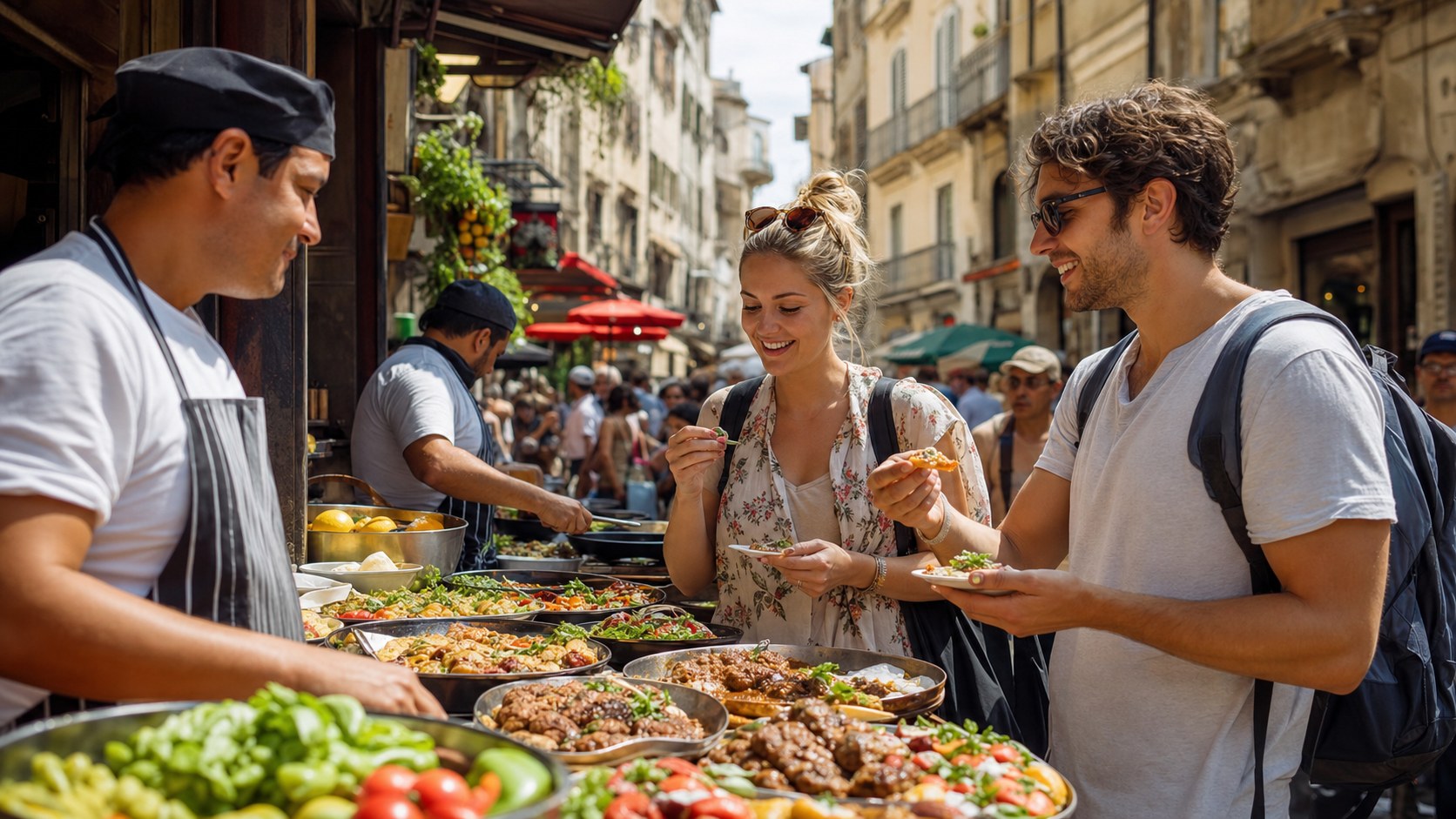
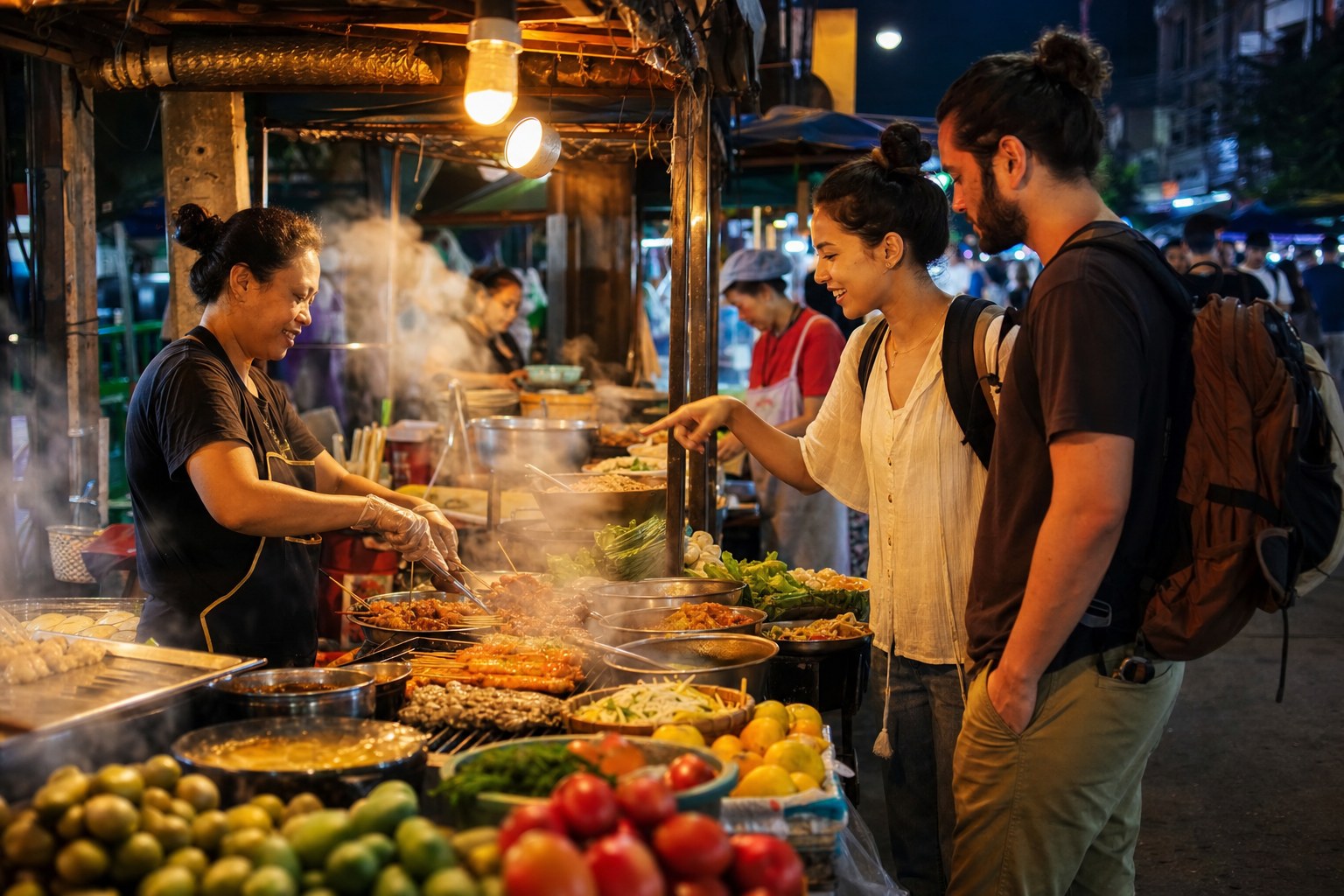
The best street food cities are not defined only by famous dishes. They are places where quick meals carry the rhythm of workdays, nightlife, migration, climate, and neighborhood routine. A skewer, taco, dumpling, noodle bowl, or pastry can say a great deal when it is eaten in the place that shaped it. Street food rewards travelers who arrive hungry, observant, and patient enough to let the city teach them how people actually eat.
A: Singapore, Taipei, Osaka, and Bangkok can be approachable because options are visible, varied, and well established.
A: Look for steady local demand, focused menus, hot cooking, clean handling, and food that moves quickly.
A: It can be, especially at busy stalls with high turnover, but travelers should still observe cleanliness and water concerns.
A: A guide is useful early in complex cities where language, neighborhoods, and ordering norms may be confusing.
A: Four to six small tastings can be plenty, especially if dishes are rich or the evening is hot.
A: Small cash, water, hand wipes, allergy notes, and a comfortable bag are usually enough.
A: Sometimes, but shorter local lines at specialists can be just as rewarding.
A: Yes, when routes are short, seating is planned, spice levels are managed, and timing avoids the worst crowds.
A: Research milder dishes, ask before adding sauces, and avoid assuming all street food is fiery.
A: It combines flavor, movement, sound, smell, and daily routine in a compact travel moment.
Why Street food Travel Feels Different on the Ground
Street food travel becomes memorable when it moves beyond a list of famous stops and starts following daily life. In Bangkok, that might mean noticing when families eat, which stalls fill first, how vendors handle repeat customers, and what locals choose when they want comfort rather than performance. The best trips are built from these small observations. They help travelers understand why a dish belongs to a place, not only what it looks like on a plate.
For travelers who like movement and variety, the goal is not to become an instant expert. It is to travel with enough attention that meals feel connected to neighborhoods, seasons, and people. A good itinerary leaves room for wandering, asking simple questions, and trying something modest because it smells right or because a line is moving steadily. That kind of curiosity often teaches more than chasing one famous reservation.
How to Choose Places That Match Your Appetite
Start by matching the destination to the kind of eating day you actually enjoy. Some travelers want street stalls, quick snacks, and constant movement. Others want markets in the morning, a long lunch, and one carefully chosen dinner. Mexico City, Singapore, Istanbul can all work beautifully, but each rewards a different rhythm. The strongest choice is the place where your preferred pace and the local food culture can meet naturally.
Research should include more than lists of signature dishes. Look for market hours, holiday closures, neighborhood specialties, reservation norms, tipping customs, and whether late-night dining is common. If a destination depends heavily on seafood, harvests, festivals, or religious calendars, timing may shape the experience as much as the city itself. A flexible plan turns those details into advantages instead of surprises.
Markets, Neighborhoods, and Everyday Flavor
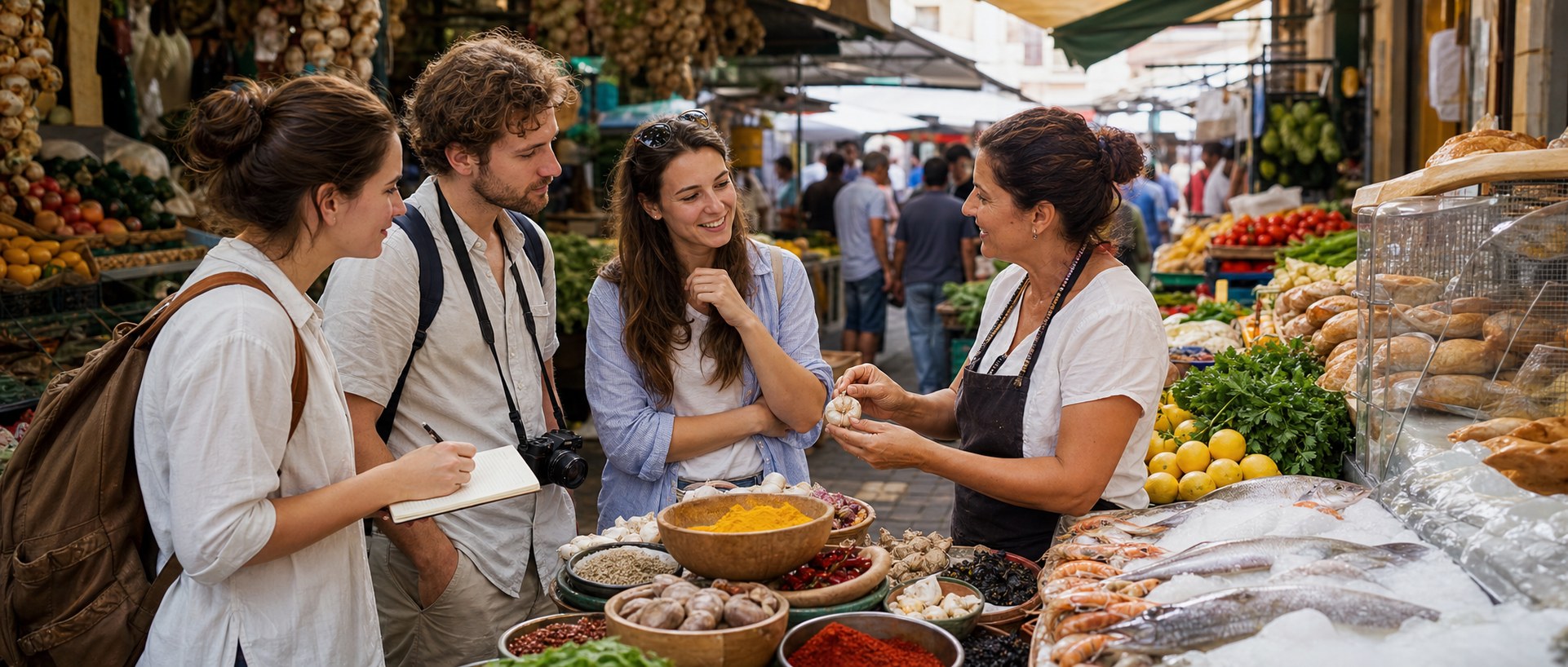
Markets are useful because they show food before it is transformed for travelers. Fruit, spices, fish, bread, pickles, noodles, cheeses, and prepared snacks reveal how a cuisine is stocked and staged. In many destinations, the most revealing hour is early, when vendors are setting out ingredients and regular shoppers are moving with purpose. It is less polished than dinner service, but it often feels closer to the food culture travelers came to understand.
Neighborhood eating can be just as important. A small bakery near a transit stop, a lunch counter beside an office district, or a family-run place away from the main square may carry a city more honestly than a famous dining room. Travelers should not treat these places as secrets to extract. Spend respectfully, wait your turn, avoid blocking locals for photos, and remember that ordinary meals are part of someone's daily life.
The best approach is to combine one or two researched anchors with open time nearby. Choose a market, a dish, or a trusted guide, then let the surrounding streets add texture. That balance keeps the trip from becoming either too random or too rigid. Food travel works best when there is a plan sturdy enough to prevent disappointment and loose enough to let appetite make a few decisions.
Guides, Classes, and Tastings That Add Context
A skilled guide can turn a meal into a map. They explain why ingredients appear together, which dishes belong to which region or season, and how migration, trade, faith, geography, and class have shaped the table. This matters because travelers often taste the final result without seeing the reasons behind it. Context does not make food less pleasurable; it makes pleasure more specific.
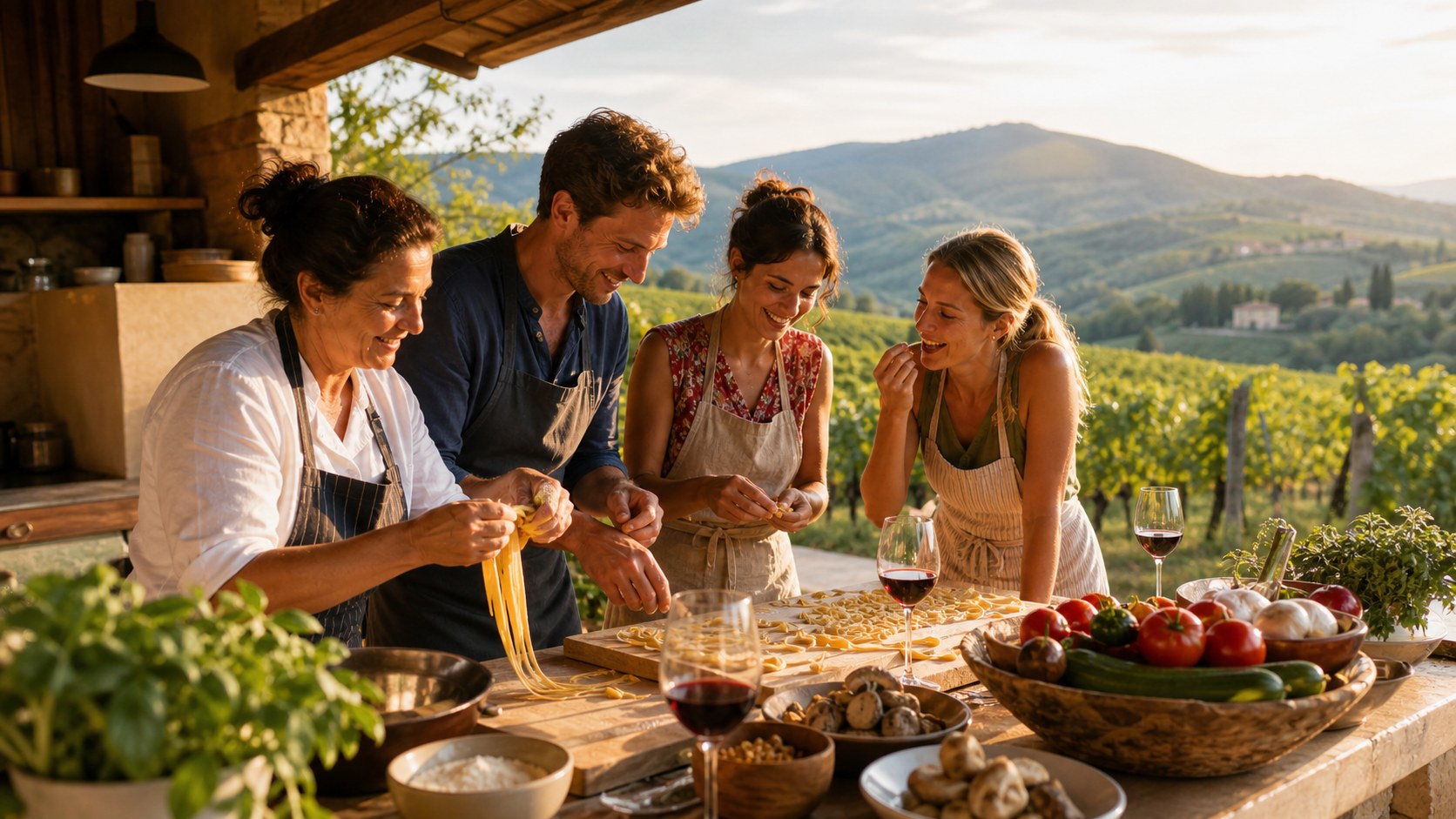
Classes and tastings are worthwhile when they include judgment, not only steps. Learning the feel of dough, the smell of properly toasted spices, the sound of a simmer, or the order in which condiments are added gives travelers a more durable memory than simply receiving a recipe. Look for hosts who welcome questions and explain local variation instead of presenting one version as the only authentic truth.
Planning Food Days Without Overdoing It
The easiest mistake is scheduling too many meals because every recommendation sounds important. A strong food day has contrast: something simple, something social, something exploratory, and enough walking or rest between them. A snack-led afternoon, a market dinner, and a quiet morning after late-night eating creates space for digestion and attention. Without that space, even excellent meals start to blur together and the trip becomes a checklist with sauces.
Hydration, sleep, and transit matter more than travelers expect. If the plan involves night markets, late dinners, wine tastings, or heavy seasonal dishes, keep the next morning lighter. If a market starts early, avoid making the previous night the biggest meal of the trip. Food tourism is still travel, and the body sets limits no itinerary can negotiate away.
Budget should also be distributed intentionally. A trip can mix humble breakfasts, market snacks, one splurge, and several neighborhood meals without feeling inconsistent. In fact, that range often makes the food story richer. The most expensive meal may be beautiful, but the memory that stays could be a warm pastry, a shared bowl, or a vendor who showed you how to add the final condiment.
How to Eat Respectfully While Traveling
Respect begins with the assumption that food is culture, work, and livelihood before it is content. Ask before photographing people closely, learn a few greetings, avoid mocking unfamiliar textures, and do not pressure vendors to perform for a camera. Curiosity is welcome in many places when it is patient and humble. Entitlement is noticed quickly, even when language is shared only partly.
Street food is still someone's workplace, so order clearly and avoid blocking the stall. Travelers should also be honest about allergies, alcohol preferences, dietary restrictions, and spice tolerance before a host has committed time and ingredients. Most food cultures have room for adaptation, but not every setting can adjust quickly. A little preparation prevents awkwardness and lets the experience stay generous for everyone involved.
A helpful way to compare destinations is to ask what the traveler can learn there in three meals. In Bangkok, one meal might show household comfort, another might show street energy, and a third might show ceremony or craft. When a place can teach through that range, it usually deserves more than a single passing meal.
Tacos, satay, roti, banh mi, kebabs, dumplings, noodles, pani puri, and grilled seafood should be treated as an entry point rather than a finish line. Famous dishes are famous for a reason, but their context matters. The same food can taste different at breakfast, beside a market, during a festival, or in a family-run restaurant where regulars order without studying the menu.
Street-food days work best when transit is simple and neighborhoods are clustered. Build food plans around neighborhoods instead of scattering reservations across the whole city. Travel time can quietly steal appetite, patience, and the pleasure of noticing what surrounds a meal. A compact day lets travelers walk, pause, and return to a place if something catches their eye.
First-time visitors should leave one meal unassigned every day. That open slot absorbs discoveries, delays, and changes in hunger. It also makes the trip feel less like an exam. Some of the best meals happen because a plan loosened at the right moment.
Language barriers are easier when travelers learn a few practical phrases and bring a translated note for allergies. Pointing can work in markets, but politeness still matters. Smile, wait, watch how others order, and keep transactions simple when the stall is busy.
Food safety is not about fear; it is about observation. Busy stalls, hot turnover, clean handling, and freshly cooked items are good signs. Raw garnishes, lukewarm trays, and uncertain water sources deserve more caution. Travelers can be adventurous while still using common sense.
Weather changes appetite. Hot destinations may reward breakfasts, fruit, cold drinks, and late dinners, while colder places invite stews, bakeries, markets with warm counters, and slower lunches. A good itinerary works with climate instead of pretending hunger is the same everywhere.
Souvenirs are best when they are legal to carry, easy to pack, and connected to something learned. Spices, tea, chocolate, olive oil, salt, or local tools can keep the memory alive, but check customs rules before buying heavily. The most meaningful souvenir may be a new habit brought home.
Couples, families, and friend groups should discuss food priorities before arrival. One person may dream of markets while another wants quiet restaurants. Naming that early makes compromise easier and keeps meals from becoming small negotiations repeated three times a day.
Guided experiences should be chosen for teaching style, group size, and neighborhood knowledge. A generous guide explains why a stall matters, when a dish is usually eaten, and how locals would customize it. That context helps travelers keep eating independently after the tour ends, which is the real value of a well-run introduction.
Reservations should be treated as anchors, not as the entire structure of the trip. One special booking can give shape to an evening, but too many fixed meals can remove the freedom that makes culinary travel lively. The best food days often blend one confirmed plan with several lower-pressure chances to follow scent, timing, and local advice.
Travelers should also notice who is missing from a polished food district. If every menu, price, and table seems built only for visitors, the food may still be enjoyable, but it will not tell the whole story. A stronger itinerary includes at least one ordinary neighborhood where people are eating between work, errands, school, and home.
Seasonality can turn an already good destination into a remarkable one. Harvests, seafood runs, religious celebrations, fruit seasons, mushroom weeks, olive pressing, and wine production all change what appears on tables. Planning around one seasonal element gives the trip a clearer flavor and keeps the destination from feeling interchangeable.
A final meal is worth choosing carefully. It does not need to be the grandest restaurant, but it should gather the trip's best threads: a neighborhood you liked, an ingredient you came to understand, or a style of hospitality that made the place feel welcoming. Ending with intention helps the food memories settle instead of fading into airport logistics.
Food travelers also benefit from recording details while they are fresh. A quick note about the neighborhood, the ingredient, the host, or the way a dish was eaten can be more useful than dozens of photos. Those notes help the experience remain personal, especially when several meals later start to blend together.
Finally, remember that not every culinary lesson is dramatic. Sometimes the most useful discovery is breakfast timing, how bread is used at the table, why a sauce is served on the side, or which drink locals choose with a snack. Small habits often explain a place more gently than famous dishes do.