Peace Can Be the Shape of the Whole Destination
A peaceful wellness vacation does not have to take place inside a scheduled retreat. Some destinations make restoration possible through their ordinary rhythm: walkable hot-spring towns, forest paths, quiet coastlines, public baths, local food, and landscapes that reward lingering rather than racing between attractions. The strongest choices also let travelers control the intensity of the trip. A morning hike can be followed by a long lunch; a thermal soak can replace another sightseeing stop; a small town can become the base instead of a place visited for two hours. The destinations below are selected for different versions of calm, from Japanese onsen culture and Icelandic geothermal pools to Slovenian lakes, Portuguese islands, Canadian rainforest, and Mediterranean villages. The best match depends on climate, access, mobility, budget, and the kind of quiet that actually feels restorative.
A: A walkable thermal town or lakeside region offers easy structure without a formal program.
A: No; a calm neighborhood with parks and public transit may be easier to enjoy.
A: Five to seven nights allows several slow days after arrival.
A: Yes, when nature, swimming, and flexible meals replace enforced silence.
A: Baths, cafés, museums, and reading time should already belong in the plan.
A: Health conditions, pregnancy, medications, and heat tolerance may require medical advice.
A: Only when it expands calm access more than it adds navigation and parking stress.
A: Travel off peak, stay overnight, and visit famous places outside day-trip hours.
A: Limited lodging and one priority experience, not every hour.
A: Bringing home a repeatable rhythm rather than a suitcase of wellness products.
Kinosaki and Japan’s Mountain Onsen Towns
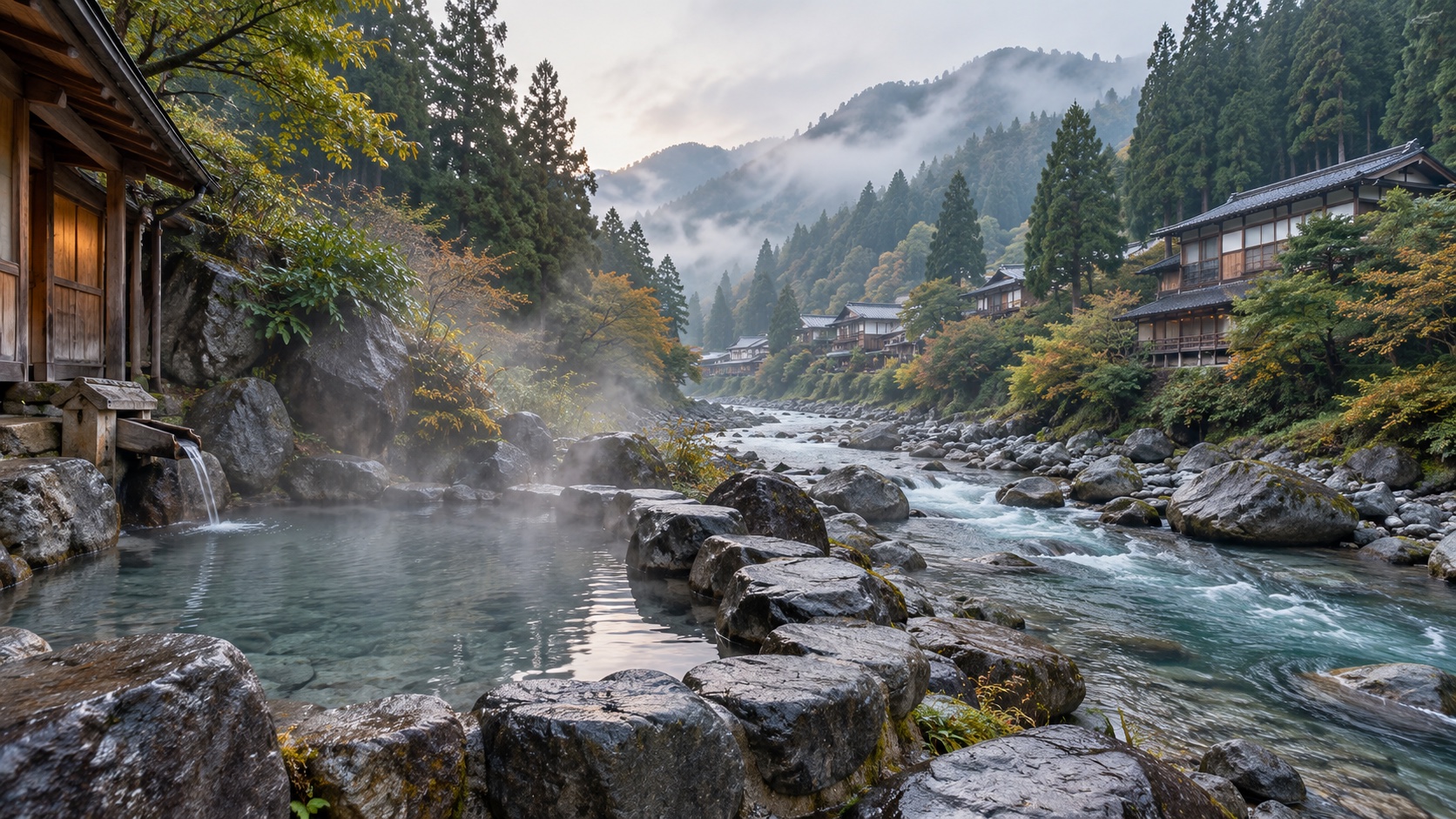
Japan’s onsen towns are built around a slow sequence of bathing, walking, eating, and sleeping. Kinosaki is especially easy to understand because guests move between public bathhouses in a compact town, but mountain destinations across Tohoku, Kyushu, the Japanese Alps, and other regions offer their own landscapes and water traditions. A ryokan stay can reduce daily decisions through set meals, prepared bedding, and clear bathing routines.
Learn etiquette before entering a shared bath, including washing first, keeping towels out of the water, and checking policies that may affect tattoos. Heat tolerance varies, and a longer soak is not automatically more restorative. The quiet pleasure lies in repeating the ritual, strolling beside a river, and noticing seasonal food rather than trying to visit every bath in one evening.
Lake Bohinj Slovenia for Water and Alpine Space
Lake Bohinj offers a calmer alternative to faster-moving alpine itineraries. Forest, clear water, mountain paths, and small settlements create days that can expand or contract with energy. Travelers can walk the shoreline, paddle in suitable conditions, ride local transport toward trailheads, or simply watch weather cross the Julian Alps. Nearby Lake Bled is beautiful but usually busier, making Bohinj a stronger base for those prioritizing quiet.
The lake remains a real mountain environment. Water may be cold, weather can change, and popular summer periods still bring visitors.
Choose lodging where meals and paths are accessible without long daily drives. A single cable-car outing or longer hike can add perspective, but the destination works best when the shoreline itself is enough.
São Miguel Azores for Geothermal Greenery
São Miguel combines volcanic lakes, warm pools, hydrangea-lined roads, ocean views, and deep green pasture. Furnas is a natural wellness base because geothermal activity shapes baths, gardens, and local cooking. Elsewhere on the island, coastal viewpoints and short trails allow movement without the complexity of a multi-island itinerary. The climate keeps the landscape vivid and also makes rain part of the experience. A rental car provides flexibility, though narrow roads and changing visibility can add stress. Travelers who prefer simplicity can stay near a town and book a few transfers. Follow current rules for thermal pools, rinse swimwear because mineral water can stain, and keep weather alternatives. The Azores reward acceptance: clouds may hide a crater lake, then open suddenly during an otherwise ordinary walk.
Iceland’s Regional Geothermal Towns
Iceland offers geothermal wellbeing beyond its most famous commercial lagoons. Municipal pools, regional baths, and small coastal towns make soaking part of daily life. Pairing one region with short walks, cafés, and unhurried drives creates a very different trip from racing around the Ring Road. North Iceland, the Westfjords, and quieter southern bases can all support this approach when road conditions cooperate.
Weather and distance should shape the plan honestly. Strong wind can make driving tiring, and winter daylight reduces the useful touring window. Choose a base with several nearby options and respect pool showering customs. A peaceful Iceland vacation may contain fewer celebrated landmarks, but it allows hot water, cold air, conversation, and landscape to become a routine rather than a checklist.
Tofino Canada for Rainforest and Pacific Weather
Tofino sits beside temperate rainforest and the open Pacific on Vancouver Island. Beach walks, cedar forest, quiet paddling, storm watching, and local wellness services make it a strong destination for travelers who relax through weather and nature. The official tourism organization also acknowledges the region’s location within the traditional territories of the Tla-o-qui-aht and Ahousaht First Nations, an important context for visiting respectfully. Rain is not an interruption here; it is part of the coast. Pack waterproof layers and choose lodging where a wet afternoon still feels comfortable. Ocean conditions are powerful, and cold-water activities require suitable instruction and equipment. Because road access takes time, stay long enough to avoid turning the journey into a hurried weekend commute.
Yamanashi Japan for Forests Hot Springs and Fuji Views
Yamanashi provides a restorative mix of forests, fruit-growing landscapes, hot springs, lakes, and views toward Mount Fuji. It suits travelers who want access from Tokyo without remaining inside a major city. Forest walks, regional food, gardens, and baths can fill several days at an easy pace, while more active visitors can add a moderate hike.
Fuji visibility depends on weather, so avoid making one view the measure of success. Choose a town or inn whose immediate surroundings remain pleasant in cloud.
Check transport carefully because rural buses may be infrequent. Yamanashi works best when the mountain is a presence rather than a target and when the day has room for a second cup of tea after a walk.
Alentejo Portugal for Food Space and Small Towns
Portugal’s Alentejo region offers rolling agricultural landscapes, cork oak, whitewashed towns, vineyards, and long meals. The wellness value comes less from formal treatment and more from space, simple movement, and a slower relationship with food. A small-town base lets travelers explore local markets, historic streets, and countryside without the density of major coastal cities.
Summer heat can overwhelm walking and sleep, so spring and autumn often suit a peaceful trip better. Driving may be useful, but keep daily distances short and avoid assigning a landmark to every hour. Select lodging with shade and an evening meal nearby. The region becomes restorative when travelers accept its pauses rather than treating them as empty time.
Finnish Lakeland for Sauna and Water
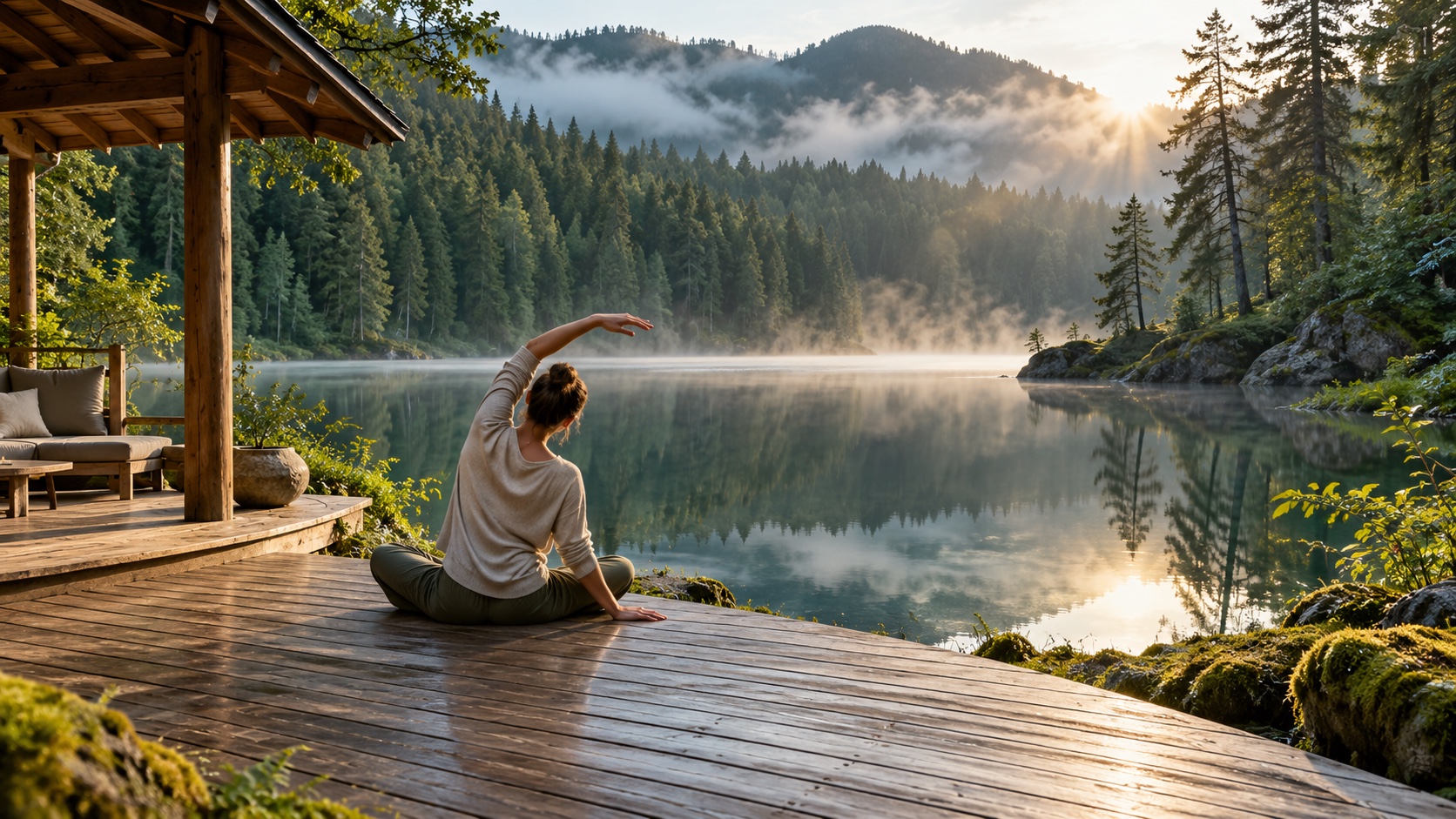
Finnish Lakeland pairs forests, cottages, clear water, and sauna culture. A simple stay can revolve around a morning paddle, reading by the shore, preparing food, warming in the sauna, and cooling according to personal comfort. The landscape is broad enough to create privacy without demanding strenuous activity. Long summer light and darker winter conditions produce entirely different experiences. Sauna etiquette and safe heating practices matter, especially in private cabins. Alcohol and extreme temperature changes increase risk. Confirm water access, transportation, insects, and the practical details of provisioning before selecting a remote property. Guests who need restaurants and staffed services may prefer a lakeside hotel or town rather than total isolation.
Sedona Arizona for Red Rock and Restorative Walking
Sedona’s red-rock landscape creates immediate visual drama, but a peaceful visit requires planning around traffic, heat, and popular trailheads. Early walks, shaded rest, and lodging within reach of quieter routes can produce spacious days. The destination also has a large wellness industry, allowing travelers to choose massage, yoga, or meditation without entering a fixed retreat.
Treat desert conditions seriously. Carry water, avoid exposed activity during dangerous heat, and stay on durable trails.
Marketing around spiritual transformation can be meaningful to some visitors and uncomfortable to others; no purchase is required to appreciate the landscape. Sedona is most restorative when the rocks are experienced through patient walking rather than a frantic tour of viewpoints.
South Korea for Bathhouse Culture and Mountain Parks
South Korea combines public bathing traditions, hot springs, urban convenience, and accessible mountain walking. A traveler can stay in a city with excellent transport, spend time in a jjimjilbang or oncheon, and take a day hike without managing remote logistics. This makes the country a good choice for people who find complete isolation more stressful than calming. Bathhouses differ in layout and rules, so read guidance and observe local behavior. Some spaces are highly social rather than silent. Choose neighborhoods that reduce commuting and allow repeat visits to a park or café. Peace can come from competence within a functioning city: knowing the subway route, finding a familiar breakfast, and ending the day in warm water.
Mediterranean Islands Beyond the Busiest Ports
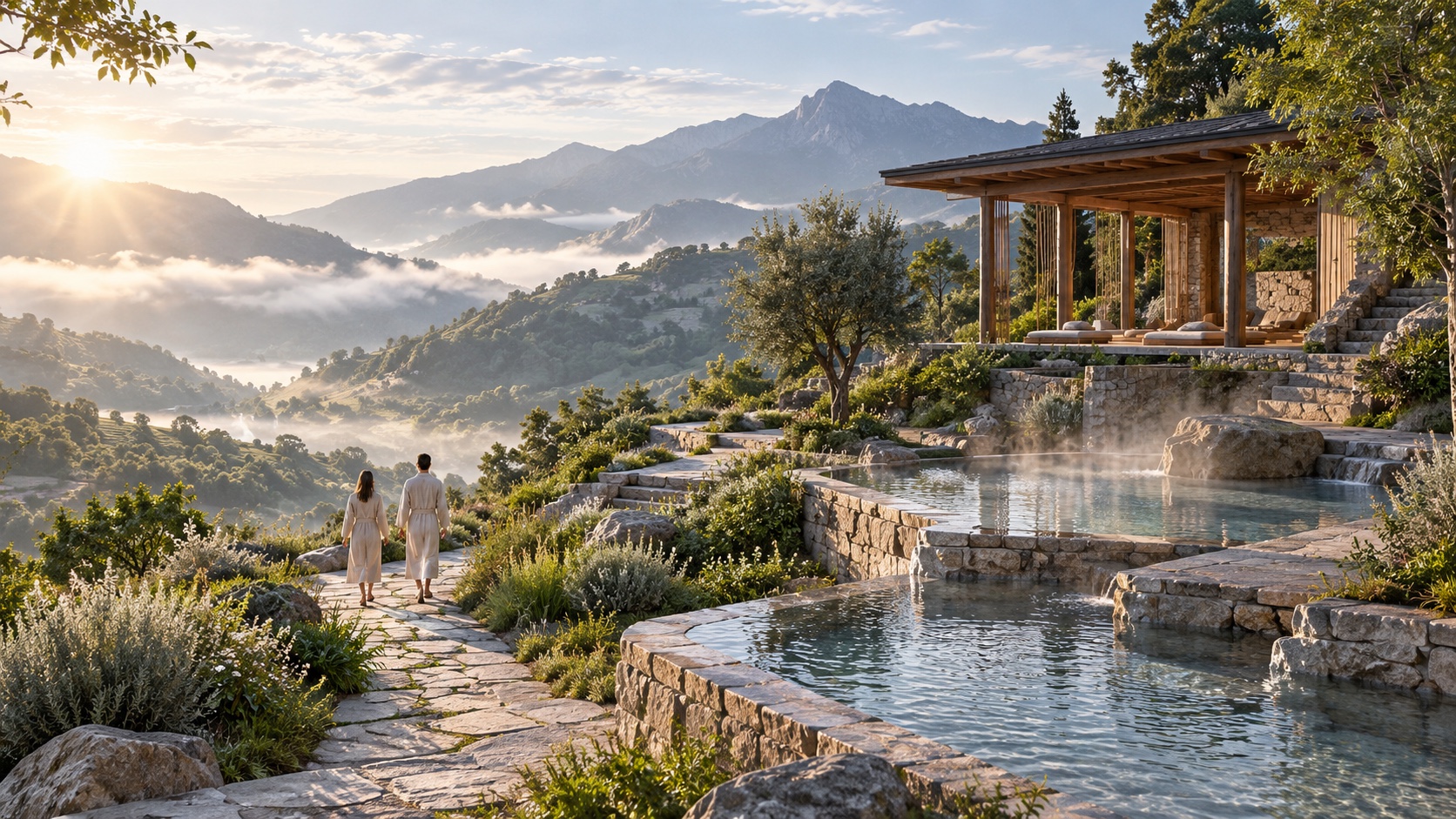
Smaller Greek, Croatian, Italian, and Spanish islands can support a quiet vacation when travelers stay beyond the main harbor and avoid peak-season congestion. Coastal walks, village meals, swimming coves, and limited distances encourage simple days. The specific island matters less than transport reliability, local water constraints, and whether the chosen town continues to function outside tourism.
Research ferry schedules and wind exposure, and avoid assuming every beach is accessible without steep steps. In drought-prone areas, use water carefully. A village stay is more respectful when guests accept local hours and keep noise low. The romance of island life survives best when visitors do not demand that the destination operate like a private resort.
Use Lodging as Part of the Restoration
The room and its location influence a peaceful trip more than a long amenities list. Check recent comments about nighttime noise, heating or cooling, mattress comfort, blackout curtains, and the walk to meals or transit. A beautiful rural property may become stressful if every dinner requires a difficult drive, while a modest guesthouse can feel deeply restful when the hosts, garden, and neighborhood support an easy routine.
Decide which wellness facilities you will truly use. A private hot tub is not automatically better than a well-run public bath, and a spa menu cannot compensate for poor sleep.
Travelers with limited mobility should ask about stairs, slopes, pool entry, and distances rather than relying on the word accessible. Confirming practical comfort creates the freedom to appreciate setting and service once you arrive.
Design the Vacation Around a Repeatable Rhythm
Once the destination is chosen, create a daily pattern rather than a dense list. Begin with one gentle anchor, such as breakfast followed by a walk or a morning bath. Leave the middle of the day flexible, then choose a simple evening routine. Repetition reduces decisions and makes small changes in weather, light, and appetite more visible. Protect the return as carefully as the trip. Leave time to travel home without an immediate wall of obligations, and identify one ordinary habit worth carrying back. The best peaceful destination does not make normal life feel intolerable. It reminds the traveler that rest can be built from attention, pacing, and a few choices repeated consistently. That rhythm should include enough food, sleep, and unscheduled time to prevent wellness from becoming another performance. Travelers often underestimate how much arrival logistics, unfamiliar beds, and time-zone changes affect the first two days. A modest plan creates room to recover before deciding whether an early hike, another thermal bath, or a quiet afternoon is genuinely appealing. It also helps to discuss expectations when traveling with someone else. One person may recharge through silence while another wants conversation or a gentle outing. Agree on a daily meeting point and allow a few separate hours without treating independence as rejection. A peaceful vacation succeeds when everyone can regulate energy honestly, not when the group maintains a single idealized mood.