Choose the Retreat That Solves the Right Kind of Tired
A rejuvenating retreat should do more than replace a busy calendar with a prettier one. The most useful programs begin with the kind of fatigue a traveler actually carries. Someone recovering from relentless decisions may need quiet, simple meals, and unstructured time. A desk-bound guest may feel better with guided movement and outdoor walks. A traveler struggling with sleep may benefit from consistent timing and a calm evening routine, not an ambitious menu of treatments. The retreat’s setting matters, but program design, staff qualifications, privacy, food, and realistic claims matter more. By matching the experience to a clear need—and protecting space for rest—a wellness trip can become a genuine reset rather than another performance to complete.
A: Three to five nights often provides rest without making the format feel overwhelming.
A: No; staffing, program fit, and genuine free time matter more than decorative luxury.
A: It can be profound, but structured silence may feel demanding rather than leisurely.
A: Reserve priorities and leave room to respond to energy and advice.
A: Only qualified regulated care should make clinical claims, and personal clinicians should remain involved.
A: Ask for adaptations or choose another gentle movement option.
A: Not always, but practical distance from devices can reduce habitual checking.
A: Yes, especially where meals, safety, and optional social contact are thoughtfully arranged.
A: Pressure to stop medication, buy supplements, or ignore discomfort.
A: Returning with one or two practices simple enough to repeat.
Forest Retreats for Nervous-System Quiet
Wooded settings soften attention through shade, layered sound, and limited long-distance visual demands. A strong forest retreat may combine guided walks, gentle mobility, massage, quiet reading areas, and evenings that become dark at a natural hour. Japan’s forest and mountain wellness traditions, European woodland spas, and secluded lodges in North America all offer versions of this experience. The key is not a fashionable label but enough protected land and time to feel removed from traffic and constant decisions.
Review terrain before assuming every forest property is easy on the body. Steep paths, damp steps, insects, and distance between rooms can matter.
Ask how indoor spaces work during rain and whether guided walks are educational, meditative, or physically demanding. A good program treats the forest as an environment to notice rather than a background for an overloaded class schedule.
Lakeside Retreats for Gentle Daily Rhythm
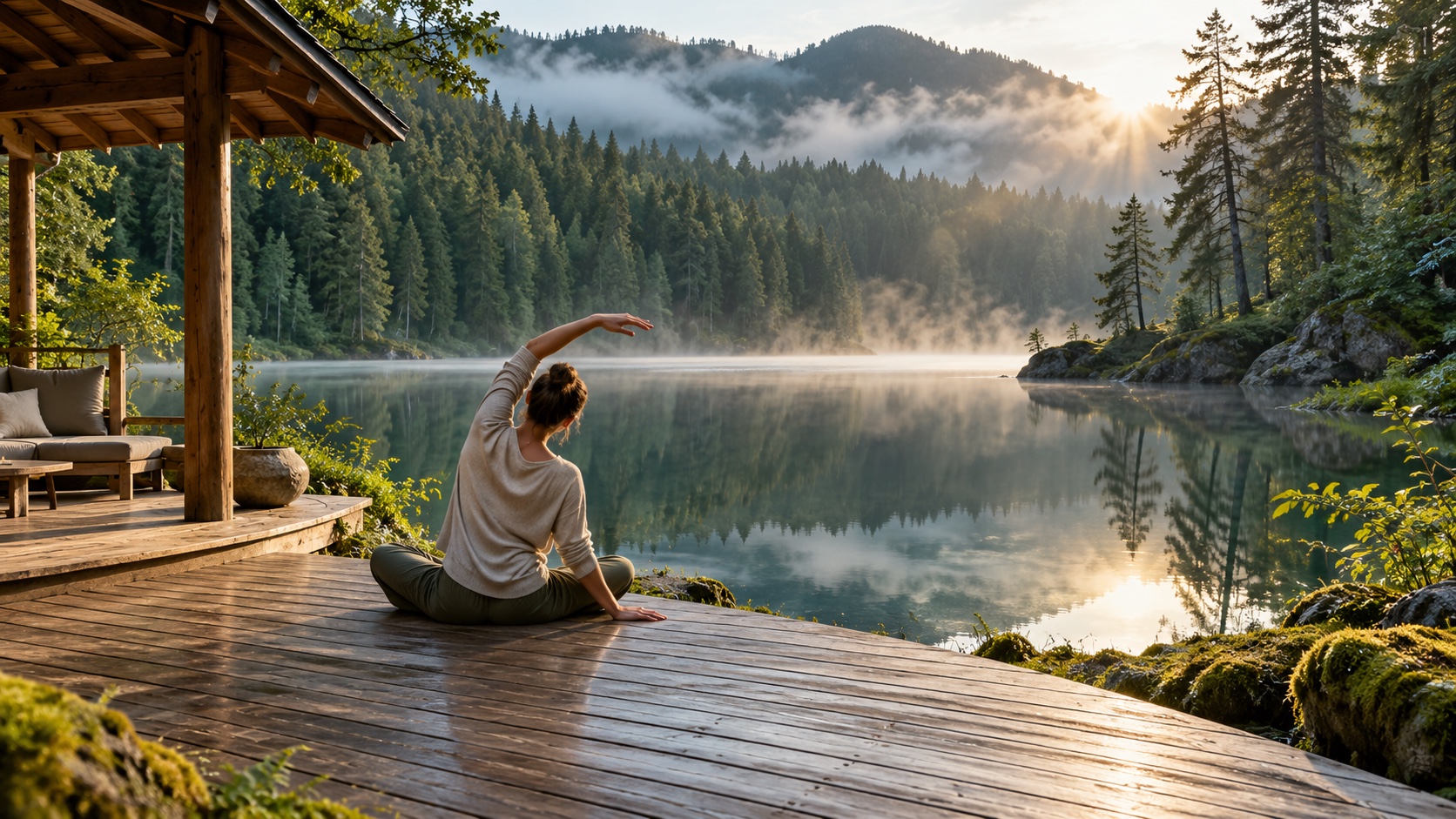
A lake creates natural anchors for the day: early light, a shoreline walk, still midday water, and a cooler evening. Retreats may offer swimming, easy paddling, breath-led movement, saunas, or simple decks for practice. This format suits guests who want mild activity without the sensory intensity of surf or a crowded beach. It is particularly effective when the property allows guests to see water from common spaces without having to join an excursion. Check seasonal water temperature, swimming supervision, path accessibility, and boating expectations. A wellness trip should not pressure uncertain swimmers into proving comfort. Properties with quiet hours and limited motorized traffic preserve the atmosphere better than a lake that becomes busy with recreation. Leave time between water activities and heat treatments, hydrate, and follow local advice about water quality.
Coastal Retreats for Movement and Expansive Space
The coast can be deeply restorative for travelers who relax through movement. Long walks, gentle swimming, beginner surfing, and open views create a sense of space after months indoors. A retreat with sheltered outdoor areas and flexible scheduling can adapt to wind, tides, and rain. Guests who sleep well with ocean sound may love the setting; others should confirm that rooms can be closed and quiet.
Coastal marketing often hides crowding and transport noise, so study the property’s actual position. Ask whether beaches are public, how far rooms are from nightlife or roads, and what conditions are typical during the booked month. Strong sun, salt, and wind can tire the body even during restful days. Shade, hydration, and one unplanned afternoon can be more rejuvenating than another treatment.
Thermal and Onsen Stays for Bathing Rituals
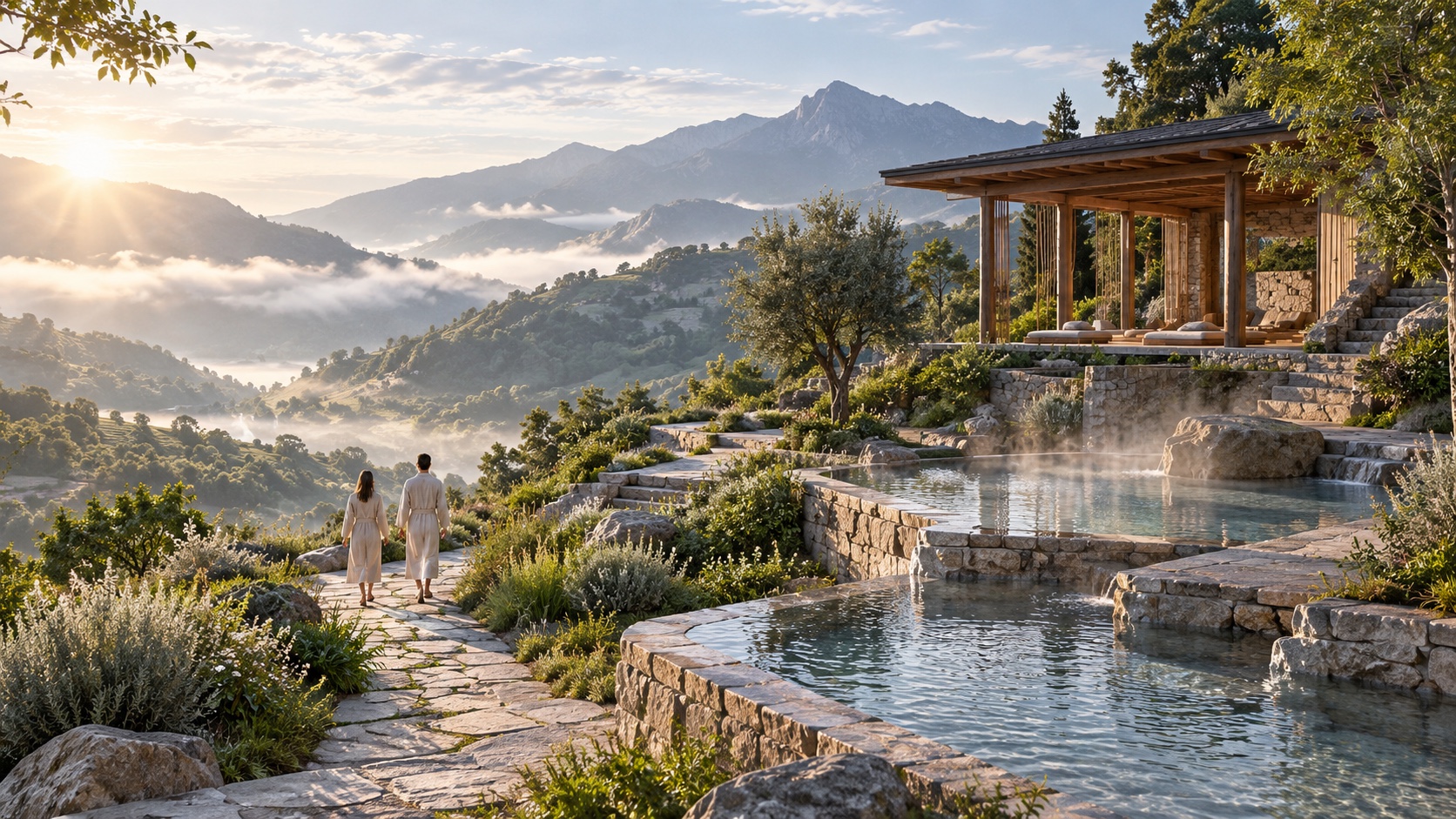
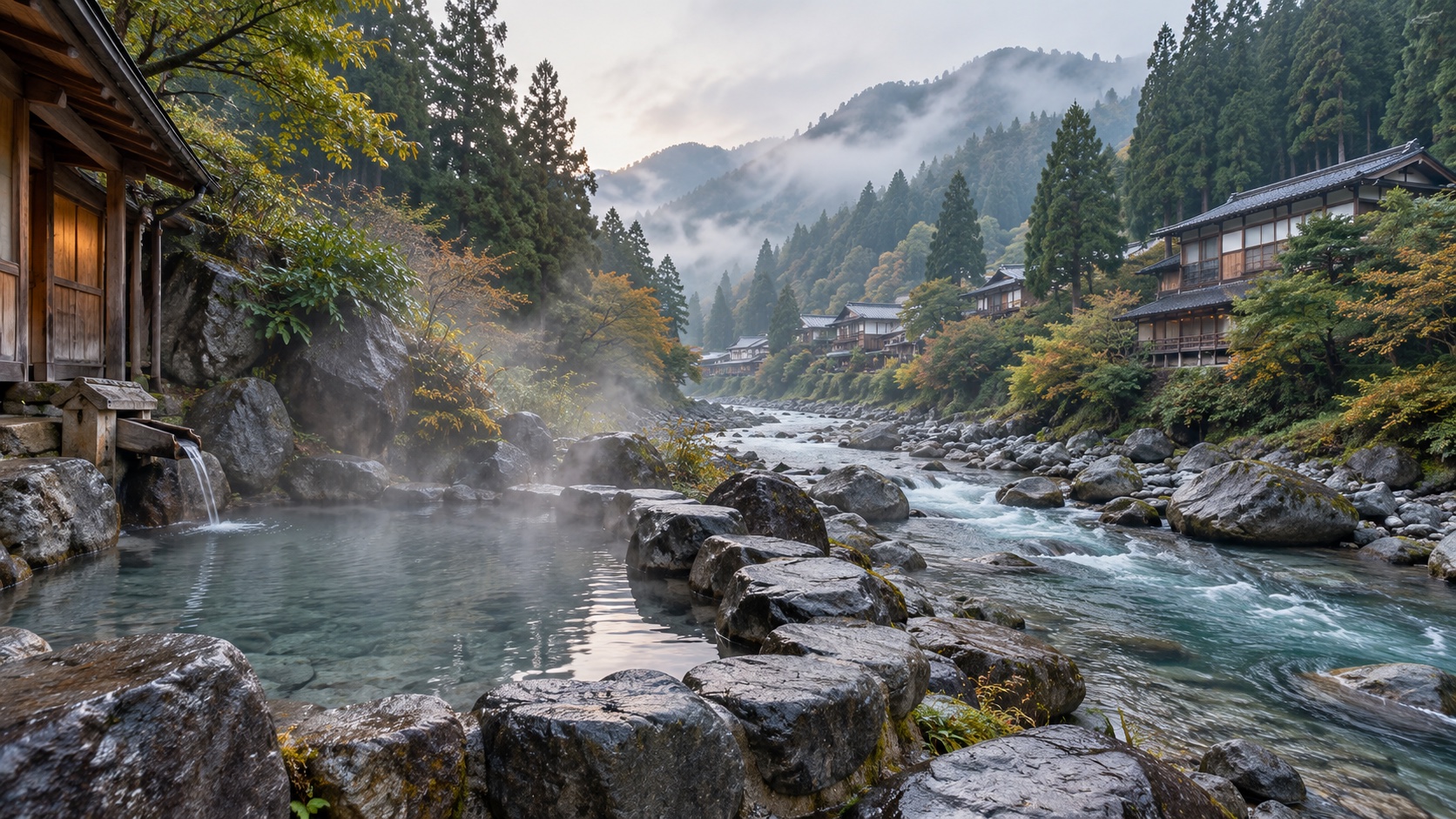
Thermal destinations organize wellness around water, temperature, and repetition. In Japan, onsen towns and mountain inns connect bathing with etiquette, seasonal meals, quiet rooms, and a slower daily cadence. Central Europe, Iceland, Türkiye, and many volcanic regions have their own thermal traditions. The benefit is not a universal promise attached to mineral content; it is the embodied routine of washing, soaking, cooling, and resting.
Guests should learn local rules, including bathing attire, washing before entry, tattoo policies where relevant, and restrictions for certain health conditions. Longer and hotter is not automatically better.
Alcohol, dehydration, pregnancy, cardiovascular concerns, and some medications can change what is appropriate. A retreat that explains use carefully is preferable to one selling dramatic health outcomes.
Yoga Retreats That Welcome Real Beginners
Yoga retreats range from leisurely holidays with one daily class to disciplined programs with philosophy, breathwork, meditation, and several hours of practice. A relaxing escape usually works best when teachers offer variations and do not equate depth with extreme flexibility. Class size, teaching language, props, and the ability to skip a session matter. The room should feel safe for questions and free from pressure to display progress. Read the schedule closely. Two long classes plus workshops may feel energizing to a regular practitioner and exhausting to a beginner. Ask what style is taught and whether hands-on adjustments require consent. Travelers with injuries should consult appropriate clinicians and tell the teacher. A credible retreat treats rest as part of practice rather than a failure to participate.
Ayurveda Retreats With Responsible Screening
Kerala is strongly associated with Ayurveda, and its tourism authorities maintain information on accredited centers. Programs may include physician consultations, individualized routines, food guidance, massage, herbal preparations, and extended therapeutic stays. A short wellness holiday should be distinguished from a clinical treatment plan. Travelers need clear explanations of practitioner qualifications, ingredients, hygiene, expected effects, and interactions with existing care.
Avoid any center that promises to cure serious disease, demands discontinuation of prescribed medication, or sells an aggressive purification program without screening. Authenticity is not a substitute for consent and safety. Guests seeking relaxation may prefer a gentle program with adequate meals, sleep, and mild treatments rather than an intensive regimen designed for a different purpose.
Mindfulness Retreats for Mental Space
Mindfulness retreats reduce external input through meditation, walking, simple routines, and sometimes silence. They can reveal how much energy ordinary conversation, news, and decision-making consume. They can also bring difficult emotions closer to the surface. A program designed for beginners should explain the daily sitting time, teacher access, silence rules, accommodations, and support available when practice becomes distressing. Do not assume a meditation retreat is a substitute for mental-health treatment. People with relevant histories should discuss suitability with a clinician and the retreat organizers. For many travelers, a lighter format—two guided sessions, nature walks, and private time—delivers the desired calm without the demands of prolonged silence. The right intensity is the one that leaves attention steadier, not depleted.
Spa Retreats Where Free Time Matters Most
A destination spa can be an excellent choice when comfort, body care, and easy logistics are the priority. Massage, hydrotherapy, facials, pools, and well-designed rest spaces remove the need to master a new practice. Quality appears in consultation, privacy, sanitation, therapist credentials, and pacing rather than in the length of a treatment menu. A smaller number of well-chosen services often feels better than moving between appointments all day.
Reserve the treatment most important to you, then protect open hours. Clarify gratuities, cancellation terms, contraindications, and whether add-ons will be recommended during the service.
Decline anything unwanted. Meals, sleep, and quiet may do more for recovery than a premium upgrade, so choose a room and setting that support those basics.
Sleep Focused Programs for Deep Recovery
Some retreats build the entire stay around sleep through consistent schedules, light exposure, calm evenings, comfortable rooms, and consultations on habits. The strongest programs avoid promising a permanent cure after a few nights. Instead, they help guests notice patterns and practice routines that can survive the return home. Blackout quality, temperature control, bedding, noise, and caffeine timing may matter more than exotic therapies.
Travel itself can disrupt sleep, particularly across time zones. Arrive with realistic expectations and avoid judging the stay by the first night. If persistent insomnia or breathing concerns emerge, follow up with qualified medical care. A retreat can provide conditions and education; it should not obscure the need for assessment.
Nature and Movement Retreats for Desk-Bound Bodies
Travelers who feel mentally tired but physically underused may recover through moderate movement. Hiking, mobility work, swimming, cycling, or strength sessions can restore appetite and sleep without chasing performance. The ideal program begins below the guest’s maximum and leaves energy for conversation, reading, or scenery. Movement should open the day, not dominate it. Ask how activities are adapted for weather and ability. Footwear, heat, altitude, and old injuries deserve attention. A retreat that offers parallel route lengths or optional sessions is more genuinely inclusive than one claiming all levels while keeping a single pace. The goal is to return feeling capable and eager to continue, not sore enough to abandon the habit.
Plan the Return Before You Leave
The transition home determines whether rejuvenation becomes useful or evaporates in one crowded day. Avoid scheduling an immediate late arrival before work when possible. Choose one routine during the retreat that requires little money, equipment, or privacy: a short morning walk, ten minutes of stretching, a device-free meal, or a consistent bedtime cue. Write down what made it work.
Do not try to reproduce the entire retreat. Its value partly comes from separation, service, and setting. Instead, translate the central lesson into ordinary life. If the trip revealed a need for medical care, counseling, movement instruction, or stronger boundaries, arrange that support. A relaxing escape succeeds when it sends a traveler home rested enough to make one clear, sustainable change.
Decide Whether Going Alone or Together Will Help
Solo retreats reduce negotiation. A guest can sleep, eat, walk, or skip an activity without monitoring another person’s enjoyment. This can be especially restorative for caregivers and people whose daily lives require constant responsiveness. Before booking, examine arrival transport, nighttime staffing, meal arrangements, and how easily a solo guest can seek company without being assigned to it. Communal tables and optional group walks often create enough connection. Traveling with a partner or friend can make a retreat feel safer and more affordable, but identical programs are rarely necessary. One person may prefer an early yoga class while another needs sleep; one may enjoy group conversation while the other wants a private treatment. A strong property allows parallel choices and provides an easy meeting point later. Discuss budget, device use, alcohol, and desired quiet before departure so neither person must negotiate those expectations while tired. Group retreats add energy and accountability, which can be helpful for movement or learning. They can also reproduce the social pressure a traveler hoped to escape. Ask whether sharing is optional, how confidentiality is handled, and whether rooms and breaks provide privacy. The right social format is not the one that appears most welcoming in photographs. It is the one that gives the guest enough agency to rest. Whichever format you choose, protect consent around conversation and disclosure. Wellness settings can encourage intimacy quickly, but no guest owes a personal story to a facilitator or group. Programs should allow quiet participation without suggesting that privacy blocks progress. Emotional safety is part of genuine relaxation. Also decide how much service feels supportive. Some guests relax when meals, transport, and treatments are fully arranged; others feel watched by constant attention. Read how the property handles housekeeping, dining times, and staff contact. Restoration depends partly on having control over when help appears and when the room, garden, or day is simply your own.