The World’s Best Retreat Is the One Rooted in Its Place
The phrase “best wellness retreat” can suggest one universal ranking, but wellness is shaped by culture, climate, landscape, and purpose. A Japanese onsen stay centers bathing etiquette, seasonal food, and quiet rhythm. Kerala offers an established Ayurveda tradition that requires thoughtful screening and accredited care. Alpine retreats use trails, clean air, thermal facilities, and structured recovery. Costa Rican properties often build days around rainforest, movement, and outdoor living. Comparing these places makes sense only when travelers look beyond luxury and ask what practice the retreat understands deeply, who leads it, how the setting supports it, and whether the program suits their health and expectations. The destinations below represent distinctive approaches rather than interchangeable spa resorts.
A: Japan and Iceland offer distinctive geothermal experiences with very different cultural contexts.
A: Kerala has deep tradition and an official accreditation framework for centers.
A: India and Bali offer many options, but teacher quality and program style vary.
A: Alpine and Costa Rican retreats often combine movement with strong natural surroundings.
A: Yes, when the program is simple and does not promise a long therapeutic transformation.
A: Bhutan, remote islands, and mountain lodges can, though transfers and altitude add strain.
A: No; claims, regulation, and personal health must be reviewed carefully.
A: Look for local leadership, accurate explanations, and community relationships.
A: Excellent sleep, skilled staff, privacy, sound logistics, and time—not constant upselling.
A: Match the place’s strongest tradition to the result and daily rhythm desired.
Japan for Onsen Zen and Deliberate Rhythm
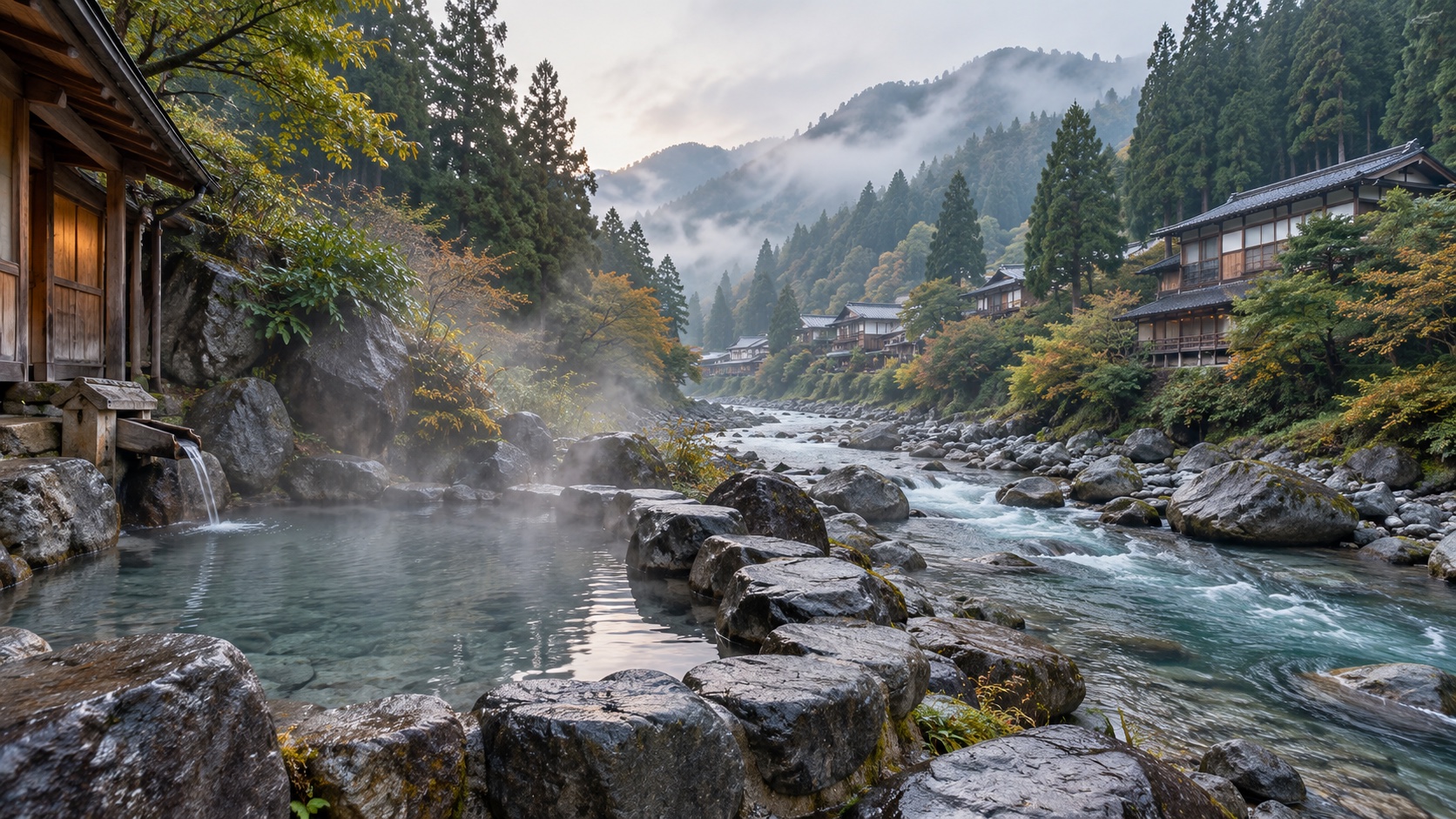
Japan offers wellness through practices woven into ordinary cultural life rather than isolated behind a resort gate. Onsen towns organize days around bathing, walking, seasonal meals, and quiet rooms. Temple programs may introduce zazen meditation with guidance, while forested regions provide slow trails and mountain air. The Japan National Tourism Organization highlights hot springs, meditation, forest experiences, and healthy food as central wellness possibilities. Travelers should learn bathing etiquette before arrival and check property policies, including private-bath options and tattoo rules where relevant. A ryokan stay may feel highly structured through meal times and bedding routines, but that structure can reduce decisions. Guests seeking clinical treatment should not confuse traditional relaxation with individualized medical care. Japan is strongest for travelers who value ritual, detail, quiet, and a sense that wellbeing is part of a larger way of living.
Kerala India for Ayurveda With Depth
Kerala’s relationship with Ayurveda makes it a major destination for travelers seeking a program grounded in a living medical tradition. Accredited centers may combine consultations, treatments, prescribed daily routines, food, yoga, and rest. Lush backwaters, coastal areas, and hill country provide very different settings. The most serious programs often expect more time than a conventional spa break because observation and adjustment are part of the process.
Credentials, sanitation, ingredients, and informed consent require careful review. Kerala Tourism publishes information on accredited Ayurveda providers, which offers a stronger starting point than an anonymous booking platform. Travelers should involve their regular clinician when health conditions or medication are relevant. A short visitor seeking relaxation should say so clearly rather than entering an intensive purification program that does not fit the trip’s purpose.
Bali Indonesia for Yoga and Creative Renewal
Bali’s retreat landscape includes small yoga houses, luxury resorts, surf-and-movement programs, and creative gatherings. Ubud’s inland greenery, the quieter north, and coastal regions each produce a different rhythm. The island is attractive for solo travelers because classes, drivers, cafés, and retreat communities can make logistics easy. Warm weather supports outdoor practice, though humidity and traffic can complicate the imagined serenity.
Quality varies dramatically. Examine teacher biographies, group size, lodging location, and how the program engages Balinese culture.
A retreat should not use ceremonies as decoration or treat local spiritual life as a consumable performance. Travelers who choose a locally connected program and leave room beyond the retreat walls can experience the island as a place rather than a wellness brand.
Thailand for Hospitality Massage and Destination Spas
Thailand has a broad wellness range, from traditional massage schools and urban sanctuaries to beach resorts and structured destination spas. Southern islands appeal to guests wanting warm water and movement, while northern settings around Chiang Mai can combine forest, meditation, cooking, and bodywork. Service can be exceptionally attentive, which makes Thailand comfortable for a first wellness trip. The ease of booking should not remove scrutiny. Verify therapist training, heat-season conditions, room quiet, and the evidence behind detox or weight-loss claims. Island transfers may be tiring during rough weather, and a beautiful beach can still be busy. Thailand is at its best when skilled bodywork, nourishing food, and genuine rest remain central instead of an exhausting schedule of add-ons.
Switzerland and the Alps for Structured Active Recovery
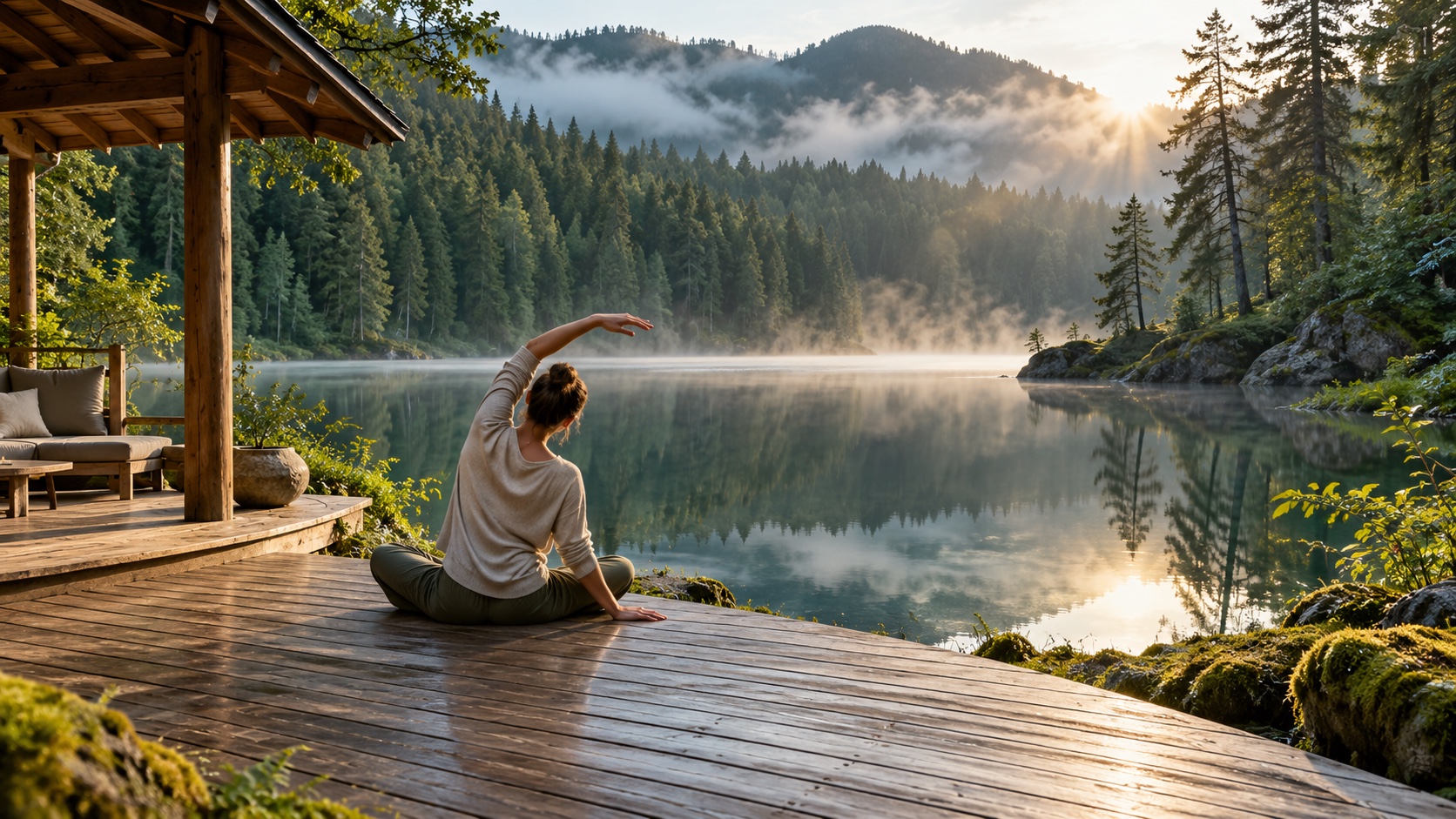
Alpine retreats use elevation, walking, thermal water, physiotherapy, sleep programs, and refined hospitality. Switzerland is especially associated with highly organized properties, while Austria, Italy, France, Germany, and Slovenia offer their own combinations of spa culture and mountain access. The setting suits travelers who recover through movement followed by warmth, food, and deep sleep.
Clinical-looking language deserves verification, even in polished surroundings. Determine whether a program is medical, rehabilitative, fitness-focused, or simply luxurious. Altitude and steep paths can increase effort for some guests. The strongest alpine stay uses the mountain rather than merely displaying it through windows: a measured hike, outdoor breathing, or quiet time beside a lake can provide the grounding that expensive equipment cannot.
Iceland for Geothermal Simplicity and Open Space
Iceland’s geothermal culture makes warm-water bathing an accessible part of travel. Large lagoons, municipal pools, hotel baths, and quieter regional springs create options across budgets. Volcanic terrain, ocean weather, and long seasonal light or darkness give the experience a powerful sense of place. A simple itinerary of walking, soaking, eating, and sleeping can feel more restorative than a formal retreat. Not every photogenic pool is safe or environmentally appropriate. Follow local access guidance, showering rules, water-temperature warnings, and closures. Winter driving and sudden wind may add stress, so travelers seeking rest should reduce distance rather than circling the island at speed. Iceland works best when geothermal bathing supports a slower route instead of becoming another crowded checkpoint.
Costa Rica for Rainforest Movement and Outdoor Living
Costa Rica’s wellness retreats often blend yoga, hiking, surfing, spa treatments, and fresh-air living. Rainforest, volcanic highlands, and two coasts create varied microclimates. Guests can choose a quiet mountain property, a movement-oriented surf retreat, or a nature lodge where wildlife and trails matter more than a formal treatment schedule.
Road transfers, rain, insects, humidity, and open-air rooms should be understood before booking. A traveler who enjoys nature may find those qualities immersive, while someone needing controlled quiet may not.
Look for responsible wildlife policies, realistic water use, and local employment. Costa Rica is particularly strong for people who feel restored by moderate physical activity and close contact with a living landscape.
Mediterranean Retreats for Food Walking and Ease
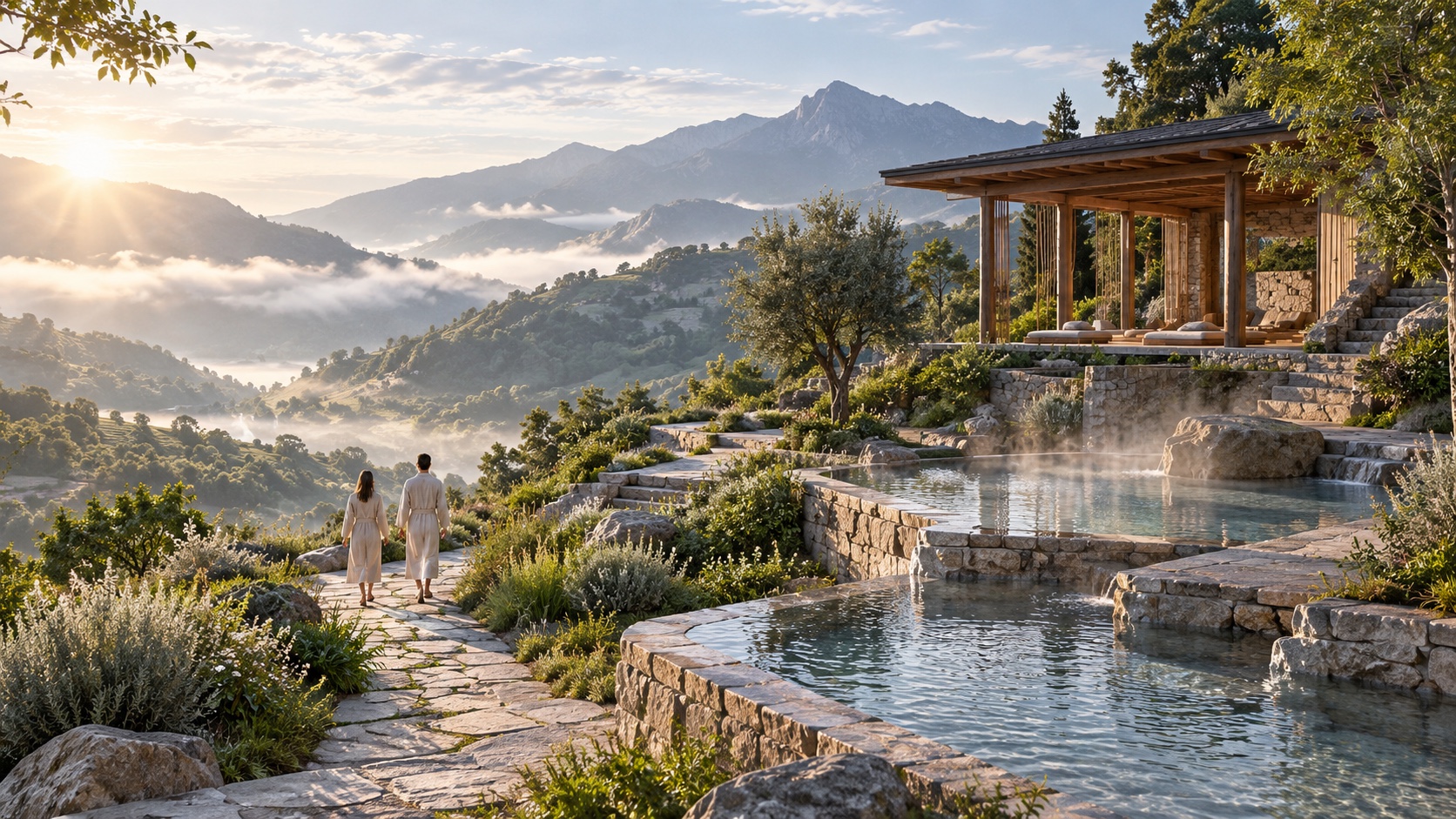
Greece, Italy, Spain, Portugal, Croatia, Türkiye, and other Mediterranean destinations support retreats built around walking, swimming, seasonal food, olive landscapes, and social warmth. These programs may feel less austere than a silent or highly structured retreat. A morning movement class, a coastal walk, a shared lunch, and an open afternoon can create a sustainable model of wellbeing rather than a temporary purge.
Season matters. Peak summer can be hot, crowded, and sleep-disrupting, while spring and autumn may favor active days. Check whether food is genuinely regional or reduced to a restrictive wellness menu. The Mediterranean approach suits travelers who want restoration through pleasure, rhythm, and connection, provided alcohol and late nights do not quietly undermine the rest they came to find.
Bhutan for Contemplative Travel in the Himalayas
Bhutan attracts travelers seeking mountain landscapes, Buddhist cultural context, walking, and a deliberate pace. Wellness-focused itineraries may include meditation, traditional hot-stone baths, temple visits, and hikes between valleys. The country’s tourism framework and geography make the trip feel distinct from a conventional resort vacation. Altitude, road travel, and cultural expectations require preparation. Temple visits should be approached as encounters with active religious life, not staged wellness content. Programs need enough time for acclimatization and ordinary observation. Bhutan suits travelers who want reflection connected to culture and landscape, and who are comfortable with a journey whose value is not measured by a long treatment list.
Desert Retreats for Silence and Clear Horizons
Desert wellness properties in the American Southwest, North Africa, the Middle East, and other arid regions use silence, dry air, dramatic light, and open horizons. Programs may combine hiking, bodywork, meditation, art, and astronomy. The landscape strips away visual clutter, which some guests experience as immediate mental space.
Heat, sun, dehydration, and large temperature swings make timing essential. Remote luxury can also consume scarce water and isolate visitors from surrounding communities, so environmental practices deserve scrutiny. A desert retreat should teach guests how to live carefully within the setting, not pretend that comfort has no footprint. Shoulder seasons and modest activity usually create the most restorative experience.
How to Decide What Best Means for You
Begin with the practice, not the postcard. If bathing ritual is central, Japan or Iceland may be compelling. If Ayurveda is the purpose, investigate accredited Kerala programs. If outdoor movement restores you, Costa Rica or the Alps may fit. If food and unforced pleasure matter, consider a Mediterranean retreat. Then compare travel time, climate, health needs, program intensity, room conditions, and the amount of unscheduled space. The world’s best retreats do not erase the character of their location. They make local knowledge, landscape, and hospitality part of the daily rhythm while maintaining clear professional and ethical standards. Choose the place whose strengths match what you need, arrive without demanding instant transformation, and leave with one practice that still makes sense at home. That is a more useful definition of “best” than any universal ranking.
Evaluate Sustainability Beyond a Linen Card
Wellness properties often depend on the very qualities tourism can strain: clean water, quiet land, healthy forests, intact coastlines, and stable communities. A sign asking guests to reuse towels reveals little by itself. Look for information about water sources, wastewater, energy, construction, food purchasing, staff development, and limits on access to sensitive places. Island, desert, and drought-prone retreats deserve especially careful questions about pools, landscaping, and guest consumption.
Social relationships matter alongside environmental systems. A retreat rooted in its destination should employ and advance local staff, represent traditions accurately, compensate teachers fairly, and avoid turning nearby communities into scenery. Imported luxury can isolate visitors from place even when the architecture uses local materials. Thoughtful cultural orientation, regionally sourced meals, and locally led excursions provide stronger evidence than decorative references to heritage. Travelers also carry responsibility. Long flights may be part of reaching a distinctive retreat, which makes staying longer and traveling less frequently worth considering. Follow water and waste guidance, purchase carefully, and avoid demanding familiar products at any ecological cost. Wellness that depends on hidden extraction is a contradiction. The best retreat leaves the guest more attentive to interdependence, not merely more comfortable for a week.
Allow Enough Time for the Journey
A distant retreat can begin with several flights, a boat, a mountain road, or an unfamiliar time zone. That effort may be worthwhile, but it belongs in the wellness calculation. A three-night stay after a thirty-hour journey is unlikely to feel spacious, particularly when the first days involve jet lag or altitude. Either choose a closer region or stay long enough to settle.
Arrival design matters. Ask whether transfers wait for delayed flights, whether food is available after a late check-in, and whether the first morning is flexible. Avoid booking an intensive consultation or strenuous class immediately after arrival. The body may need hydration, daylight, and sleep more than assessment.
Departure deserves the same thought. Leaving directly after a final treatment for a long, complicated route can erase the calm it created. Keep the last hours simple, pack before the closing evening, and preserve a buffer before returning to obligations. The retreat is part of a complete journey, not an isolated bubble between two exhausting travel days.