A Once-in-a-Lifetime List That Leaves Room for Beginners
An adventure does not need to be reckless, technical, or record-breaking to change how a traveler sees the world. The most rewarding first-time experiences create a vivid shift in perspective: floating above a familiar-looking landscape, entering a canyon shaped by water, sleeping beneath a truly dark sky, or moving quietly enough to notice wildlife before it notices you. Each activity on this list can be adapted to different ability levels when a qualified guide, suitable conditions, and honest self-assessment are part of the plan. The goal is not to collect intimidating accomplishments. It is to try a form of movement or attention that makes a destination feel larger, more immediate, and more memorable than it would from the roadside.
A: A professionally operated tandem paraglide or balloon flight often requires little technical skill.
A: Introductory rafting creates clear teamwork and immediate feedback.
A: Paddling, wildlife tracking, or a beginner surf lesson keeps the horizon grounded.
A: Requirements vary, and the operator must know before accepting the booking.
A: No; guided snorkeling can be exceptional in suitable water.
A: Name it early, ask for concrete information, and decline when attention is compromised.
A: Any experience combining remoteness, technical equipment, altitude, cold, or swift water.
A: They can be, so choose controlled groups and strong site protections.
A: Usually not for a first guided attempt beyond personal clothing and essentials.
A: Use the backup as part of the destination rather than forcing a substitute risk.
Fly Tandem Above a Landscape
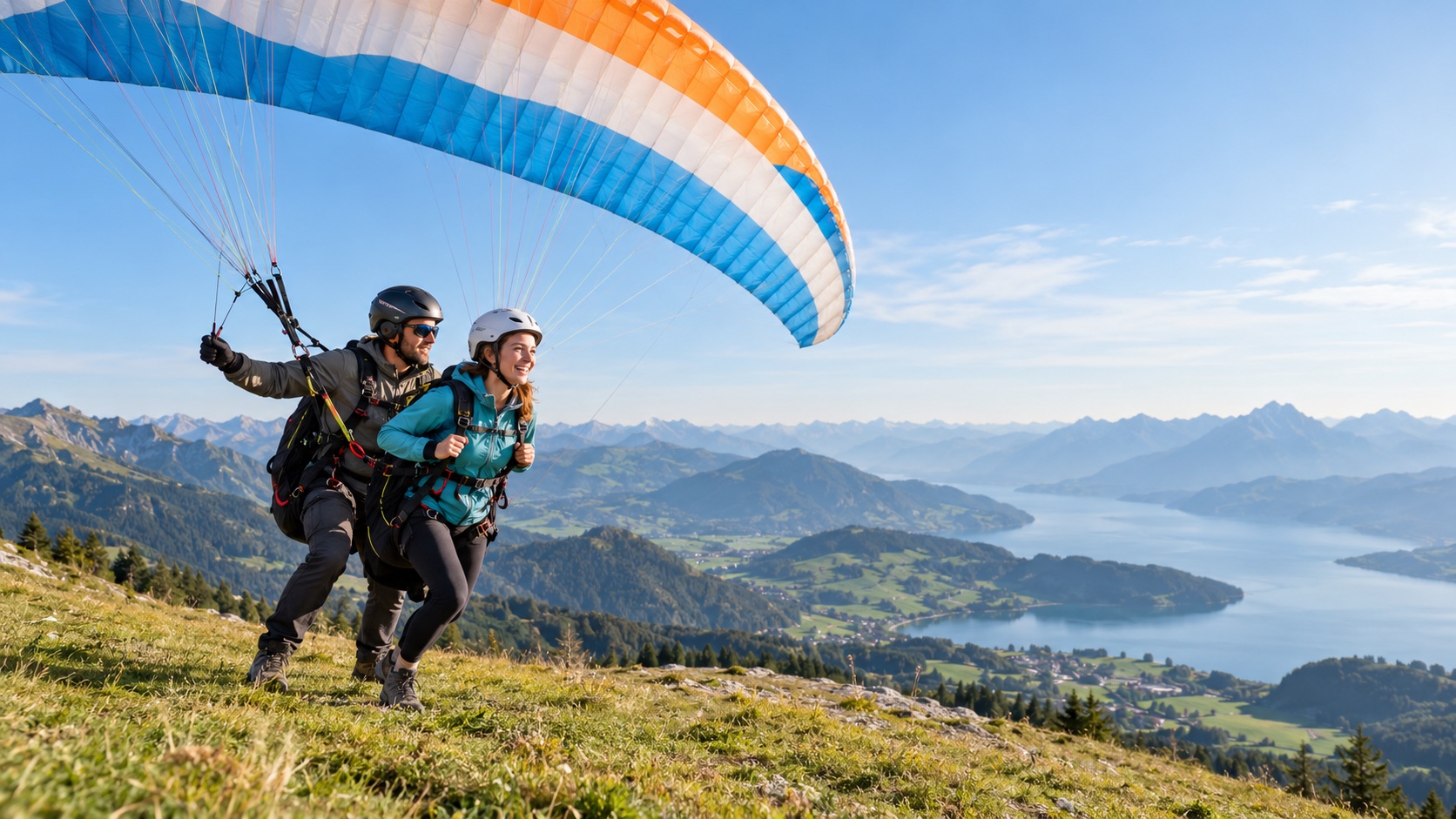
Tandem paragliding offers the sensation of free flight without requiring a beginner to manage a wing alone. After a weather assessment and briefing, pilot and passenger launch together from a slope, settle into harnesses, and glide on moving air. Mountain-and-lake settings are especially memorable because ridges, rivers, fields, and settlements form a coherent pattern from above. The experience can feel peaceful rather than extreme once the launch is complete.
Wind is decisive. A trustworthy pilot may delay or cancel while the sky still looks attractive, and that judgment should inspire confidence. Verify operator licensing, passenger limits, equipment procedures, and the landing plan. Wear secure footwear and clothing without loose accessories. Travelers prone to motion sickness should ask about flight length and turning. No photograph is worth distracting the pilot during launch or approach.
Run a River With a Team
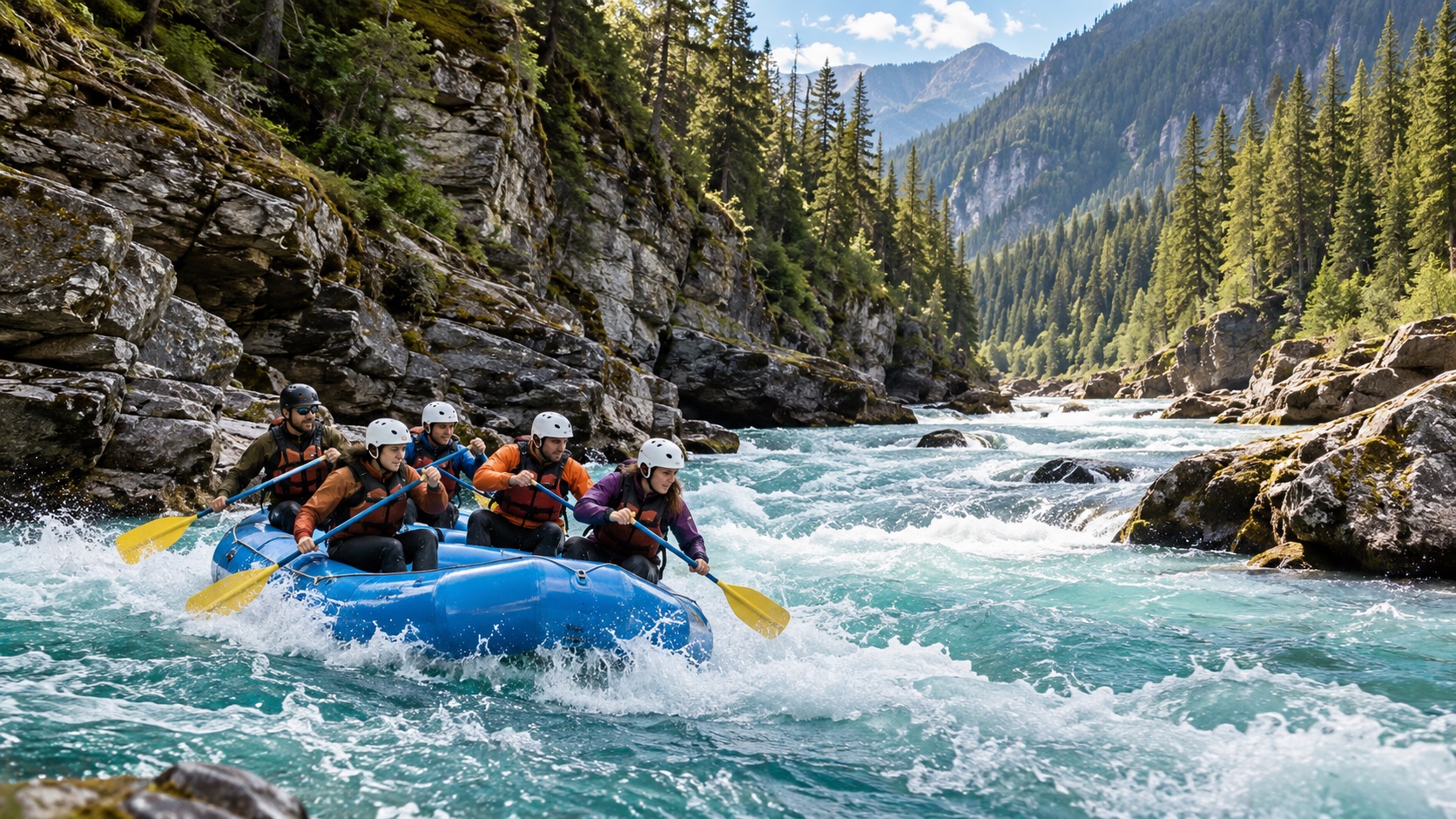
Whitewater rafting makes natural force immediate. Paddlers respond to simple commands, coordinate strokes, and feel the raft accelerate through features that looked abstract from shore. Beginner-friendly sections can deliver real splashes and excitement while remaining within a guided progression. Longer expeditions add canyon travel, camp life, and the satisfaction of waking beside the same river that carries the route forward.
Choose according to current conditions, not the biggest rapid in a brochure. Class ratings are only one clue; cold water, strainers, remoteness, and rescue access change consequences.
Wear the personal flotation device as fitted, keep feet up if swimming, and listen to the guide rather than improvising. The best memory is usually the group’s shared rhythm, not the brief moment anyone felt out of control.
Walk on a Living Glacier
A glacier walk reveals that ice is terrain rather than a static white surface. With crampons, a helmet, and a guide, travelers learn to place feet securely, read melt channels, and recognize the forms created by compression and flow. Blue fractures, debris bands, moulins, and distant creaks turn climate and geology into something tangible. Accessible guided walks exist in Iceland, Alaska, New Zealand, the Alps, Patagonia, and other glaciated regions. Never cross unfamiliar glacier ice independently. Snow can conceal crevasses, melt changes routes, and apparently short distances take time. Guides select paths and equipment for current conditions. Follow spacing instructions and keep hands available instead of filming constantly. Because glaciers are changing, travelers should avoid turning a visit into a careless claim about one cause or timeline; listen to local interpretation and observe what is actually present.
Enter a Canyon Shaped by Water
Canyoning creates a compact journey through the inside of a landscape. A route may include scrambling, wading, swimming, sliding, and rappelling beside waterfalls. The walls narrow and widen, light changes, and the direction of travel follows water rather than a constructed path. Dry canyons can be equally absorbing, especially when movement requires careful footwork and route reading.
The central hazard is commitment. Once a rappel is descended, retreat may be difficult, and rain outside the immediate area can affect water levels. Use an established guide who monitors the catchment, fits technical gear, and explains each transition. Do not jump unless the guide has checked depth and explicitly chosen that option. A controlled rappel into a beautiful chamber is memorable enough; unnecessary improvisation adds risk without deepening the experience.
Sleep in a Desert Under Dark Skies
A desert camp proves that adventure can come from stillness. After sunset, heat leaves the ground, distant sounds carry, and an open sky reveals a density of stars hidden by city light. Reaching camp by foot, camel, bike, or four-wheel-drive changes the texture of the trip, but the defining experience is the scale and quiet. Responsible camps in Jordan, Morocco, Namibia, the American Southwest, and other arid regions can connect guests with geology and local knowledge. Deserts are not empty. They contain fragile soil, wildlife, grazing routes, cultural sites, and communities with established access customs. Use permitted camps, follow water guidance, and avoid driving across undisturbed ground. Temperatures can drop sharply, so pack for night rather than the afternoon departure. Minimize artificial light after settling in; the darkness is not a lack of entertainment but the reason to be there.
Try a Protected Climbing Route
Via ferrata routes use fixed cables, metal steps, ladders, and bridges to help participants move through steep mountain terrain while clipped to a protection system. They offer the exposure and movement of climbing with less technical demand than leading a rock route. The Dolomites are famous for them, but protected routes now exist in many mountain regions. Difficulty ranges widely, from family-oriented traverses to sustained, overhanging climbs.
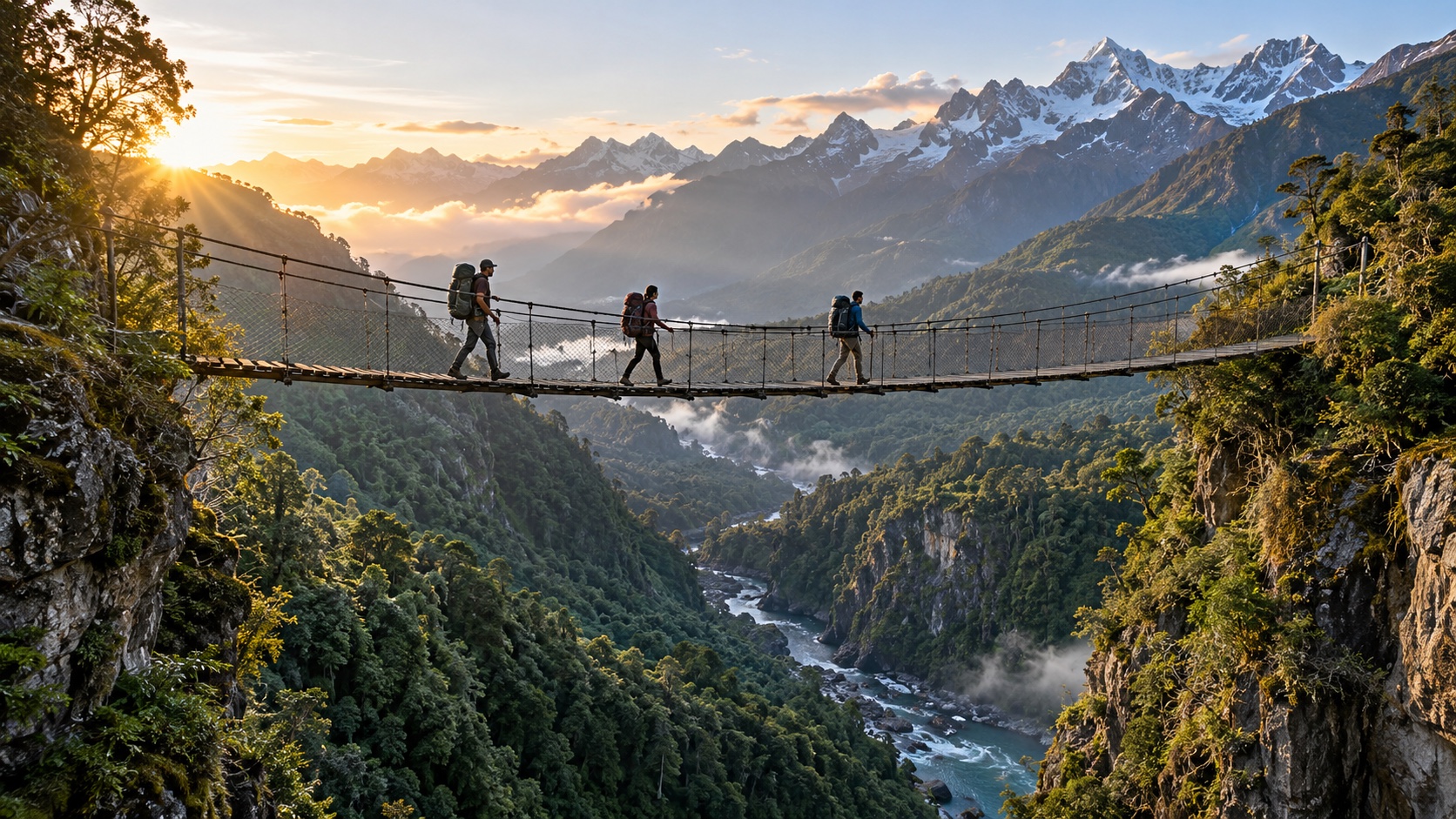
Instruction remains necessary. Users must understand how to transfer carabiners while staying attached, maintain spacing, and avoid placing several people on a vulnerable section.
Weather, rockfall, and crowding still matter. A guide is a wise choice for a first route, particularly when descent navigation or altitude complicates the day. Choose a level that lets you look outward occasionally; surviving every move in panic defeats the perspective the route was built to reveal.
Learn to Breathe Beneath the Surface
An introductory scuba experience, followed by proper certification for those who want to continue, opens a world organized by buoyancy, depth, and sound. Reef fish move at eye level, sunlight forms shifting patterns, and deliberate breathing slows the pace. Calm, protected water with attentive instruction is more valuable for a first dive than a famous site with current, depth, or crowding beyond the student’s capacity.
Medical screening and equalization are not formalities. Never hide congestion, anxiety, or a condition to protect a booking. Understand the difference between a closely supervised discovery experience and certification. Divers must avoid touching coral, chasing animals, or stirring the bottom. Good buoyancy is both a safety skill and an environmental practice. A quiet, controlled first dive often creates more lasting enthusiasm than an ambitious one.
Track Wildlife on Foot
Walking with an expert tracker changes the meaning of every mark in soil, bent stem, alarm call, or shift in wind. In appropriate reserves and habitats, travelers may learn to follow animals while maintaining distance and an exit plan. The encounter is thrilling precisely because it is not guaranteed. Even without a dramatic sighting, the landscape becomes filled with evidence and relationships that a vehicle-speed visit would miss. Follow instructions instantly and keep the group compact. Clothing colors, scent, noise, and positioning may all matter. Ethical tracking never pressures wildlife to perform or blocks an animal’s movement. Ask how guides interpret stress and when they abandon an approach. Patience is not dead time; it is the central skill. The best guides make tracks, habitat, and behavior compelling long before an animal appears.
Ride a Dog Sled Across Winter Terrain
Dog sledding combines movement, animal teamwork, and cold-weather awareness. On well-run trips, guests learn how the team is organized, how commands and braking work, and how dogs are cared for before and after travel. Forest tracks, frozen lakes, and open northern landscapes become active routes rather than scenery viewed from a heated vehicle.
Animal welfare should shape the choice of operator. Look for transparent care standards, appropriate workloads, retirement plans, and dogs that appear eager, social, and healthy. Guests must follow instructions around lines and teams because excited dogs move quickly. Dress for wind created by motion, not merely the standing temperature. A shorter, educational outing with excellent care is preferable to a long ride that treats the animals as equipment.
Trek a Volcano With Respect for Its Status
Volcano trekking joins physical effort with visible earth processes. Routes may cross old lava, ash, forest, crater rims, or steaming ground, depending on location and current access. Sunrise is not required for the experience to feel significant; daylight can reveal texture and reduce trail congestion. Indonesia, Japan, Italy, Costa Rica, Ecuador, Iceland, and many other volcanic regions offer walks of very different difficulty. An accessible trail does not make an active volcano predictable. Follow official closures and gas, weather, and eruption guidance. Avoid guides who promise access beyond restrictions. Loose ash can make descent harder than ascent, and altitude may compound effort. Carry eye and respiratory protection when advised. The privilege is seeing a dynamic landscape within the boundaries set by people monitoring it, not crossing a barrier for a more dramatic image.
Make the First Attempt a Beginning
A once-in-a-lifetime experience need not remain isolated. After a guided introduction, travelers can take a paddling course, join a climbing gym, practice navigation locally, improve swimming, or learn natural history near home. The original trip becomes more meaningful when it changes attention and ability rather than serving only as proof that something was completed.
Prepare with curiosity, select conditions that leave room to learn, and judge success by presence rather than intensity. Fear may appear, but it should sharpen listening instead of overwhelming it. When a traveler returns with a new respect for moving water, weather, height, animals, or cold, the experience has delivered more than an adrenaline rush. It has expanded the range of places they can understand.
Choose Guides Who Teach Instead of Merely Transport
The person leading a first experience shapes how the traveler understands both risk and place. A strong guide explains why conditions matter, demonstrates equipment without rushing, watches how each participant responds, and invites questions before commitment increases. They do not manufacture fear for entertainment or shame a guest who needs an alternative. Clear boundaries and calm decisions are signs of professionalism, not a lack of excitement.
Ask what qualification applies to the activity, how long the guide has worked in the local environment, and what communication or rescue resources accompany the group. Credentials alone do not guarantee warmth or judgment, but vague answers are useful warnings. Reviews can reveal patterns around patience, group size, and cancellations; the most reassuring comment may describe a day when the guide changed the plan rather than one when everything went perfectly.
Local knowledge adds meaning beyond safety. A guide can explain how a river changes by season, why a trail crosses community land, what an animal’s tracks reveal, or how a glacier route has shifted. That context prevents the activity from becoming interchangeable with the same sport elsewhere. The traveler leaves not only having flown, paddled, climbed, or tracked, but understanding why the experience could happen in that particular place. That understanding also supports better recommendations to friends whose ability, confidence, health, or interests may differ.