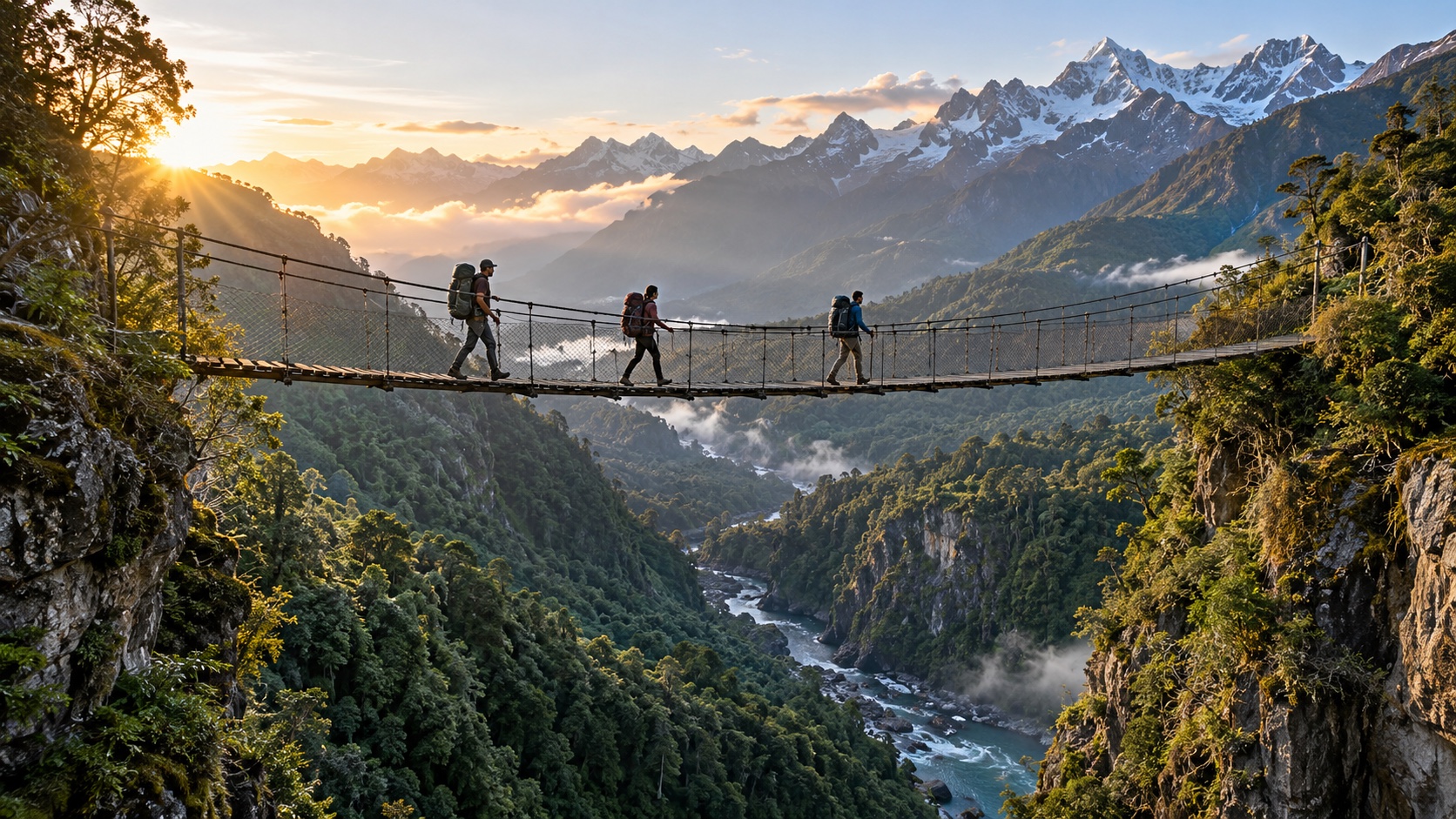
Choose a Vacation Built Around the Thrill You Actually Want
The best adventure vacation is not simply the trip with the most intimidating activity list. It is a well-paced journey organized around the sensation a traveler wants most: speed on moving water, exposure high above a valley, sustained effort across a mountain range, immersion in a remote ecosystem, or the satisfaction of learning a demanding skill. A rafting expedition creates shared momentum and camp-to-camp progression. A mountain base offers varied day trips and comfortable recovery. A surf camp rewards repetition rather than constant novelty. Choosing the right format matters because it determines how much instruction, transit, weather risk, and physical strain the week contains. The following vacation styles help thrill seekers compare not just destinations, but the daily reality behind each kind of escape.
A: A guided whitewater or multi-sport trip usually begins with immediate activity.
A: An alpine or desert base permits daily choices around weather and energy.
A: Surf, dive, climbing, and mountain-bike camps prioritize repeated coached practice.
A: Some are, but certification requirements and current experience vary widely.
A: Fit enough to preserve judgment after the longest advertised day, not merely finish it.
A: Base trips and camps with parallel groups make that easier.
A: Specialized transfers, equipment rental, insurance upgrades, and mandatory gratuities.
A: For unusual goals, uneven group ability, or technical terrain needing tailored pacing.
A: No; recovery protects both enjoyment and decision-making.
A: An operator that explains limits as clearly as highlights.
Multi-Day Whitewater for Shared Momentum
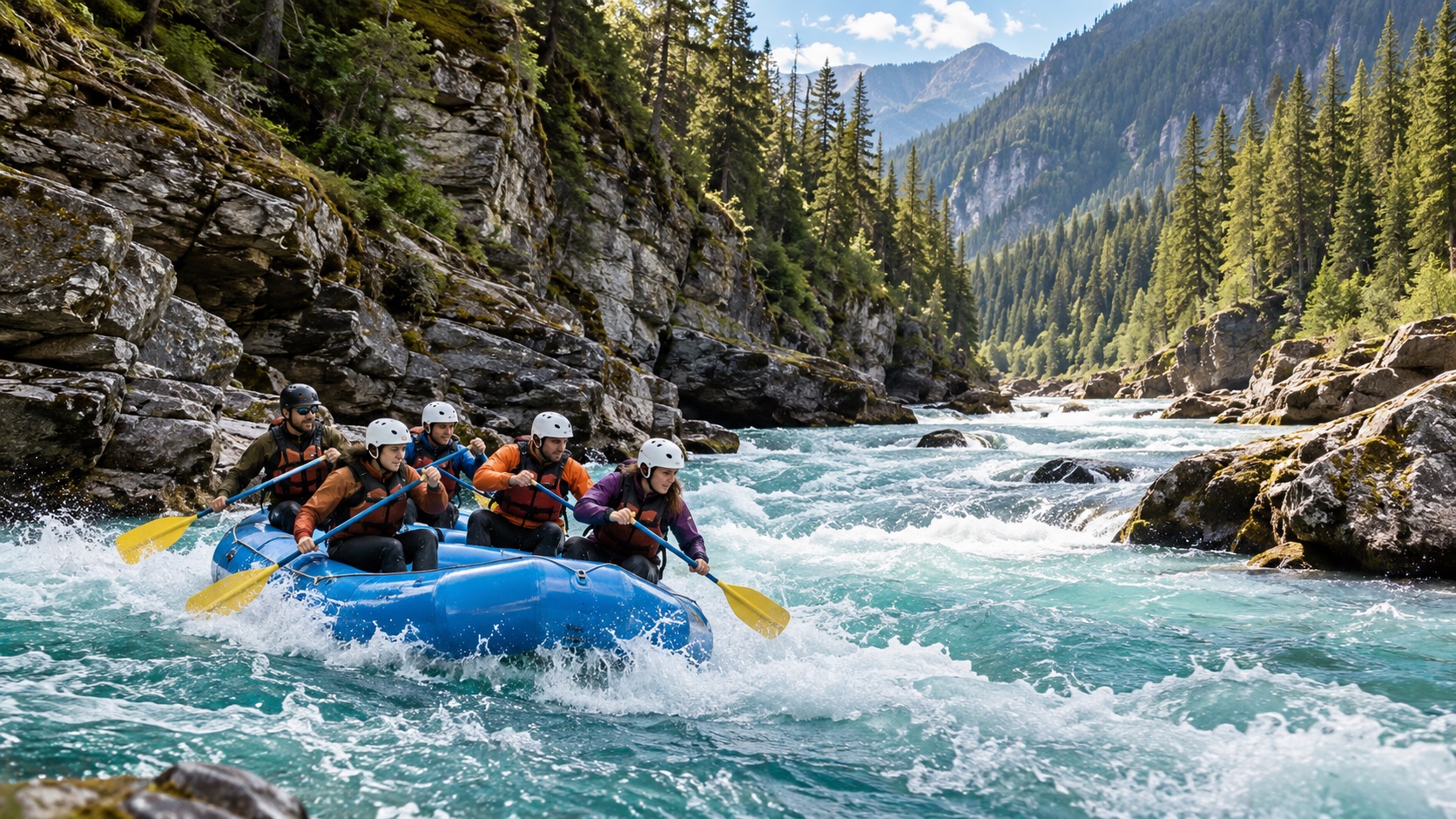
A river expedition is one of the purest adventure-vacation formats because the route carries the group forward. Each day blends rapids with quieter water, camp routines, changing canyon walls, and decisions shaped by river level. Costa Rica’s Pacuare, sections of the Colorado River system, and numerous mountain rivers around the world offer trips that range from lodge-supported comfort to remote camping. The appeal is not only the rapids. It is the feeling of traveling through a landscape rather than returning to the same hotel after each outing. Difficulty labels require context. A river’s classification, flow, temperature, remoteness, and swim consequences all matter. Ask whether guests paddle actively, how rafts are configured, and what happens if someone falls out. A novice can thrive on a well-run trip with clear instruction, while an athletic traveler may struggle if cold water or repeated early starts were underestimated. Pack for wet transitions and value the guide who cancels a section when conditions exceed the group’s margin.
An Alpine Base Week for Height and Choice
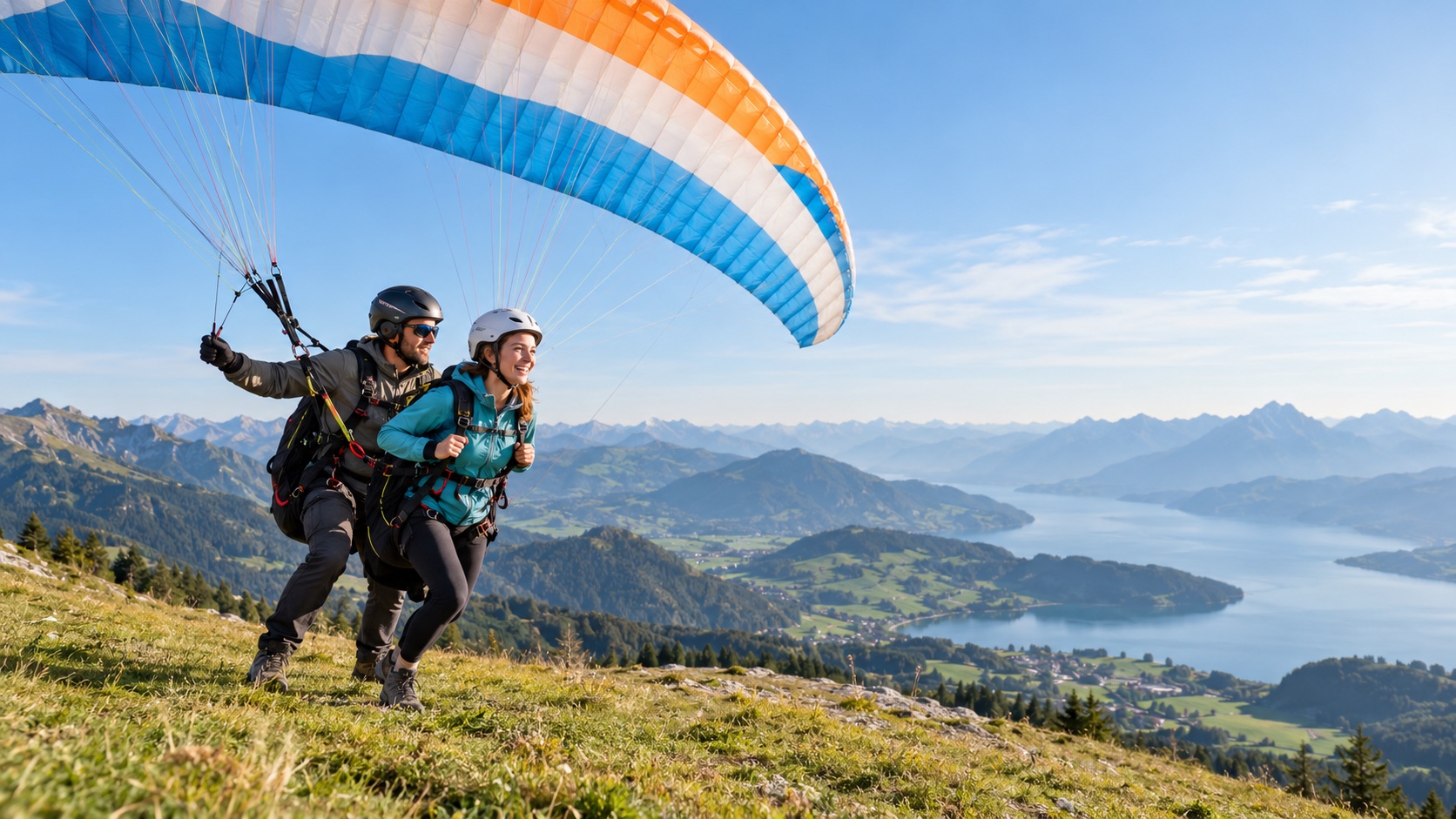
An alpine base places many possible thrills around one town or lodge. Queenstown, Chamonix, Interlaken, and similar mountain hubs can combine paragliding, via ferrata, rafting, mountain biking, hiking, climbing, or seasonal snow sports. This format suits travelers who want serious activity but also prefer a private room, restaurant choices, and the option to change plans without dismantling an expedition.
The risk is overbooking. A calendar packed with nonrefundable departures can become punishing when weather delays one activity or soreness follows another.
Choose two anchor experiences, then fill around them after seeing conditions. A tandem flight followed by a hard downhill ride may look efficient on paper but demands different kinds of attention and leaves little margin. Use the base as an advantage: recover, watch forecasts, and let local guides recommend the right day for the most exposed objective.
Surf Camp for Repetition and Ocean Awareness
Surf camps offer a different kind of thrill. Progress comes from repeated contact with a changing ocean, not from completing a single attraction. Good programs group surfers by ability, explain currents and etiquette, use beaches appropriate to the day, and include video or shore-based feedback. Portugal, Costa Rica, Indonesia, Morocco, Australia, and many other coasts support camps, but the quality of instruction and local break selection matters more than a fashionable destination name.
Beginners should expect fatigue in shoulders and lower backs, and should not assume warm water removes risk. Rip currents, crowded takeoff zones, shallow reef, sun, and collisions demand attention. A camp with two shorter sessions may teach more than one exhausting block. Experienced surfers should ask how guides handle transport between breaks and whether the program truly serves their level. Everyone benefits from respecting priority rules and avoiding a crowded peak beyond their control.
Canyoning for Technical Variety in a Single Route
Canyoning compresses hiking, scrambling, swimming, rappelling, and route-finding into one continuous descent. Depending on geology and water, a day might involve dry sandstone slots, clear alpine pools, jungle waterfalls, or narrow limestone gorges. Madeira, the Azores, parts of Spain and France, New Zealand, and numerous other regions have established guided routes. The constant change keeps attention high and makes even a modest distance feel eventful. Route names rarely communicate the full commitment. Water temperature, escape points, rappel length, flood potential, and approach terrain determine whether a canyon suits the group. Wear the provided protection correctly and disclose discomfort with heights or confined water before entering. Once committed, turning around may be difficult. Strong operators describe the crux, monitor upstream weather, and choose a route that leaves guests challenged but still capable of listening and moving deliberately.
A Mountain-Bike Holiday for Skill-Based Speed
Mountain-bike vacations range from coached trail-center weeks to vehicle-supported descents and multi-day backcountry routes. The thrill comes from reading terrain at speed: braking before a corner, weighting the bike through rough ground, and choosing a line without outriding visibility. Destinations with graded networks and professional instruction allow travelers to progress gradually rather than being deposited on a famous trail they are not ready to ride.
Ask about surface, elevation loss, exposure, uplift systems, and the amount of pedaling. “Intermediate” is not universal across trail systems. Protective equipment cannot compensate for poor judgment or a mismatch in skill. A coached opening day is valuable even for regular riders because local soil, trail rules, and rental-bike handling may feel unfamiliar. Build hand and forearm recovery into the week; fatigue often appears in braking and posture before riders admit they are tired.
A Dive Liveaboard for Immersion Below the Surface
A liveaboard concentrates diving by moving guests between sites while they eat and sleep aboard. Remote reefs, walls, wrecks, and pelagic encounters become accessible without daily transfers from shore. For qualified divers, that rhythm can be deeply absorbing: brief, dive, log the experience, rest, and watch the horizon change before the next entry. It can also expose weaknesses in buoyancy, air consumption, equalization, or comfort with currents.
Review minimum certification and recent-dive requirements honestly. Four dives a day may be offered, but guests should skip one when cold, fatigue, congestion, or attention suggests a pause.
Confirm safety equipment, emergency oxygen, crew training, and evacuation realities. Responsible operators protect reefs through mooring practices and clear contact rules. The best guests do the same by controlling buoyancy rather than reaching for coral when a photograph or current creates pressure.
Winter Adventure for Travelers Who Respect Cold
Winter trips add an environmental skill to every activity. Ski touring, snowshoe crossings, dog-sled journeys, ice climbing, and hut-to-hut routes depend on clothing systems, daylight, avalanche awareness, and the ability to keep equipment functioning. Japan, Norway, Finland, Canada, the Alps, and many northern regions offer supported options with very different levels of remoteness. Cold magnifies small mistakes. Damp gloves, insufficient food, an exposed battery, or a delayed departure can matter quickly. Avalanche terrain requires appropriate education and leadership; a beacon is not a protective charm. First-time winter adventurers often learn more from a guided day and a comfortable lodge than from a self-supported itinerary designed to prove toughness. Choose a format that lets competence grow while warmth, shelter, and communication remain reliable.
Wildlife Adventure for Patience and Alertness
Wildlife-focused travel can be thrilling without speed. Walking safaris, small-boat polar outings, rainforest tracking, and snorkeling with marine animals heighten attention because travelers must read sound, movement, wind, and guide signals. The excitement comes from uncertainty and proximity to an untamed system, not from forcing an encounter. Group discipline becomes a safety tool as well as an ethical obligation.
Choose operators that keep appropriate distance, limit crowding, and refuse to bait or corner animals for a better view. Ask how guides respond when an animal changes direction or shows stress. Long quiet periods are part of the experience. A traveler who accepts them is more likely to appreciate tracks, habitat, and behavior instead of evaluating the day by a single dramatic photograph.
Multi-Sport Circuits for Travelers Who Need Change
A multi-sport itinerary might link rafting, cycling, hiking, paddling, climbing, and cultural stops across one region. It suits energetic travelers who enjoy adaptation more than mastery. The best circuits use each activity to reveal a different landscape rather than adding novelty for its own sake. A bike ride between villages, for example, can create continuity that a shuttle would erase. Because equipment and movement change often, transitions deserve scrutiny. Ask how luggage travels, whether fitting time is included, and what ability level applies to each segment. One advanced component can make an otherwise moderate trip unsuitable. Carefully designed alternatives allow guests to opt out without disrupting the group. Variety is valuable only when the schedule leaves enough mental space to understand each briefing and enough physical reserve to enjoy the final days.
Build the Thrill Around Judgment Not Bravado
Once the format is chosen, examine the week from the hardest day backward. Identify what skills, sleep, nutrition, acclimatization, and weather are needed to arrive ready. Schedule instruction before exposure and recovery before the next complex task. Buy insurance that names the activities rather than assuming a broad travel policy covers them. Share medical information that a guide would need during an emergency.
Thrill seeking at its best is not careless. It is concentrated attention under conditions that feel vivid and consequential. A strong adventure vacation makes that attention possible through competent leadership, honest pacing, suitable equipment, and respect for the setting. When those foundations are in place, the excitement does not have to be manufactured. The river, ridge, wave, canyon, or winter sky will provide more than enough.
Recover Like Recovery Is Part of the Itinerary
Adventure schedules often celebrate output and ignore the conditions that preserve it. Sleep, food, hydration, and dry equipment determine whether a traveler approaches the final days with attention or merely endurance. Eat soon after long activity when practical, replace wet layers, and address small blisters or hot spots before they become route-ending injuries. Alcohol can worsen sleep, dehydration, altitude response, and judgment; the celebratory evening is not separate from the next morning’s exposure. Mental recovery matters too. Technical instruction, unfamiliar transport, group dynamics, and constant decisions create fatigue even when muscles feel strong. An afternoon without a briefing or departure time can restore enthusiasm. Couples and friends should feel free to choose different recovery activities rather than treating separation as a failure of the shared vacation. One person may need a walk through town while another needs silence and a nap. The final day deserves particular care. Avoid placing the most consequential activity immediately before a flight or long drive, and consider how pressure to “finish strong” changes choices. A trip that ends with enough reserve to appreciate dinner, thank the guides, and organize gear has been paced well. Recovery does not dilute the thrill. It allows each challenge to remain distinct instead of becoming one exhausted blur. Use the same honesty after the trip. Persistent pain, unusual fatigue, or a frightening moment deserves attention rather than a heroic retelling. Repair rented or personal gear promptly, record useful lessons, and thank operators who made conservative decisions. Reflection turns a thrilling week into better judgment for the next one. If the vacation awakened interest in a sport, continue through qualified local instruction rather than copying the most dramatic moment independently. Skills fade, equipment changes, and a guided success does not automatically transfer to a new environment. The best souvenir is a realistic path toward greater competence, supported by patience and respect for the activity.