Adventure Destinations That Earn the Journey
An adrenaline-filled escape is most memorable when the destination offers more than a single headline activity. The strongest adventure bases combine dramatic terrain, experienced local guides, several ways to explore, and enough cultural depth to make the quieter hours meaningful. Queenstown may draw a traveler with a bungy jump, for example, but its alpine trails, rivers, ski fields, and lake turn that thrill into a complete vacation. Costa Rica pairs rafting and canopy courses with volcano country, wildlife, and warm-water coasts. The right choice therefore depends less on finding the most extreme stunt and more on matching landscape, season, physical ability, and risk tolerance. The destinations below stand out because they let travelers build a varied itinerary while making responsible choices about weather, training, equipment, and local impact.
A: Costa Rica or Queenstown works well because guided options span gentle to intense levels.
A: Iceland, Utah, and Queenstown place contrasting landscapes within practical touring distance.
A: Nepal and Patagonia reward longer itineraries, preparation, and weather flexibility.
A: Yes, when the itinerary uses scenic walks, introductory paddles, and rest days.
A: Train before departure, then take a local briefing for conditions and equipment.
A: No; strong guiding and terrain variety can matter more than isolation.
A: Book limited permits and specialist guides first, then flexible supporting arrangements.
A: Safety-critical guiding, protective equipment, and appropriate evacuation coverage.
A: Keep alternate activities and at least one unscheduled day in the plan.
A: A challenge matched to the traveler, followed by time to absorb the place.
Queenstown New Zealand for Variety in One Alpine Base
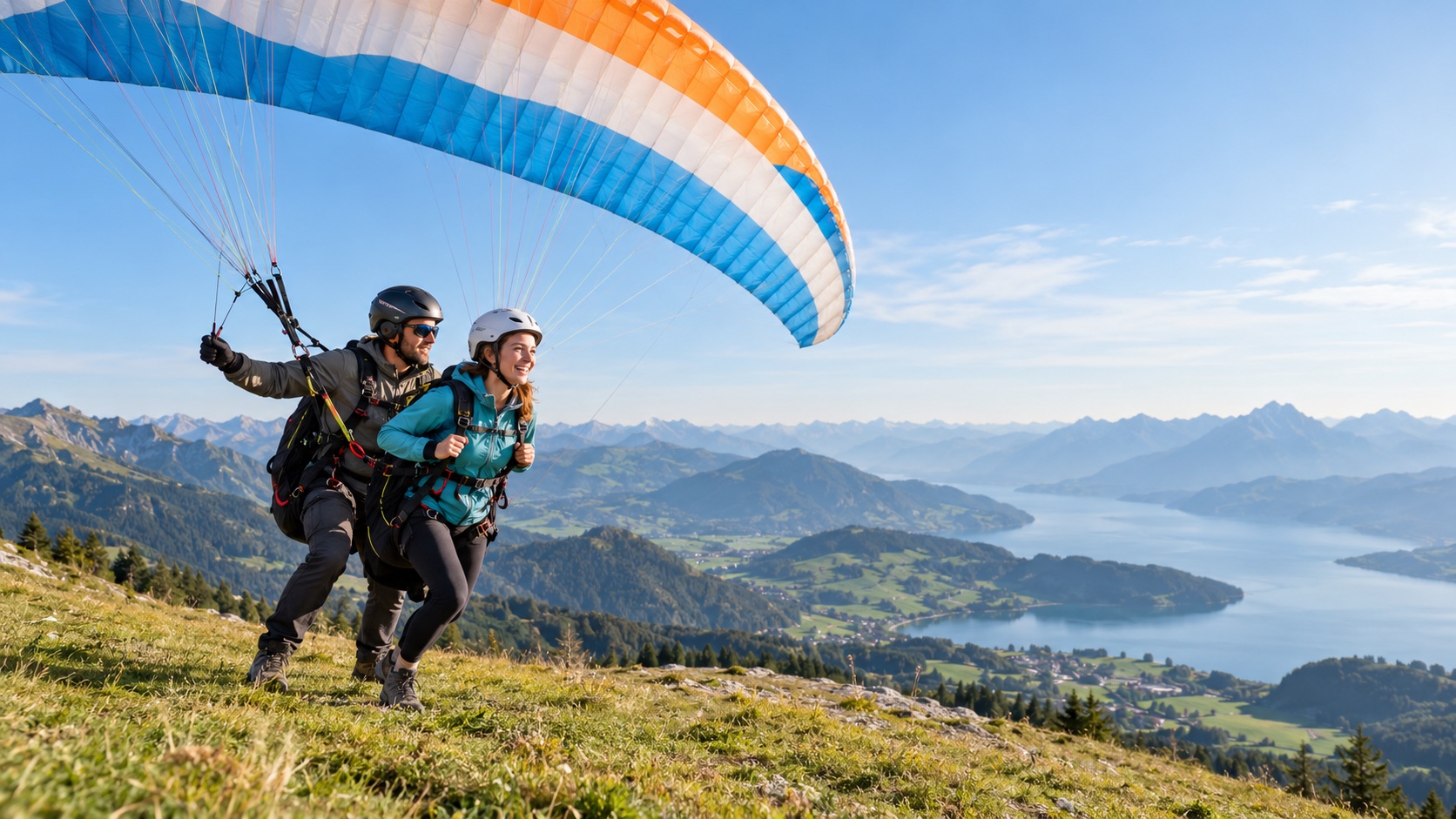
Queenstown remains a benchmark because the surrounding landscape supports adventure on land, water, and in the air. A traveler can hike above Lake Wakatipu, raft the Shotover, ride forested mountain-bike trails, paraglide from an elevated launch, or ski at Coronet Peak and The Remarkables in winter. The famous bungy and canyon-swing experiences are only one layer. That breadth lets companions with different comfort levels share a destination without forcing everyone into the same activity.
The practical advantage is infrastructure. Numerous licensed operators, equipment rentals, transport options, and weather alternatives make the area approachable for a first high-energy trip. Summer favors hiking and river activities, while winter centers on snow. Popular departures can fill quickly, so reserve one or two priority experiences and leave breathing room around them. A calm lake cruise, vineyard visit, or short scenic trail can provide recovery without making the day feel wasted.
Costa Rica for Rainforest Rivers and Warm-Water Adventure
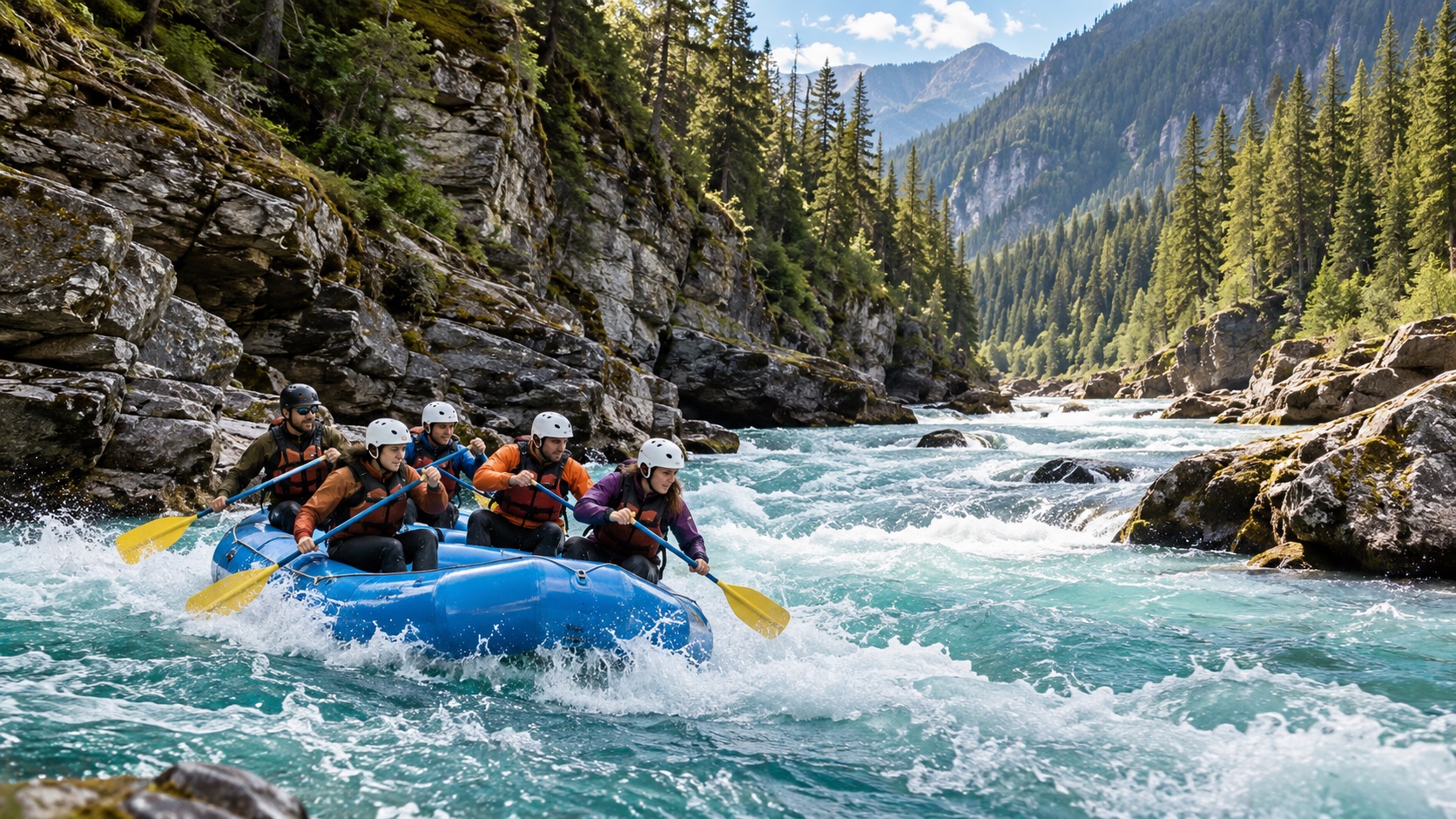
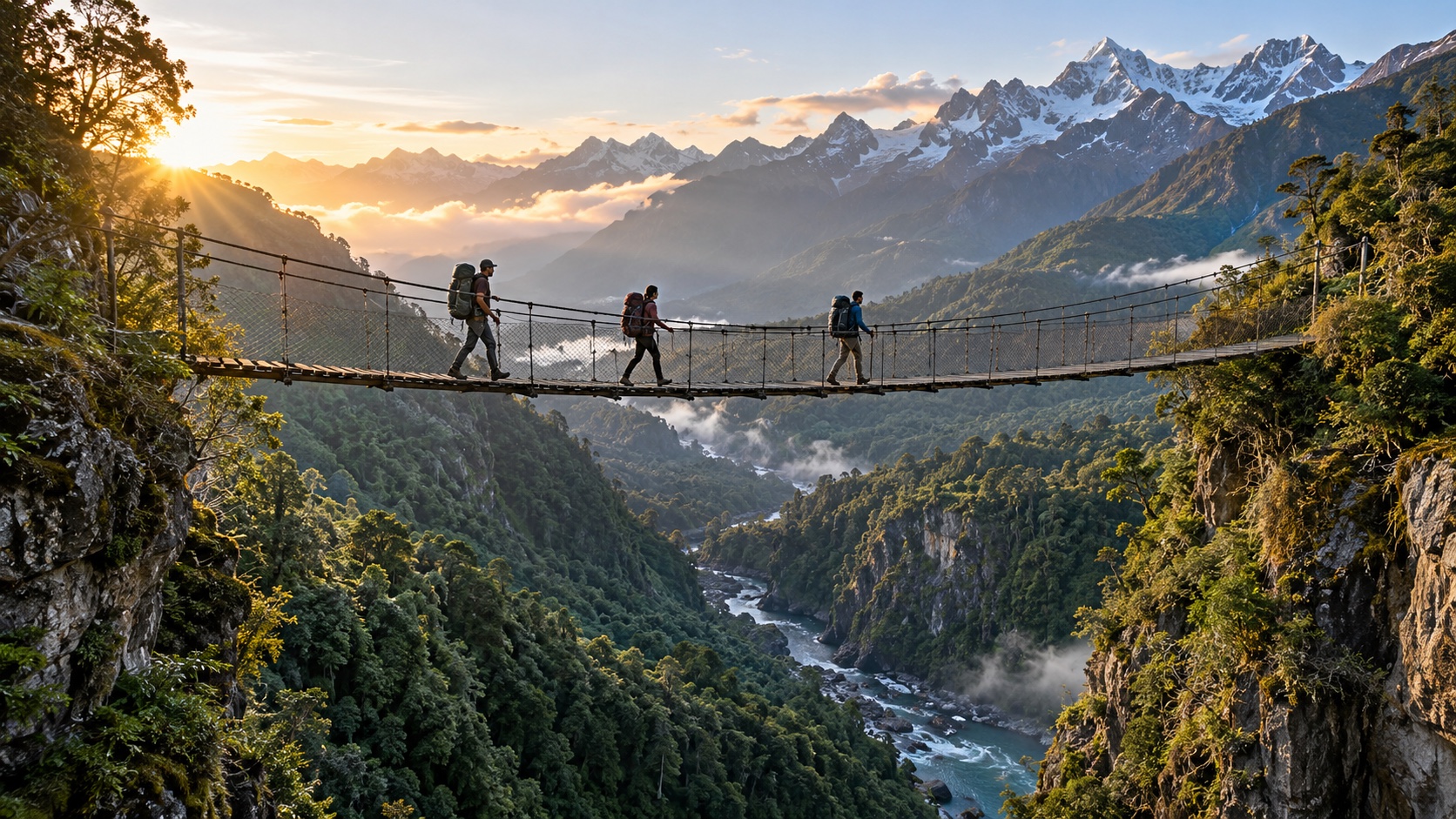
Costa Rica works especially well for travelers who want intensity without committing to a single harsh environment. The Pacuare River is known for multi-day rafting through forested gorges, while Arenal and Monteverde offer trails, hanging bridges, canopy courses, and volcanic scenery. Pacific and Caribbean coasts add surfing, kayaking, snorkeling, and wildlife-focused outings. Travel days between regions can be longer than the map suggests, so a focused itinerary is better than racing across the country. Rain patterns shape the experience. Higher water may make rafting more powerful, while heavy storms can disrupt roads and visibility. A reputable outfitter will describe seasonal limits, swimmer requirements, safety kayaks, and cancellation rules in plain language. Travelers should also distinguish between a fast commercial zip line and a slower naturalist-led canopy experience; both can be enjoyable, but they satisfy different reasons for visiting the forest.
Patagonia for Wind Tested Treks and Immense Space
Patagonia stretches across southern Chile and Argentina, and its scale defeats hurried planning. Torres del Paine, El Chaltén, the Carretera Austral, and Tierra del Fuego each deserve time. The central adventure is usually movement through the landscape: long hikes beneath granite towers, glacier approaches, horseback routes across open steppe, or paddling in protected channels. Weather is part of the challenge, not a detail to check the night before.
Strong wind, rapid temperature changes, and limited transport reward conservative scheduling. Build a buffer around a major trek and carry layers that work while moving and during exposed stops.
Reservations may be required for popular camps and refugios. Travelers who accept a shortened route rather than pushing through unsafe conditions often come away with a better story and a more respectful relationship with the terrain.
Iceland for Accessible Geology and Cold-Climate Skills
Iceland compresses glaciers, volcanic fields, geothermal areas, waterfalls, black-sand coasts, and highland tracks into a relatively small country. Guided glacier walks, ice-cave visits in suitable seasons, rafting, snorkeling in cold clear water, and multi-day hiking routes make it easy to choose a specific level of challenge. The Ring Road supports a flexible road trip, but famous stops can become crowded and winter conditions can change driving plans abruptly.
Do not confuse proximity with simplicity. Glaciers require qualified guidance, coastal sneaker waves are dangerous, and highland roads may be inaccessible outside summer. Wind can make an otherwise ordinary drive hazardous. Plan around official conditions, rent a suitable vehicle, and resist adding too many distant stops. Iceland feels more adventurous when travelers spend time walking, soaking, or watching a storm pass instead of treating the island as a photographic checklist.
Nepal for Altitude Journeys With Cultural Depth
Nepal’s great trekking regions offer a progression from accessible foothill walks to demanding high passes and expedition peaks. Routes in the Annapurna region, Everest region, and less-traveled valleys connect mountain scenery with villages, monasteries, and tea-house hospitality. The adventure unfolds over days rather than minutes, and the slow rhythm is essential. Acclimatization cannot be replaced by gym fitness or determination. Choose an itinerary with conservative elevation gains and clear contingency plans. A guide can add navigation, cultural interpretation, logistics, and emergency judgment, but travelers should still understand altitude symptoms and speak up early. The best trek is not automatically the highest. A lower route with good weather, conversation, and time in villages may be far richer than a rushed attempt to reach a famous viewpoint.
Utah USA for Sandstone Routes and Desert Precision
Southern Utah’s canyon country provides a striking alternative to alpine adventure. Hiking, mountain biking, canyoneering, climbing, and river trips unfold among fins, arches, slot canyons, and broad plateaus. National parks such as Zion, Bryce Canyon, Capitol Reef, Canyonlands, and Arches create obvious anchors, while surrounding public lands widen the range of routes. The landscape looks open, yet water, heat, flash floods, and route-finding impose firm limits.
Spring and fall often bring more manageable temperatures, although any season can produce dangerous conditions. Slot canyons require careful weather assessment far beyond the immediate sky overhead. Carry more water than an urban day hike would suggest, protect skin from sun, and avoid fragile biological soil crusts. Technical canyoneering demands instruction and proper rope systems; an attractive online photo is not proof that a route suits an independent beginner.
Norway for Fjords Viewed From Water and Ridge
Norway combines sea-level paddling with steep mountain routes, allowing travelers to see the same fjord from radically different perspectives. Kayaks move quietly beneath waterfalls and cliffs, while trails climb to broad views over narrow blue water. Farther north, long summer light expands the day, and winter brings skiing and northern landscapes that require a different skill set. Ferries and public transport can support a lower-stress itinerary, though rural schedules require attention.
Some celebrated viewpoints involve exposed terrain, sustained climbing, or rapidly changing weather. Crowding can also alter the experience and increase trail wear.
Start early when appropriate, consider less famous alternatives, and turn around when cloud, wind, or fatigue removes the margin for error. A guided paddle or ridge walk can be worthwhile not only for safety but also for understanding local weather, access, and fjord ecology.
Canadian Rockies for Lakes Trails and Alpine Progression
Banff, Jasper, Yoho, and nearby provincial parks make the Canadian Rockies an excellent place to progress from scenic walks to longer backcountry routes. Glacial lakes and accessible viewpoints serve casual visitors, while scrambling, climbing, rafting, and multi-day hiking challenge experienced travelers. Distances are substantial, wildlife rules are serious, and popular trailheads may use reservation or shuttle systems. Bear-aware travel, food storage, and group practices are part of the preparation. Snow can linger on high routes after lower valleys look summery, and wildfire smoke or closures can reshape a trip. Instead of building the entire vacation around one iconic lake, choose several activity levels and regions. That flexibility spreads visitor pressure and prevents one closure from erasing the purpose of the journey.
How to Choose Without Chasing the Biggest Thrill
Start with the environment that genuinely excites you: tropical river, desert canyon, glacier, high mountain, or coastal fjord. Then list the activity you most want to learn, the conditions you can tolerate, and the recovery time you need. A technically easy outing can still be demanding at altitude, in heat, or after repeated travel days. Likewise, an intense guided activity may fit safely into a balanced vacation when the surrounding schedule is calm.
Check the operator as carefully as the destination. Ask about guide qualifications, equipment maintenance, participant screening, group size, emergency communication, and weather decisions. Clear answers are a better signal than dramatic marketing. Adventure travel is not about eliminating uncertainty; it is about entering uncertainty with preparation, humility, and enough reserve to respond well.
Turn the Destination Into a Complete Escape
The final itinerary should alternate exertion, learning, and observation. Place the most important weather-dependent activity early enough to reschedule, follow demanding days with lighter movement, and keep at least one open block. Eat well, dry gear fully, and sleep rather than treating recovery as a loss of vacation time. These ordinary choices protect judgment when the next challenge arrives. An unforgettable escape also leaves room for the people and character of the destination. Talk with guides about local conservation, buy from communities that host the activity, and notice what exists beyond the launch point. The rush may be the moment remembered first, but the full destination—its scale, weather, stories, and rhythms—is what gives that moment meaning.
Prepare for the Destination Before Departure
Preparation should resemble the trip rather than a generic fitness campaign. A traveler bound for Nepal can practice long, steady walks on consecutive days and learn how appetite, hydration, and feet respond. Someone planning Costa Rican rafting can improve swimming comfort and upper-body endurance without pretending to rehearse a river in a pool. Desert travelers should test sun clothing and water-carrying systems, while winter visitors need to practice layering without trapping sweat. These small rehearsals expose equipment problems while the solution is still easy.
Administrative preparation matters just as much. Confirm entry requirements, permits, driving rules, medical access, and the exact activities covered by insurance. Save copies of reservations and emergency contacts offline. Tell a trusted person the broad itinerary, especially when several days fall beyond normal communication. Review the destination’s official safety guidance close to departure because fires, storms, volcanic activity, floods, and road closures can change faster than a guidebook. Finally, arrive with a willingness to revise the imagined trip. The landscape does not owe visitors the photograph, summit, rapid, or flight they planned. When conditions close one route, a lower trail, community museum, local meal, or guide-led nature walk can reveal the destination more fully than forcing the original objective. Flexibility is not merely a backup strategy; it is one of the central skills of adventure travel. Keep the first evening intentionally light. Assemble equipment, confirm pickup details, eat a familiar meal, and sleep before making consequential choices. Jet lag and travel delays can disguise themselves as excitement. Beginning with reserve makes the destination feel generous rather than something that must be conquered immediately. The same principle applies to the trip home. Do not place a remote expedition return against an inflexible international departure. Weather and transport delays are normal features of many adventure regions. A buffer protects the flight, reduces pressure on guides, and gives travelers a final chance to clean equipment, organize photographs, and appreciate what they completed.