A Wellness Bucket List Should Feel Restorative, Not Performative
The most rewarding wellness travel experiences are not always the most expensive, remote, or photogenic. They are the ones that help the body exhale and give the mind enough room to notice what it has been carrying. A strong wellness travel bucket list might include thermal bathing, forest walks, quiet islands, sleep retreats, food rituals, gentle movement, and places where the daily schedule finally slows down. The point is not to collect soothing destinations like trophies. It is to choose experiences that leave you steadier after the trip than before it.
A: Start with the experience that answers your current need, such as sleep, water, nature, food, or silence.
A: No. Fit, quiet, teaching quality, and pacing matter more than price alone.
A: Yes, nearby hot springs, quiet inns, and nature weekends can be genuinely restorative.
A: Many travelers respond strongly to thermal bathing because it combines warmth, ritual, and rest.
A: Solo travel can help when you need quiet, but shared trips work if the pace matches.
A: One meaningful anchor and several open hours usually works better than a packed wellness agenda.
A: Look at transfers, schedule, meal style, climate, room quiet, and reentry timing.
A: They should be, because your body and life season will change.
A: Yes, especially when meals support pleasure, culture, digestion, and slower rhythm.
A: It is worth taking when it gives you a clearer, kinder rhythm you can carry home.
Start With the Kind of Calm You Want
Some travelers relax through warmth and water; others need silence, walking, nourishing meals, or a place where phones feel unnecessary. Naming the kind of calm you want keeps the list from becoming a pile of pretty spa photos.
A useful wellness bucket list should include different levels of commitment. Keep a few nearby experiences for easy resets, several regional trips for deeper rest, and one or two dream journeys that require more time and saving.
Relaxing travel is still travel, which means logistics matter. The most peaceful idea can become stressful if it involves too many transfers, an overloaded schedule, or a climate your body dislikes.
Thermal Bathing and Hot Spring Journeys
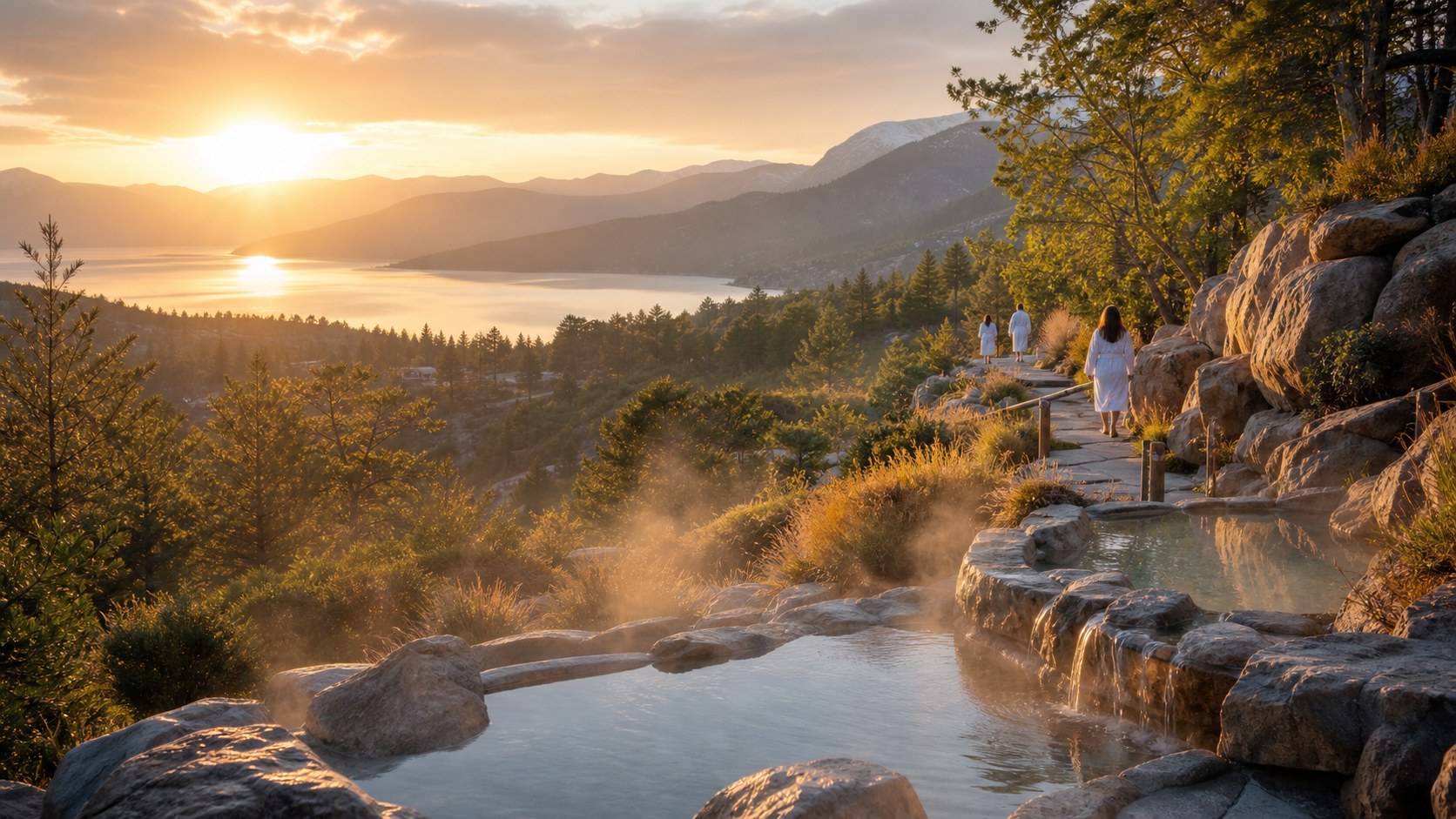
Hot springs belong on almost every wellness travel list because they combine place, ritual, and physical ease. Japan's onsen towns, Icelandic geothermal lagoons, European thermal bath cities, and mountain hot springs in the Americas all create different versions of warmth and pause.
The best thermal trips are not only about soaking. They include the slow movement around the bath: changing, rinsing, stepping outside into cool air, resting afterward, and letting the day remain unhurried. That ritual is what separates a hot spring journey from a quick dip.
Nature Experiences That Reset the Senses
Forest bathing in Japan or Korea, coastal walking in Portugal, desert stargazing in Arizona or Jordan, and lake retreats in the Alps or New Zealand can all become wellness experiences when the pace is gentle enough. Nature works best when it is not treated as a backdrop for constant activity.
A sensory reset may be quieter than a formal retreat. The sound of water, a shaded trail, clean air, or a long view can help attention widen. These experiences are especially valuable for travelers who spend most of the year indoors, online, or in tightly scheduled environments.
Choose routes and settings that let you linger. A place that requires constant driving between scenic stops may look impressive but feel less restorative than one walkable village, one lake path, or one quiet garden.
Food, Sleep, and Slow Daily Rituals
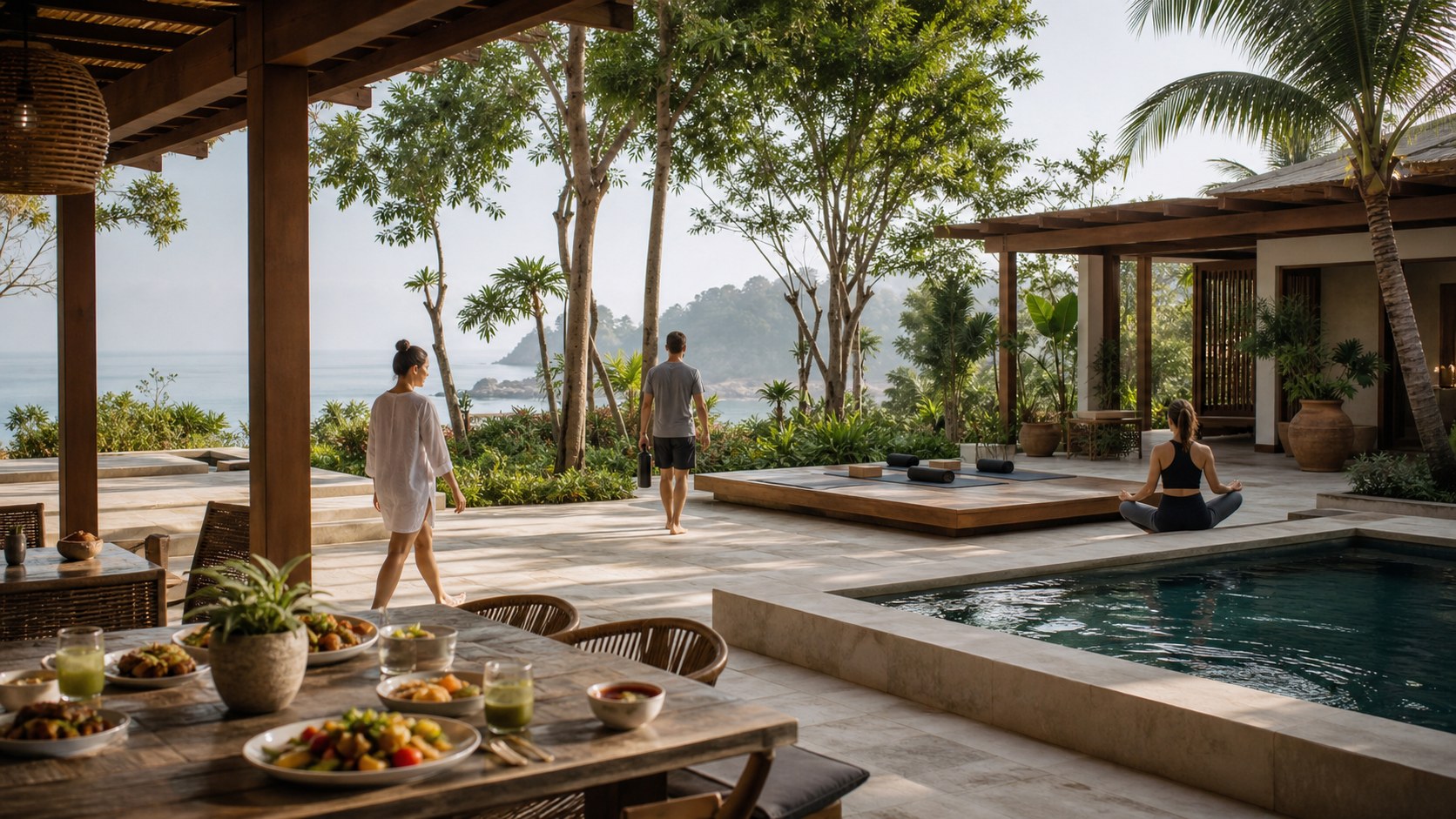
Wellness travel should not reduce food to restriction. A bucket list can include farm stays, tea ceremonies, cooking retreats, Mediterranean coastal meals, Ayurvedic cooking, or simple breakfasts eaten outside without a screen. Food becomes restorative when it supports pleasure, digestion, culture, and rhythm.
Sleep-focused travel is also worth taking seriously. Quiet hotels, dark rooms, gentle mornings, and destinations without nightlife pressure can do more for some travelers than any treatment menu. A trip built around sleeping well may sound plain, but it can be quietly life-changing.
The best slow rituals are portable. If a destination teaches you to drink tea without rushing, walk after dinner, or stop checking your phone before breakfast, the trip continues at home.
Gentle Movement Worth Traveling For
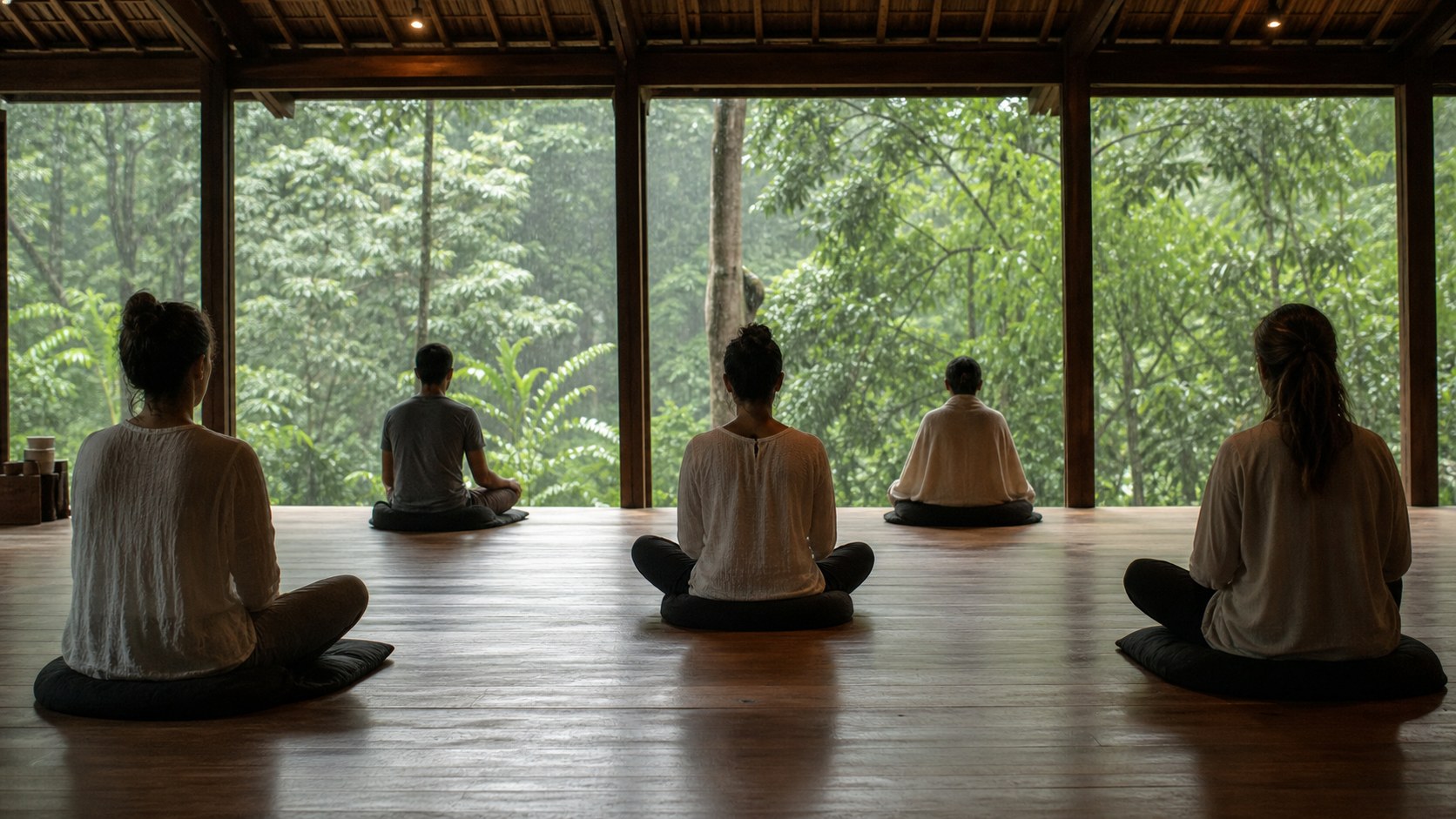
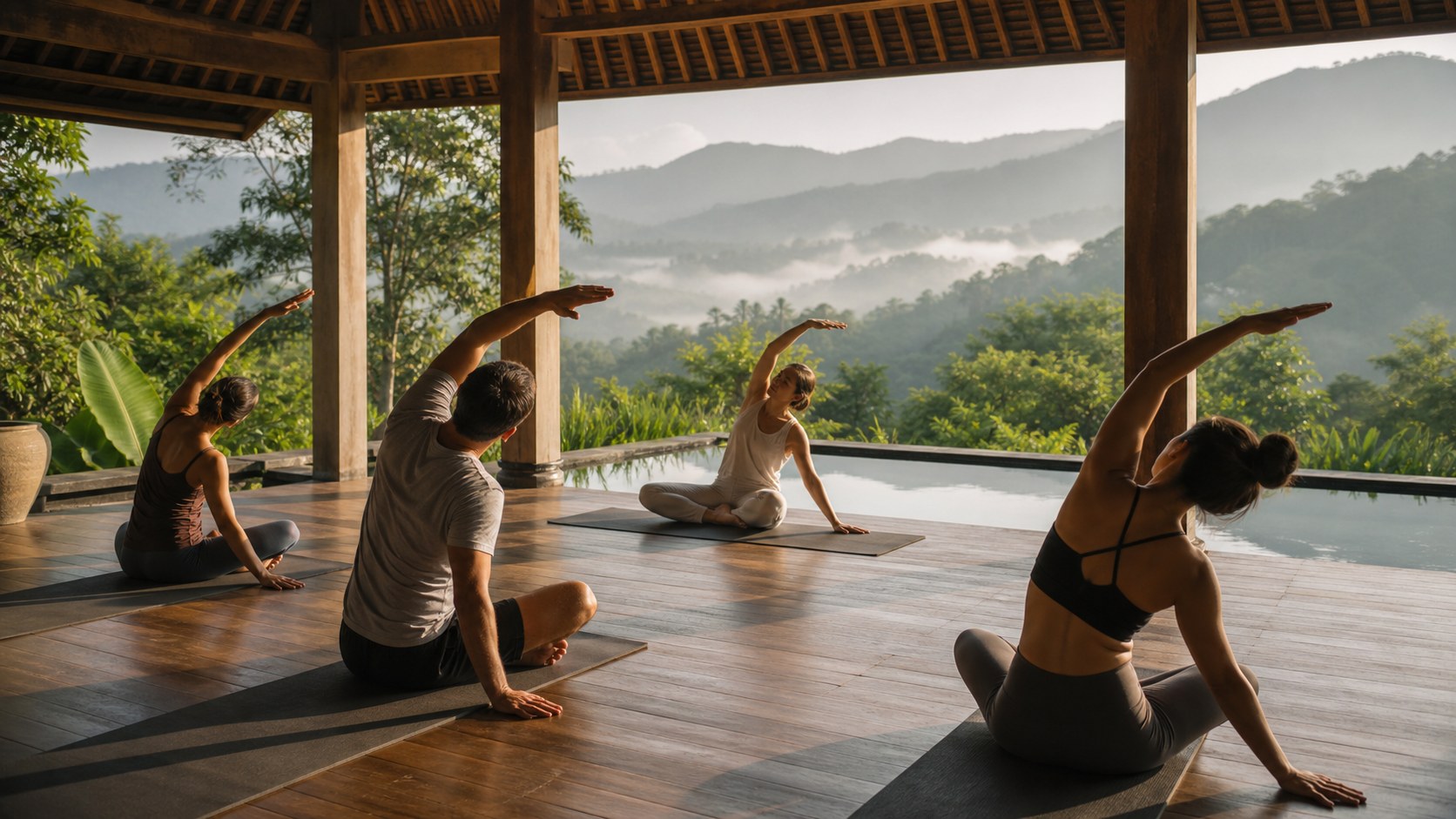
Yoga retreats, coastal hikes, tai chi in a park, swimming in calm water, Pilates weekends, and walking pilgrimages all belong on a wellness bucket list when they meet the body kindly. Movement should feel like a return to sensation rather than a public test of discipline.
The right level matters. A challenging hiking retreat can be renewing for one traveler and depleting for another. Pick the movement experience that helps you inhabit your body with more trust, not the one that sounds most impressive.
Turning the List Into Real Rest
A wellness bucket list should be scheduled with recovery in mind. Leave open afternoons, buffer days, and softer reentry after travel. If every relaxing experience is wedged between red-eye flights and a full inbox, the trip has to work too hard.
The strongest list is personal and flexible. Some years may call for a silent retreat; others may call for hot water, good soup, and a room with no alarm. Let the list evolve with your season of life.
Relaxing experiences are worth taking when they change the way you relate to time. The best ones remind you that rest is not a reward for finishing everything. It is part of staying human enough to enjoy the journey.
A good bucket list also includes small wellness pilgrimages close to home. A mineral bath a few hours away, a cabin weekend, a botanical garden, or a quiet inn with excellent breakfast can keep restoration from becoming something available only through major spending.
When comparing faraway wellness experiences, study the first and last day of the trip. A restorative stay can be weakened by a punishing arrival or a chaotic departure. Direct flights, private transfers, or an extra night near the airport may be worth more than another scheduled treatment.
Cultural etiquette matters in wellness spaces. Onsen bathing, hammam rituals, temple stays, meditation halls, and traditional healing practices often have customs that protect both respect and comfort. Learning those customs before arrival helps the experience feel less awkward and more meaningful.
It is also wise to choose experiences that do not ask you to become a different person overnight. A bucket list should support curiosity and care, not sell the fantasy that one trip will fix every habit. The most durable wellness travel usually gives you one or two practices that feel realistic enough to continue.
Travel companions can change the value of a relaxing experience. Some wellness trips are best alone, especially when the goal is silence, sleep, or reflection. Others become richer with a partner or friend who also wants slow meals, unplanned hours, and early nights. Choose company as carefully as destination.
The list should include seasons. Winter may call for thermal water, sauna, and snow views. Spring may suit gardens and walking retreats. Summer can favor lakes, islands, and cool mountain mornings. Autumn often works beautifully for harvest meals, forest color, and quieter resorts.
A wellness bucket list is successful when it gives you more than escape. It gives you examples of how life feels when the body is cared for, the day has space, and pleasure does not need to be earned through exhaustion.
One useful way to choose the first trip is to ask what kind of stress you are trying to interrupt. If the stress is mental noise, silence or nature may help. If it is physical tension, thermal water or massage may be better. If it is emotional heaviness, a place with gentle structure and kind support may matter more than scenery.
Wellness travel is also more effective when the itinerary protects transitions. Build in time to arrive, unpack, eat, and sleep before expecting yourself to receive anything profound. A trip that begins with a race from airport to class can accidentally reproduce the pace you hoped to leave behind.
The most valuable bucket-list experiences often teach discernment. You learn which kinds of rest actually work for you and which only look relaxing from the outside. That knowledge is practical. It helps every future trip become less performative and more honest.
Stress relief also depends on how a retreat handles choice at the edges of the program. Can guests sleep through an optional sunrise class without awkwardness? Can they ask for a quieter table? Can they choose a gentler massage or skip a sharing circle? These small freedoms tell the body that it is not trapped inside another set of expectations.
Some retreats include excursions, but excursions should be chosen carefully when stress relief is the purpose. A short nature walk, calm boat ride, or market visit may feel refreshing. A long, crowded, early-start tour may undo the very ease the retreat created. Included does not always mean necessary.
For people who carry work stress, the retreat's communication before arrival matters. Clear packing lists, transportation notes, schedule previews, and payment details reduce anticipatory anxiety. A property that communicates calmly before the trip often operates calmly during the stay.
The final test is whether the all-inclusive structure helps you stop negotiating with yourself. When meals, rest, movement, and care are easy to access, the mind can spend less energy managing and more energy recovering.
Retreat staff should be able to explain what a stressed guest can do if they feel overwhelmed. That might mean skipping a session, booking extra rest time, speaking privately with a facilitator, or choosing a gentler class. A supportive all-inclusive retreat does not make guests earn care through constant participation.
The room itself should be part of the stress-relief plan. Good bedding, quiet climate control, soft lighting, and a bathroom that functions smoothly are not secondary details. When a guest is depleted, small frictions feel larger. A peaceful room gives the nervous system a reliable place to return.
Check whether the retreat has true quiet zones. A property can include yoga and healthy meals while still feeling noisy if pools, bars, or group events dominate the atmosphere. Stress relief depends on the ability to step away from stimulation without having to hide in the room all day.
For work-stressed travelers, device boundaries may be more important than spa access. Some retreats encourage phone-free meals, limited Wi-Fi, or digital detox periods. Others leave devices entirely to guest choice. Pick the version that feels supportive, not punitive, and set expectations with coworkers before departure.
All-inclusive wellness can also help with decision fatigue around food. Knowing that nourishing meals will appear at predictable times allows the brain to stop scanning for options. That rhythm can feel surprisingly emotional for people who spend ordinary weeks solving everyone else's needs first.
The best stress-relief retreats do not send guests home with an impossible routine. They help identify a few realistic anchors: a ten-minute walk, a bedtime alarm, a calmer breakfast, or one protected evening each week. The smaller the habit, the better its chance of surviving real life.
A relaxing bucket list should include at least one experience built around water, because water changes the pace of a day almost immediately. That might be a hot spring, a quiet lake, a hammam, a Nordic spa circuit, or a simple coastal swim before breakfast. Water gives the traveler a physical ritual: enter, adjust, float, rinse, rest. That sequence can feel more believable than an abstract promise to relax.
It should also include one experience that asks you to be outdoors without chasing a finish line. A forest trail, desert sunrise, botanical garden, or long shoreline walk can renew attention without the pressure of achievement. The goal is not mileage. It is the slow return of noticing: bird calls, mineral smells, changing light, wind on skin, and the relief of moving without hurry.