Great Eco-Tourism Destinations Protect What Travelers Came to See
The best eco-tourism destinations around the world do more than look beautiful. They use tourism to protect habitat, support local communities, fund conservation, and teach visitors how to move through fragile places with care. A good eco trip can include rainforest walks, reef-safe snorkeling, community lodges, wildlife viewing, restored wetlands, desert conservation, or low-impact mountain travel. The common thread is responsibility: the destination should be better protected because travelers are there, not more depleted.
A: It is a place where tourism supports conservation, local benefit, education, and low-impact access.
A: No, but responsible guiding, fair wages, and conservation fees often cost more than extractive travel.
A: Look for specific actions, ownership details, visitor rules, and transparent fees instead of vague green slogans.
A: Yes, especially with good guides, short trails, safe wildlife distance, and hands-on learning.
A: When flights are necessary, stay longer, choose better operators, and reduce avoidable impacts elsewhere.
A: They should not be; guarantees often encourage pressure on animals.
A: They can help, but local transparency and real practices matter more.
A: Reusable water gear, modest trail clothing, reef-safe products where relevant, and patience.
A: Longer stays usually create deeper learning and reduce rushed transport impacts.
A: The place remains protected, local people benefit, and the traveler leaves with better habits.
What Makes a Destination Truly Eco-Focused
A real eco-tourism destination has visible conservation priorities. Protected areas, trained local guides, visitor limits, habitat restoration, waste systems, community ownership, and clear rules matter more than green language on a brochure. The traveler should be able to see how tourism revenue supports the place.
Eco-tourism also depends on honesty. A destination may still require flights, roads, boats, or energy, so no trip is impact-free. The question is whether the experience reduces harm, funds protection, and helps residents shape tourism on their own terms.
Rainforest and Biodiversity Destinations
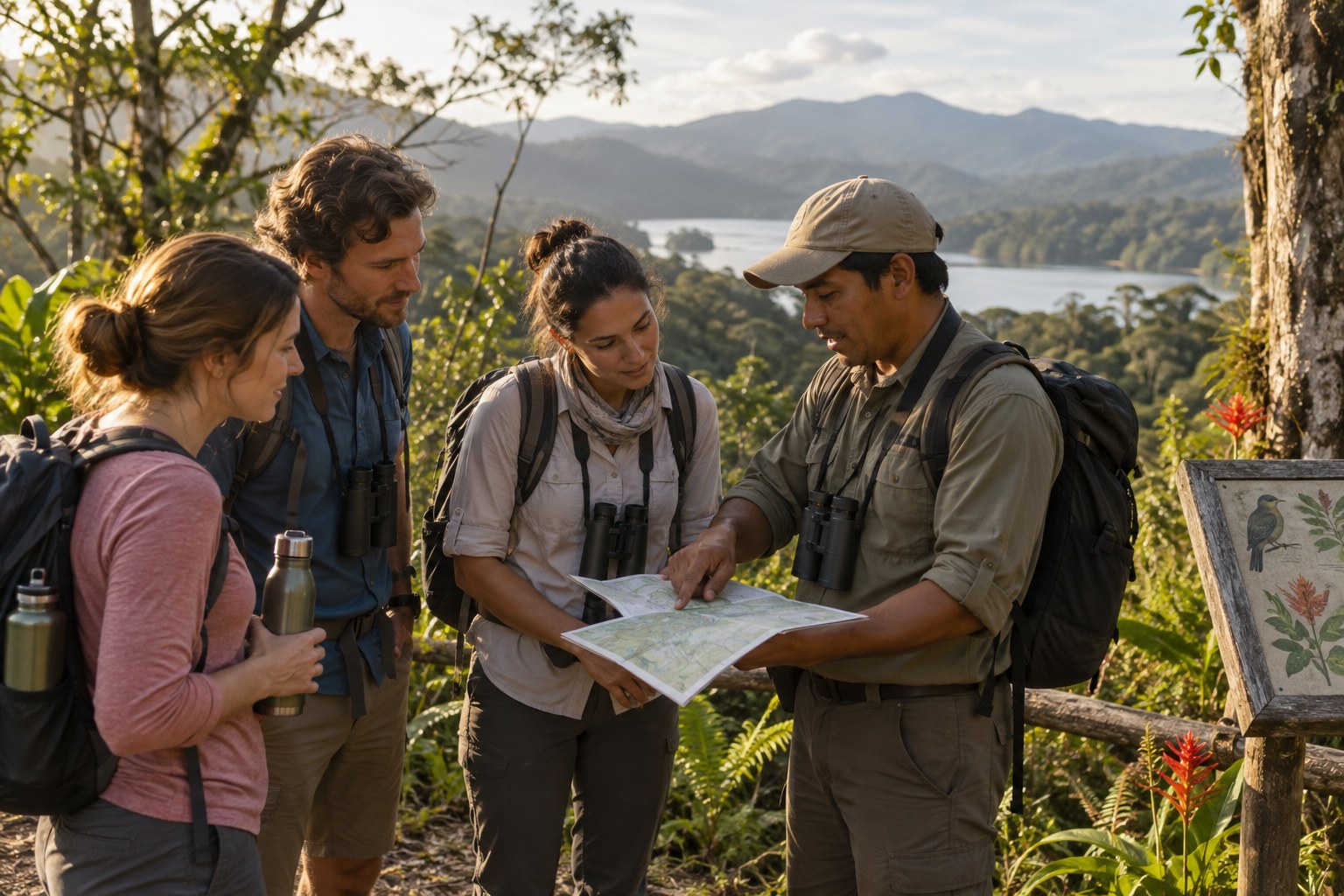
Costa Rica, Ecuador, Peru, Borneo, Madagascar, Rwanda, Uganda, and parts of Belize and Panama show why rainforests are central to eco-tourism. These places can connect travelers with birding, canopy walks, primates, frogs, medicinal plants, river travel, and local conservation projects. Good guides turn a wall of green into a living system.
Rainforest trips require patience. Wildlife may be hidden, rain may change plans, and trails may be muddy. The best travelers accept that the forest is not a stage. They listen, walk slowly, use local expertise, and choose operators who keep groups small.
Marine and Island Eco-Tourism
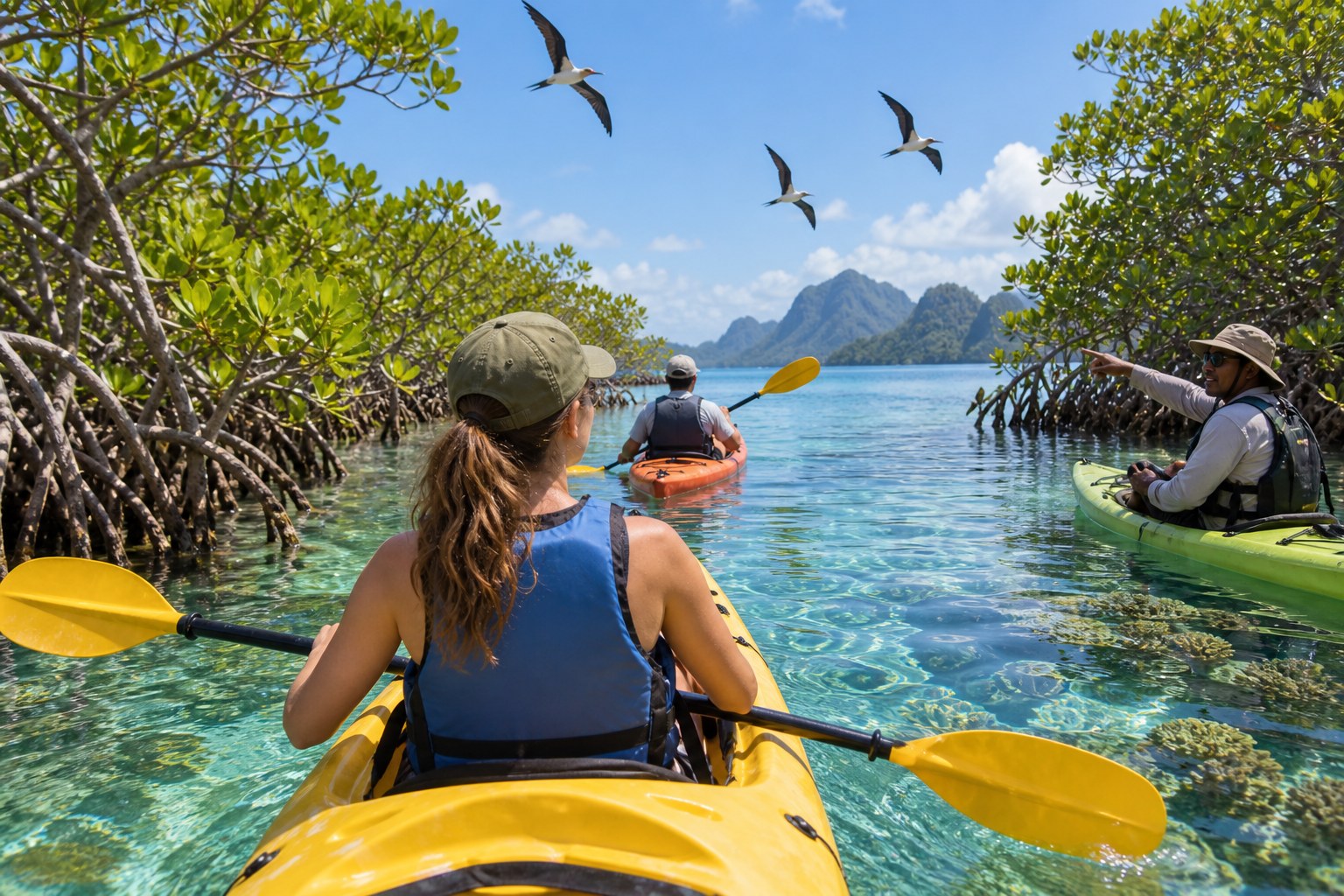
Marine destinations can be extraordinary when visitor rules protect reefs, mangroves, turtles, whales, rays, seabirds, and coastal communities. The Galapagos, Palau, Belize, Raja Ampat, parts of Australia, and well-managed marine reserves show how strict access can make travel more meaningful.
Responsible marine travel means reef-safe behavior, careful boat operators, no touching wildlife, no anchoring on coral, and respect for closed zones. A beautiful snorkel trip becomes eco-tourism only when the underwater world is protected before the visitor's convenience.
Community-Based Eco Destinations
Some of the strongest eco-tourism happens in community-run lodges, Indigenous-led tours, conservancies, and rural cooperatives. These experiences may include forest walks, cultural interpretation, wildlife monitoring, farming, craft, food, or conservation education led by people who live with the landscape.
Travelers should ask who owns the business, who guides the tours, where money goes, and whether local people have decision-making power. Community language can be misused, so transparency matters.
Mountain, Desert, and Polar Eco Travel
Eco-tourism is not only tropical. Mountain villages, desert reserves, Arctic communities, and high-latitude wildlife destinations all need careful visitor management. Fragile soils, short growing seasons, water scarcity, snow routes, and climate pressure can make careless travel especially damaging.
In these places, choosing the right operator is essential. Look for small groups, local employment, waste plans, climate-aware transport, respect for wildlife distance, and realistic itineraries that do not push guides or landscapes beyond safe limits.
How to Choose an Eco-Tourism Destination
Start by matching your interests to the destination's conservation strengths. Birders, hikers, reef lovers, families, photographers, and cultural travelers may need different kinds of access. A good trip feels exciting while still fitting the rules that protect the place.
Then examine practical impact. Stay longer when flights are long, choose locally owned lodging, travel in shoulder seasons where appropriate, follow park rules, and avoid operators that promise guaranteed wildlife contact. Eco-tourism works best when desire is balanced by restraint.
Certification can help, but it is not enough on its own. Some strong community projects cannot afford global labels, while some polished businesses use weak claims. Read reviews carefully, check local partnerships, and look for specific conservation actions rather than vague promises.
Eco-tourism destinations often ask travelers to slow down. A three-night stay in one reserve may be better than racing through five habitats. Slower travel gives guides time to explain ecology, reduces transport pressure, and increases the chance that money stays with local hosts.
Families can choose eco destinations well by looking for short trails, hands-on learning, safe wildlife distance, and lodges with strong guide culture. Children often become careful travelers when adults explain why rules protect animals, reefs, plants, and local people.
Photography should support, not dominate, eco travel. Long lenses, quiet behavior, and patience are better than crowding wildlife or leaving trails for a cleaner angle. The best image is one that does not change the behavior of the subject.
Food is part of the impact. Lodges that buy from nearby farmers, serve seasonal ingredients, reduce waste, and explain local agriculture help travelers understand the broader landscape. A meal can reveal conservation connections that a trail alone misses.
The most rewarding eco-tourism destinations leave travelers with new habits. After a strong trip, visitors may waste less, choose better operators, support protected areas, travel slower, or speak more carefully about fragile places.
Destination choice should start with the main conservation pressure. In one place the issue may be reef damage, in another it may be forest loss, water scarcity, wildlife conflict, trail erosion, or waste from cruise visitors. Travelers who understand the pressure can choose better lodging, routes, guides, and seasons. Eco-tourism becomes more useful when visitors know what the destination is trying to protect.
Rainforest destinations benefit from travelers who stay through different parts of the day. Dawn birding, midday plant walks, dusk river trips, and night walks reveal different layers of the same habitat. A short visit may produce a few sightings, but a longer stay helps the traveler understand how insects, birds, mammals, fungi, water, and people are connected. That understanding is the heart of eco-tourism.
Marine destinations require humility because damage can happen quickly. Standing on coral, wearing harmful sunscreen, crowding turtles, dropping anchor in the wrong place, or chasing dolphins can undo the values travelers claim to support. Responsible operators brief guests before entering the water and cancel activities when conditions would make safe behavior impossible. A missed snorkel is better than a damaged reef.
Community-led eco-tourism often asks visitors to slow their expectations. The experience may not run like a polished resort schedule, and that can be part of its value. Weather, village events, road conditions, ceremonies, family obligations, or conservation work may shape the day. Travelers who remain flexible often learn more than those who demand a perfect itinerary.
Eco destinations should also be evaluated by how they handle success. A place can become popular because conservation worked, then suffer from too many visitors. Timed entry, reservation systems, guide requirements, seasonal closures, and higher conservation fees may be necessary. These limits are not anti-tourist. They are signs that the destination is trying to survive its own appeal.
Travelers can improve an eco trip by arriving informed but not overconfident. Read about the habitat, local history, protected area rules, and current pressures before departure. Then listen to guides and residents once you arrive. Online research is useful, but local knowledge can change with weather, wildlife movement, politics, and community needs.
It is worth looking for destinations where tourism supports corridors, not just isolated reserves. Wildlife, water, and people move beyond park borders. Conservancies, buffer zones, community forests, and private reserves can protect the spaces between famous protected areas. A good eco itinerary recognizes that conservation is a landscape-scale effort.
Eco-tourism should not ignore urban edges. Wetlands near cities, restored rivers, community gardens, coastal cleanups, bike networks, and public parks can show how conservation works where people live densely. These places may be less glamorous than remote wilderness, but they teach an important lesson: sustainability is not somewhere else.
The best destinations invite travelers into stewardship without pretending a vacation can solve everything. A visitor may contribute through fees, attention, respectful behavior, donations, citizen science, or simply choosing a better operator. Small actions matter most when they are part of a destination system already led by local people and conservation professionals.
Eco destinations can be especially meaningful when they explain tradeoffs. A lodge may need a generator during storms, a park may require shuttle buses, or a community may choose higher fees to reduce crowd pressure. Honest tradeoffs are better than perfect-sounding promises. Travelers should reward destinations that speak clearly about what is hard.
Responsible visitors should plan for weather instead of treating it as a disruption. Rain feeds forests, wind shapes coasts, dry seasons concentrate wildlife, and snow protects high landscapes. A destination's ecology is tied to these conditions. Packing well and keeping flexible plans allow travelers to experience nature without pressuring guides to force unsafe outings.
Eco-tourism works best when travelers understand that local people may have mixed feelings about visitors. Tourism can fund conservation and jobs, but it can also raise prices, crowd trails, and change community rhythms. Spending locally, listening carefully, and avoiding entitled behavior help keep the balance healthier.
The strongest destinations also show visitors what not to do. Clear signs, guide briefings, reef rules, wildlife distance markers, and trail education protect places by making boundaries visible. Travelers should not resent these instructions. They are part of the welcome and part of the protection.
A good eco trip can include downtime. Sitting on a lodge deck, watching a river, reading about the region, or talking with a guide after dinner can deepen understanding. Constant activity is not automatically better. Quiet time often helps travelers notice patterns they would miss while rushing.
Eco-tourism destinations worth recommending usually leave room for local pride. Guides speak with knowledge, residents see benefits, conservation work is visible, and visitors are treated as participants in protection rather than as owners of the experience. That feeling is difficult to fake.
Visitors should also look for education that continues beyond the main tour. A good destination may offer small museums, ranger talks, community presentations, guidebooks, citizen-science boards, or evening lectures. These slower pieces help travelers connect individual sightings to the larger conservation story.
Local transport can shape whether an eco destination feels responsible. Shared boats, park shuttles, walking routes, bicycles, and coordinated transfers reduce duplication and make visits less chaotic. If every guest needs a separate vehicle for each activity, the destination may be less thoughtful than its scenery suggests.
Eco-tourism is strongest when it protects both wonder and restraint. The traveler should feel invited into beauty, but also reminded that access has conditions. That balance keeps the trip from becoming extractive and gives the destination a better chance of remaining healthy.
Travelers should also consider how a destination handles education for repeat visitors. Advanced birding walks, restoration updates, community meetings, and seasonal interpretation can keep returning guests engaged without inventing artificial attractions. That depth is a good sign.
The right eco-tourism destination should make the traveler feel more observant by the end. Better questions, quieter movement, and more respect for limits are part of the souvenir.
When that happens, the destination has done more than host a vacation. It has taught the traveler to connect beauty with responsibility, and that lesson can travel onward.
The best eco trips make that responsibility feel practical, memorable, and worth repeating.