Eco-Tourism Is a Practice, Not a Sticker
Eco-tourism is often used as a marketing word, but responsible travelers need a clearer definition. At its best, eco-tourism supports conservation, benefits local people, educates visitors, and reduces avoidable harm. It does not mean a trip has no impact. It means the traveler, operator, and destination are actively managing that impact with honesty. A responsible eco trip asks better questions before booking and better behavior once the traveler arrives.
A: Eco-tourism is responsible nature travel that supports conservation, local benefit, education, and reduced harm.
A: They overlap, but eco-tourism usually focuses more directly on nature and conservation.
A: Ask for specific practices, ownership, visitor limits, and conservation funding.
A: Yes, if you keep distance and do not change animal behavior.
A: Usually in fragile places, though good management matters more than size alone.
A: Only through ethical programs with local leadership and real need.
A: No; many eco trips include gentle walks, boardwalks, boats, or interpretation centers.
A: Accept the limits because they protect the reason the place is worth visiting.
A: They can be, but comfort should not depend on hidden harm to water, energy, or workers.
A: Apply the lessons to future travel, daily habits, and conservation support.
Understand the Core Principles
Eco-tourism should protect nature, support communities, and teach visitors. If one of those pieces is missing, the trip may simply be nature-themed tourism. Beautiful scenery alone does not make an experience responsible.
The strongest operators can explain their choices. They know how group size, guide training, waste, water, wildlife distance, food sourcing, and conservation fees work. They do not rely only on vague words like green, natural, or conscious.
Choose Operators Carefully
Responsible travelers should ask who owns the company, whether guides are local and fairly paid, how visitor numbers are managed, what rules protect wildlife, and where conservation fees go. Clear answers are a good sign. Defensive or vague answers are a warning.
Reviews can help, but read them critically. Some travelers praise exactly the behavior that harms places, such as close wildlife contact or rule-bending. Look for reviews that mention education, safety, local benefit, and respect.
Follow Wildlife Ethics
Wildlife is one of the easiest places for eco-tourism to fail. Feeding, touching, baiting, crowding, calling, chasing, or staging animals for photos should be avoided. Responsible wildlife experiences keep animals wild and let sightings remain unpredictable.
Distance is not a barrier to meaning. Binoculars, scopes, quiet waiting, and trained guides can make ethical viewing more rewarding than close contact. If an animal changes behavior because of visitors, the group is too close.
Reduce Waste, Water, and Transport Impact
Eco-tourism includes practical habits: refillable bottles where safe, minimal packaging, proper waste disposal, reef-safe products, careful laundry choices, and respect for water scarcity. These choices may seem small, but they matter in remote areas and islands.
Transport choices also matter. Stay longer when traveling far, combine nearby experiences, use trains or buses where practical, share transfers, and avoid itineraries that burn fuel racing between fragile places for shallow coverage.
Respect Culture and Community Control
Eco-tourism often takes place where culture and landscape are inseparable. Responsible travelers should use local guides, follow community rules, ask before photographing people, and avoid treating ceremonies, homes, farms, or villages as open-access attractions.
Community control is crucial. Tourism that uses local culture without local decision-making can become extractive even when the landscape is protected. Ask who benefits and who has the authority to say no.
Make the Trip Educational
A responsible eco trip should change what the traveler understands. Learn about the ecosystem before arrival, ask guides thoughtful questions, visit interpretation centers, read local conservation stories, and notice how residents manage tradeoffs.
After the trip, carry the learning forward. Support conservation organizations, choose better operators next time, reduce waste at home, and speak carefully about fragile places. Eco-tourism should produce better travelers, not just better photos.
Packing should be simple and place-specific. Bring durable shoes, sun protection, insect protection where needed, reusable basics, layers, and binoculars for wildlife distance. Avoid overpacking specialty gear that creates weight and waste without improving behavior.
Responsible travelers should be honest about comfort. If you need air conditioning, private bathrooms, or easy transport, choose a destination and lodging that can provide those things responsibly. Pretending to be low-impact while demanding hidden luxury creates pressure on hosts.
Volunteer tourism requires extra caution. Short visits can create more work than help unless the program is locally requested, supervised, and matched to real skills. Sometimes the most responsible contribution is funding, advocacy, or a longer commitment.
Carbon offsets are not a permission slip. Some are useful, some are weak, and none erase the full impact of travel. Reduce first by staying longer, flying less often, choosing efficient transport, and avoiding unnecessary internal hops.
Eco-tourism should include accessibility where possible. Boardwalks, adapted trails, clear information, and thoughtful guiding allow more people to experience nature responsibly. Protection and inclusion can work together when destinations plan well.
The best responsible travelers remain curious rather than smug. Eco choices are rarely perfect. Asking better questions, admitting tradeoffs, and improving over time are more useful than claiming purity.
Responsible eco-tourism starts before booking with a simple pause. Ask what draws you to the trip and what could be harmed by that desire. Wanting to see wildlife, reefs, forests, or remote communities is understandable, but desire needs boundaries. The best trips let curiosity remain accountable to the place.
Travelers should learn the difference between interpretation and entertainment. A naturalist explaining tracks, bird calls, reef health, or forest succession is creating understanding. A performance that pushes animals, people, or landscapes into a visitor-friendly show may be less responsible. Education can be exciting without becoming staged.
Eco-tourism also asks travelers to be realistic about time. If a destination is far away, a quick visit often produces high transport impact and shallow local benefit. Staying longer lets travelers use fewer transfers, hire local guides, rest between activities, and understand the place beyond a single highlight.
A responsible traveler should understand that discomfort is sometimes information. Heat, insects, rain, muddy paths, simple rooms, and early mornings may reveal what the ecosystem is actually like. The answer is not always to demand more infrastructure. Sometimes the answer is to choose a trip that matches your tolerance honestly.
At the same time, eco-tourism should not romanticize hardship for workers. Guests may enjoy rustic simplicity for a few nights, but staff live with the systems every day. Fair wages, safe working conditions, reasonable hours, proper equipment, and local advancement matter as much as guest-facing green practices.
Food choices can either strengthen or weaken an eco trip. Imported luxury ingredients, heavy waste, and menus detached from local agriculture may undermine sustainability claims. Seasonal food, local producers, plant-forward options, and reduced waste can connect travelers more deeply to the region's ecology and economy.
Responsible travelers should check how a trip handles emergencies. Fragile destinations need plans for storms, injuries, wildlife incidents, road closures, and medical evacuation. Good planning protects guests and prevents panic decisions that can harm guides, animals, or communities.
Eco-tourism can include comfort, but comfort should be conscious. Shade, good beds, safe food, knowledgeable guides, and thoughtful design can support deeper learning. Excessive resource use, hidden generators, daily laundry, or water-heavy amenities in dry places should raise questions.
Travelers should avoid turning eco choices into moral performance. The goal is not to prove purity. It is to keep improving decisions with better information. Honest humility makes travelers easier for guides and hosts to work with, and it leaves more room for learning.
After returning home, responsible travelers can review the trip with practical questions. Which operator deserved support? Which choice felt wasteful? What did local guides ask visitors to understand? What should be done differently next time? That review turns one trip into better future behavior.
Eco-tourism planning should include a clear cancellation mindset. If weather, wildlife behavior, trail closures, or community needs make an activity inappropriate, the traveler should be willing to let it go. Responsible operators should not be pressured into unsafe or harmful decisions because guests have limited vacation time.
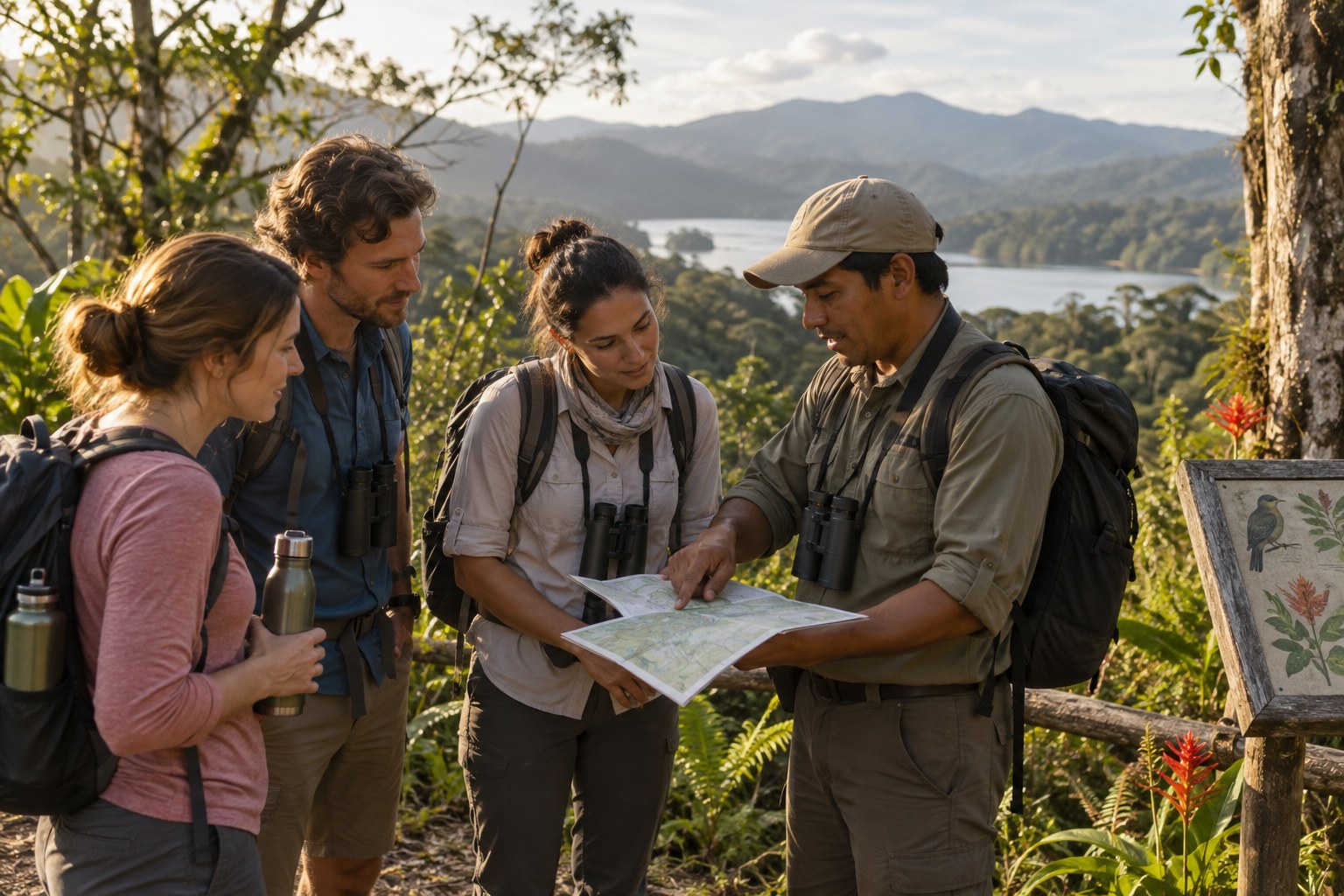
Travelers should treat guide briefings as part of the experience. Instructions about distance, quiet, shoes, boats, reef entry, waste, or village etiquette are not boring formalities. They are the rules that allow access to continue. Listening well is one of the easiest responsible actions a guest can take.
Responsible eco-tourism also includes choosing what not to share. Posting exact locations of nests, dens, rare plants, quiet cultural sites, or uncrowded fragile trails can create sudden pressure. Travelers can celebrate a place without exposing details that make protection harder.
A good eco trip has a learning arc. The traveler arrives with basic knowledge, listens to local interpretation, sees the habitat directly, asks better questions, and leaves with changed behavior. Without that arc, even a beautiful trip may remain shallow.
Responsible travelers should remember that comfort and ethics are not enemies. A well-designed lodge, excellent guide, delicious local meal, and safe transport can make sustainable travel more appealing. The problem is not comfort. The problem is comfort built on hidden waste, unfair labor, or damaged habitat.
Eco-tourism is ultimately relational. The traveler is in relationship with guides, residents, wildlife, water, land, and future visitors. Thinking this way changes the tone of the trip. It becomes less about taking an experience and more about joining a place carefully for a short time.
Responsible travelers should bring patience to pricing. A cheaper tour may cut corners on guide pay, permits, safety, group size, or conservation fees. Expensive does not always mean ethical, but prices that support fair work and protection should not be judged against exploitative alternatives.
Trip insurance can be part of responsible planning in remote eco destinations. If illness, weather, or transport disruption occurs, insurance can reduce pressure to demand unsafe departures, unpaid staff flexibility, or rule exceptions. Practical preparation supports better ethics.
Eco-tourism also means learning when to stay away. If a community requests fewer visitors, a species is under stress, a trail is eroding, or a destination is recovering from disaster, postponing the trip may be the best choice. Responsible travel includes restraint before arrival.
The most useful mindset is participation, not consumption. Travelers participate by following rules, funding good work, listening to guides, reducing waste, and carrying lessons home. That turns eco-tourism from a product category into a way of traveling with care.
Responsible eco-tourism should also include respect for data and science. Rangers, researchers, and local monitors may restrict access based on nesting seasons, water levels, disease risk, fire danger, or animal stress. Travelers do not need to understand every technical detail before accepting the rule. Trusting informed management is part of visiting responsibly.
Travelers can ask operators what guests usually misunderstand. The answer may involve wildlife distance, local wages, water scarcity, cultural privacy, waste, or seasonal closures. This question invites honesty and helps the visitor correct assumptions early.
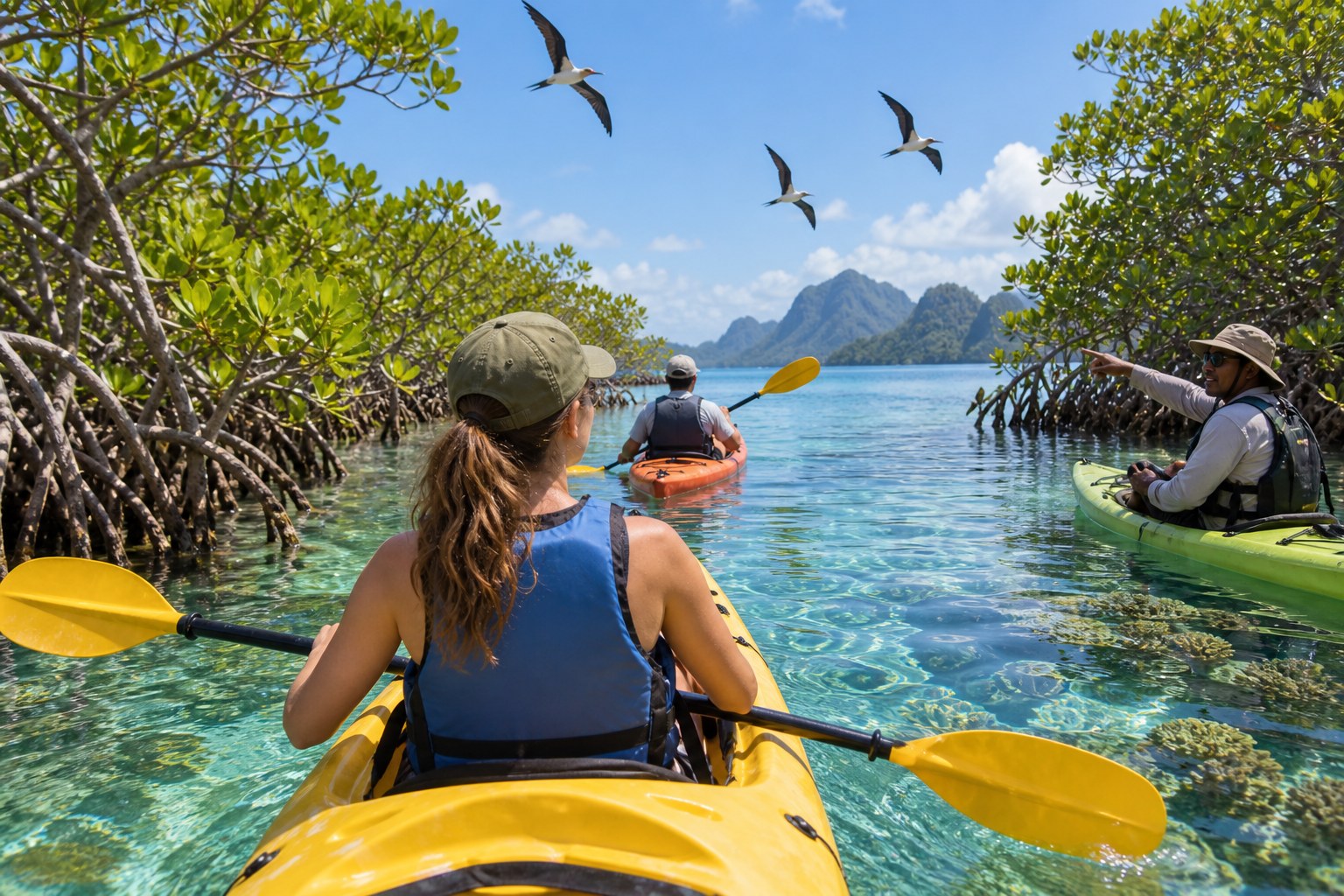
Eco-tourism is not only about avoiding harm; it can also build affection. A traveler who learns a bird call, recognizes a mangrove root system, or understands why a trail is closed may become more willing to protect similar places later. Knowledge makes care more durable.
The guide's final test is simple: would you recommend the trip in a way that protects it? Responsible travelers share enough to help others behave well, but not so much that they expose sensitive places to careless attention.
Responsible travelers do not need to solve every tourism problem before taking a trip. They do need to keep learning, choose carefully, and let local rules shape their behavior. That combination of humility and action is the real foundation of eco-tourism.
Small decisions, repeated across a whole trip, become the traveler's real ethic.
Those decisions matter most when no one is watching.
That quiet consistency is the point.