A Great Festival Trip Is About More Than the Main Event
The best festivals around the world every traveler should experience are not simply the loudest, largest, or most photographed events. They are celebrations that reveal how a place gathers, remembers, eats, dances, prays, mourns, competes, welcomes, and changes with the season. A festival can turn a destination into a living stage, but travelers need to understand that they are guests inside someone else's calendar. The strongest festival trips balance excitement with respect, planning, and enough patience to let the event unfold on its own terms.
A: A festival is worth the trip when it connects celebration, place, timing, and local meaning.
A: Plan months ahead for major events, limited lodging, reserved tickets, or seasonal flights.
A: Some are crowded, but careful timing, lodging, and viewing choices can make them manageable.
A: Only when participation is clearly welcome and the visitor understands the etiquette.
A: Stay near reliable transit or within walking distance if streets will close.
A: A guide helps when meaning, access, language, or crowd strategy is complicated.
A: Use wide scenes, ask permission for close portraits, and avoid sacred or private moments.
A: They can be, especially for travelers who want community rhythm rather than huge crowds.
A: Confirm current dates, cancellation rules, lodging availability, and access requirements.
A: The mix of timing, people, sound, food, light, and meaning creates the memory.
Choose a Festival for the Right Reason
A festival should match the traveler's real interest. Some people want music, dancing, and nightlife. Others want food, religious processions, craft traditions, harvest rituals, film, theater, winter lights, or local sports. Choosing only because a festival looks colorful online can lead to crowd stress and shallow expectations.
Ask what you want to understand. Is the event tied to faith, season, history, art, food, identity, or civic pride? That answer shapes where to stand, how to dress, whether to participate, and how much time to spend before and after the main day.
Cultural and Seasonal Festivals With Deep Roots
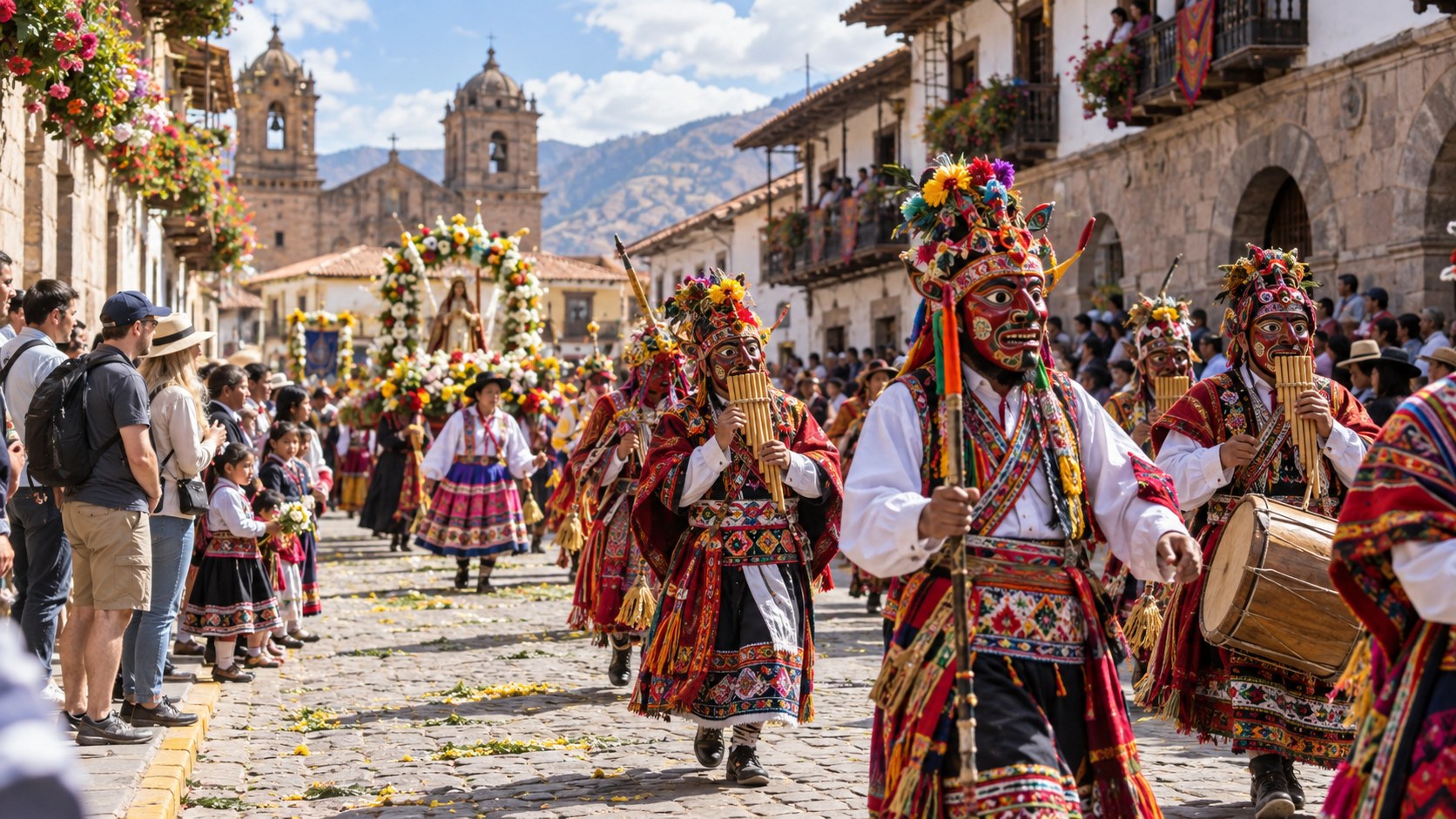
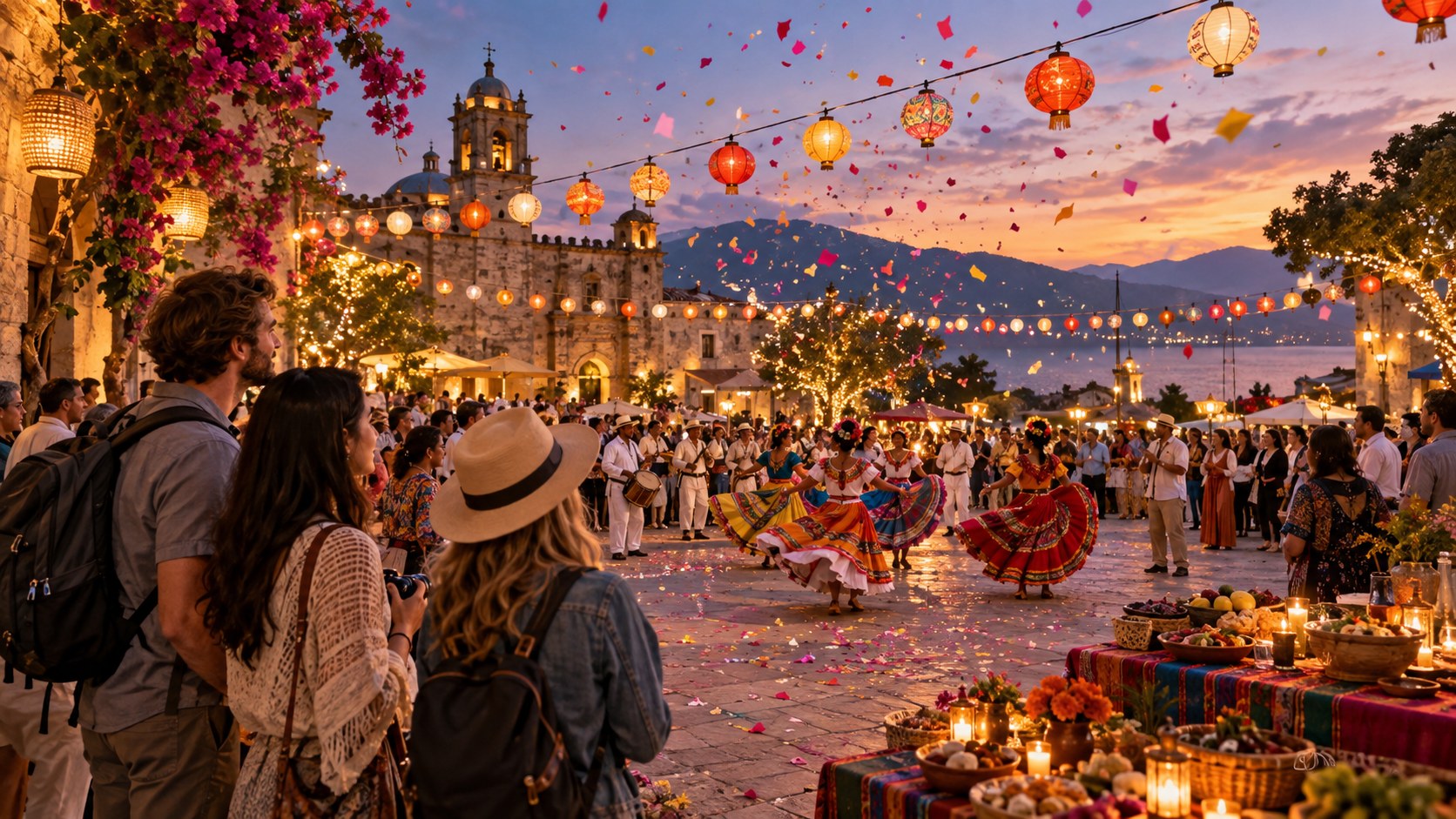
Events such as Diwali, Lunar New Year, Day of the Dead, Semana Santa, Songkran, Naadam, cherry blossom seasons, harvest festivals, and regional saint days can be extraordinary because they connect public celebration with long memory. Travelers may see lights, flowers, parades, altars, water rituals, costumes, food, family gatherings, and crowded streets, but the meaning behind those elements matters.
These festivals require extra etiquette. Some welcome joyful participation. Others include solemn religious moments where observation should be quiet and photography restrained. Read official visitor guidance, listen to local hosts, and avoid treating sacred or family-centered events as open entertainment.
Seasonal festivals can also be more local and less overwhelming than global icons. A small harvest weekend, regional flower festival, winter market, or fishing celebration may show community rhythm more clearly than a famous event surrounded by international crowds.
Music, Arts, and Performance Festivals
Music and arts festivals can be excellent reasons to travel when the event is connected to place. Jazz in New Orleans, opera in Verona, theater in Edinburgh, classical music in Salzburg, film in Busan or Cannes, and regional folk festivals all show how performance, venue, audience, and local identity interact. The destination becomes part of the experience.
Travelers should plan beyond tickets. Lodging sells out, transit changes, restaurants fill, and late nights alter the next day. A good festival plan includes recovery mornings, realistic transport, and time to enjoy the city without racing from venue to venue.
Food and Harvest Events Worth Planning Around
Food festivals are strongest when they connect flavor with season and place. Truffle fairs, seafood festivals, wine harvests, olive oil celebrations, chili festivals, street food events, and agricultural fairs can teach travelers how ingredients shape local identity. These events are not only about eating more. They are about seeing the labor and timing behind a dish.
The best food festival strategy is to arrive early, walk the event once, ask vendors what sells out, share portions, and drink water. Travelers should respect lines and avoid handling produce or prepared foods unless invited. A festival built around food is still a workplace for many people.
Crowds, Tickets, and Local Logistics
Major festivals can transform a city. Prices rise, streets close, transit routes shift, and restaurants operate differently. Travelers should book lodging near the festival zone or near reliable transit, confirm ticket rules, and check whether events are free, reserved, seated, standing, or neighborhood-based.
Crowd comfort matters. Choose viewing areas with exits, agree on meeting points, carry essentials lightly, and avoid pushing into spaces that locals need for worship, family gatherings, or daily movement. A festival is more enjoyable when the traveler knows how to step back.
How to Be a Better Festival Guest
Being a good festival guest means learning the rules before excitement takes over. Dress appropriately, ask before photographing people closely, follow barriers, pay for official tickets, dispose of trash properly, and respect moments that are not meant for visitors. If people around you become quiet, put the camera down and notice why.
The best festival travel leaves travelers grateful rather than possessive. You may witness something unforgettable, but it belongs first to the people who keep it alive. That understanding makes the memory richer.
Festival planning should include the days around the event. Arriving early helps travelers understand the setup, neighborhood, and mood before peak crowds. Staying after can reveal cleanup, quieter local rituals, and the return to ordinary life.
Official sources matter because festival dates can shift with lunar calendars, religious calendars, weather, permits, or local decisions. Do not rely only on old travel blogs. Confirm current dates with official tourism boards, event organizers, or local hosts before booking flights.
Travel insurance and flexible bookings are useful for expensive festival trips. Weather, strikes, illness, and crowd-control changes can affect major events. Flexibility is not pessimism. It keeps a joyful trip from becoming brittle.
Photography should be handled with care. A public parade may allow wide shots, while close portraits, sacred objects, children, or mourners may require permission or be inappropriate. Travelers should learn the difference before lifting a camera.
Festival clothing should fit both weather and etiquette. Comfortable shoes, layers, sun protection, rain gear, or modest clothing may matter more than dressing for photos. A traveler who is physically comfortable is usually more patient and respectful.
Food, bathrooms, water, and rest points are not minor details. A long festival day can wear down even enthusiastic travelers. Knowing where to pause helps people avoid frustration and stay present for the moments they came to see.
Travelers should consider smaller companion events. Workshops, lectures, neighborhood concerts, market mornings, and rehearsal days can offer more context and less crowd pressure than the headline event. These side experiences often become favorites.
A festival can also reveal tension. Tourism may bring money and attention, but it can also crowd residents, raise prices, and change traditions. Thoughtful visitors spend locally, follow rules, and avoid acting as though the event exists only for them.
The right festival trip should feel immersive without being careless. It should give travelers a deeper understanding of place while protecting the people, streets, and traditions that make the celebration possible.
When the balance is right, a festival becomes more than a spectacle. It becomes a memory of timing, sound, food, light, movement, and the rare feeling of being briefly present when a community gathers around meaning.
Travelers should decide whether they want to be in the center of the action or near the edges. The center may offer energy, music, and dramatic views, but the edges often provide better context, easier movement, and more space for residents. A festival does not have to be seen from the most crowded point to be meaningful.
The best festivals often begin before the official start. Decorations appear, vendors prepare food, families travel, musicians rehearse, and streets slowly change. Arriving a day early can help visitors understand the build-up and avoid the feeling of dropping into a celebration with no context.
Leaving well matters too. After a major event, residents clean streets, reopen shops, return to work, and reclaim public space. Staying one extra day can reveal the ordinary city behind the festival and remind travelers that celebration is part of a larger local life.
Ticketed festivals require careful source checking. Unofficial sellers, unclear seating, fake passes, and vague tour promises can create expensive disappointment. Buy through official channels or reputable local operators, and read what the ticket actually includes before assuming access.
Travelers should match festival intensity to their comfort. Some events are loud, crowded, late, wet, smoky, hot, or physically demanding. Others are quiet, seated, formal, or family-centered. Knowing the atmosphere prevents the traveler from blaming the festival for being exactly what it is.
Food can shape festival memories as much as performance. A seasonal pastry, shared street snack, harvest meal, or simple tea break can make the event feel grounded in place. Plan time to eat slowly rather than grabbing whatever is closest in the densest crowd.
Festival travel rewards people who carry less. A light bag, comfortable shoes, water, weather protection, and a charged phone are more useful than complicated outfits or camera gear. Moving easily helps travelers remain courteous when streets narrow and crowds shift.
A festival worth experiencing should leave visitors with more than the desire to post a photo. It should raise questions about season, memory, faith, art, labor, and community. Those questions are part of why the trip matters.
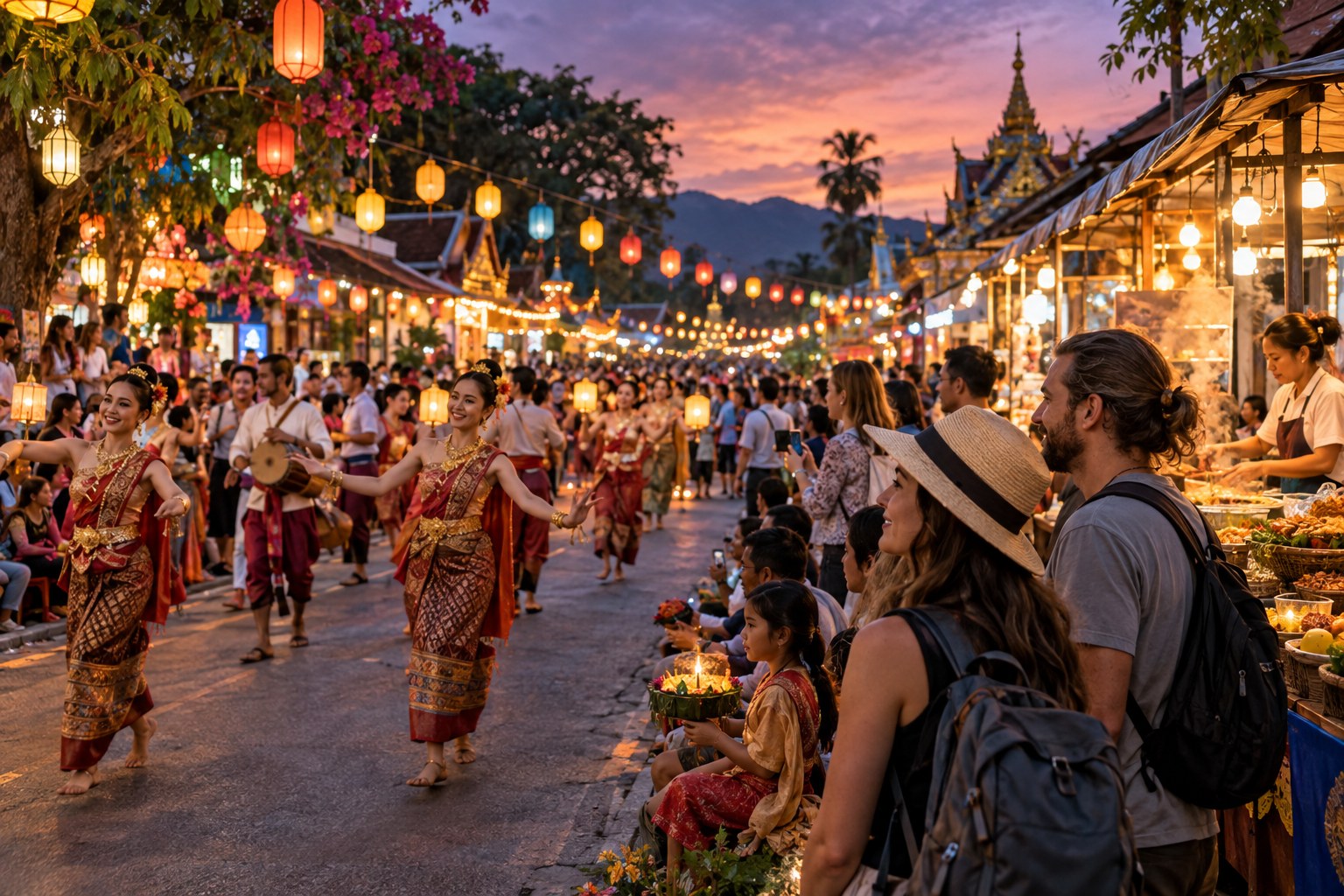
Some of the world's best festivals are inseparable from place. New Orleans music, Kyoto processions, Oaxaca altars, Edinburgh stages, Chiang Mai lanterns, and small harvest towns all show how celebration grows from local streets, climate, history, and daily life. Removing the festival from that setting would weaken its meaning.
Travelers should study the route before the event day. Parade paths, temple approaches, ticket gates, transit stops, and emergency exits can become confusing once crowds arrive. A simple walk the previous afternoon can make the main day calmer and safer.
Accommodation location matters more during festivals than during ordinary sightseeing. A hotel across a blocked road may be less convenient than a modest guesthouse near a reliable transit line. Ask local hosts how streets change during the event, not only how far the map looks.
Visitors should also know when participation is welcome. Some festivals invite dancing, color throwing, shared meals, or call-and-response singing. Others ask visitors to stand back, remain quiet, or avoid entering certain spaces. The difference is not always obvious from photographs.
A thoughtful festival itinerary protects the morning after. Sleep, laundry, a slow breakfast, or a quiet museum visit can keep the trip from collapsing into fatigue. Recovery time also gives travelers a chance to process what they saw instead of racing toward the next attraction.
The best festival trips often produce small memories alongside the headline scene: a vendor explaining a seasonal dish, a family adjusting decorations, volunteers directing strangers with patience, or music drifting through a side street. Those details make the destination feel alive beyond the performance.
Weather planning deserves real attention. Summer festivals can mean heat, dehydration, and long exposed waits, while winter events may involve icy streets or cold evenings. Rain can change routes, cancel outdoor performances, or make footwear more important than fashion.
Travelers should think about who they are traveling with. A solo traveler may enjoy flexible wandering, while families, older travelers, or groups may need reserved seats, shorter viewing windows, and reliable meeting points. A festival plan should protect the weakest energy level in the group.
Major celebrations can also affect ordinary sightseeing. Museums may close, restaurants may change hours, taxis may be scarce, and historic centers may become pedestrian-only. Checking these details keeps the festival from creating surprises in the rest of the itinerary.
A good festival trip also respects local patience. Residents may be proud of the event and still tired of blocked streets, noise, or careless visitors. Kindness in small interactions is part of the experience.