A Festival Bucket List Should Be Joyful and Thoughtful
An ultimate festival travel bucket list should not be a random collection of the world's biggest parties. It should be a considered list of celebrations that reveal something about place, season, memory, art, food, faith, or identity. The best global celebrations worth visiting are the ones travelers can approach with enough preparation to enjoy the energy without flattening the meaning. A strong list includes spectacle, yes, but also etiquette, timing, recovery, and respect for the communities that carry the celebration.
A: Start with the kind of celebration you want to understand, then check dates, etiquette, crowds, and access.
A: Choose one with clear visitor guidance, manageable logistics, and a theme you genuinely care about.
A: They can be, especially when lodging and flights rise, but smaller regional events may be affordable.
A: No. Arriving early and staying after often adds context and reduces stress.
A: Sometimes, if visitor presence is welcome and you follow etiquette carefully.
A: Travel during shoulder days, choose smaller related events, and avoid peak viewing zones.
A: They are useful when they explain meaning, access, and behavior rather than only promising photos.
A: Dates, tickets, lodging, transit, etiquette, weather, budget, and recovery time.
A: Yes, when travelers support local benefit, follow rules, and avoid intrusive behavior.
A: It reflects curiosity about culture, season, art, faith, food, or community rather than fame alone.
Start With the Kind of Celebration You Want
Festival dreams vary widely. Some travelers want music under open skies, others want lanterns, flower carpets, sacred processions, winter markets, food harvests, film premieres, dance nights, or ancient rituals. Naming the desired experience helps the traveler choose wisely. A bucket list built only around fame may ignore events that fit better.
The best approach is to divide the list by mood and meaning. Include one joyful street celebration, one food or harvest event, one music or arts festival, one spiritual or cultural observance, and one smaller regional event. That mix keeps the list from becoming one-note.
Global Celebrations With Strong Sense of Place
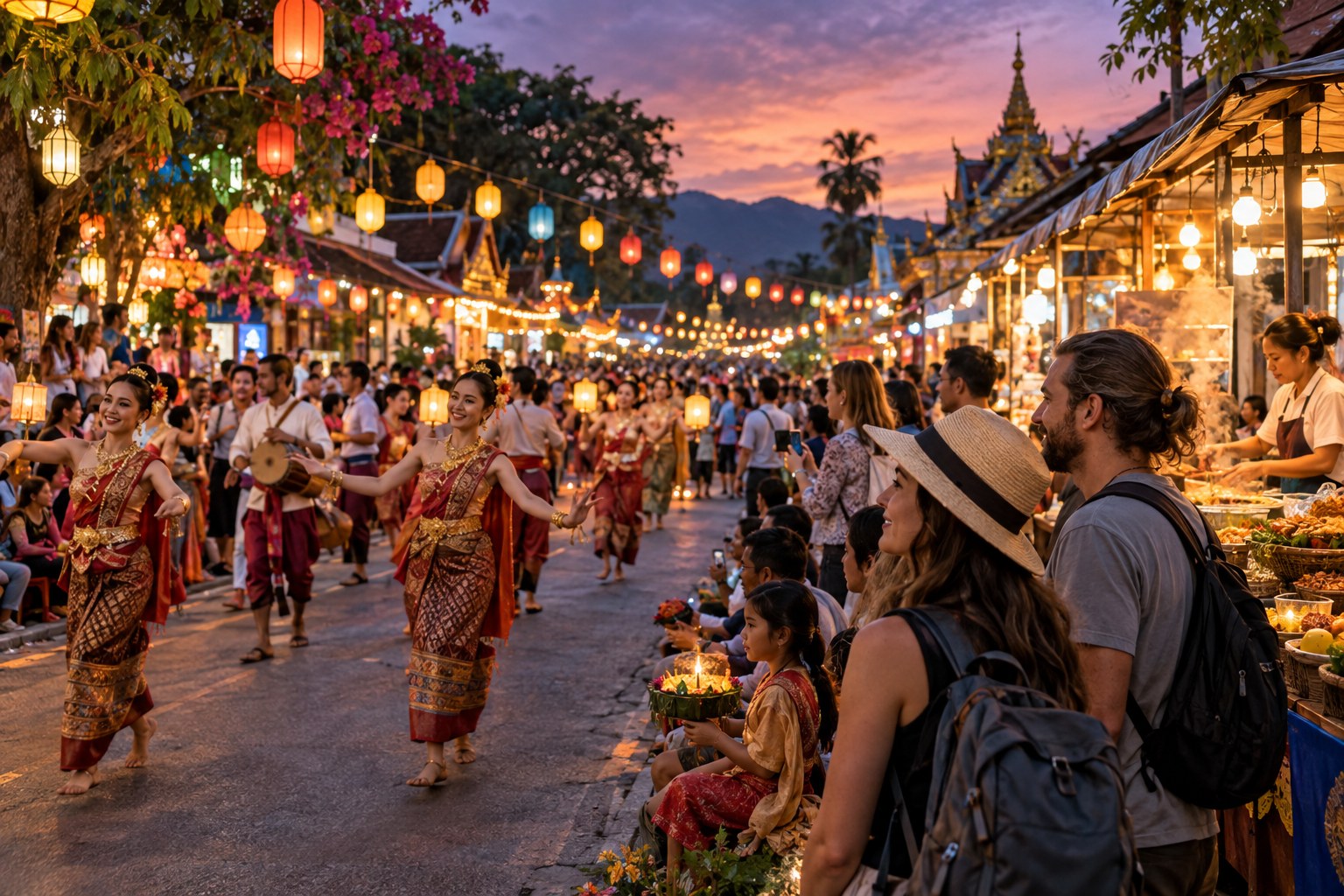
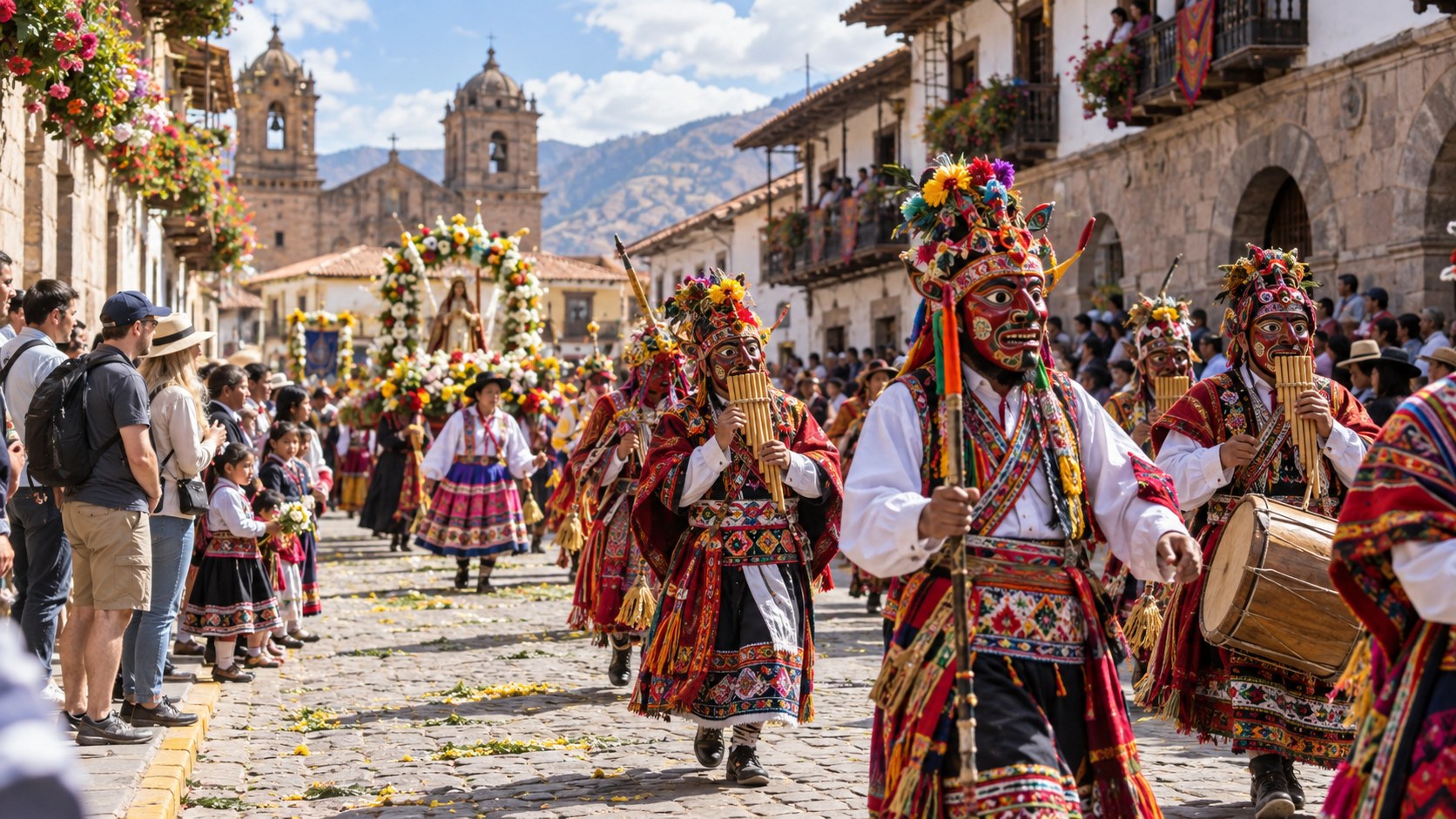
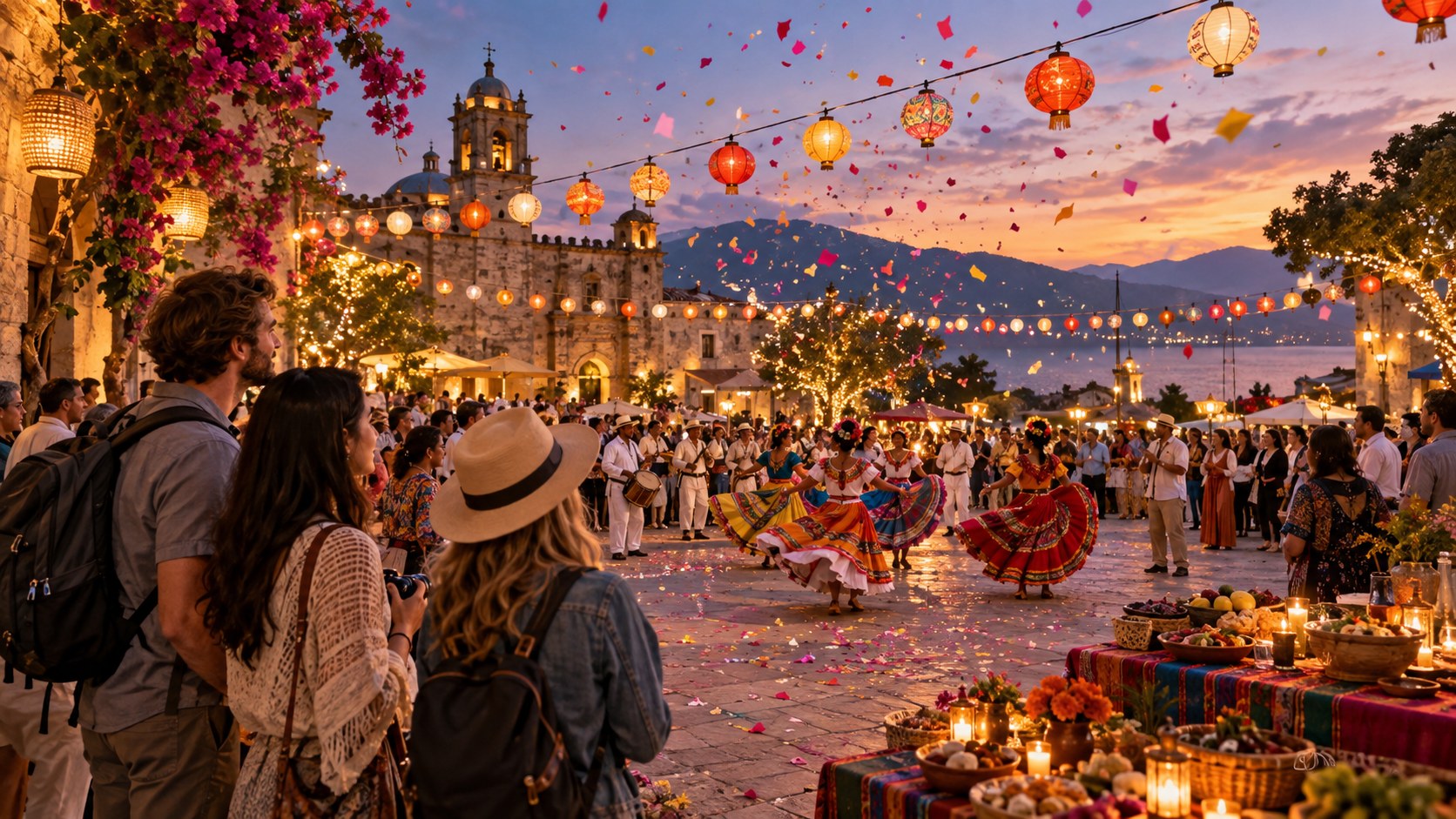
Some festivals are powerful because they are inseparable from their setting. Day of the Dead in Mexico, Carnival in Brazil or Trinidad, Diwali in India, Songkran in Thailand, Lunar New Year in East Asia, Naadam in Mongolia, Holi in India and Nepal, and Semana Santa in parts of Spain and Latin America all connect public celebration with geography, family, belief, and history.
These events require more than hotel booking. Travelers should learn what is sacred, what is playful, what is public, and what is private. A celebration can include both joy and reverence. Understanding that range helps visitors avoid behaving as though every colorful moment exists for them.
Music, Film, and Arts Festivals for Travel Lovers
Arts festivals belong on a travel bucket list when the destination adds meaning to the program. Edinburgh's festival season changes the whole city. New Orleans music events connect sound with neighborhoods and food. Salzburg, Montreux, Fez, Busan, Cannes, and other festival cities create trips where venues, streets, and audiences become part of the story.
Ticket strategy matters. Book only the events you truly care about, then leave time for smaller performances, street energy, and rest. A festival trip can become exhausting if every hour is reserved. The best arts itineraries combine one anchor event with room for surprise.
Food, Harvest, and Seasonal Festivals
Food and harvest events add flavor to the bucket list because they reveal the calendar behind cuisine. Truffle fairs, grape harvests, seafood festivals, cherry blossom picnics, olive oil celebrations, maple events, chile festivals, and night markets show how place and season meet at the table.
Travelers should plan these trips around appetite and pacing. A full day of tastings can become less enjoyable without water, walking, and breaks. It helps to share portions, ask vendors what is seasonal, and leave space for one proper sit-down meal away from the densest crowds.
Smaller harvest festivals can be especially rewarding. They may offer fewer famous images, but they often provide better conversations with producers, cooks, and residents.
How to Keep the Bucket List Ethical
Festival tourism can bring income and attention, but it can also change housing prices, crowd sacred spaces, and reshape traditions for visitor cameras. A responsible list should favor events with clear visitor guidance, local benefit, and manageable impact. It should avoid experiences where visitors are encouraged to invade private grief, worship, or family life.
Ethics also means knowing when not to go. If a destination is asking visitors to stay away during a fragile period, or if an event is overwhelmed, the bucket list can wait. The celebration matters more than the traveler's personal timeline.
Turning Festival Dreams Into Real Trips
A festival bucket list should include practical notes beside each dream: dates, booking window, lodging area, ticket needs, etiquette, weather, crowd intensity, and backup plans. These details make the difference between inspiration and execution. A beautiful festival can become stressful quickly when rooms are gone or streets are closed.
The list should also include recovery time. Festival travel can be loud, late, crowded, and emotionally intense. A slower next day, a quiet neighborhood meal, or a nature break can help travelers remember the celebration with warmth instead of exhaustion.
Travelers should keep official links and date notes updated because many festivals follow lunar, religious, agricultural, or local calendars. A bucket-list item is not ready until its timing has been checked for the intended year.
Budgeting for festivals should include more than admission. Hotels, flights, transfers, food, clothing, weather gear, and higher local prices can change the real cost. A free public festival can still become an expensive trip if lodging demand spikes.
A useful festival list includes different crowd levels. Choose one massive world-famous event if that energy excites you, but balance it with smaller festivals where connection and context are easier. Not every memorable celebration needs to be enormous.
Language preparation can improve festival travel. Knowing words for thank you, excuse me, entrance, ticket, water, toilet, and help can make crowded days easier. It also signals respect in moments when patience matters.
Travelers should include clothing and conduct notes on the list. Some events require modest dress, white clothing, protective eyewear, waterproof bags, warm layers, or comfortable shoes. Preparing well allows people to focus on the celebration.
Festival photography is best planned with restraint. Decide when to take photos and when to simply watch. Some rituals lose their meaning when every visitor lifts a phone at once. The memory may be stronger when a few moments remain unrecorded.
Side trips can deepen a festival journey. A museum visit, cooking class, craft workshop, temple tour, or neighborhood walk before the main event gives travelers context. The festival then feels connected to the destination rather than isolated.
A good list also leaves room for return visits. Experiencing a festival once teaches the basics. Returning later with more knowledge can reveal subtler rituals, better timing, and a more respectful rhythm.
Travelers should write down why each festival matters to them. If the reason is only that it is famous, the trip may not be worth the effort. If the reason involves music, memory, season, faith, food, or identity, planning becomes more meaningful.
The best festival bucket list remains alive. It changes as travelers learn, as communities adjust visitor rules, and as new interests emerge. The point is not to finish the list quickly. It is to let celebrations teach better ways of traveling.
A useful bucket list separates must-see dates from flexible themes. A traveler may dream of one specific celebration, but also keep broader goals such as a winter light festival, a harvest weekend, a music gathering, or a spiritual observance. Flexible themes make planning easier when exact dates or costs do not work.
Travelers should include crowd notes beside each festival dream. Some people thrive in massive street celebrations, while others enjoy smaller neighborhood events or reserved seating. Honest crowd preferences prevent a bucket-list trip from becoming a stressful endurance test.
The list should also include preparation sources. Official festival pages, local tourism boards, cultural centers, museums, and resident-led tours can all help visitors understand what they are entering. Preparation is what turns spectacle into cultural travel.
Some global celebrations are best experienced with a local host or guide. Not because visitors need constant supervision, but because context, access, and etiquette can be hard to read from outside. A good guide helps travelers step closer without stepping over boundaries.
A festival bucket list should leave room for regional alternatives. If a famous city is too crowded, a smaller town celebrating the same season or tradition may offer a better experience. The best memory may come from the place where visitors can actually pay attention.
Travelers should not confuse intensity with importance. A quiet candlelit procession, a small harvest blessing, or a solemn remembrance may carry more cultural weight than a louder event. A thoughtful list includes both celebration and contemplation.
Budget tiers make the list usable. Keep one nearby event, one regional trip, one international festival, and one long-term dream. This structure keeps festival travel active instead of waiting for the perfect expensive journey.
The strongest festival bucket list teaches timing. It reminds travelers that destinations change by season, calendar, and community rhythm. Visiting at the right moment can reveal a place that ordinary sightseeing never shows.
A smart list also includes festivals that teach different senses. Some are visual, with lanterns, flowers, masks, costumes, or processions. Others are built around sound, food, incense, athletic skill, storytelling, or collective silence. Variety keeps the list from becoming a string of similar crowded events.
Travelers should decide which festivals require expert help. A complex religious procession, remote nomadic gathering, or tightly ticketed arts event may be much easier with a reputable local operator. A casual food fair or citywide light walk may be perfect for independent exploration.
Date flexibility can save a bucket-list trip. If a famous celebration is too expensive in the main city, look for regional communities observing the same season with fewer visitors. The traveler may gain more room, better conversations, and a clearer sense of local meaning.
The bucket list should also include ethical filters. Avoid events built on animal harm, exploitative performances, unsafe crowd behavior, or staged versions of living traditions. A famous name does not automatically make an event worthy of a responsible trip.
For each festival, write down the best viewing style. Reserved seating, a guided walk, a public square, a neighborhood route, a riverbank, a temple courtyard, or a quiet balcony can create very different experiences. The right viewpoint depends on the event's purpose, not only on visibility.
Travelers can make the list more personal by linking festivals to life seasons. A music festival may suit a friends' trip, a lantern event may fit a reflective year, and a harvest festival may work beautifully for multigenerational travel. The best timing is sometimes emotional as well as logistical.
A practical list includes backup celebrations. If flights, prices, visas, or family schedules block the first choice, a regional festival with a similar theme can keep the dream alive. This approach turns the list into a guide for discovery instead of a rigid scoreboard.
Travelers should mark which festivals are best for first-time visitors. Some events have clear visitor zones, public schedules, strong transit, and abundant lodging. Others require language skills, local contacts, physical stamina, or cultural knowledge that may suit a later trip.
Keep notes after every festival attended. Record what worked, what felt uncomfortable, which sources were reliable, where crowds were worst, and which moments carried real meaning. Those notes make the next bucket-list journey wiser and more respectful.
The list can also include learning goals: hearing a musical tradition live, tasting a seasonal dish, understanding a ceremony, or seeing how a city transforms for celebration.
Travelers should also consider how a festival fits with the wider destination. A celebration may be the reason to go, but nearby neighborhoods, landscapes, markets, and museums can turn a brief event into a fuller journey. That wider plan helps visitors understand what continues after the music ends.