Mountains Reward Travelers Who Leave Room for Conditions to Lead
The best mountain destination is not necessarily the one with the highest summit. Nature lovers may prefer a flower-filled valley, old-growth forest, wildlife corridor, volcanic plateau, glacier viewpoint, quiet hut route, or village connected by public transportation. Every range has seasons, hazards, access rules, and communities that shape the visit. Compare elevation, weather, trail difficulty, wildfire or snow conditions, permits, transportation, rescue capacity, and the experience of the least prepared traveler. Build alternatives below the high peaks and never force a route because lodging or flights were expensive. The destinations below offer remarkable landscapes, but current official information must guide every plan. Slow travel, local guides, established paths, and longer stays usually reveal more than a hurried circuit of famous viewpoints.
A: Choose a place with maintained valley walks transit and clear official information.
A: No rapid ascent can increase altitude problems.
A: No snow storms heat monsoon and fire vary by range.
A: No forests lakes meadows and villages can be equally rewarding.
A: They are valuable when terrain navigation or local rules exceed your experience.
A: Yes when routes weather and logistics fit every member.
A: Observe from distance and follow food storage rules.
A: Many alpine regions have excellent transit while remote areas may not.
A: One or two bases usually allow more depth and less transfer time.
A: A lower walk cultural visit or scenic transit route away from hazards.
The Dolomites Italy
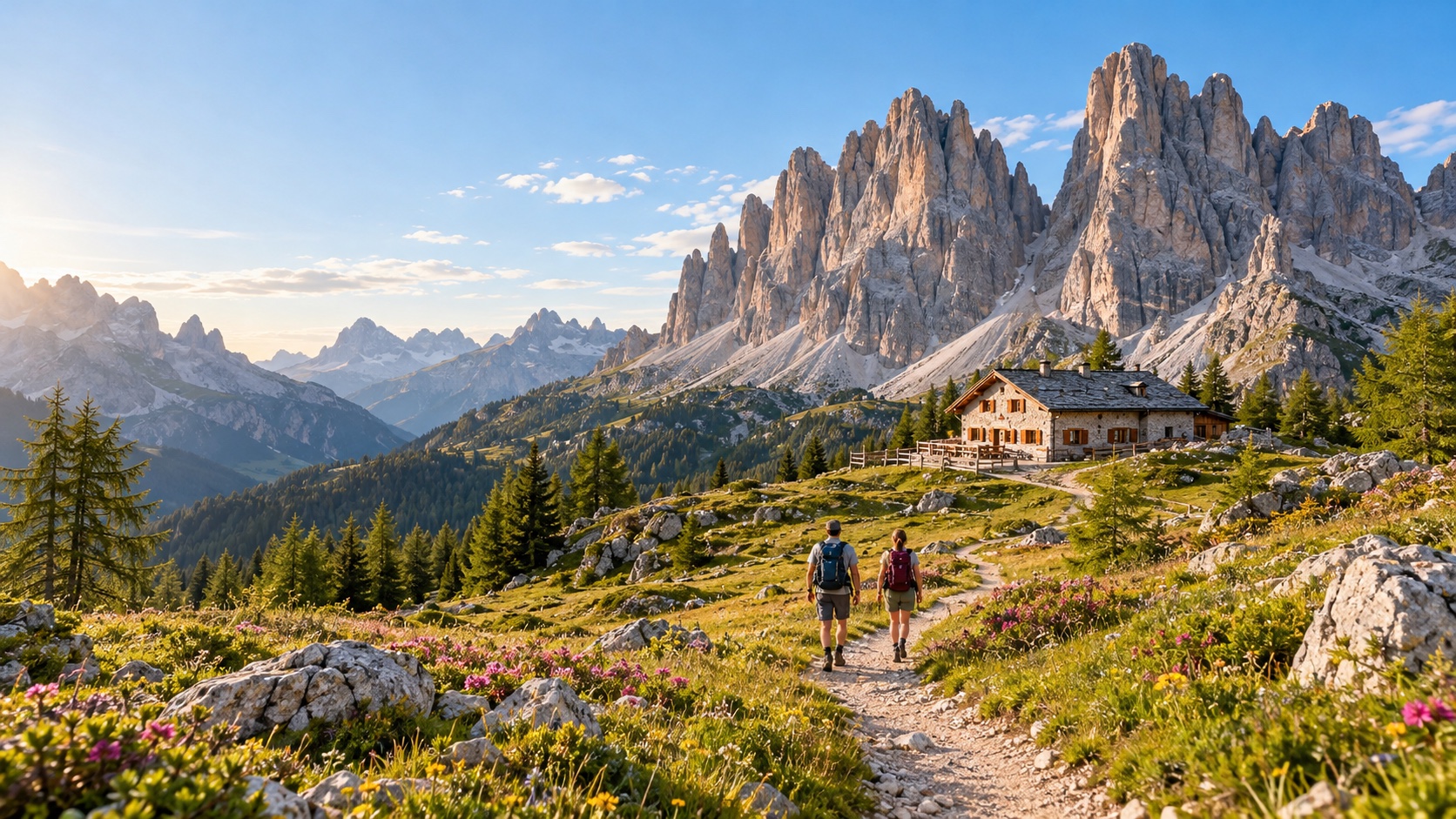
The Dolomites combine pale limestone towers, alpine meadows, forests, rifugi, villages, lifts, and an extensive path network. Nature lovers can choose gentle meadow walks, hut-to-hut routes, steep hikes, via ferrata, or scenic transit days. These are different activities, and fixed cables do not turn technical terrain into an ordinary path.
Summer and early autumn are popular, but snow, thunderstorms, crowding, and lift schedules vary by elevation. Use buses where practical, reserve huts correctly, and follow local route classifications. Stay on paths across fragile meadows and respect grazing animals. A village base with several trail levels lets mixed-ability groups enjoy the same region without forcing everyone onto one demanding route. Rifugi vary from simple shelters to full-service mountain inns, and booking a bed carries responsibilities. Arrive within stated times, learn whether linens or sleeping sheets are required, respect quiet hours, and cancel promptly if plans change. Water and waste capacity are limited at elevation. Ordering meals and carrying personal litter correctly supports the hut system better than treating the building as a scenic café.
The Swiss Alps by Rail and Foot
Switzerland makes many mountain valleys accessible through integrated trains, buses, boats, and lifts. Travelers can base in one region and reach lake paths, panoramic walks, glacier viewpoints, and higher trails without changing hotels every night. Public transport reduces driving stress, but timetables and final connections still require attention.
High prices reward early budgeting and a compact itinerary. Check trail status, snow, lift maintenance, and weather through official regional sources.
Rapid lift ascent can expose visitors to altitude before acclimatization. Walkers should distinguish maintained hiking paths from alpine routes requiring stronger footing and navigation. Locally owned lodging and ordinary regional trains may provide a more grounded experience than collecting premium scenic rides.
The Canadian Rockies Canada
Banff, Jasper, Yoho, Kootenay, and nearby provincial parks offer turquoise lakes, broad valleys, glaciers, wildlife, forests, and trails ranging from accessible paths to remote backcountry routes. Popular sites may require shuttles, reservations, or timed planning. Wildfire, smoke, snow, wildlife activity, and road conditions can alter access rapidly.
Use official park alerts, carry bear spray where recommended and legal, and learn how to use it before hiking. Never approach elk, bears, or other animals for photographs. Book regulated accommodation or campsites, stay on trails, and use transit at congested locations. Less famous valley walks can provide quieter nature experiences without sacrificing mountain scale.
Patagonia in Chile and Argentina
Patagonia includes granite towers, ice fields, steppe, forests, lakes, and long distances across southern Chile and Argentina. Torres del Paine and Los Glaciares are major anchors, but weather and transport shape every itinerary. Fierce wind, cold rain, trail erosion, and sudden closures can challenge even summer visitors. Reserve required campsites or lodging, use authorized trails, and carry layers for rapid change. Border crossings and bus schedules make a tightly packed two-country route fragile. Choose one area for a longer stay and keep lower alternatives ready. Local guides can add geology, ecology, and regional history without turning every outing into a summit objective. Park distances are substantial, and popular highlights are not all adjacent. Build a cluster around one highway corridor or town rather than spending most days in a vehicle. Bear-country rules apply at picnic areas and parking lots as well as backcountry camps. Keep food secured and never stop in traffic when wildlife appears. A local naturalist can help visitors notice ecology beyond the celebrated lake viewpoints.
The Japanese Alps
The Japanese Alps offer forests, volcanic landscapes, alpine basins, hut routes, hot-spring towns, and seasonal flowers across Honshu. Trains and buses can reach major gateways, while mountain transport becomes limited or seasonal. Typhoons, heavy snow, heat, rain, and volcanic alerts require current checks.
Hut rules, meal times, reservations, bathing etiquette, and waste systems differ from casual camping expectations. Carry cash where necessary, arrive on time, and keep voices low in shared spaces.
Marked paths may still include ladders, chains, or steep rock. Visitors seeking gentler nature can use lower forest routes and valley towns rather than assuming every alpine trip requires a ridge traverse.
Nepal Beyond a Single Famous Trek
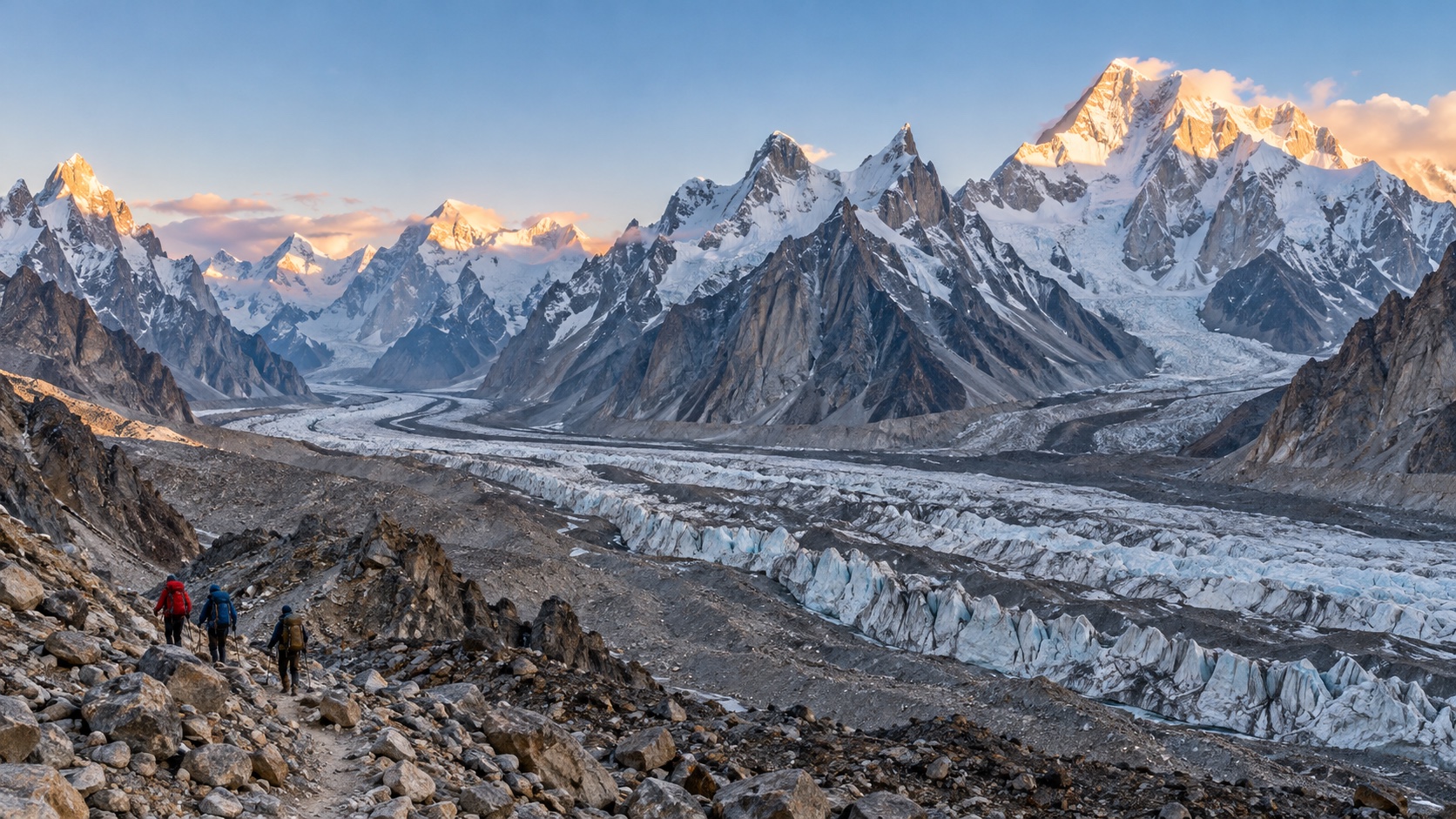
Nepal’s Himalaya include the Everest, Annapurna, Langtang, Manaslu, and many less-visited regions, each with distinct permits, seasons, infrastructure, culture, and altitude profiles. Trekking is not merely a mountain backdrop; it crosses communities whose lodges, farms, sacred sites, and transport systems support the journey. Choose an itinerary with conservative acclimatization and licensed local staff. Verify guide and porter conditions, insurance, equipment, load limits, emergency plans, and current route rules. Monsoon, winter snow, landslides, road construction, and altitude can change plans. Turning around protects travelers and workers alike. Longer stays in fewer valleys reduce flight pressure and create more consistent local spending. Trekking agencies should describe how they respond to altitude illness, helicopter limits, trail closures, and delayed flights. Travelers need reserve funds and insurance that covers the planned elevation and activity. Lukla or mountain weather can disrupt tight international connections, so add buffer days. Tea-house comfort varies, and local fuel, water, and waste systems are under pressure; use them conservatively.
Norway for Fjords and High Plateaus
Norway’s mountain experience includes fjords, waterfalls, coastal peaks, plateaus, glaciers, cabins, and rail-linked valleys. Famous viewpoints can be crowded, while weather makes exposed routes hazardous even in summer. A village base and public transport can connect scenic rail, lower paths, and guided activities.
Read route-specific official advice because snow bridges, river levels, wind, and parking management change. Glacier walking requires authorized guides and technical equipment. Broad access traditions come with obligations around homes, livestock, fire, waste, and camping distance. Consider less famous trails and travel outside major ship arrival hours to reduce pressure on small communities.
Madeira Portugal
Madeira rises sharply from the Atlantic into laurel forest, volcanic ridges, waterfalls, levada paths, and cultivated slopes. Trails range from level water-channel walks to exposed stairways and high traverses. A short distance on the map can include tunnels, drop-offs, wet stone, or significant elevation change.
Check official closures after storms, landslides, or maintenance. Carry a light for tunnels, use footwear with grip, and avoid narrow routes when crowds or weather make passing unsafe.
Buses reach some trailheads, while shared transfers may work better elsewhere. Stay several nights and combine high routes with forest, coast, and village days.
Georgia and the Greater Caucasus
Georgia’s Caucasus regions offer sharp peaks, glaciers, wildflower valleys, towers, villages, and developing trail networks. Svaneti and Kazbegi are prominent gateways, but transport, road quality, rescue access, marking, and accommodation vary. A local guide can be valuable on less-defined routes or where river crossings and snow remain. Respect farms, guesthouses, churches, and community norms rather than treating villages as scenery. Weather changes quickly, and maps may not reflect every road or trail change. Use established paths, hire horses only through operators with good welfare practices, and allow buffer days. Locally owned guesthouses keep spending in mountain communities. Mountain roads can be vulnerable to weather and construction, making departure times uncertain. Carry local contact details and avoid scheduling an international flight immediately after a remote transfer. Horse or mule transport should be evaluated for load, tack, rest, water, and handling. Travelers who do not need animal support can carry a manageable pack or use luggage systems with clear welfare standards.
Morocco and the High Atlas
The High Atlas combine arid valleys, cultivated terraces, walnut groves, Amazigh villages, and high summits. Heat, cold, snow, altitude, water, and earthquake recovery conditions all affect route planning. Spring and autumn may be comfortable at some elevations while upper passes remain wintry.
Choose qualified local guides and accommodations with transparent community relationships. Dress and behave respectfully in villages, ask before photographing people, and avoid distributing gifts directly to children.
Water is scarce, so use it conservatively. A valley-based itinerary with day walks can offer rich landscape and culture without committing to a high summit.
New Zealand Southern Alps
The Southern Alps stretch through New Zealand’s South Island with glaciers, braided rivers, beech forest, alpine lakes, and managed walking tracks. Weather, flooding, snow, avalanche risk, and landslides can close routes quickly. Great Walk bookings and hut systems require careful advance planning, while many shorter tracks remain available.
Follow Department of Conservation alerts and biosecurity guidance, carry required equipment, and never cross a flooded river. Seek Māori-led interpretation where available and respect culturally significant places. Driving distances are longer than they appear, so select one region instead of attempting the entire island. Coaches and rail can support parts of a lower-impact itinerary. Accessibility varies within every destination. Scenic railways, paved lakeside routes, adapted trails, cable cars, and step-free viewpoints can provide meaningful mountain access, but operators should give exact surface, grade, width, toilet, and boarding details. Necessary vehicle or lift use is not a failure of responsible travel. Good planning matches resources to real needs while avoiding unnecessary pressure elsewhere. Food and water systems change with elevation. Mountain huts may rely on deliveries, springs, rainwater, or costly transport, while villages may face seasonal scarcity. Follow local drinking-water guidance, carry a treatment backup where appropriate, and avoid wasting tap or shower water. Pack food that suits the route without leaving wrappers, scraps, or strong odors that attract wildlife. Photography should never determine foot placement. Stop on a wide, durable surface before using a camera, keep tripods out of the path, and avoid cliff-edge posing. Ask permission before photographing residents, guides, workers, or private farms. Sharing exact coordinates for sensitive plants, wildlife, or unofficial viewpoints can increase damage long after the visit. Travel dates should include a decision point for wildfire, smoke, storms, or unusual heat. Check cancellation terms before booking and avoid relying on nonrefundable high-risk activities. When authorities ask visitors to leave or stay away, comply early. Emergency roads, lodging, fuel, and communications belong to residents and responders during a crisis.
Build a Mountain Trip With More Than One Altitude
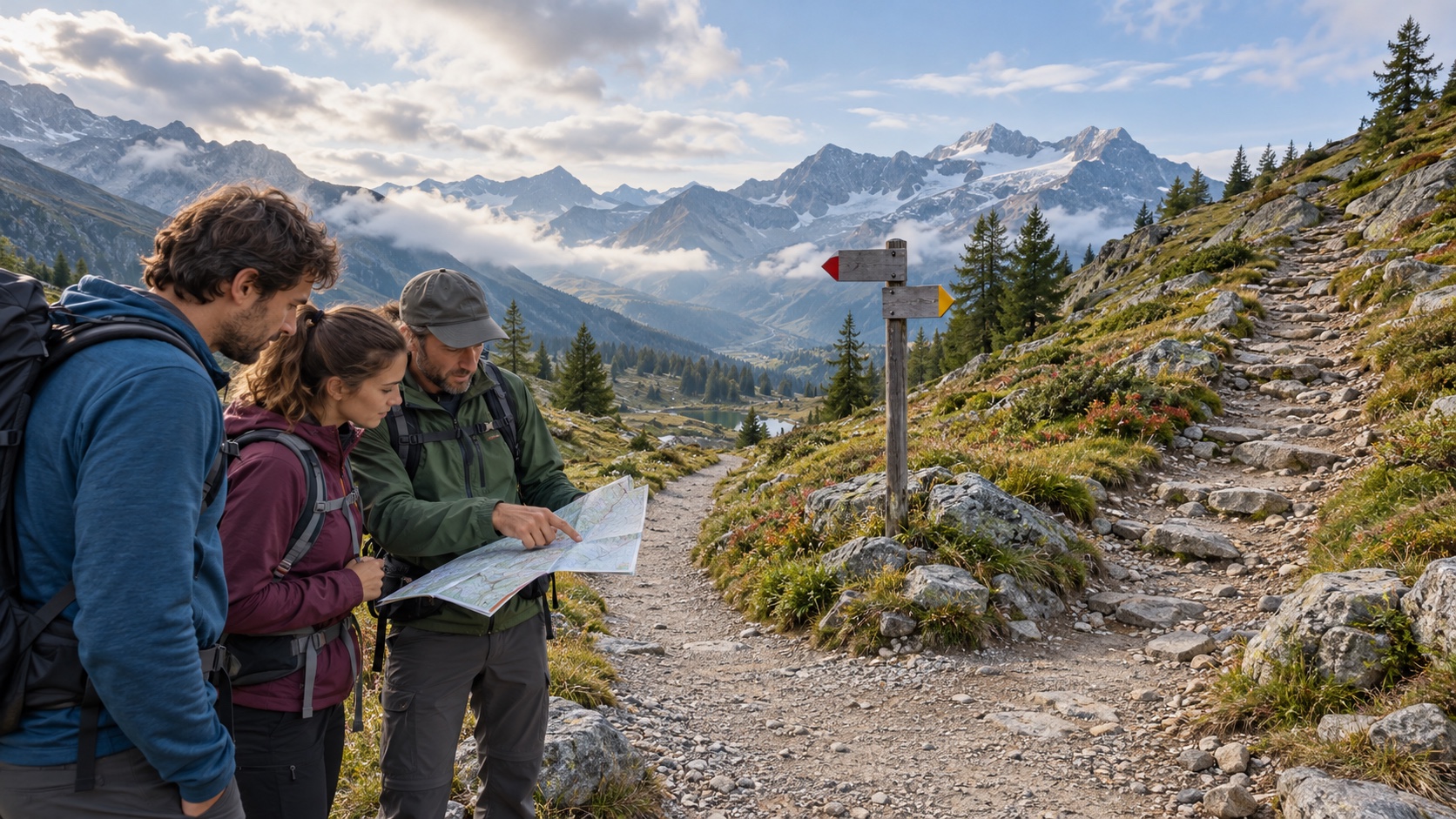
A resilient itinerary includes high, middle, and valley experiences. Schedule the most weather-dependent activity after acclimatization, keep flexible days, and choose lodging that does not require a long transfer every morning. Forest walks, lakes, farms, museums, scenic transit, and village markets give meaning to days when summits disappear into cloud. Use official alerts, current maps, appropriate equipment, and qualified guides when the terrain demands them. Protect wildlife and vegetation, follow closures, and leave space for residents. Nature lovers see more when the trip is not measured only by elevation: mountain water, forest, geology, culture, and changing light are part of the same living system.