Local Culture Is Often Found in Ordinary Places
The best places to experience local culture while traveling are not always the biggest landmarks. They are often neighborhoods, markets, parks, workshops, ferry routes, food streets, community museums, and public squares where daily life remains visible. Travelers who want real cultural connection should look for places where residents still shape the rhythm of the day. A destination becomes more meaningful when visitors understand not only what people preserve, but how they live now.
A: Neighborhoods, markets, public spaces, and community-led experiences usually reveal culture better than isolated attractions.
A: A guide helps when history, etiquette, language, or neighborhood change would be hard to understand alone.
A: No, but balance them with places where local routines are still visible.
A: Follow rules, ask before photos, support local businesses, and remember that people are not scenery.
A: Morning markets and evening public spaces often show daily rhythm well.
A: Yes. Music, fashion, food, sports, design, and immigrant neighborhoods are all living culture.
A: Only respectfully, ideally with a local guide or a clear public route.
A: Lisbon, Mexico City, Kyoto, Seoul, Istanbul, and New Orleans can be approachable with good planning.
A: A half day or full day often teaches more than a quick photo stop.
A: Comfortable shoes, modest clothing options, cash for small purchases, and patience.
Neighborhoods With Daily Life Still Visible
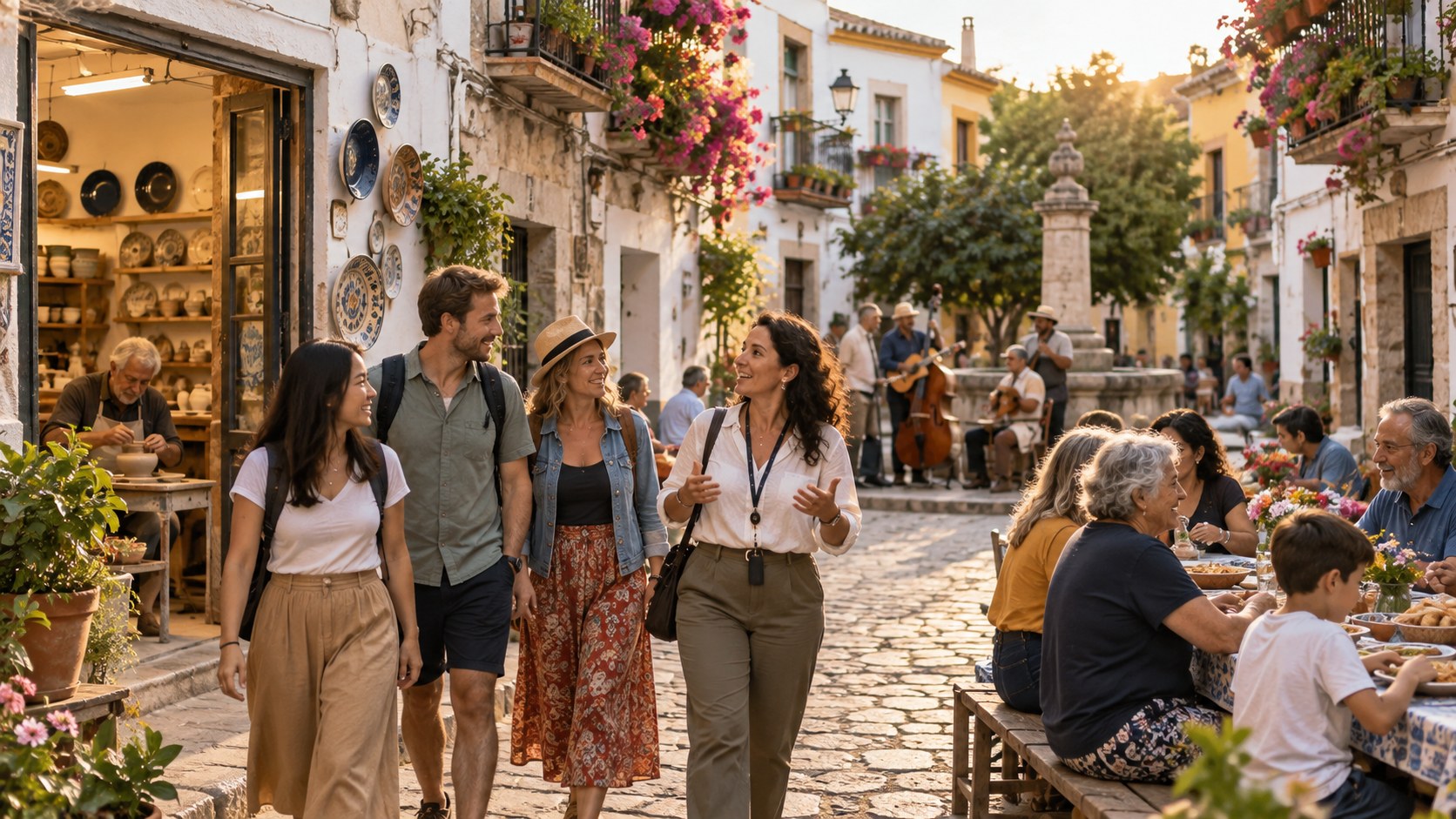
A culturally rich neighborhood has more than pretty streets. It has bakeries opening early, repair shops, schools, small markets, public benches, churches or temples, local restaurants, murals, bus stops, and residents using the space for ordinary needs. Walking with a knowledgeable guide can reveal why certain buildings look the way they do, how migration shaped the area, and what pressures are changing it.
Travelers should be careful not to treat residential life as an attraction. Stay on public streets, spend money locally, keep cameras modest, and do not crowd doorways or private courtyards. The goal is to understand a neighborhood, not to extract atmosphere from it.
Markets That Show How a Place Eats
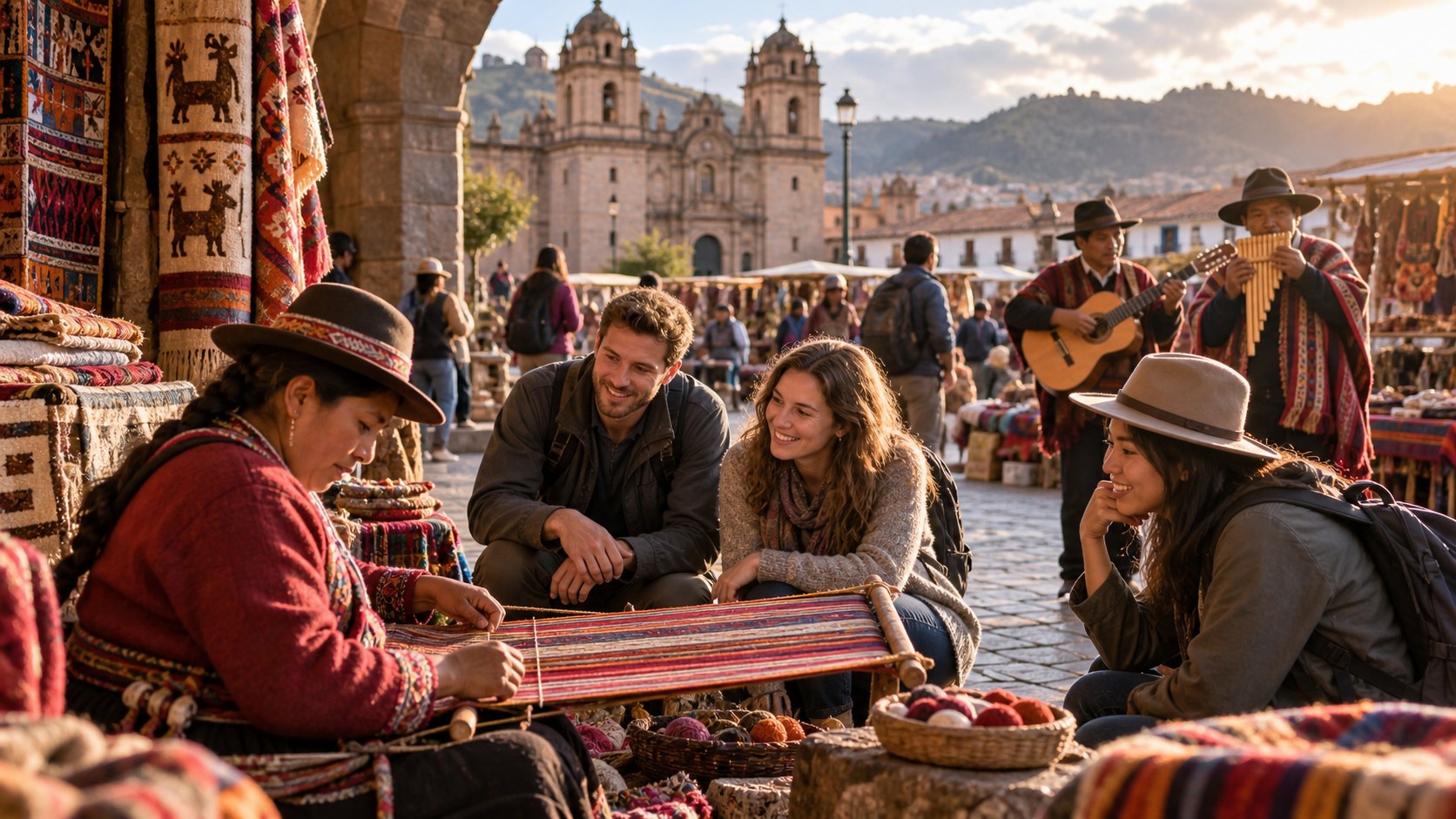
Markets are among the best places to experience local culture because they connect food, language, work, season, and social habit. A market in Oaxaca, Palermo, Seoul, Istanbul, or Chiang Mai can teach travelers what people cook at home, what snacks fuel the workday, and how vendors build trust with repeat customers. The most interesting moments may be small: a tasting spoon, a vendor greeting a regular, or the way herbs are bundled.
Go early when the market is active, and go with a guide if language or layout feels intimidating. Buy something, ask simple questions, and stay aware of people who are shopping for real household needs. A market is a living system first and a visitor experience second.
Food halls built mainly for tourists can still be enjoyable, but they rarely tell the full story. Pair polished spaces with working markets, bakeries, lunch counters, and produce streets if local culture is the goal.
Public Spaces, Parks, and Evening Streets
Culture often appears in public spaces after work and school. Plazas, waterfronts, parks, promenades, night markets, and evening streets show how people gather when they are not performing for visitors. In some cities, the best cultural hour is sunset, when families walk, musicians appear, food vendors set up, and public life softens.
Travelers should look for places where lingering is normal. Sit with a drink, watch how people use the space, and avoid turning every scene into a photo. Observation can be one of the most respectful ways to learn.
Small Museums and Community Cultural Centers
Major museums can be excellent, but smaller museums and community cultural centers often explain local identity with more intimacy. They may focus on migration, textiles, music, civil rights, maritime history, farming, religion, or a single neighborhood. These places help travelers understand what residents consider important enough to preserve.
A local museum visit can also make nearby streets easier to read. After learning about a port, a craft, or a migration story, the traveler notices shop names, building materials, food traditions, and public art differently. Culture becomes connected rather than scattered.
Workshops, Kitchens, and Maker Districts
Maker districts give travelers a chance to see culture as work. Ceramics towns, textile villages, instrument workshops, boatyards, print studios, and culinary schools reveal how skill is taught and sustained. The experience is strongest when travelers meet makers in a context that respects their time and does not interrupt production.
Kitchens can function the same way. A home-style cooking class, bakery visit, coffee roasting session, or fermentation workshop turns local culture into a sequence of decisions. Travelers learn why ingredients are chosen, when meals happen, and how taste is shaped by climate and memory.
Choosing Places That Welcome Visitors Well
Not every culturally interesting place is appropriate for visitor attention. Some neighborhoods are over-touristed, some ceremonies are private, and some communities are tired of being observed without benefit. Responsible travelers choose places where visitor systems exist, local leadership is involved, and expectations are transparent.
A good local culture itinerary should help both sides. Travelers gain context and connection. Hosts receive fair payment, respectful attention, and visitors who follow the rules. When that balance is present, cultural travel feels less like looking in and more like being carefully invited closer.
The best cultural places are often close to transit, water, markets, or older working districts. These areas show how people move through the day. A ferry route, tram line, or central market can sometimes teach more about a city than another observation deck.
Travelers should also think about time of day. A street that feels sleepy at noon may become vibrant at dinner. A square that is crowded on weekends may be calm on a weekday morning. Repeating the same place at different hours can reveal cultural rhythm more clearly than adding more stops.
Local culture is not always quaint. It includes new music, immigrant neighborhoods, contemporary art, sports, youth style, transit habits, and debates about development. Travelers who only seek old traditions may miss the living culture unfolding in front of them.
Guides are especially valuable when a place is easy to misread. A wall mural, religious procession, market custom, or memorial may carry meanings that are not obvious from the outside. Good interpretation keeps travelers from flattening complex places into scenery.
The safest rule is to behave as though you are a guest in a place that does not owe you access. Spend locally, move gently, ask when uncertain, and let the destination keep some mystery. That restraint often makes the experience feel more real, not less.
University districts can be excellent places to notice local culture because they mix bookstores, cheap food, public lectures, music, cafes, protest history, and young creative energy. They may show where a city is heading rather than only what it preserves. Travelers should treat them as working neighborhoods, not as theme parks for youth culture.
Religious areas require particular care. Temple districts, church plazas, mosque neighborhoods, shrines, and pilgrimage streets can be culturally rich, but they are also places of devotion. Visitors should learn clothing expectations, prayer times, photography rules, and whether certain areas are closed to non-worshippers. Respect comes before curiosity.
Sports venues can reveal local identity quickly. A neighborhood football match, baseball game, cricket ground, sumo tournament, or community race can show language, food, humor, rivalry, and civic pride. The best approach is to attend with someone who can explain rituals and help visitors avoid awkward behavior.
Waterfronts often carry cultural memory. Ports, riverwalks, fish markets, ferry terminals, and working harbors reveal trade, labor, migration, and local food systems. A traveler who understands the waterfront often understands why a city grew where it did and how it connects to the world.
The best places for culture usually resist one simple label. A single neighborhood may be historic, gentrifying, creative, sacred, political, and practical all at once. Travelers should avoid deciding too quickly what a place 'is.' Spend long enough to notice contradiction. That is often where the truth begins.
Local culture is easier to experience when the itinerary leaves room for repetition. Returning to the same bakery, square, tram stop, or market stall creates recognition. Even brief recognition changes the feeling of travel. The place becomes less like a scene and more like a rhythm the visitor has begun to understand.
Some of the best cultural places are not advertised as cultural at all. A municipal swimming pool, public garden, neighborhood grocery, community theater, ferry terminal, or weekend sports field may reveal habits that formal attractions miss. Travelers should not intrude, but they can observe public life respectfully and learn how people use shared space.
Food neighborhoods are especially useful because they combine migration, affordability, language, family business, and daily routine. A single street of bakeries, noodle shops, halal butchers, produce stands, or cafes may tell a layered story about who arrived, what they carried, and how the city changed around them. Eating there with curiosity can be a cultural lesson.
Markets and plazas also show how age groups interact. Children, elders, workers, students, and visitors may all use the same place differently. Watching that mix helps travelers understand whether public life feels formal, playful, hurried, communal, or private. These impressions are small, but they make the destination feel more legible.
Travelers should not overlook local calendars. Market days, saints days, school holidays, sports fixtures, harvest weekends, and election seasons can transform public spaces. A town may feel empty one day and alive the next. Checking the calendar helps visitors arrive when culture is actually visible rather than expecting every place to perform constantly.
Experiencing local culture also means respecting ordinary inconvenience. Shops may close midday, meals may run later than expected, buses may follow local rather than tourist logic, and service may not match home habits. These details are not failures. They are part of understanding how a place organizes time.
The best local-culture days often end with a small act of recognition. You understand why a street fills at dusk, why a certain snack appears after school, or why a plaza matters to residents. These are not dramatic discoveries, but they change the way a traveler remembers the destination. The place becomes specific.
Book a place to stay that supports this kind of travel. A hotel or guesthouse near transit, markets, and walkable streets gives travelers more chances to notice everyday life. A remote resort may be restful, but it can separate visitors from the local rhythms they hoped to experience. Location is part of cultural access.
Local guides can help travelers see beyond the most obvious layer. They may explain why a neighborhood changed, how a market survived, why a music style matters, or where visitor attention has become too heavy. The best guides do not simply unlock secrets. They teach visitors how to behave with more care.
Cultural places are sometimes strongest when they are imperfect. A working market may be crowded, a ferry may be slow, a neighborhood may show tension alongside beauty, and a community museum may be modest. These imperfections can reveal real life. Travelers who only seek polished experiences may miss the texture that makes a place memorable.
A useful itinerary alternates observation and participation. Watch a public space before joining an activity. Visit a museum before walking the related streets. Eat a local meal after seeing the market that supplies it. These connections help travelers avoid treating culture as disconnected entertainment.
Staying in one area longer can make local culture easier to feel. Three nights in a well-chosen neighborhood may reveal more than moving every day for new backdrops. Repetition builds recognition, and recognition makes ordinary places more meaningful.
Travelers should pay attention to who benefits from their curiosity. A walking tour, market visit, or workshop is stronger when local ownership is clear and the experience does not push residents aside. Culture is easier to appreciate when the visitor economy supports the people keeping it alive.