A Cultural Bucket List Should Be Built Around Learning, Not Collecting
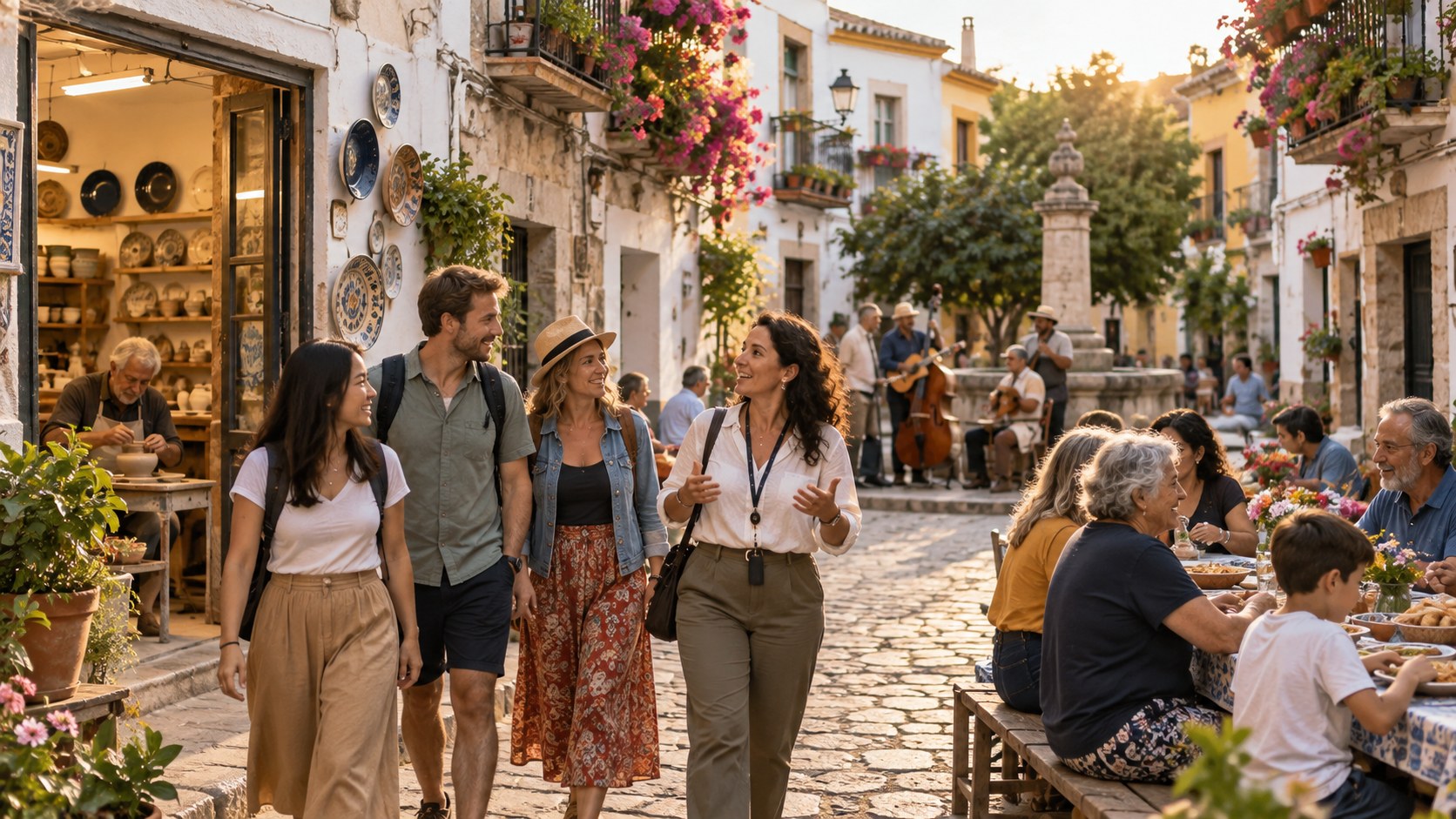
An ultimate cultural travel bucket list should not be a race through famous traditions. The experiences worth having are the ones that help travelers understand how people make meaning in specific places. That may happen through a weaving lesson, a pilgrimage route, a neighborhood meal, a music night, a language exchange, or a festival where visitors know how to behave. The list becomes valuable when it is shaped by respect, curiosity, and enough time for the experience to feel human.
A: Start with traditions, skills, and questions you care about, then choose destinations where they can be experienced responsibly.
A: Some are, but markets, neighborhood walks, museums, performances, and local workshops can be affordable.
A: Book limited-capacity workshops, guides, festivals, and small venues before filling the rest of the itinerary.
A: Yes, if visitor behavior is respectful and the festival remains rooted in local meaning.
A: Direct instruction, fair payment, material context, and respect for the maker all matter.
A: Buy fewer, better pieces directly from makers when possible.
A: One deep experience every day or two is usually better than constant programming.
A: Apologize, adjust quickly, and learn from the correction.
A: Yes, guided workshops, food tours, and language exchanges can create easy connection.
A: It should leave fair payment, careful stories, and no harm to the people or places visited.
Learn a Craft From Someone Who Practices It
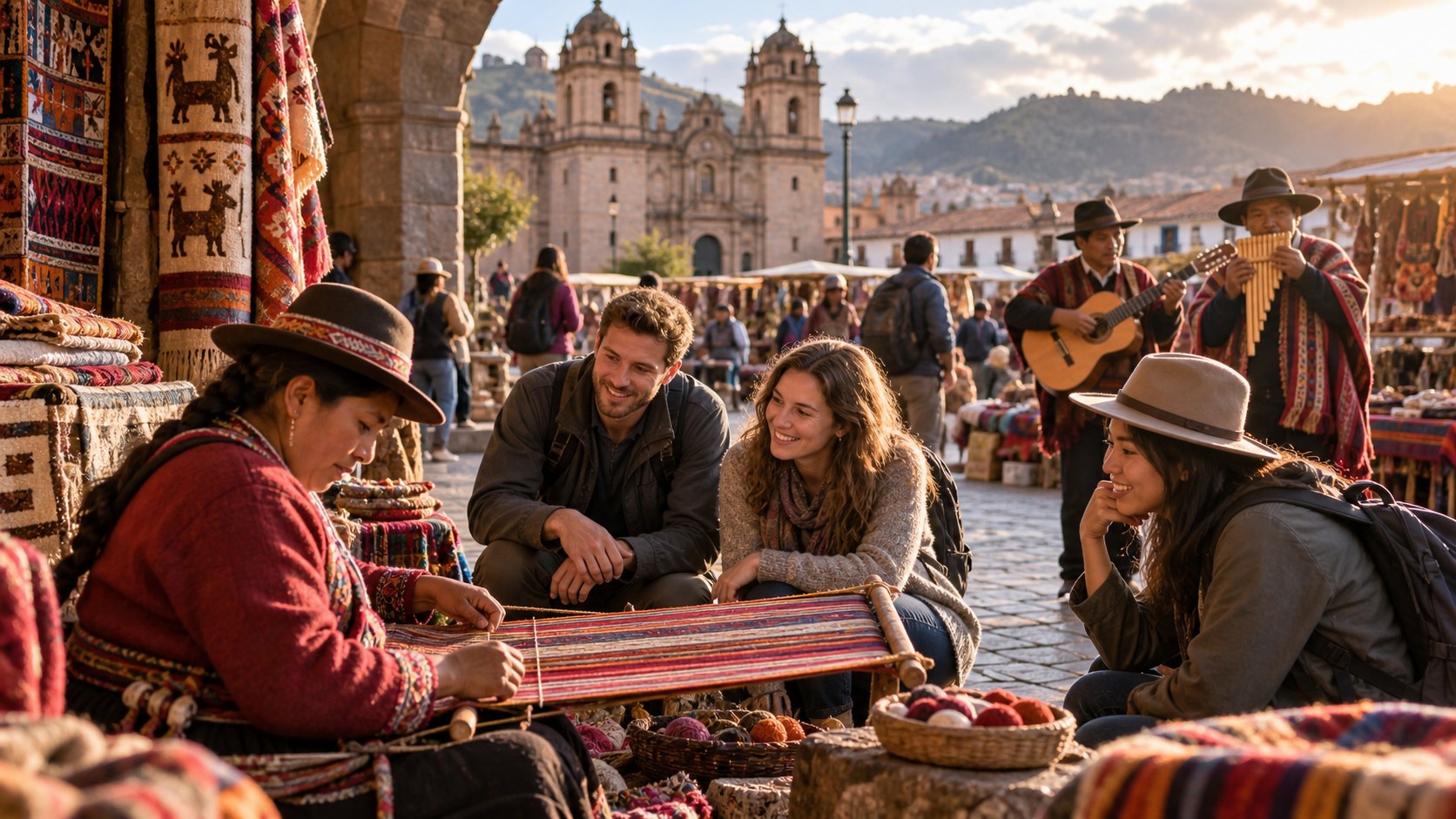
A hands-on craft experience belongs high on any cultural bucket list because it slows travel down. Pottery, weaving, mask making, calligraphy, wood carving, metalwork, natural dyeing, and basketry all reveal how local materials become identity. The traveler learns through mistakes: uneven pressure, crooked lines, rushed knots, impatient hands. That humility is part of the value.
Choose craft experiences where the maker is visible, credited, and fairly compensated. A strong host explains how the work is used locally, how long it takes to learn, and what threatens the craft today. Buying one piece directly from that maker can be more meaningful than filling a suitcase with anonymous souvenirs.
Join a Food Tradition With Real Context
Cooking and eating can become bucket-list experiences when they show more than recipes. Making pasta in Emilia-Romagna, preparing mole in Oaxaca, joining a tea ceremony in Japan, visiting spice markets in Morocco, learning kimchi traditions in Korea, or baking bread in Georgia can connect travelers with memory, household rhythm, agriculture, and hospitality.
The best food experiences include time before and after the table. Shopping, grinding, kneading, tasting, cleaning, serving, and hearing family stories all matter. A meal becomes cultural when travelers see how food organizes relationships, not only how it photographs.
Experience Music Where It Belongs
Music is often most powerful in the setting that shaped it. Fado in a small Lisbon room, tango in Buenos Aires, jazz in New Orleans, flamenco in Andalusia, devotional singing in Varanasi, or traditional drumming in Ghana can all become defining travel memories when the audience understands what they are hearing.
Travelers should avoid experiences that flatten music into background entertainment. Look for venues that credit artists, explain etiquette, and attract local listeners. Arrive on time, stay present, and pay fairly. A bucket-list performance should feel like a privilege, not an accessory to dinner.
Walk Routes With Spiritual or Historical Weight
Some cultural experiences unfold over distance. Pilgrimage paths, old trade routes, freedom trails, canal walks, temple circuits, and heritage rail journeys help travelers understand how geography shapes culture. Walking part of the Camino de Santiago, tracing civil rights history in the American South, following sections of the Nakasendo in Japan, or visiting caravan towns in Central Asia can reveal connections that single-site tourism often misses.
These routes ask for preparation and care. Travelers should understand local rules, community capacity, sacred expectations, and physical demands. The reward is a slower form of learning, where landscapes, towns, meals, and conversations accumulate meaning.
Attend Festivals Without Treating Them as a Spectacle
Festivals belong on a cultural bucket list because they show a community in motion. Carnival, Diwali, Day of the Dead, Songkran, Semana Santa, Naadam, Lunar New Year, and regional harvest festivals can be extraordinary, but they are not all designed for visitors in the same way. Some welcome participation. Others require quiet observation or careful distance.
Good festival travel starts with etiquette. Know where visitors may stand, what clothing is appropriate, whether photography is restricted, and how crowds affect local residents. The best festival memories come from joining the rhythm respectfully rather than trying to possess the most dramatic moment.
Turn the Bucket List Into Real Plans
A cultural bucket list should include different scales. Add one nearby experience that can happen this year, one destination tied to a tradition you want to understand, and one larger journey that requires more time or saving. This keeps the list alive instead of making it a distant fantasy.
Review the list regularly and remove anything that depends on exploitation, overcrowding, or shallow access to sacred life. A strong cultural travel list grows more thoughtful over time. It should make travelers better guests as well as better planners.
The most satisfying cultural bucket-list trips often combine one structured experience with unstructured time nearby. A guided workshop followed by a walk through the maker district, or a festival day followed by a quiet neighborhood meal, gives the mind room to connect what it has seen.
Travelers should resist the idea that authenticity always means remote, difficult, or unpolished. A well-run museum, city food tour, or formal performance can be deeply authentic when it is rooted in local expertise and fair compensation. The question is not whether tourists are present. The question is whether the experience still honors the culture it presents.
Language learning can be a bucket-list item in itself. Spending a week in a language homestay or conversation program changes how travelers move through a place. Even limited ability makes ordinary interactions richer and reveals humor, politeness, and social rhythm that translation alone cannot carry.
A cultural list should also include return visits. Going back to a place in a different season or with more knowledge can be more meaningful than adding a new country. Culture is not exhausted in one trip. It rewards attention over time.
The best bucket list leaves travelers with responsibility. If an experience depends on a living tradition, fragile neighborhood, or sacred site, visitors should ask how to support it after leaving. That may mean buying directly, donating to preservation, recommending ethical operators, or simply telling the story with care.
One useful bucket-list category is the apprentice day. This is not a performance or a lecture. It is a chance to spend several hours close to a practice, whether bread baking, boat repair, ceramics, natural dyeing, olive pressing, or instrument making. Travelers learn how much repetition sits behind what might otherwise look effortless.
Another category is the living-history walk. These are routes where the past is still visible in street names, memorials, architecture, migration patterns, religious buildings, and food traditions. A strong walk does not romanticize old suffering or old power. It helps travelers understand how memory is carried through the present city.
A meaningful list should include at least one cultural experience close to home. Local immigrant neighborhoods, tribal cultural centers, regional music events, county fairs, historic foodways, and community museums can teach travelers to pay attention before they cross a border. Practicing respect nearby makes faraway travel better.
Some experiences require emotional readiness. Memorial sites, post-conflict tours, sacred pilgrimages, and communities shaped by displacement can be important, but they are not light entertainment. Travelers should arrive prepared to listen, avoid centering themselves, and leave space afterward for reflection.
The list can also include seasonal returns. Seeing a place during harvest, winter festival, rainy season, pilgrimage week, or planting time reveals rhythms that a standard summer visit may miss. Seasonality prevents culture from feeling like a fixed product and reminds travelers that traditions move through the calendar.
A bucket list becomes more useful when each item includes a why. Instead of writing only 'learn weaving in Peru,' write what you hope to understand: material, pattern, community, family inheritance, or landscape. That reason helps choose the right host and keeps the trip from turning into a photo opportunity.
Bucket-list cultural travel should include quiet learning as well as dramatic events. Reading local literature before arrival, taking a neighborhood history walk, visiting a small archive, or spending an afternoon with a specialist guide may not sound spectacular, but these experiences can change how an entire destination feels. They give travelers a richer frame for every meal, street, and conversation that follows.
A list built only around famous festivals can become stressful because dates, crowds, and prices all peak at once. Balance those events with experiences that are easier to arrange: workshops, food traditions, music venues, walking routes, and museums. This gives the traveler momentum even when a major festival is not possible in a particular year.
Cultural bucket-list planning also benefits from ethical exclusions. Decide in advance to avoid exploitative school visits, intrusive poverty tours, sacred ceremonies without permission, underpaid performances, and animal-linked cultural attractions that harm welfare. Excluding harmful experiences makes room for better ones and prevents the list from being guided only by novelty.
Some bucket-list items are best done slowly. A language week, textile route, pilgrimage path, or food region may require several days before patterns become visible. Travelers who rush these experiences often come away with fragments. Staying longer allows relationships, repetition, and context to build.
The most durable cultural memories usually involve a person who taught something specific. A maker showing how tension changes a thread, a cook explaining why a dish is served at a certain holiday, or a guide describing a neighborhood from childhood memory can become the emotional center of a trip. Plan for conditions where those conversations can happen naturally.
The list should stay editable. A traveler may outgrow an old dream, learn that a once-popular activity is harmful, or discover a quieter experience that fits better. Revising the list is not failure. It is how cultural travel becomes more ethical, more personal, and more useful over time.
A cultural bucket list should include experiences that ask for listening rather than participation. Sitting with a storyteller, attending a public lecture, joining a guided memorial visit, or hearing a musician explain a tradition before performing can be just as powerful as making something by hand. Some forms of culture are best received quietly.
Travelers should also think about who is interpreting the experience. A palace tour, food route, or neighborhood walk can change completely depending on whether the story is told by an outside operator, a resident, a scholar, a maker, or a descendant of the community involved. Interpretation is not neutral. Choosing the right voice matters.
The best lists include time to process. Cultural experiences can be beautiful, uncomfortable, joyful, or emotionally heavy. A traveler who moves immediately from a memorial to a shopping street may not give either place enough respect. Build in pauses, especially after sacred sites, difficult histories, or deeply personal host encounters.
Finally, a cultural bucket list should influence future choices. After learning from artisans, travelers may buy differently. After visiting overburdened neighborhoods, they may choose quieter routes. After understanding sacred etiquette, they may prepare more carefully. The list succeeds when it changes not only where people go, but how they arrive.
A useful cultural list also includes preparation rituals. Read one local novel, learn a song's context, watch a documentary from a local filmmaker, or study the basic history behind a festival before booking the trip. Preparation makes the destination less likely to feel like a series of disconnected scenes.
Travelers can also build the list around questions rather than trophies. How does a port city remember migration? How does a mountain region preserve language? How does food change after displacement? Questions lead to better guides, better routes, and more thoughtful expectations than a simple list of famous experiences.