Curiosity Needs Time Structure and Humility
Cultural immersion is not a promise to become an insider during a vacation. It is a way of traveling that gives people, practice, and context more attention than a checklist of sights. A strong immersion trip may center on language study, a craft apprenticeship, cooking, music, agriculture, or a walking route. The experience should be locally led, fairly paid, explicit about boundaries, and honest about what a short-term guest can learn. Curiosity helps most when paired with preparation: read before arrival, ask permission, accept correction, and avoid turning hospitality into content. The ideas below suit different budgets and comfort levels, from city-based classes to rural stays. Choose one learning thread, stay long enough to repeat it, and let ordinary encounters matter beside scheduled activities.
A: One to three weeks allows repetition while shorter trips need a narrower focus.
A: No structured classes and locally led outings may offer clearer boundaries.
A: Basic courtesy phrases help and formal study can deepen the trip.
A: Only when communities define the need and visitors have appropriate skills.
A: Yes with age-appropriate expectations and safeguarding.
A: No leave time to process and revisit ordinary places.
A: Objects and people only with permission and without disrupting work.
A: Look for named teachers transparent payment and specific learning outcomes.
A: Apologize adjust and avoid demanding reassurance.
A: Deeper attention and lasting respect rather than mastery.
Study Language in a Walkable City
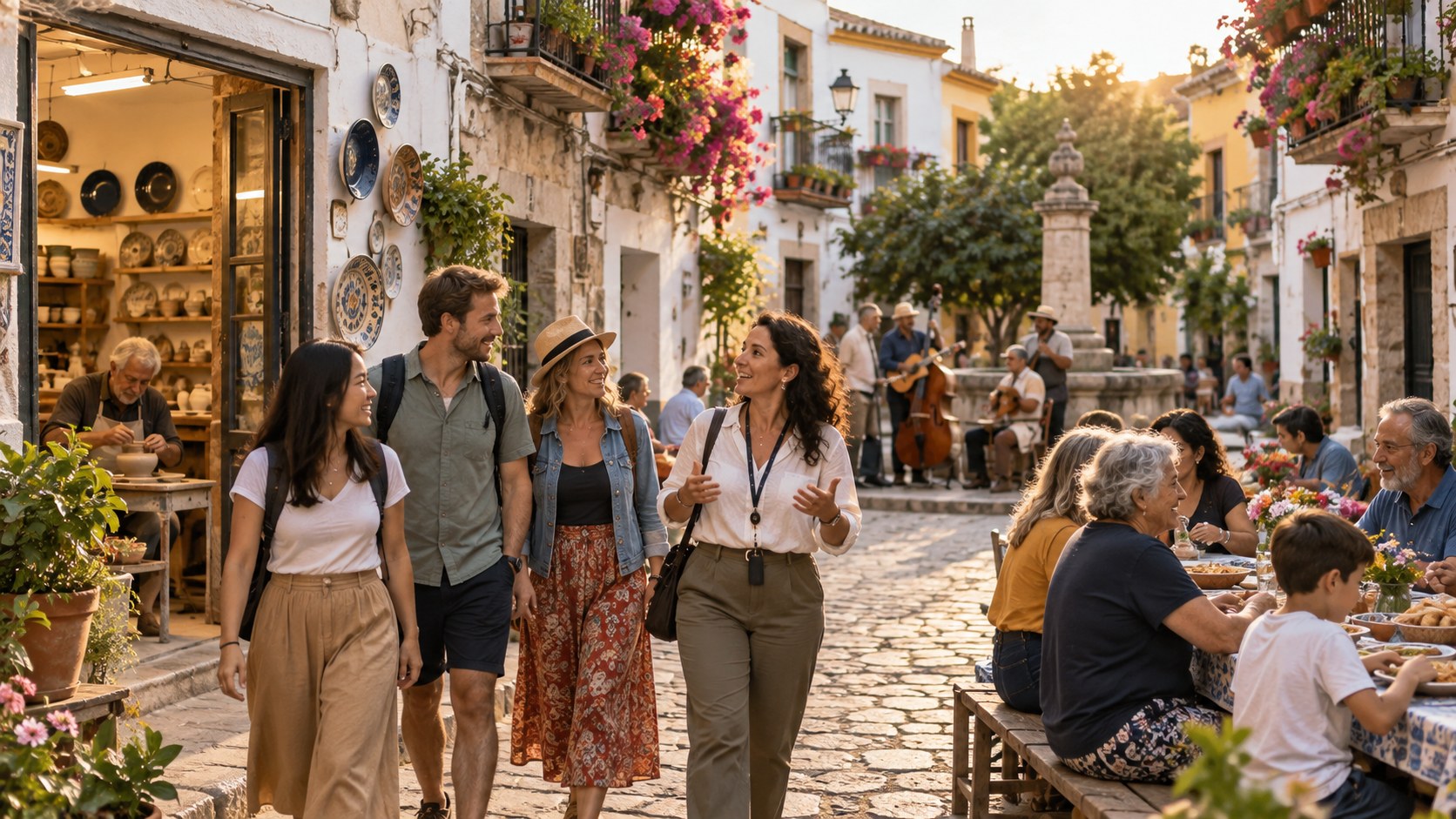
A week or two of morning language classes can reshape an entire trip. Antigua Guatemala, Oaxaca, Kyoto, Seville, Québec City, and many other places offer schools within neighborhoods where lessons immediately meet cafés, markets, buses, and museums. Small classes or individual tutoring allow practical phrases to grow through repetition.
Examine teacher qualifications, placement methods, class size, and safeguarding. Avoid treating residents as free conversation practice when they are working.
Use the language politely, accept replies in another language, and keep a notebook of useful corrections. Staying near the school makes attendance easier and leaves afternoons open for context.
Cook With a Host Who Teaches Context
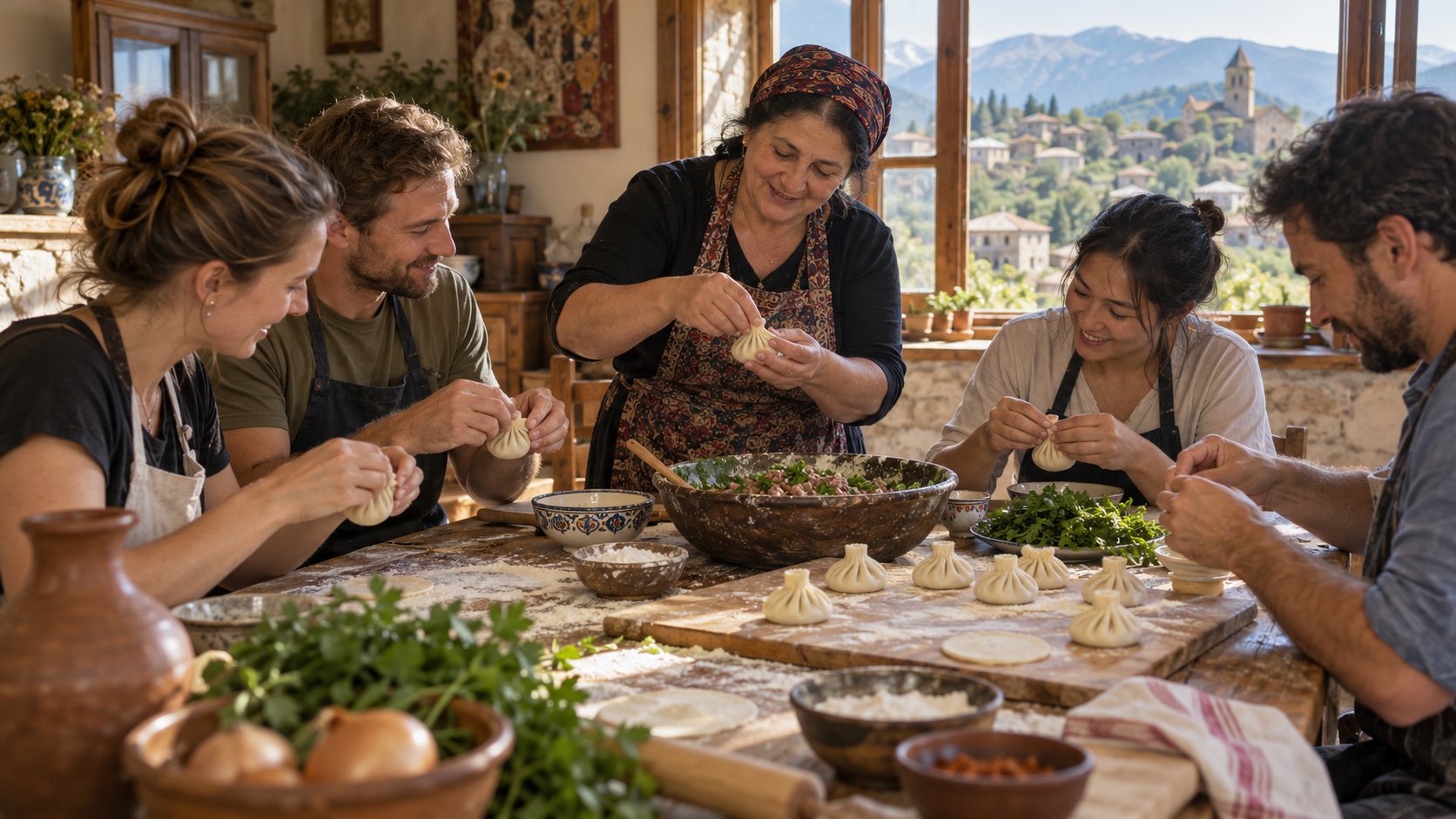
A cooking program becomes immersive when it explains ingredients, shopping, household routines, and regional variation instead of merely producing lunch. In Georgia, shaping khinkali can open discussion about dough, filling, feasts, and mountain regions. Comparable lessons worldwide connect technique with migration, climate, religion, and family preference. Choose experiences with named cooks, fair compensation, and clear allergy communication. A home setting should include boundaries around private rooms and photography. Participate in preparation and cleanup when invited. One family’s method is valuable precisely because it is specific, not because it can represent an entire country.
Learn Textile Craft From Its Makers
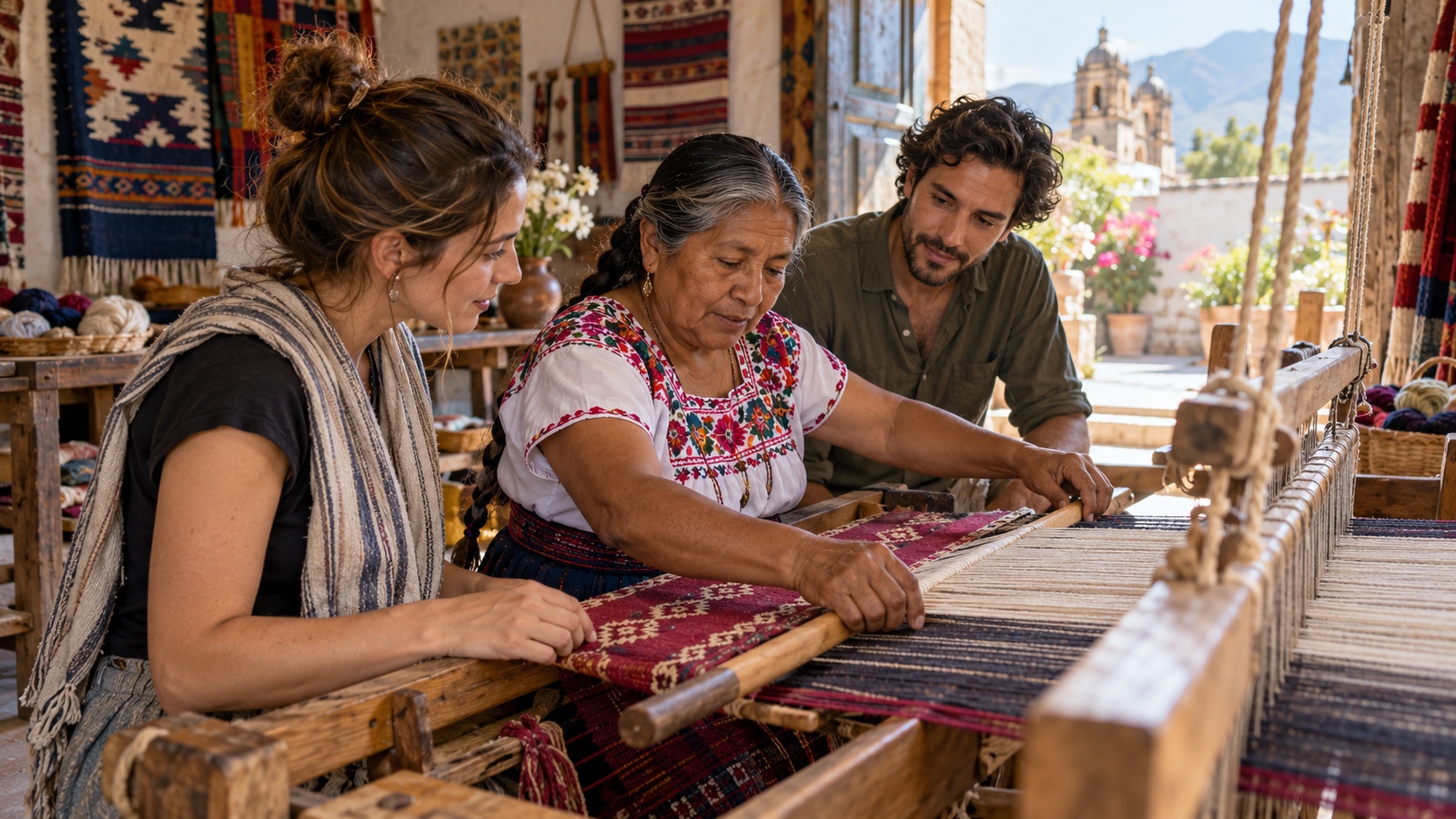
Weaving, embroidery, dyeing, printing, and fiber preparation reveal knowledge accumulated through hands, tools, plants, trade, and design systems. Workshops in Oaxaca, Peru, India, Laos, Morocco, and elsewhere differ in who owns motifs and which practices may be taught. The best sessions begin with the maker’s story and realistic expectations for beginners.
Pay for instruction rather than assuming a purchase covers hours of teaching. Ask before copying a design or posting process details. Avoid bargaining aggressively for work whose labor you now understand. A small sampler made slowly can carry more meaning than an ambitious object completed largely by the teacher.
Follow a Pilgrimage Route With Awareness
Routes such as the Camino de Santiago, Kumano Kodo, Shikoku pilgrimage, or Via Francigena connect walking with hospitality, religion, landscape, and centuries of movement. Travelers need not share the faith to walk respectfully, but they should understand sacred sites and the needs of pilgrims for whom the route has spiritual purpose.
Prepare physically, use established lodging, and follow trail rules. Do not turn worship into a photo opportunity or assume every walker wants conversation.
Slower stages allow local history, meals, and repeated encounters to matter. The cultural experience lies in rhythm and relationship, not only reaching an endpoint.
Join a Farm Stay Without Romanticizing Labor
Tea, coffee, rice, olives, grapes, cacao, or pastoral farming can anchor a rural immersion when hosts explain the real work and seasonal uncertainty. Guests may walk fields, observe processing, share meals, or perform limited tasks. The experience should never disguise unpaid labor as cultural access. Clarify duties, hours, safety, accommodation, and payment before arrival. Farms involve weather, animals, machinery, and uneven ground. Ask how tourism fits the household economy and respect private time. A responsible stay leaves travelers more attentive to agricultural skill and price, not convinced that rural life is simple.
Explore Music Through Listening and Practice
Music-focused travel may combine lessons, instrument makers, archives, public performances, and neighborhood venues. New Orleans, Havana, Seville, Chennai, Vienna, and Accra offer very different traditions whose histories include migration, worship, resistance, patronage, and commercial change. Start by listening to local artists before arrival.
Book legitimate teachers and pay venue cover charges. Recording rules vary, and intimate performances do not automatically permit video. A beginner lesson should build appreciation rather than a social-media performance. Protect hearing, arrange safe late transport, and support musicians by purchasing authorized work.
Use Community Museums as the First Interpreter
Community-run museums and cultural centers often frame heritage through resident priorities rather than a visitor’s expectations. They may address language, land, migration, industry, conflict, or environmental change alongside objects. Beginning there can make later architecture, markets, and landscapes easier to understand. Read labels carefully, pay admission, and ask staff what nearby organizations welcome visitors. Some material may be painful or politically contested. Do not demand a simplified conclusion. When the institution sells locally authored books or crafts, purchases can extend the learning and keep resources near the community.
Stay With Clear Homestay Boundaries
A homestay can offer daily rhythm, meals, and conversation, but it is not automatically more authentic than other lodging. Strong programs explain private space, meal schedules, language support, payment, household rules, and what interaction hosts have agreed to provide. Hosts should be able to decline activities without losing income unfairly.
Guests should manage their own emotional and practical needs.
Bring a small appropriate gift only if guidance supports it, contribute to conversation, and do not inspect the home as if it were an attraction. Privacy, quiet hours, and photography require explicit consent.
Volunteer Only Where Skills Match the Need
Short-term volunteering can harm communities when travelers displace workers, handle sensitive roles, or seek emotional access to children. Responsible programs begin with a locally defined need, verify credentials, provide supervision, and state what a visitor can realistically contribute. Many curious travelers should choose paid learning instead.
Avoid orphanage tourism, unqualified medical or construction work, and projects built around repeated brief attachment. Ask how outcomes are measured and who remains accountable after volunteers leave. Donating to qualified local organizations may create more value than personally participating.
Build a City Residency Around Routine
Renting one base for several weeks can be immersive without a formal program. Choose a neighborhood with transit, groceries, public space, and classes, then repeat ordinary routes. A weekly market, language lesson, swimming pool, studio course, or volunteer commitment approved for visitors gives the stay structure.
Do not confuse temporary residence with local status. Follow housing rules, minimize noise, and recognize how short-term rentals affect neighborhoods.
A licensed guesthouse or aparthotel may be more responsible where housing pressure is severe. Routine creates attention; it does not grant ownership of the place.
Measure the Trip by What Changed in You
Keep a journal of corrections, questions, names, and sensory details rather than a scorecard of access. Notice whether you became more patient with unfamiliar timing, more precise about history, or more willing to pay for knowledge. These changes are modest but durable. After returning, maintain relationships only when hosts invited continued contact. Credit teachers, honor privacy, and resist turning one experience into a universal lesson. Cultural immersion succeeds when curiosity becomes disciplined attention and when the traveler’s future choices show greater care. Budgeting should reflect the labor behind immersion. Instruction, translation, transport, materials, meals, and coordination all have real costs. Compare programs by what they include and who is paid rather than searching only for the lowest rate. A shorter, well-run experience may keep more value locally than an inexpensive package built on unpaid hosting. Build recovery time around intensive learning. Language classes, unfamiliar social cues, shared meals, and constant listening can be tiring even when enjoyable. A private afternoon, familiar snack, or quiet walk does not weaken the experience. It gives the mind room to process and helps travelers return to hosts with better attention. Group composition matters. A small group can support discussion, but one dominant participant may turn every encounter into a performance. Choose operators that establish behavior expectations and give teachers control of the room. When traveling with friends, agree that not every question needs to be asked and not every silence needs to be filled. Research the political and historical context before arriving. Learn how colonization, displacement, religion, class, migration, or language policy shaped the practice being taught. This background prevents romantic explanations from standing alone. It also helps travelers recognize when a guide is simplifying for time and where further reading is needed. Health preparation protects hosts as well as guests. Follow current vaccination advice, stay home from close-contact activities when ill, and disclose food allergies or mobility needs in advance. Rural homes and workshops may not have immediate medical access. Bringing personal medication and insurance is basic responsibility, not a sign that the experience is unsafe. Souvenirs should follow the same ethics as the experience. Ask who made an object, whether its materials are legal to export, and how it should be cared for. Sacred, archaeological, or protected natural materials do not become appropriate because they are offered for sale. A modest object with clear authorship carries a better story. Leave evaluation that is useful rather than possessive. Mention the teacher’s skill, organization, and what future guests should prepare for, but omit private family details and exact home locations. Send corrections through the operator when appropriate. Thoughtful feedback can support the program without claiming authority over how hosts present their own culture. Finally, accept that immersion may produce discomfort. A history may challenge the traveler’s national story, a custom may resist easy approval, or a host may decline a question. Stay curious without demanding resolution. The purpose is not constant emotional ease; it is a more accurate encounter governed by consent and humility.
Design a Daily Rhythm That Allows Repetition
Immersion grows through returning. Attend class at the same hour, buy breakfast from the same bakery, take one transit route, and revisit a workshop after practicing. Familiarity makes small differences visible and creates opportunities for conversation without forcing intimacy. It also reduces the decision fatigue that can make travelers impatient or overly dependent on hosts.
Keep each day to one demanding learning activity. Use the remaining time for reading, errands, a museum, or a quiet meal connected to the subject. Too many workshops turn people into performers and leave no space for reflection. If the trip includes multiple regions, give each one several nights and explain the transition through a clear theme rather than collecting unrelated encounters. At the end of each day, record what was taught, what remains uncertain, and which assumptions changed. Separate direct observation from interpretation. This practice prevents a vivid anecdote from becoming a broad claim and helps travelers formulate better questions for the next session. Repetition is not wasted vacation time; it is the method that makes an immersion trip coherent. Schedule a final conversation or lesson when possible. Returning to the same teacher lets travelers ask informed follow-up questions, correct misunderstandings, and express thanks with greater specificity. It also closes the experience more respectfully than disappearing after collecting the most photogenic moment. Pay promptly and leave the workspace exactly as hosts request.