The Best Encounter Leaves the Animal in Control
A great wildlife experience is measured by natural behavior, not closeness. Animals should be free to feed, travel, rest, hunt, breed, and leave without being surrounded or lured. For travelers, that means accepting uncertainty, following guides, using binoculars, and valuing the habitat as much as the photograph. The experiences below span ocean, forest, tundra, wetland, desert, and island ecosystems. Each demands different seasons, permits, health preparation, and viewing rules. No sighting is guaranteed, and ethical operators say so clearly. Choose programs that explain conservation, employ skilled local staff, control group size, and maintain distance. Patience produces better observation and protects the reason for traveling in the first place.
A: No ethical operators explain probability and conditions without promising wild animals.
A: Follow the specific park or regulator because required distances vary.
A: Not when they require approaching handling or turning away from wildlife.
A: Never feeding changes behavior and can endanger animals and people.
A: Some are but visitors must investigate welfare breeding contact and release policies.
A: Binoculars and suitable clothing improve observation more than excessive camera gear.
A: Yes when age limits safety attention span and noise expectations fit.
A: Treat habitat tracks plants and guide knowledge as part of the experience.
A: They are often prohibited and can disturb wildlife.
A: Seeing natural behavior without changing it.
Watch Whales From a Responsible Boat
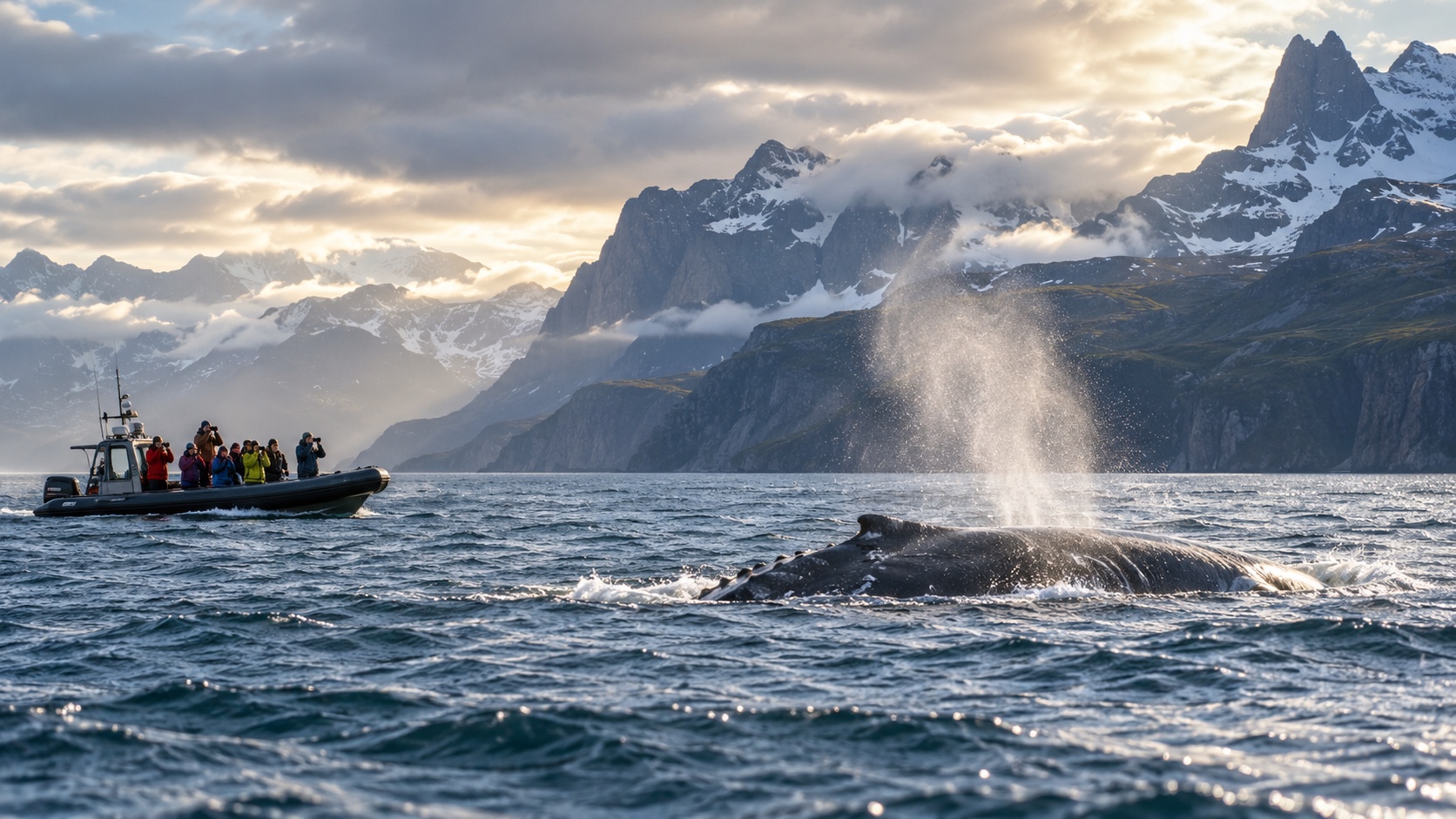
Whale watching can reveal breathing, feeding, migration, social behavior, and sheer scale in places such as Iceland, the Azores, Baja California, New Zealand, and coastal Canada. Season and species vary. Skilled naturalists explain behavior while captains manage speed, angle, noise, and distance. Choose licensed operators that limit crowding and never chase, encircle, or promise contact. Smaller boats are not automatically better; safety, viewing platform, and maneuvering rules matter. Prepare for cold, sun, spray, and seasickness. A distant surfacing viewed calmly is a better encounter than a close approach that changes the animal’s path.
Trek for Mountain Gorillas
Permitted gorilla trekking in Rwanda or Uganda offers a rare view of habituated groups under tightly managed conditions. The forest walk can be steep, muddy, and physically demanding. Brief viewing time, guide control, health rules, and distance protect primates that remain vulnerable to human disease and habitat pressure.
Use official permits and disclose illness honestly. Follow rules on masks, food, flash, and movement.
Porters can support access and local livelihoods when compensated fairly. The experience is not an invitation to seek eye contact or closeness; quiet observation of family behavior is enough.
See Penguins Along Southern Coasts
Penguin colonies in Antarctica, the Falklands, South Africa, Australia, New Zealand, and South America offer very different species and settings. Boardwalks and landing protocols protect burrows and travel routes. Watching birds commute between sea and nest can be more revealing than focusing only on chicks.
Never block a penguin highway or approach for a photograph. Biosecurity prevents seeds and disease moving between sites, so clean footwear and equipment exactly as instructed. In polar travel, operator standards, landing limits, and expedition education deserve close review. Weather can cancel access and should never be challenged for a sighting.
Follow Elephants Across Open Habitat
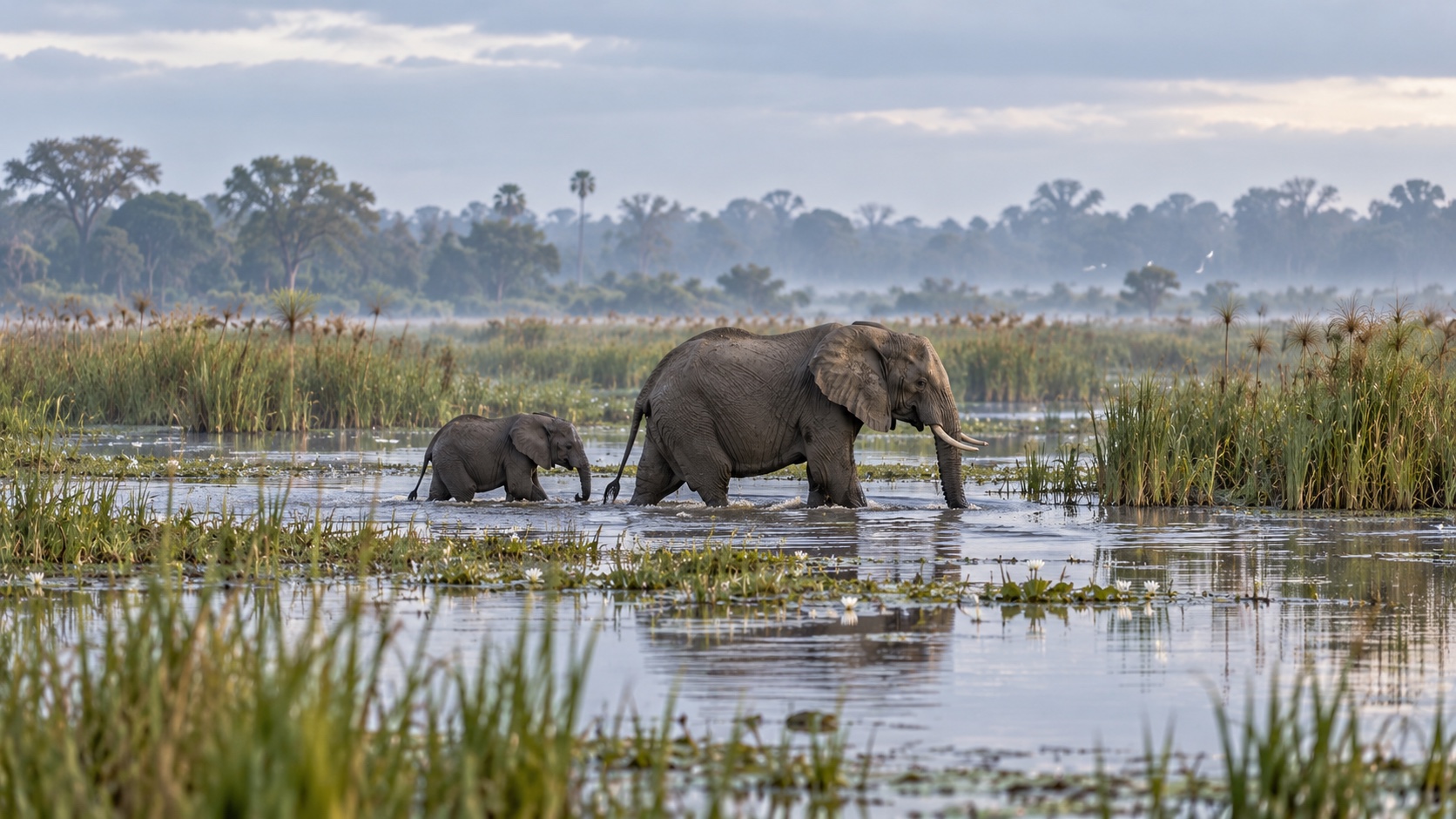
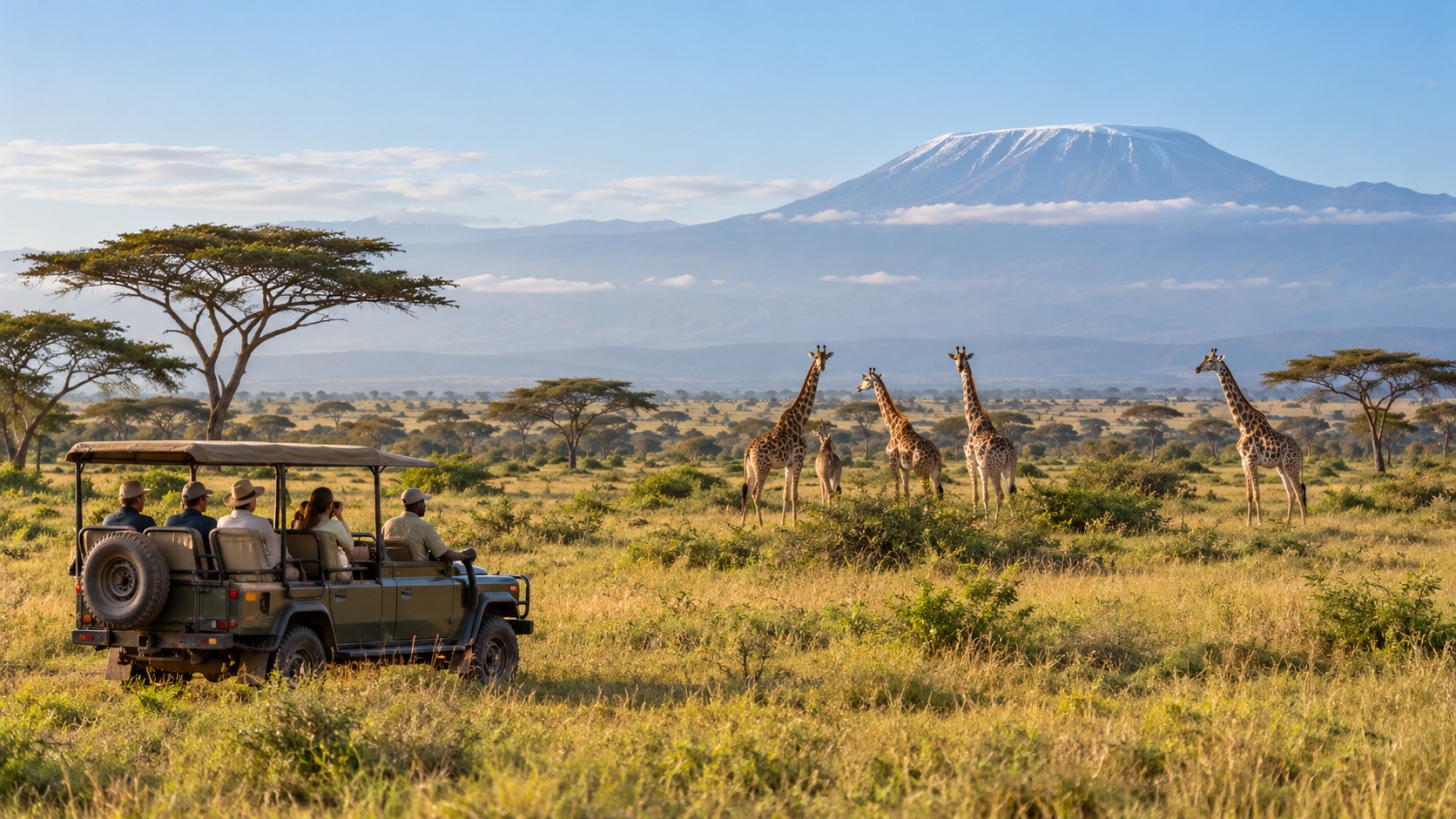
Botswana, Kenya, Tanzania, Namibia, South Africa, Sri Lanka, and India provide contrasting elephant landscapes. Responsible safaris watch family groups move, feed, bathe, and communicate without forcing a closer view. Guides read posture and routes, keeping vehicles from separating animals or blocking water. Avoid captive riding, bathing, performance, and direct-contact attractions. In the wild, remain in the vehicle unless a guide identifies a permitted setting. Ask how tourism supports habitat and communities living with elephants. A patient hour at a water source can reveal more than a rapid sequence of crowded sightings.
Wait for Bears With Expert Guidance
Bear viewing may occur from boats, hides, regulated platforms, or vehicles in Alaska, Canada, Finland, and other habitats. Salmon runs and seasonal feeding create opportunities, but bear behavior and food availability change. Operators need deep knowledge, emergency protocols, and strict food management.
Distance rules vary and must be checked locally. Never approach, run, or leave food accessible. Carry bear spray only where legal and know how to use it. Photographers should use long lenses rather than pressure guides for proximity. Calm group behavior protects both people and bears.
Snorkel With Gentle Giants Responsibly
Whale sharks and manta rays attract swimmers in Mexico, Australia, the Maldives, the Philippines, Indonesia, and elsewhere. Well-managed encounters cap swimmers, control entry, prohibit touching, and maintain space around the animal. Seasonal aggregation and feeding behavior differ by destination.
Assess boat practices, guide ratios, swimming ability, and the role of provisioning. Crowded water can stress animals and endanger swimmers.
Do not chase, dive down onto, or block an animal. A brief pass at respectful distance is a privilege, not a missed opportunity for contact.
Observe Sea Turtles Nesting and Hatching
Nesting beaches in Costa Rica, Mexico, Oman, the Caribbean, and other regions may support ranger-led night walks or controlled hatchling viewing. Rules protect females from light, noise, obstruction, and handling. Timing depends on species, moon, weather, and natural uncertainty.
Use authorized guides, red lights only when permitted, and no flash. Never touch hatchlings or place them in the sea unless an official conservation program directs the action. Choose accommodation that manages beachfront lighting and access. The dark beach and tracks can be meaningful even when no turtle appears.
Listen for Birds in Wetlands and Forests
Birding rewards patience across every continent, from migration stopovers and tropical forests to city parks and coastal wetlands. A local guide can identify calls, explain habitat, and find species without playback. Binoculars make subtle behavior visible while keeping observers at a safe distance. Avoid crowding nests, sharing sensitive coordinates, or using calls that stress territorial birds. Stay on paths and keep groups quiet. Early starts are common, so plan sleep and transport. Bird travel also spreads spending across seasons and landscapes where large mammals are not the only conservation story.
Witness a Great Migration Without Blocking It
Large movements such as East Africa’s wildebeest migration, caribou journeys, monarch butterfly gatherings, and seabird colonies depend on timing and broad connected habitat. Calendar labels are estimates, not appointments. Weather, water, and food drive animals, and climate change can shift patterns.
Choose guides who discuss the ecosystem rather than pursuing one dramatic crossing. Vehicles should not form walls or crowd riverbanks.
Travelers need flexible days and realistic expectations. The scale of movement is best understood through landscape and waiting, not only a single photograph.
Track Wildlife Through Signs and Sound
A guided walk can reveal footprints, scat, feathers, calls, feeding marks, and habitat relationships even when animals remain hidden. Tracking in Southern Africa, India, North America, or rainforest settings turns absence into evidence. It also places the guide’s knowledge at the center of the experience. Walking near dangerous wildlife requires qualified leadership, group discipline, and clear age or fitness requirements. Do not wander ahead or leave the route for a track. Learning how much a guide can infer from small signs often becomes the trip’s most durable lesson.
Let Uncertainty Improve the Encounter
Wildlife itineraries need enough time for repeated observation and weather delays. Build two or three viewing opportunities into one ecosystem instead of flying between species. Accept that a quiet drive or empty ocean is part of wildness, not a service failure.
The National Park Service advises visitors to check local rules, give animals room, never feed or disturb them, and back away when wildlife approaches. Those principles travel well even though exact distances differ. The best animal lover protects natural behavior first and celebrates the sighting second. Photography requires its own discipline. Long lenses and binoculars create intimacy without physical approach, while burst shooting, flash, playback, and constant repositioning can disturb animals and other guests. Learn camera settings before the outing and lower the device often enough to observe behavior directly. Never ask a guide to break rules for a cleaner angle. Vehicle etiquette affects entire sightings. Stay seated when instructed, keep limbs inside, and avoid loud reactions when an animal appears. On self-drive routes, use legal pullouts and leave traffic space. Crowding a predator, blocking a herd, or forming a roadside jam can change movement and create danger far beyond one vehicle. Marine encounters depend on the captain’s judgment. Boats should approach predictably, reduce speed, avoid separating mothers and young, and leave when the animal shows avoidance. Travelers should remain within designated areas and secure loose equipment. Swimming programs need stronger controls because people enter the animal’s space directly. Night viewing can reveal owls, frogs, insects, reptiles, and nocturnal mammals, but artificial light changes behavior. Use only guide-approved lamps, limit beam time, and avoid illuminating eyes repeatedly. Recorded calls and bait may produce a sighting at a cost the visitor never sees. Ethical guides explain when the search should stop. Captive facilities demand careful investigation. Words such as rescue, sanctuary, and conservation are not regulated consistently. Ask whether animals breed, perform, allow contact, or can retreat from view; whether releases occur; and who oversees welfare. Genuine rehabilitation may restrict access because the goal is independence from people. Community relationships determine whether wildlife tourism can endure. Residents may absorb crop loss, livestock conflict, restricted land use, or dangerous encounters while visitors receive the benefits. Choose programs that employ locally, purchase locally, and explain coexistence honestly. Conservation cannot depend on asking nearby families to carry every cost. Travel insurance and emergency preparation are especially important in remote areas. Review evacuation coverage, altitude or marine exclusions, and medical access. Tell guides about relevant conditions and carry prescribed medicine. Hiding a limitation to protect a booking can endanger the traveler, group, crew, and wildlife response. Keep a field note after each outing: habitat, weather, behavior, guide insight, and unanswered questions. This shifts memory away from a trophy list. Over several days, patterns become visible and a brief sighting gains context. The discipline of observation is what turns an exciting encounter into lasting understanding.
Select the Right Pace for the Habitat
Wildlife schedules rarely match a dense vacation. Dawn departures, midday heat, tide windows, rain, and long periods of stillness require rest and flexibility. Stay several nights near one habitat and alternate demanding outings with shorter observation. A rushed transfer after every drive increases fatigue, weakens attention, and encourages pressure on guides to produce a spectacular sighting quickly.
Choose accommodations for access and responsible operations rather than a long amenity list. Ask about generator noise, outdoor lighting, food storage, water use, waste, and the distance vehicles travel each day. Lodges beside habitat carry special obligations to prevent animals from receiving food or becoming habituated. Guests must follow those rules even when an animal appears harmless.
Weather cancellations are a sign that safety and animal welfare take priority. Build financial and emotional room for them. Read refund policies, carry appropriate insurance, and keep an alternative such as a visitor center, research talk, or guided plant walk. The destination remains alive when its animals are beyond view, and a good program can make that invisible activity understandable.
Know When Not to Book
Skip any experience built around holding, riding, bathing, feeding, kissing, or posing with a wild animal. Avoid venues that breed cubs for visitors, separate young animals from mothers, or prevent retreat from public view. Attractive websites and the word rescue do not substitute for independent welfare standards and transparent records. Also reconsider travel when illness, pregnancy, mobility conditions, or extreme climate creates a risk that the operator cannot manage. A different season, viewing platform, boat size, or destination may provide an excellent alternative. Responsible wildlife travel begins before arrival with an honest match between the animal’s welfare, the environment, and the visitor’s capabilities. That honest match also improves the experience for companions and guides, who can focus on observation instead of preventable emergencies or pressure to ignore established rules.