A Great Tour Teaches You How to Watch
The best wildlife tour does more than deliver a sighting. It helps travelers read habitat, tracks, weather, sound, and behavior while protecting an animal’s freedom to move away. A skilled guide knows when to wait, when to retreat, and how to make a quiet hour meaningful. The options below range from safari vehicles and expedition boats to forest treks, hides, and walking tours. Each requires different fitness, health preparation, equipment, and expectations. Compare operators by permits, group size, guide training, distance rules, local employment, and conservation relationships—not promises of guaranteed contact. Wildness includes uncertainty. When the tour respects that uncertainty, even a brief distant encounter can become unforgettable.
A: Smaller groups usually improve interpretation and reduce pressure but format matters.
A: They offer flexibility but still need the same welfare rules.
A: Several outings in one ecosystem improve understanding and sighting chances.
A: No binoculars and careful observation may matter more.
A: Check age limits duration noise expectations and safety.
A: Review local practice and operator guidance before arrival.
A: They can be responsible when light noise and group size are controlled.
A: Respect the decision and use the operator’s stated refund or rebooking policy.
A: Yes when fees jobs and partnerships are transparent.
A: Learning from natural behavior without changing it.
Vehicle Safaris Across East Africa
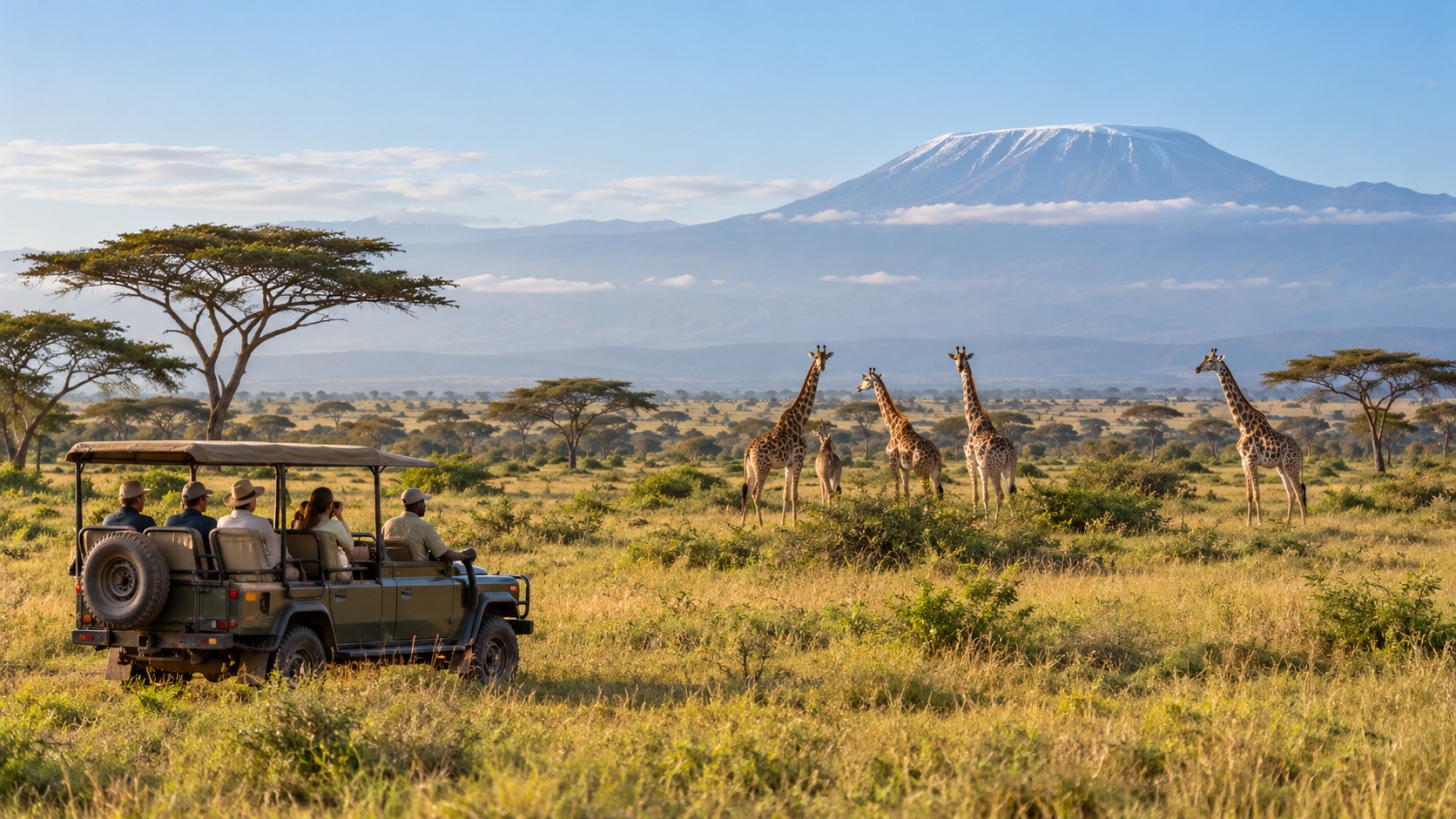
Vehicle safaris in Kenya and Tanzania can reveal large herbivores, predators, birds, and seasonal movement across open landscapes. The vehicle acts as both transport and viewing platform, allowing guides to cover habitat while keeping guests contained. A strong itinerary stays several nights in each ecosystem rather than racing between famous names. Ask how many guests share each row, whether roofs or windows suit observation, and how drivers coordinate around sightings. Vehicles should never surround an animal, block a crossing, or leave established tracks where off-road travel is prohibited. Migration timing follows rain and forage, not a fixed brochure date. Season changes the experience beyond the headline migration. Green months can bring newborn animals, dramatic skies, fewer vehicles, and excellent birdlife, while dry periods may concentrate wildlife near water. Ask a specialist what the chosen month is normally like, then pack for variation rather than an idealized forecast. Travelers who need frequent breaks should discuss drive length, restroom access, and vehicle entry before paying a deposit. A slower schedule often produces better observations because the group can watch ordinary behavior instead of immediately leaving for the next reported sighting.
Water Safaris in Botswana
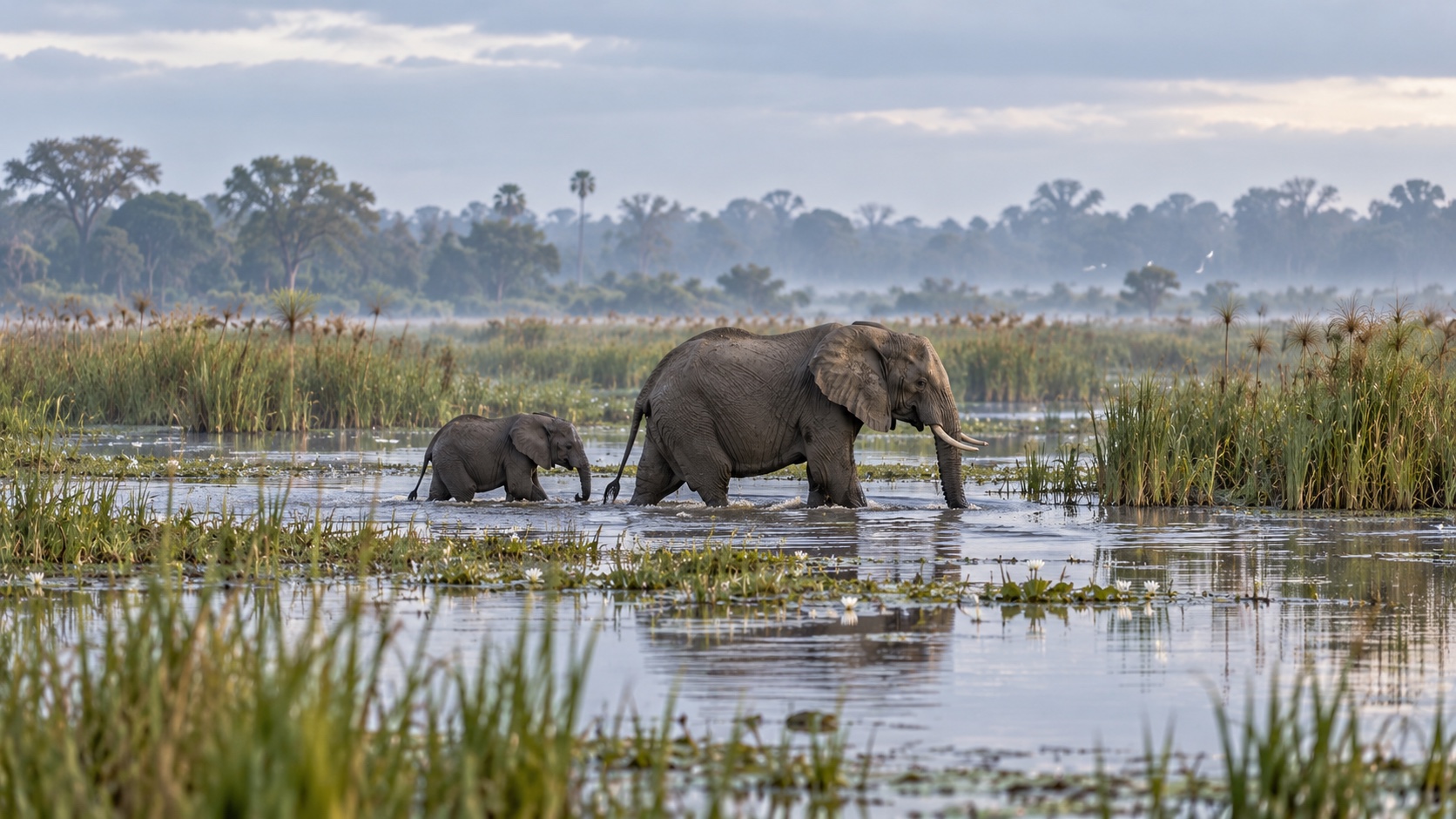
Botswana’s channels and floodplains can be explored by motorboat, mokoro, or vehicle depending on season and concession. Water-level changes shape access and animal distribution. Guides interpret birds, plants, tracks, elephants, antelope, and predators as parts of a connected wetland rather than isolated attractions.
Confirm flotation equipment, boat maintenance, guide credentials, and the physical demands of low craft. Mokoro trips should move quietly and avoid crowding wildlife along narrow channels. Remote camps often carry high costs, making transparent community employment and conservation practices especially important.
Compare the actual daily program, because the phrase water safari can describe very different outings. A short motorboat transfer is not equivalent to several quiet hours in a poled canoe, and neither replaces a land drive when water is low. Request recent information about seasonal depth, insect conditions, luggage limits, and transfers between airstrips and camps. If a traveler is uneasy in a low craft, say so early; an operator may suggest a more stable boat or a different property. Comfort supports stillness, and stillness makes wildlife viewing safer and more rewarding.
Gorilla Trekking With Strict Limits
Permitted treks in Rwanda and Uganda take small groups into steep, humid forest to visit habituated gorilla families for a limited period. The walk may be long and muddy, while the viewing rules protect primates vulnerable to human illness and disturbance. Porters can improve accessibility and support local livelihoods.
Book only official permits, disclose symptoms honestly, and follow current mask, distance, food, and photography rules. A guide cannot guarantee how visible a group will be. The encounter should remain quiet; seeking eye contact, movement, or a closer photograph puts personal desire ahead of animal welfare. Permit systems, minimum ages, and trekking assignments can change, so confirm details through official authorities and the licensed operator. Travelers should train for sustained uphill walking and practice using the boots they will bring. Rain protection, gloves for vegetation, and a small daypack can improve comfort without adding unnecessary gear. Tipping customs for guides, trackers, and porters should be explained before the trek. Hiring a porter is not only for people who feel unfit; it can reduce fatigue, create local income, and help a guest remain steady on difficult ground.
Responsible Whale Watching
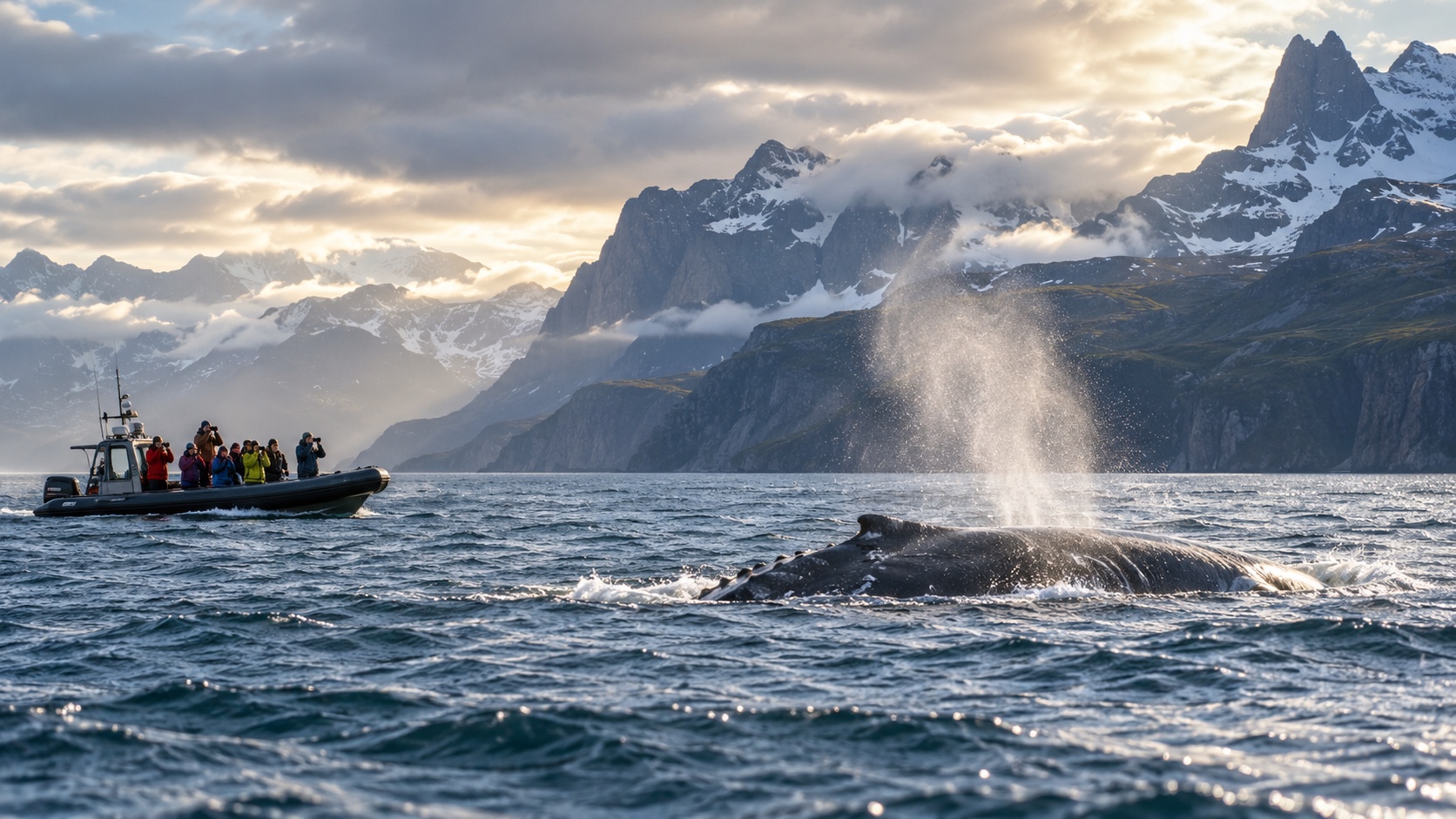
Whale tours operate from Iceland, the Azores, Baja California, New Zealand, Canada, and many other coasts. Species, migrations, feeding patterns, and sea conditions vary dramatically. Naturalists can explain blows, dives, group behavior, and conservation while captains manage speed, angle, time, and distance.
Choose licensed operators that do not chase, encircle, or promise touching. Evaluate boat stability, passenger numbers, accessibility, seasickness guidance, and cancellation rules. A whale that changes direction repeatedly may be avoiding pressure. The captain should leave rather than turn that response into a prolonged pursuit.
Shore-based watching can be a strong alternative for travelers who dislike boats or want a lower-cost second opportunity. Coastal overlooks, interpretation centers, and seasonal headlands may offer excellent views with no vessel pressure. For boat trips, check whether the company records sightings for research, carries a qualified naturalist, and explains local approach regulations. Operators should also manage passenger movement so everyone receives a fair view without destabilizing the boat. Bring warm layers even in sunny climates, secure loose belongings, and keep expectations broad enough to appreciate seabirds, dolphins, and the marine landscape.
Bear Viewing From Hides and Platforms
Alaska, coastal Canada, Finland, and other regions offer bear viewing from regulated platforms, boats, hides, or guided ground positions. Seasonal food such as salmon or berries concentrates activity, but conditions change. Expert guides understand approach routes, body language, wind, and safe group behavior. Food discipline is absolute. Never carry exposed snacks or scented items against instructions. Photographers should use long lenses and remain within assigned areas. Ask about emergency plans and the operator’s record with local managers. Calm waiting protects both bears and guests. Bear-viewing rules differ by landscape. A raised platform near a salmon stream, a boat along a tidal coast, and a forest hide each require distinct movement and food protocols. Ask whether access involves small aircraft, wet landings, ladders, or long periods without facilities. Weather delays should be built into onward travel rather than treated as a surprise. Responsible guides also explain how communities live with bears outside the viewing site, including waste management and seasonal closures. That wider context keeps the experience from reducing a powerful animal to a single dramatic photograph.
Rainforest Wildlife Walks
Guided walks in Costa Rica, Borneo, Ecuador, Madagascar, and other rainforest regions turn dense vegetation into a layered ecosystem. Guides find frogs, insects, birds, primates, reptiles, and plants through calls, movement, tracks, and specialized knowledge. Many discoveries are small or partially hidden.
Group size matters on narrow trails. Stay on the route, avoid handling animals, and use lights only as directed. Humidity, mud, insects, and sudden rain require practical clothing and equipment protection. The tour is strongest when it explains habitat threats and local conservation, not merely a species tally. In rainforest destinations, the most productive hours may begin before sunrise or continue after dark. Review the schedule so sleep, meals, and travel days remain manageable. A compact pair of binoculars, a dry bag, and clothing that dries quickly are generally more useful than excessive equipment. Avoid fragrances and follow local advice on insect protection. When a guide finds a delicate creature, let them control the group’s position and lighting. Do not move leaves, break vegetation, or request that wildlife be placed on a cleaner background for a photograph.
Birding With Local Specialists
Birding tours can operate in wetlands, forests, migration corridors, mountains, and cities. A local guide’s ear often matters more than expensive optics, while a spotting scope lets several guests share distant views. Bird trips distribute tourism across seasons and places beyond large-mammal circuits.
Avoid playback near nests or sensitive species, and never crowd a rare bird for a photograph. Exact locations may need confidentiality. Ask whether the pace suits beginners and whether transport, scopes, and field references are included. Quiet attention reveals behavior that checklist racing misses.
Specialist trips may focus tightly on migration, endemic species, or photography, while general trips welcome mixed interests. Ask how much time is spent traveling between sites and whether guides rotate seats or viewing positions fairly. Morning departures can be extremely early, and some locations lack shelter or toilets. A written species list is useful, but it should support observation rather than turn the day into a race. Travelers new to birding often benefit most from learning a few calls, habitat clues, and identification features they can use after returning home.
Polar Expedition Cruising
Arctic and Antarctic expeditions may encounter whales, seals, seabirds, penguins, walrus, and other wildlife within environments governed by weather, ice, regulation, and distance. Ship size affects landing access, atmosphere, and emergency capacity. No itinerary can promise a particular landing or species.
Review operator standards, guide-to-guest ratios, biosecurity, fuel and waste practices, and community engagement in inhabited Arctic regions. Follow every landing and zodiac briefing. Wildlife must never be approached across ice or beach for a photograph. Flexibility is a core safety feature.
Sea Turtle Night Walks
Authorized night walks on nesting beaches can explain migration, nest selection, threats, and conservation. Costa Rica, Mexico, Oman, and other regions use different rules based on species and local management. Natural darkness, quiet, and distance protect nesting females. Use only approved guides and lights. Flash, touching, crowding, or standing in a turtle’s route can interrupt nesting. Hatchlings should not be handled unless an official program directs it. Choose lodging that manages beachfront lighting and visitor access responsibly.
Tracking Tours on Foot
Tracking places guide knowledge at the center. Footprints, dung, feathers, feeding marks, calls, wind, and vegetation reveal animals that may never appear. Southern African tracking, snow-country wolf interpretation, and forest walks around the world create distinct versions of the same careful practice.
Dangerous-wildlife areas require qualified leadership and complete group compliance. Stay behind the guide and do not leave the route for a sign.
The value lies in learning how evidence connects, not forcing a face-to-face encounter. Often the most unforgettable moment is recognizing how much life was present before it became visible.
Photography Tours With Ethical Boundaries
Dedicated photography departures allow extra time with light, composition, and behavior. They can be excellent when animal welfare remains the first rule. Ask whether leaders limit vehicle position, refuse bait, avoid nests, and prevent guests from monopolizing shared sightings.
Learn equipment before travel so technical frustration does not become pressure for proximity. Use quiet modes, avoid flash, and lower the camera regularly. A good leader teaches fieldcraft and editing expectations without manufacturing action. No image is worth changing an animal’s behavior.
Choose Depth Over a Trophy List
Stay longer in fewer habitats. Repeated drives, walks, or boat trips reveal how temperature, weather, time, and other animals change a place. Schedule rest between early starts and keep transfer days realistic. Fatigue makes guests noisy, impatient, and less able to follow guidance. Afterward, share the story of habitat and responsible practice alongside the photograph. Do not publish sensitive coordinates or portray distance as a failure. The tour becomes unforgettable when it changes how the traveler observes, not simply when it adds a rare animal to a list.