Choose an Ecosystem Before Choosing a Species
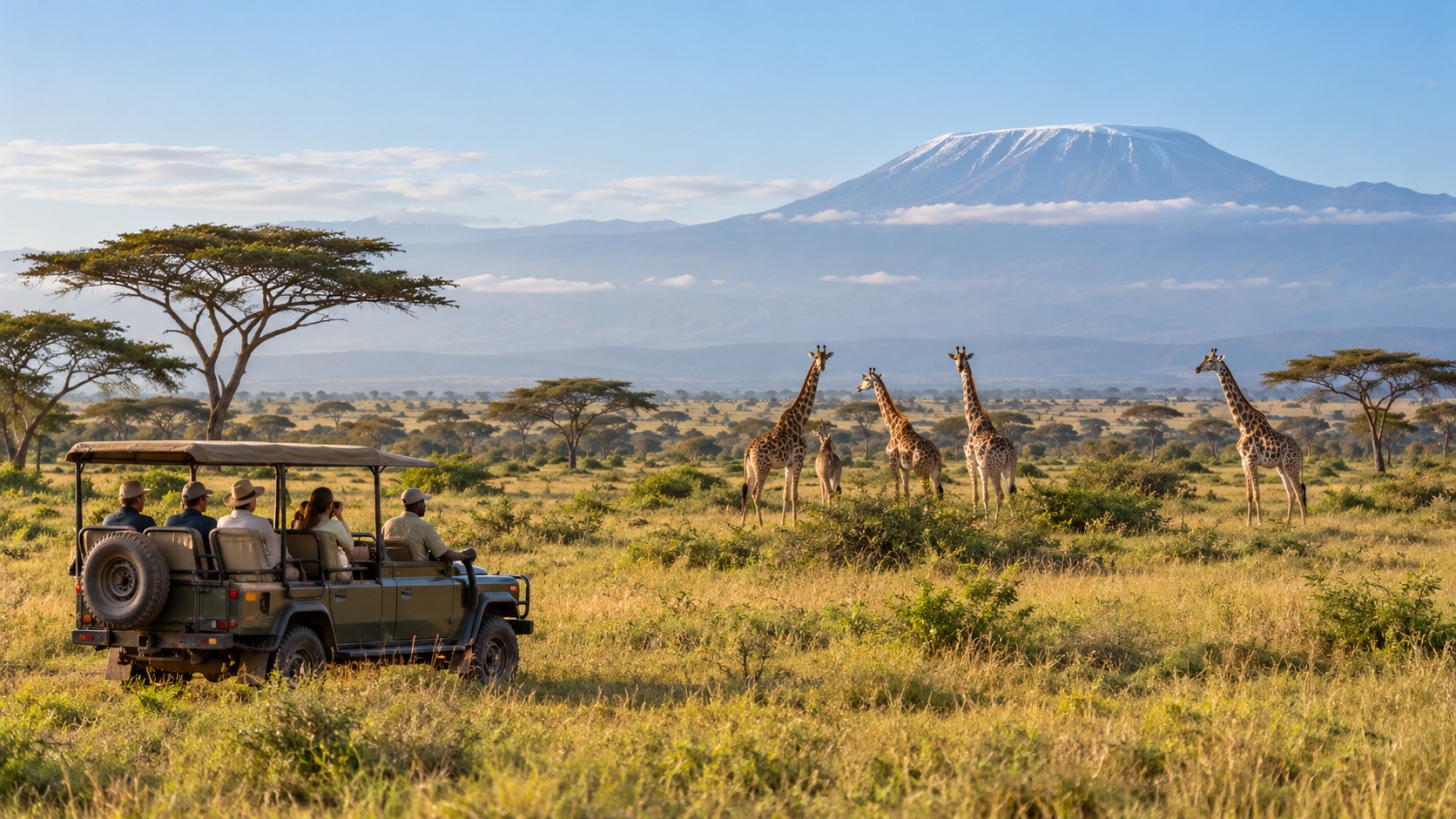
The best wildlife destinations protect functioning habitats, employ knowledgeable guides, and give animals space to behave naturally. A long species list is less meaningful when roads, boats, lodges, or visitors overwhelm the landscape. Start by choosing the ecosystem you want to understand: African wetlands, tropical rainforest, volcanic islands, tundra, coral sea, dry forest, or Himalayan foothills. Then examine season, access, health needs, group size, conservation rules, and the role of nearby communities. The destinations below offer exceptional possibilities, but none operates like a guaranteed show. Weather and wildlife decide what appears. Travelers who stay longer, watch quietly, and learn the whole habitat often leave with richer memories than those chasing a single close photograph.
A: A well-managed park with reliable guides and varied habitats offers a strong introduction.
A: Three or four nights per ecosystem allows weather and repeat viewing.
A: No green seasons may offer birds births fewer crowds and dramatic landscapes.
A: Some are excellent but ownership access and wildlife policies need review.
A: Age limits vehicles health needs and attention span determine the fit.
A: It can be where permitted when travelers understand roads animals and park rules.
A: Neutral layers binoculars sun protection medication and destination-specific gear.
A: Distance is controlled by wildlife and local rules not guest expectation.
A: Only when transfers do not replace observation time.
A: Healthy habitat skilled interpretation and animals free to behave naturally.
Okavango Delta Botswana for Water Shaped Abundance
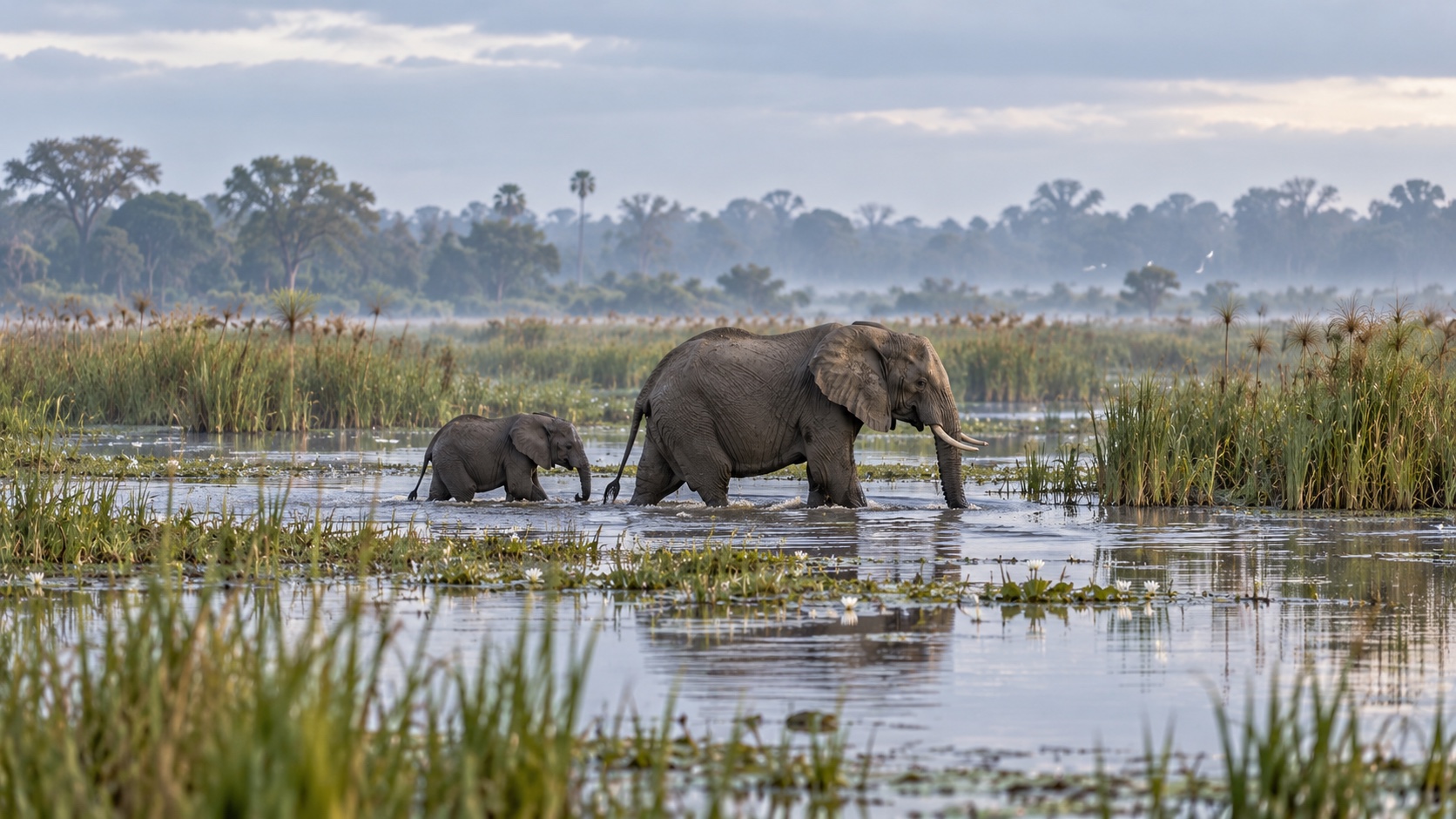
The Okavango spreads seasonal water across channels, islands, and floodplains, supporting elephants, antelope, predators, birds, and intricate aquatic life. Viewing may combine vehicles, boats, and mokoro excursions depending on water and location. The landscape changes enough that timing should be discussed with a specialist rather than reduced to one best month.
Remote access and low-volume camps can make the trip expensive. Ask about guide training, concession practices, local employment, and boat safety. Wildlife corridors and community relationships matter beyond lodge boundaries. Staying several nights in one area lets visitors notice water, tracks, calls, and smaller species instead of pursuing only famous mammals.
Costa Rica for Biodiversity in a Manageable Journey
Costa Rica links cloud forest, lowland rainforest, dry forest, mangrove, and two coasts within a relatively compact country. Sloths, monkeys, toucans, frogs, sea turtles, whales, and countless insects appear in different habitats and seasons. Skilled naturalist guides transform dense vegetation into an observable world. Choose two regions rather than racing across the country. Road times can be long, and rain affects access. Keep distance, avoid handling frogs or other animals, and never feed monkeys. Lodges vary widely in habitat protection; examine land stewardship and wastewater claims. Night walks should use controlled light and small groups.
Galápagos Ecuador for Island Evolution
The Galápagos offer marine iguanas, giant tortoises, seabirds, sea lions, penguins, and other species shaped by isolated islands and currents. Land-based and vessel itineraries provide different access. Official guides, designated trails, landing rules, and biosecurity protect a system unusually vulnerable to introduced species and visitor pressure.
Select itinerary before cabin luxury because islands and activities determine the experience. Follow distance rules even when animals appear unafraid, and never touch or position them for photographs.
Pack carefully to avoid seeds and contaminants. Conservation fees and strict management are part of the destination, not inconveniences.
Borneo for Rainforest Layers and Primates
Malaysian and Indonesian Borneo contain extraordinary rainforest biodiversity, including orangutans, proboscis monkeys, hornbills, pygmy elephants, and rich plant and insect life. River travel and forest walks reveal different layers. Rehabilitation centers can educate visitors, but wild and semi-wild experiences must be described accurately.
Deforestation and plantation expansion make operator choices important. Ask how lodging protects forest, employs communities, and handles waste. Avoid direct contact, feeding, and captive entertainment. Humidity, insects, rain, and limited visibility are integral to rainforest travel. Binoculars and an experienced guide matter more than a long checklist.
Yellowstone USA for a Complete Temperate Ecosystem
Yellowstone supports bison, elk, bears, wolves, pronghorn, birds, and geothermal landscapes across a vast road system. Lamar and Hayden valleys are celebrated viewing areas, but seasons and time of day shape activity. Winter offers distinctive tracking and quieter scenery with specialized access. The National Park Service requires visitors to keep prescribed distances and warns that animals are wild and dangerous. Use pullouts, never create unsafe traffic jams, secure food, and carry appropriate bear protection when hiking. A spotting scope reveals behavior that cannot be seen responsibly at close range.
India for Tigers and Far More Than Tigers
India’s protected areas can offer tigers alongside leopards, elephants, deer, gaur, primates, crocodiles, and exceptional birdlife. Parks such as Kanha, Bandhavgarh, Pench, Kaziranga, and others differ in habitat, access, and signature species. A destination should be chosen for its ecosystem rather than only tiger statistics.
Permits, zones, seasons, and vehicle systems change, so use current official information. Reject drivers who speed or crowd sightings.
Multiple drives improve chances, but a missed tiger does not make the forest empty. Local guides can interpret tracks, alarm calls, plants, and prey relationships that sustain predators.
Alaska USA for Coastal and Tundra Scale
Alaska combines bears, whales, sea otters, seabirds, moose, caribou, and vast habitats reached by road, boat, rail, or small aircraft. Katmai bear viewing, Inside Passage marine travel, and Denali landscapes are distinct trips, not interchangeable stops. Weather and distance require buffers. Choose licensed operators with conservative aviation and marine policies. Bear viewing demands food discipline and guide compliance. Cruise size affects landing and community experience, while independent travel needs careful logistics. Several days in one region produce a stronger ecological understanding than a rushed statewide circuit.
Madagascar for Endemism and Complex Conservation
Madagascar’s lemurs, chameleons, birds, plants, and other endemic life evolved in extraordinary isolation. Rainforests, dry forests, spiny landscapes, and marine areas require separate routes and seasons. Local guides are essential for finding wildlife and understanding threats.
Roads can be slow, infrastructure uneven, and parks connected to communities with significant economic needs. Choose operators that employ locally and support credible conservation without presenting poverty as scenery. Never handle wildlife for photographs. A focused itinerary reduces transport fatigue and spreads time across day and night observation.
The Pantanal Brazil for Open Wetland Viewing
The Pantanal’s open wetlands can make jaguars, giant otters, capybaras, caiman, macaws, and other species more visible than in dense Amazon forest. Northern and southern sectors offer different access. Boat-based jaguar viewing has grown rapidly and requires operators who manage distance and congestion.
Heat, smoke, flood cycles, and wildfire conditions must shape timing. Ask how boats coordinate sightings and whether guides prioritize animal movement over guest photographs.
The wider wetland matters as much as one predator. Birding and slower observation reveal the ecosystem’s productivity.
The Arctic for Seasonal Life at the Edge
Svalbard, Arctic Canada, Greenland, and other northern regions support polar bears, walrus, whales, seabirds, musk oxen, and foxes in environments changing rapidly. Expedition travel depends on sea ice, weather, regulation, and expert navigation. Exact itineraries remain flexible for safety and wildlife.
Polar bear viewing requires extreme distance and qualified guides. Examine ship size, fuel and waste practices, landing standards, community engagement, and emergency capacity. Travelers should understand the carbon cost and avoid treating climate change as dramatic scenery. Education and restraint are essential in a fragile region.
Plan for Habitat Rather Than a Trophy Sighting
Build the trip around several days in one ecosystem, with morning and evening outings, rest, and time for interpretation. Read official rules before arrival and confirm them with guides. Pack for conditions, not photographs, and prepare health needs for remote settings. If the hoped-for species never appears, pay attention to tracks, prey, vegetation, weather, and conservation work. A destination remains successful when it protects wildlife from visitor demand. The most meaningful journey replaces entitlement with wonder and leaves animals, guides, and habitat treated with care. Lodging location shapes impact and experience. A property inside or beside habitat may reduce daily driving, but only if waste, water, light, noise, and staff practices are well managed. Ask specific questions instead of trusting eco labels. In community conservancies, understand how revenue and decisions are shared and whether residents retain meaningful access to land. Guide quality matters more than luxury. Excellent guides read tracks, weather, vegetation, calls, and subtle behavior while managing safety and group expectations. They know when not to approach and can make an apparently quiet hour compelling. Request credentials, language ability, and experience in the particular ecosystem rather than accepting a generic naturalist label. Season comparisons should include more than sighting probability. Dry months may concentrate mammals but bring dust, crowds, and stressed water sources. Green seasons can offer migratory birds, young animals, dramatic skies, and fewer vehicles while making roads difficult. Select the biological story and travel conditions that genuinely interest you. Health planning varies sharply by destination. Seek qualified advice on vaccines, malaria prevention, altitude, heat, water, insects, and remote medical access. Carry enough prescription medicine and disclose mobility needs before booking small boats, high vehicles, or uneven trails. Honest preparation widens safe participation and prevents guides from improvising under pressure. Families should match the itinerary to children rather than expecting children to match adult safari ambitions. Consider minimum ages, drive length, bathroom access, heat, quiet requirements, and whether a lodge is fenced. Short observation sessions, tracking lessons, and guide-led nature activities can create deeper interest than hours spent chasing one animal. Photography-focused departures are useful when they preserve the same welfare rules as any other trip. Extra time and careful vehicle positioning should never become crowding, off-road damage, playback, or pressure for proximity. Ask whether guides will refuse a harmful request. A company’s willingness to say no is meaningful evidence of its standards. Transport between reserves deserves realistic time. Small flights can reduce difficult roads but increase cost and environmental impact; long drives may reveal landscapes yet consume prime viewing hours. Choose fewer ecosystems and stay longer. Repeated mornings in one place often outperform a hurried circuit of famous names. After the trip, verify conservation appeals before donating or sharing them. Use official park, research, or established nonprofit channels and avoid posting precise locations of nests, dens, or rare species. Describe responsible practices alongside beautiful photographs. Travel stories influence future behavior, so the visitor’s responsibility continues after departure.
Compare Protected Areas With the Wider Landscape
A national park boundary does not contain every need of a migrating herd, predator, river, or bird population. Corridors, community lands, farms, coastlines, and upstream water decisions determine what survives inside protected areas. Ask guides how wildlife moves beyond the visitor zone and what conflicts arise where people and animals share space.
This perspective changes the itinerary. A community conservancy, research station, restoration project, or locally managed buffer area may be as educational as the famous reserve. Visit only through programs that communities have chosen and that explain revenue clearly. Do not seek informal access to homes or conflict sites for a supposedly authentic view.
It also makes destination comparisons more honest. A park with abundant animals can still face fragmentation, while a place with difficult sightings may be restoring crucial habitat. Learn the conservation trend, not just the current density. Tourism is most useful when it supports long-term ecological connection and dignified coexistence rather than rewarding only spectacle. Water connects many of these decisions. Lodges, farms, towns, and wildlife may depend on the same river or aquifer, especially during drought. Ask how a property limits laundry, pools, landscaping, and wastewater impact. Guests should follow conservation requests without assuming their nightly rate purchases unlimited resources. Fire and smoke now affect more destinations and seasons. Check official conditions, closures, air quality, and evacuation routes rather than relying on past calendars. Never enter a closed area to salvage a sighting. Changing climate makes flexible reservations and longer stays more practical, while reinforcing that wildlife tourism depends on ecosystems under real pressure. Respect closures even when another visitor claims conditions look safe; managers are protecting staff, communities, habitat, and travelers with information that may not be visible at the gate.