
A Festival Trip Begins With the Community Calendar
Festivals can transform streets, worship spaces, theaters, parks, and entire cities, but they are not interchangeable spectacles created for visitors. Some are religious observances, others civic traditions, artistic programs, harvest celebrations, or public acts of memory. An unforgettable festival trip starts by understanding who organizes the event, what parts welcome visitors, and how crowds affect residents. Dates may follow lunar calendars, weather, or local announcements, while tickets and lodging can disappear months ahead. The festivals below offer very different experiences, from processions and music to lanterns, theater, food, and ceremony. Plan the whole stay—not only the headline event—so transport, rest, etiquette, and ordinary neighborhood life remain manageable.
A: Major festivals may require lodging and tickets six to twelve months ahead.
A: Some follow lunar religious agricultural or weather-based calendars.
A: Only when organizers explicitly invite public participation.
A: Yes when context access and crowd navigation justify it.
A: Attend free public programming and avoid unauthorized ticket sellers.
A: Use shorter sessions clear meeting points and hearing protection.
A: Wear festival clothing only when participation is welcomed and meaning is understood.
A: Follow current official routes entry rules and steward directions.
A: Public scenes that can be captured without obstructing or intruding.
A: Understanding the festival’s meaning as well as enjoying its energy.
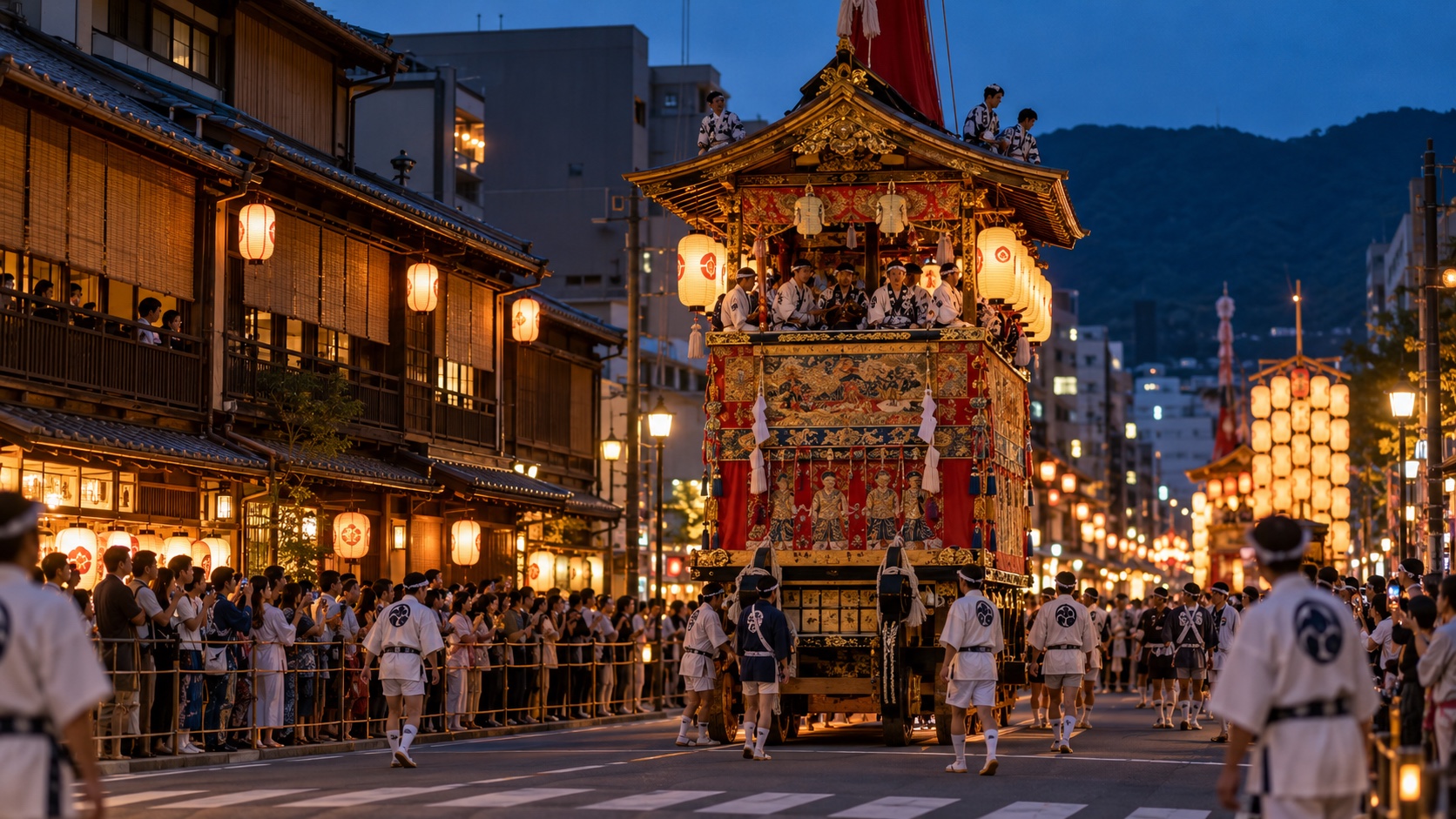
Gion Matsuri Kyoto Japan
Kyoto’s Gion Matsuri unfolds across July through rituals, neighborhood preparations, evening street events, and processions of monumental floats. The festival connects craft, music, community organizations, worship, and urban history. Travelers who arrive only for one parade miss the careful work that makes it possible.
Use current official schedules because routes and access rules matter. Stand behind barriers, keep residential lanes clear, and avoid photographing participants at intrusive range. Summer heat and humidity require water, shade, and rest. Staying several nights allows museums, float displays, and quieter neighborhoods to provide context. Reserve official viewing seats or accommodations well ahead, but leave room for neighborhood events that may be announced closer to the date. July heat and humidity reward breathable clothing, water, and deliberate rest. Railway stations and central streets can become intensely crowded, so identify a meeting point and carry the address of the lodging in Japanese. Visitors should never climb structures, obstruct processions, or treat participants as props. Watching the careful teamwork around a float is as important as photographing its decoration.
Carnival Rio de Janeiro Brazil
Rio Carnival includes samba-school preparations, ticketed Sambadrome parades, neighborhood blocos, music, costume, and community identity. The most visible nights are the result of year-round creative and organizational labor. Different events vary widely in crowd density, access, and atmosphere. Buy parade tickets through official sources and research bloco routes and safety guidance. Carry little, arrange transport around closures, and do not treat performers as photo props. Support samba institutions and neighborhood businesses. Heat, late hours, alcohol, and crowds require a plan for rest and reunion. Rio’s celebration extends beyond the Sambadrome, yet not every street gathering is designed for tourists. Use official event information, ask locally about route changes, and keep valuables secured without becoming distrustful of the community. Costumes should celebrate rather than caricature Brazilian identities. Hydration, hearing protection, sun protection, and a realistic late-night transport plan make the experience safer. If purchasing a parade ticket, understand the difference between grandstand sectors, assigned chairs, and hospitality packages before choosing on price alone.
Día de Muertos Mexico
Día de Muertos practices differ across Mexico and among families. Altars, cemetery visits, foods, flowers, music, art, and public events connect remembrance with living relationships. Oaxaca, Michoacán, Mexico City, and other destinations present distinct experiences; no single parade defines the observance.
Cemeteries and family altars require permission and restraint. Avoid photographing mourners or entering community spaces uninvited. Learn the meaning of offerings before copying them. Public museum programs, markets, and official events offer better access than pursuing private rituals for content.
Dates and customs vary among communities, and cemetery visits require particular restraint. Some families welcome conversation while others need privacy. Never touch an altar, rearrange offerings, or photograph mourners without clear permission. Travelers can support local artisans by buying flowers, candles, paper work, and food from established sellers rather than staging their own display. Museums and cultural centers provide useful history before evening events. The holiday is living remembrance, not a costume theme, so avoid face painting or imagery that strips symbols from their meaning.
Diwali Across India
Diwali is observed through diverse regional and religious traditions involving light, prayer, family, food, gifts, and community. Dates follow a lunar calendar, and the experience varies across cities and households. Public decorations and markets can welcome visitors while domestic worship remains private. Research the destination’s customs, dress appropriately, and attend only events open to the public. Fireworks affect air quality, animals, and sensitive travelers, so monitor conditions and use hearing protection. Never enter a home or temple ceremony because it appears visually inviting. A local guide can explain regional meaning without claiming uniformity. Because Diwali is observed across a vast country and within several faith traditions, choose a destination only after learning how the local community marks it. Air quality, fireworks restrictions, traffic, and business hours may change daily plans. Book trains early, confirm whether a host is genuinely inviting guests into a household ritual, and bring a modest gift if advised. Dress neatly, remove shoes where requested, and follow the household’s lead on prayer and food. Public light displays can be enjoyed without entering private religious space.
Edinburgh Festival Season Scotland
Edinburgh’s August festival season brings theater, comedy, music, dance, visual art, books, and street performance across multiple programs. The city becomes an enormous cultural marketplace where established institutions and emerging artists coexist. Planning benefits from a few priority tickets plus room for small discoveries.
Accommodation prices rise sharply and venues spread across hilly streets. Group events geographically, leave transition time, and support artists by buying tickets rather than relying only on free samples. Residents still need buses, doorways, and sleep. Responsible festival travel includes courtesy outside performance hours. A successful Edinburgh visit needs more than a list of famous shows. Performance times, travel between venues, meal queues, and late finishes quickly fill a day. Choose two or three anchors, then leave open periods for smaller productions and rest. Official ticket exchanges are safer than informal resale, and accessible seating should be requested directly from venues. Respect performers by arriving on time and following recording rules. Staying outside the center may reduce cost, but compare the final public-transport schedule before booking distant accommodation.
Inti Raymi Cusco Peru
Cusco’s Inti Raymi is a modern public staging connected to Inca history and the winter solstice, with major scenes in the city and at Sacsayhuamán. It carries civic, cultural, and tourism significance. Visitors should distinguish contemporary performance from an unchanged ancient ceremony.
Altitude requires acclimatization before long outdoor viewing. Use authorized tickets and guides, protect against sun and cold, and follow archaeological-site rules. Learn from local historians and museums rather than relying on a simplified spectacle. Give the city several days beyond the event.
Cusco’s altitude affects even fit visitors, so arrive several days early and keep the first schedule light. Grandstand tickets, street access, and related ceremonies are not interchangeable; verify what a package actually includes. Protect against intense sun and cold shade, carry water, and avoid blocking local processions for a photograph. The modern pageant draws on Inca history while reflecting contemporary Peruvian identity and tourism. A knowledgeable local guide can distinguish documented tradition, theatrical interpretation, and the festival’s evolving civic meaning.
Fes Festival of World Sacred Music Morocco
The Fes festival presents sacred and spiritually influenced music in historic venues, bringing performers and audiences across traditions. Concerts gain depth when paired with an understanding of the medina, local craft, religious life, and the practical limits of heritage spaces. Buy tickets from official channels and verify venue access, seating, and transport. Dress respectfully and arrive early without obstructing neighborhood movement. The event should not become permission to photograph worship or private religious practice elsewhere. Attend talks and smaller programs where interpretation is available. Concert venues range from historic courtyards to formal halls, and ticket categories can be confusing. Confirm the exact address, start time, seating arrangement, and transport home rather than assuming every event occurs near the medina. June heat makes shade and water important during daytime exploration. Dress with local norms in mind and ask before photographing performers outside official stages. The festival’s language of sacred music includes many traditions, but visitors should avoid treating them as interchangeable. Background reading or a guided discussion can turn a beautiful performance into a more informed encounter.
Naadam Mongolia
Naadam centers on wrestling, horse racing, archery, and national celebration, with major events in Ulaanbaatar and regional versions across Mongolia. The festival links sport, history, family, music, dress, and public identity. Rural events may feel less formal but still require local guidance and clear arrangements.
Book transport and lodging carefully, especially outside the capital. Horse-racing conditions and child jockey welfare deserve informed attention; travelers should choose operators that discuss concerns honestly. Ask before photographing competitors at close range. Weather can shift from sun to storms across open venues.
Naadam includes wrestling, archery, and horse racing, with the largest celebration in Ulaanbaatar and regional events elsewhere. Tickets and transport require different planning depending on location. Rural races may involve long drives, dust, limited facilities, and rapidly changing weather. Keep a respectful distance from horses, riders, and working areas, and avoid romanticizing the participation of children without learning the local debate and safety context. A local guide can explain rules, clothing, songs, and regional identity while helping visitors purchase food and crafts from community vendors.
New Orleans Jazz and Heritage Festival USA
Jazz Fest combines music across genres with Louisiana food, craft, and cultural programming. Multiple stages create constant choice, but the experience improves when travelers study local artists and cultural traditions rather than chasing only headliners. New Orleans itself deserves days beyond the festival grounds.
Prepare for heat, rain, mud, sound, and long periods standing. Use official transportation, hydrate, and protect hearing. Support local venues, restaurants, and musicians before or after the event. Neighborhoods are not festival extensions; keep late-night noise and short-term lodging impacts in mind.
Chiang Mai Yi Peng and Loy Krathong Thailand
Northern Thailand’s lantern-related celebrations combine Buddhist practice, local traditions, public decoration, and contemporary ticketed events. Loy Krathong and Yi Peng are related but distinct, and tourism marketing often blurs religious and civic meaning. Managed releases differ from informal activity. Follow current rules on lanterns, fire safety, river offerings, and restricted areas. Do not release anything independently. Choose biodegradable, approved practices where participation is invited, and keep temple visits respectful. Crowds and road closures make walking routes and meeting points essential.
Québec Winter Carnival Canada
Québec City’s winter carnival turns cold weather into parades, snow and ice activities, music, sport, and family programming. It offers a more structured public festival experience than many religious observances and works well for travelers who prepare seriously for winter.
Layer clothing for standing outdoors, protect hands and batteries, and use traction on icy streets. Check event schedules and weather updates daily.
Mix crowded headline activities with museums, cafés, and neighborhood walks. The festival is more enjoyable when warmth breaks are part of the plan.
Make the Festival One Part of the Journey
Arrive before the busiest day when possible. Learn the city’s transit, visit a museum, and understand the route before crowds change everything. After the main event, stay long enough to see cleanup, ordinary business, and the place beyond its temporary stage.
Keep notes about who organized, performed, taught, and welcomed visitors. Spend directly with artists and local businesses, follow photography boundaries, and avoid claiming access that was never offered. An unforgettable festival trip balances celebration with the discipline of being a good guest.