Enter Sacred Places as a Guest
Spiritual travel can offer reflection, learning, pilgrimage, and a deeper encounter with living faith, but sacred destinations are not wellness products or theatrical backdrops. They belong first to worshippers, residents, clergy, caretakers, and communities whose practices may be private, contested, or governed by rules visitors do not yet understand. The destinations below represent different religions, landscapes, and forms of devotion. Some invite walking; others center on prayer, service, architecture, music, or silence. Prepare through reading, modest dress, current access information, and humility. Do not assume that paying for travel grants permission to photograph, participate, or interpret. A meaningful visit begins with restraint and leaves room for belief without demanding a personal revelation.
A: Many sites welcome respectful guests but access rules vary.
A: Follow the strictest current local guidance for each sacred space.
A: Only public ceremonies where visitor observation is explicitly accepted.
A: Permission differs by site room service and moment.
A: Use official donation channels without treating payment as access.
A: Skilled interpretation is valuable where history and practice are complex.
A: Yes when behavior duration and site rules suit them.
A: Ask about stairs surfaces seating and restricted routes specifically.
A: It can be when faith becomes spectacle or communities lose control.
A: Attention humility and respect for the people already there.
Varanasi India
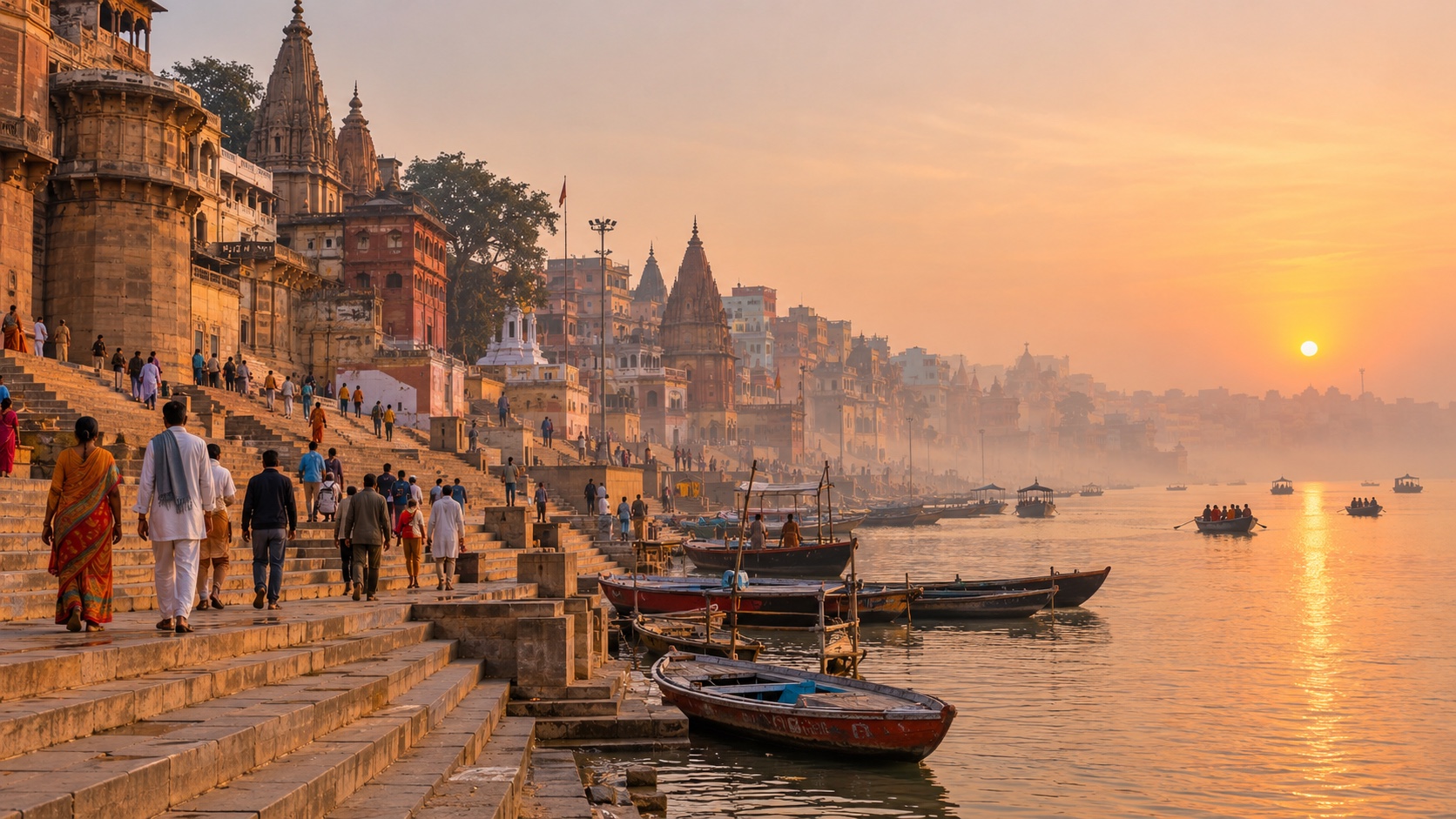
Varanasi is a living pilgrimage city where the Ganges, ghats, temples, music, learning, daily worship, and funeral rites form sacred geography. Dawn boat rides and guided walks can provide spatial and historical context, but no public viewpoint turns private grief or prayer into unrestricted content.
Never photograph cremations, mourners, or intimate rituals. Dress conservatively, follow temple access rules, and use an ethical local guide. Sensory intensity, crowds, uneven steps, and heat require preparation. Stay long enough to understand the city beyond one sunrise.
Plan Varanasi around the river’s daily rhythm without assuming that every ceremony or cremation is open to observation. A licensed local guide can explain where photography is forbidden and how to move through narrow lanes without disrupting residents. Boat operators should use safe equipment, avoid crowding the ghats, and be clear about price before departure. Pollution, heat, monsoon conditions, and stairs may affect access. Allow unscheduled time, because the city’s meaning emerges through repetition and attention rather than a checklist of sacred sites.
Jerusalem
Jerusalem contains sacred places central to Judaism, Christianity, and Islam within a city shaped by living communities, politics, history, and conflict. Access, security, worship schedules, and local conditions can change. Travelers need current official information and interpretation that does not flatten competing narratives.
Dress modestly, follow instructions immediately, and never photograph security or worship where prohibited. Avoid treating different quarters as themed zones. Listen to multiple resident perspectives while recognizing the limits of a brief visit. High-stakes regional conditions require checking current government and local safety guidance before travel. The Old City concentrates sacred places, security procedures, worship, commerce, and ordinary family life into a small area. Opening hours can shift with holidays and religious observance, while queues may be long. Dress standards differ by site; carry a layer and follow posted guidance. Avoid political slogans, intrusive questions, and photographs of people at prayer. A guide with strong historical training can present several traditions without collapsing genuine differences. Build in quiet time away from the busiest lanes to process what you have encountered.
Kyoto Japan
Kyoto’s Buddhist temples, Shinto shrines, gardens, pilgrimage routes, and seasonal observances can support reflection when visitors resist racing among landmarks. Early hours, smaller subtemples, and guided interpretation often reveal how architecture, ritual, and landscape work together. Purification and prayer customs should be learned rather than mimicked for entertainment. Obey photography restrictions, keep voices low, and do not block worshippers. Temple lodging or meditation programs should be booked through legitimate channels with clear expectations; they are structured religious experiences, not hotel amenities. Kyoto has thousands of temples and shrines, but depth matters more than volume. Select a few places connected by neighborhood or theme, and visit early or late when permitted. Learn the basic distinction between Buddhist temples and Shinto shrines, observe purification practices without performing them theatrically, and check photography signs in halls and gardens. Seasonal crowds can overwhelm narrow approaches, so use public transport and walk patiently. A temple stay or guided meditation should be booked only where the institution explicitly welcomes visitors.
Amritsar India
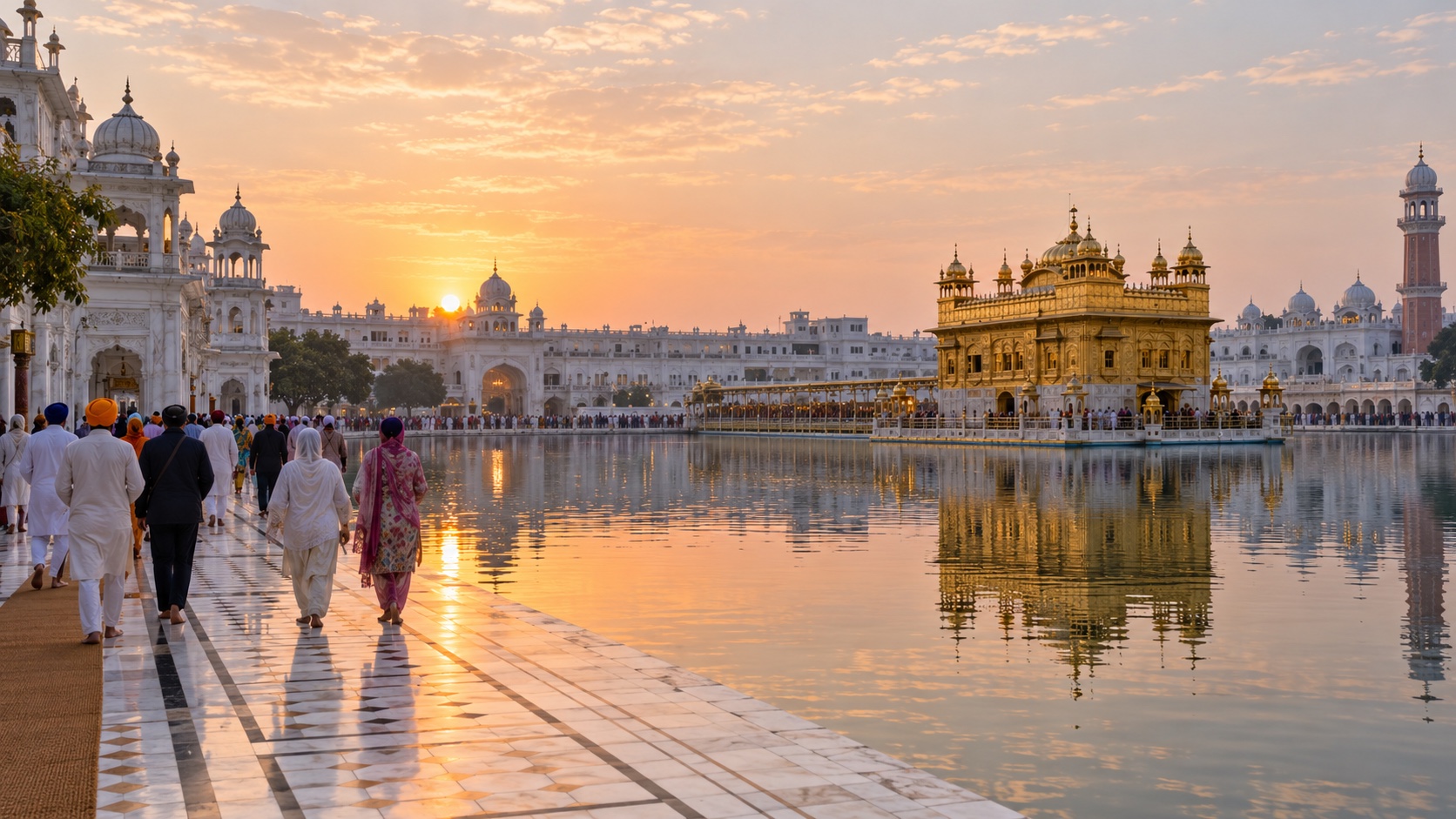
The Golden Temple welcomes people across backgrounds into a sacred Sikh complex centered on worship, equality, service, and the shared meal of langar. Visitors can walk the marble perimeter, listen, cover their heads, remove shoes, wash their feet, and follow the movement of pilgrims without inserting themselves into prayer.
Use official guidance, dress modestly, and avoid close photography of worshippers. Volunteering in langar should follow instructions and serve the institution’s needs rather than a visitor’s wish for content. The Partition Museum can add vital historical context to the city.
At the Golden Temple complex, visitors of many backgrounds are welcomed, but welcome carries responsibilities. Cover the head, remove shoes, wash feet as directed, and avoid tobacco or alcohol on the grounds. The community kitchen is not a tourist spectacle; guests may eat respectfully and can ask how to volunteer without interrupting service. Lines and prayer areas require patience. Learning about Sikh history, equality, and seva before arrival helps the architecture and shared meal register as expressions of belief rather than isolated attractions.
Santiago de Compostela Spain
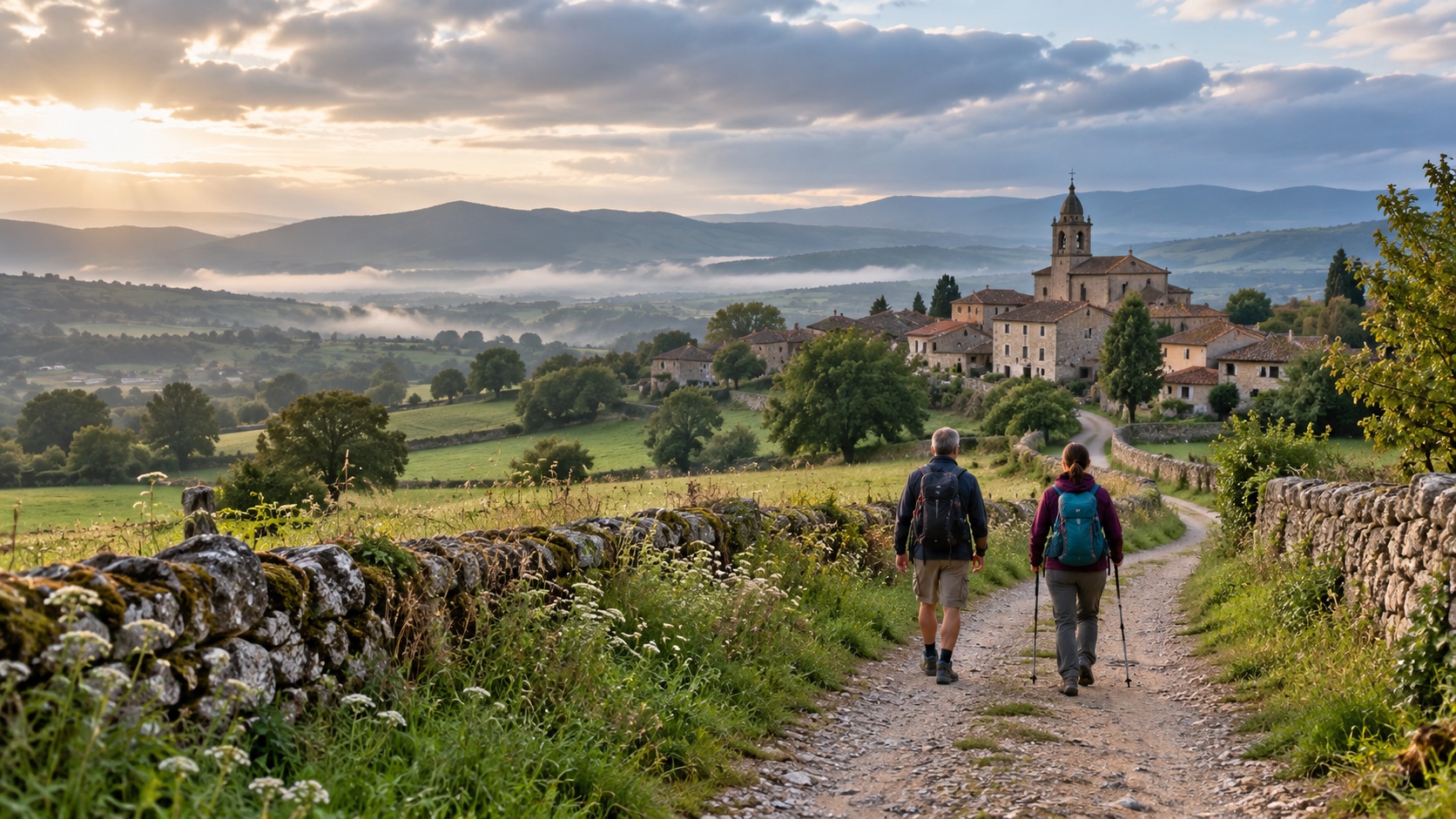
Santiago is the destination of Camino routes walked for religious, personal, cultural, and physical reasons. The cathedral and pilgrim Mass hold particular meaning for many arrivals, while the old city absorbs the practical energy of walkers completing long journeys.
Visitors who did not walk should still respect tired pilgrims and worship. Check cathedral rules, bag storage, and service times. Spend more than a final afternoon if possible. The route’s meaning lies in daily effort and hospitality, not only the photograph in the square. Santiago receives pilgrims who have walked for weeks alongside day visitors and tour groups. Give tired arrivals room in the cathedral square and do not treat their emotion as public entertainment. If attending Mass, sit only where visitors are permitted and keep devices silent. The pilgrim credential and Compostela have specific rules that should be checked through official channels. Even travelers who do not walk a long route can approach the city thoughtfully by learning about the paths, visiting the pilgrimage museum, and staying beyond a single crowded afternoon.
Bodh Gaya India
Bodh Gaya centers on the Mahabodhi Temple and the place associated with the Buddha’s enlightenment. Monasteries from different Buddhist traditions, pilgrims, meditation, and teaching create a global sacred landscape. Practice and visitor access coexist, sometimes within crowded conditions. Follow security, footwear, photography, and meditation-area rules. Do not position yourself beside practitioners for an image or interrupt chanting. Qualified guides can explain history and differences among traditions. Heat and festival periods affect the experience significantly. Bodh Gaya’s Mahabodhi Temple complex welcomes international Buddhist communities whose languages, robes, and devotional forms differ. Move clockwise where instructed, keep walkways clear, and never step over people or ritual objects. Meditation beneath the Bodhi tree may be limited by crowds and security, so expectation should remain flexible. Choose accommodations that allow early visits, and ask before joining teachings at monasteries built by different national traditions. The surrounding town is busy and uneven; practical patience is part of a respectful stay.
Bhutan
Bhutan’s monasteries, dzongs, pilgrimage sites, festivals, and Himalayan landscapes are connected to living Vajrayana Buddhist practice and national cultural policy. Tiger’s Nest is famous, but a meaningful itinerary includes local temples, skilled guides, ordinary towns, and enough time for altitude and road travel.
Follow national travel requirements and site-specific photography rules. Remove shoes and hats where directed, dress conservatively, and avoid touching murals or ritual objects. Festivals are religious and community events as well as public celebrations. A guide should explain when visitors may watch and when cameras stay away. Travel in Bhutan is regulated through national policy and usually arranged with licensed providers. Discuss the pace, altitude, road time, temple access, and walking demands before confirming an itinerary. Dzongs and monasteries remain active institutions, so follow the guide’s instructions about clothing, clockwise movement, offerings, and cameras. Tsechu festivals can add depth but also create demand and crowds. Avoid measuring national well-being through a slogan or expecting residents to perform serenity. The most respectful visit connects Buddhist heritage with contemporary life, environmental policy, education, and regional diversity.
Lalibela Ethiopia
Lalibela’s rock-hewn churches remain active places of Ethiopian Orthodox worship and pilgrimage. Their architecture, tunnels, courtyards, clergy, manuscripts, and feast-day gatherings require interpretation rooted in both faith and conservation. The site is not simply an archaeological complex.
Use authorized guides and follow shoe, dress, and photography rules. Do not photograph worshippers or clergy closely without permission. Regional security conditions must be checked carefully before travel. Conservation challenges and community life deserve attention beside the remarkable stonework.
Lalibela’s rock-hewn churches are living places of Ethiopian Orthodox worship as well as globally known monuments. Religious calendars, fasting periods, services, and local conditions shape the visit. Hire an authorized guide who can explain theology and architecture without interrupting clergy or congregants. Stone passages, uneven surfaces, and crowds may present mobility challenges. Shoes must be removed at church entrances, and photography permissions can differ from one space to another. Current travel advisories and local access conditions should be reviewed close to departure rather than inferred from older guidebooks.
Mount Koya Japan
Koyasan combines temples, cemetery paths, mountain forest, Shingon Buddhist history, and lodging at shukubo. Guests may encounter vegetarian temple cuisine, morning services, and quiet routines within accommodations operated by religious communities. Read the schedule and expectations before booking. Attendance, bathing arrangements, meals, and curfews vary. Okunoin cemetery requires particularly respectful behavior and restrained photography. A temple stay should be approached as hospitality with religious context, not a themed resort. A shukubo stay on Mount Koya can include vegetarian meals, morning services, and simple rooms, but each temple sets its own expectations. Arrival times and meal times are firm, bathrooms may be shared, and silence should be honored. Guests are observers, not temporary monks, unless a program explicitly provides instruction. Walk Okunoin cemetery with restraint, especially near funerary monuments and worshippers. Seasonal cold and limited evening transport deserve advance planning. Choosing one night with attentive participation is often more meaningful than rushing among many temples for photographs.
Assisi Italy
Assisi’s basilicas, churches, streets, and surrounding Umbrian landscape connect to Saint Francis and Saint Clare, attracting pilgrims and visitors. Art, architecture, worship, and walking routes create multiple ways to engage, from formal services to quiet paths beyond the busiest center.
Follow church dress and photography rules, and allow services to proceed without tourist movement.
A guide can explain frescoes and Franciscan history while distinguishing devotion from art history. Staying overnight reveals a calmer town after day groups leave.
Uluru Australia
Uluru is sacred to Anangu and sits within a living cultural landscape, not merely a dramatic rock formation. Anangu-led interpretation explains Tjukurpa, land relationships, and visitor responsibilities while some stories and sites remain restricted. Never climb Uluru, obey photography-sensitive zones, remain on designated paths, and avoid publishing restricted views. Choose cultural programs led or authorized by Traditional Owners. Heat, distance, and desert safety require careful planning. Respect includes accepting that not every story will be shared.
Protect Meaning From Your Own Expectations
Spiritual destinations do not owe travelers peace, certainty, or revelation. Crowds, construction, security, commerce, grief, and ordinary life may coexist with devotion. Let the place remain complex instead of judging it by whether it delivered a desired feeling.
Afterward, describe the visit without claiming authority over a tradition. Credit guides and community sources, protect private encounters, and continue learning. The most meaningful result may be greater humility and a more disciplined way of entering spaces that matter deeply to others.