The Journey Changes Through Repetition
A spiritual journey is not defined only by the sacred destination at its end. Meaning often develops through repeated walking, prayer, service, silence, meals, fatigue, and encounters with other travelers. Some routes welcome people of many beliefs; others are religious obligations or restricted pilgrimages that outsiders should understand without trying to enter. The journeys below vary from long-distance paths to temple circuits, retreats, and river travel. They require different permits, fitness, seasons, and levels of faith participation. Choose a journey whose practice and demands you can respect. Prepare the body, learn the tradition, and leave room for discomfort as well as beauty. Transformation cannot be scheduled, but attention can.
A: Some routes welcome varied motives while others have specific faith requirements.
A: Choose a complete section that fits time rather than rushing an entire route.
A: Solo travel offers reflection but safety and companionship needs differ.
A: The lightest kit that still covers health weather and route requirements.
A: They may document passage but do not measure inner meaning.
A: Often yes and using support does not invalidate a personal journey.
A: Continue honestly or stop without treating the route as a contract.
A: Select age-appropriate distance lodging and purpose.
A: Some journeys emphasize it while others grow through community.
A: Attention to the practice and people along the way.
Camino de Santiago Spain
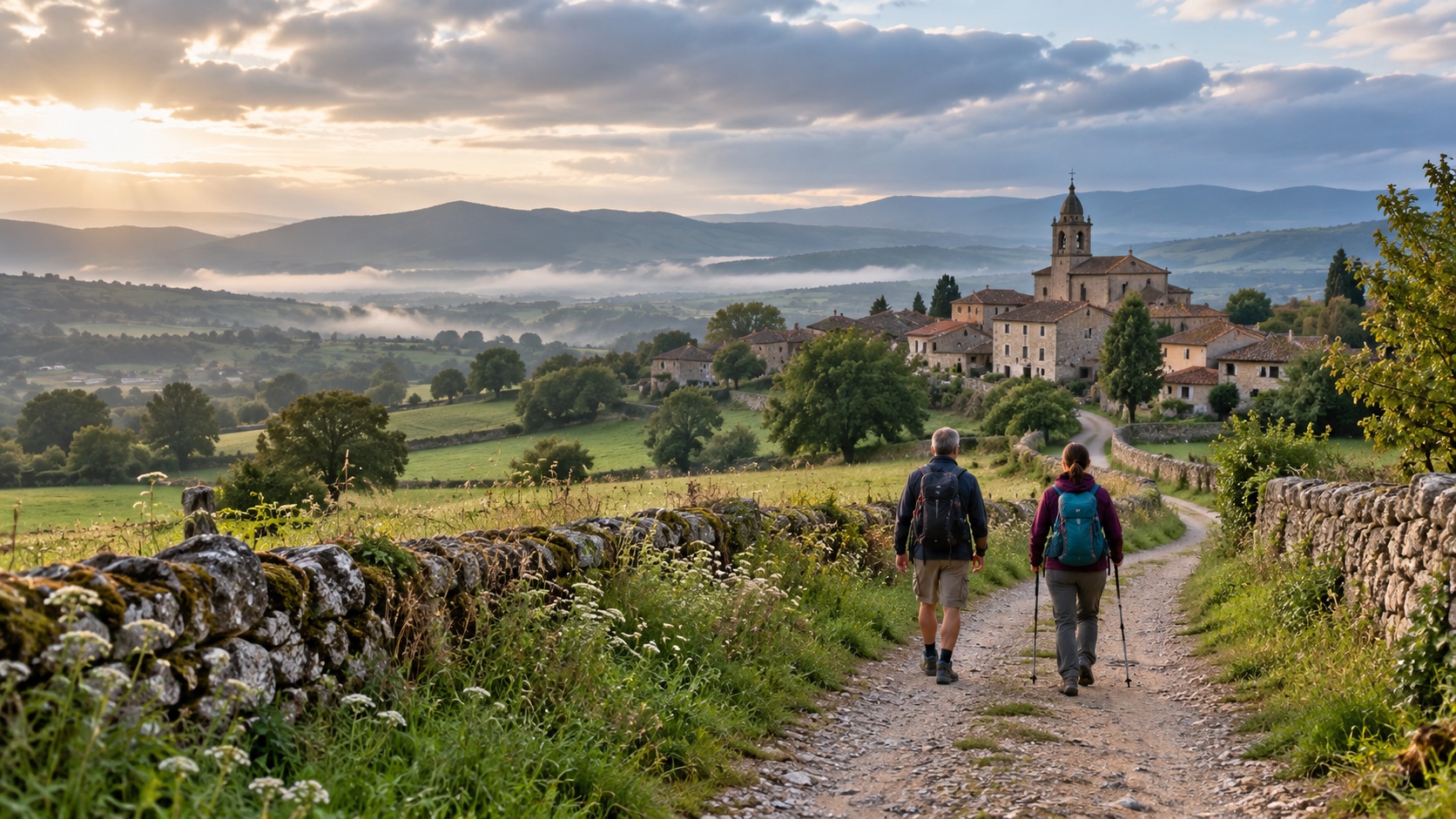
The Camino is a network of routes leading to Santiago de Compostela, walked for religious, personal, cultural, and physical reasons. Daily repetition, shared lodging, village meals, weather, and encounters create the journey’s rhythm. The popular French Way differs from coastal, Portuguese, and quieter routes. Train gradually, keep the pack light, and reserve selectively according to season. Respect churches, pilgrims, residents, and shared accommodations. Credentials and the Compostela can mark completion, but distance certificates do not determine sincerity. Walk a shorter section honestly rather than racing a famous whole. Route choice should reflect available time and physical condition, not a desire to prove endurance. The popular French Way offers abundant services but can become busy, while shorter Portuguese, English, and regional paths create different landscapes and logistics. Reserve beds during peak periods, break in footwear, and keep the pack light enough to walk steadily. The pilgrim credential is more than a souvenir when used as intended. Courtesy in shared accommodation includes quiet mornings, careful hygiene, and respect for walkers whose motivations differ from your own.
Kumano Kodo Japan
The Kumano Kodo connects sacred sites across the Kii Peninsula through forested mountain routes with centuries of pilgrimage history. Stone paths, steep climbs, shrines, villages, and hot springs create a physically and culturally layered journey. Routes vary substantially in difficulty and transport access.
Book limited lodging early, carry appropriate rain gear, and understand luggage transfer and meal arrangements. Purification and shrine etiquette deserve preparation. Stay on paths and avoid treating religious symbols as props. The dual-pilgrim connection with the Camino is meaningful, but each tradition retains its own context. The Kumano routes combine steep forest walking, shrine visits, rural communities, and complex transportation. Wooden paths and stone steps can be slippery after rain, so poles and footwear with reliable grip are valuable. Luggage forwarding can make the walk accessible without removing its contemplative character. Learn shrine etiquette and the environmental rules of the trail before setting out. Lodging and buses are limited in some villages, making reservations essential. Walkers should carry offline route information and avoid relying on mobile coverage in mountain sections.
Shikoku 88 Temple Pilgrimage Japan
Shikoku’s circuit links 88 temples associated with Kobo Daishi across a long and varied island route. Pilgrims travel on foot, by bicycle, car, or organized transport, wearing traditional items to different degrees. The journey combines temple practice, hospitality, towns, roads, coast, and mountains.
Learn temple procedures, road safety, lodging customs, and the meaning of pilgrim clothing before adopting it. Walking the complete circuit requires significant time and endurance. A carefully chosen section can still be respectful when described accurately. Donations and stamps are practices, not collectibles alone.
Completing all eighty-eight temples can take weeks, but shorter sections still require cultural preparation. Pilgrims may walk, cycle, drive, or combine transport, and each approach has established customs. Temple offices keep specific hours, while accommodation can be sparse outside cities. A white pilgrim jacket or staff should not be treated as a costume; learn their meaning before purchasing them. Road walking, tunnels, heat, and typhoon season affect safety. Accepting local hospitality creates an obligation to respond with gratitude, quiet behavior, and care for the route.
Via Francigena Europe
The Via Francigena follows historic paths toward Rome through sections of England, France, Switzerland, and Italy. Landscapes, villages, churches, passes, and regional food create a less uniform experience than a single maintained trail. Waymarking and infrastructure vary.
Research each section, season, and border requirement. Alpine crossings require mountain judgment, while road walking demands visibility. Pilgrim lodging may be simple and limited. Reaching Rome can carry religious meaning, but the route also welcomes reflective walkers who respect its Christian context. The Via Francigena crosses several countries and many administrative regions, so signage, lodging, trail surface, and credential arrangements change along the route. Select stages using current local resources rather than assuming every guidebook remains accurate. Summer heat in Tuscany and exposed Alpine sections demand different preparation. Churches may be active parishes with limited visitor hours. Buying food and staying in locally owned lodging helps communities maintain the path. Pilgrims should also plan recovery days, because repeated pavement and descents can strain feet and knees more than daily distance suggests.
Mount Kailash Tibet
Mount Kailash is sacred in Hinduism, Buddhism, Jainism, and Bon. The kora around the mountain involves high altitude, severe weather, remote logistics, and profound religious significance. Access depends on permits and current regulations, and the mountain itself should never be climbed. Acclimatization and qualified medical advice are essential. Travelers must use authorized arrangements, follow local guidance, and give religious pilgrims priority. Do not imitate prostrations or ritual acts for images. The physical difficulty should never be romanticized or used to pressure an unwell companion. Travel to the Kailash region involves permits, altitude, long overland journeys, uncertain weather, and limited medical support. The circumambulation is sacred to several traditions and is not an adventure challenge to improvise. Use an authorized operator, seek individualized medical advice, acclimatize conservatively, and accept that a guide may require someone to turn back. Do not photograph pilgrims in vulnerable moments or interfere with prostrations. Political and access conditions can change; verify current official requirements and avoid presenting local religious practice as an exotic test of toughness.
Buddhist Retreat Journeys
Monasteries and retreat centers in Thailand, Sri Lanka, Japan, Nepal, Europe, and elsewhere offer structured periods of meditation, teaching, work, and silence. Traditions, schedules, teacher qualifications, donations, accommodation, and expectations differ significantly.
Read the entire program before applying. Disclose mental and physical health needs, and do not assume silence is suitable treatment for distress. Dress and behavior rules are part of community practice. A retreat is not a spa; guests should enter prepared to follow its structure or choose a secular alternative.
A retreat is not automatically suitable simply because it promises silence or transformation. Review the teacher’s background, safeguarding policy, daily schedule, dietary conditions, accommodation, and expectations around communication. People managing trauma, medication, or health conditions should obtain appropriate professional advice before entering intensive practice. Some centers welcome beginners, while others assume prior experience. Follow rules about clothing, gendered areas, offerings, and photography without turning them into content. Leave enough unscheduled time after the retreat to rest and integrate the experience before demanding travel resumes.
The Abraham Path and Regional Walking
Routes inspired by Abrahamic heritage connect landscapes, hospitality, and stories across parts of the Middle East. Actual access, security, border conditions, and local programs vary, and current regional conflict can make travel inappropriate or impossible.
Use current official safety advice and locally rooted operators. Never travel into restricted areas or treat conflict as adventure. When journeys operate, listen to resident narratives without demanding reconciliation as a visitor experience. The ethical choice may be to postpone. Regional walking projects can cross communities with different languages, faiths, political realities, and access conditions. A route shown on an old map may not be currently open or appropriate. Book through organizations with recent local knowledge, fair guide employment, and clear safety procedures. Listen when hosts define what hospitality means, and do not enter farms, homes, or religious buildings without invitation. The journey is not a shortcut to claiming expertise in a complex region. Its value lies in measured conversation, landscape, and the recognition that living communities are more varied than inherited narratives.
Hajj and Umrah Context
Hajj is a required pilgrimage for Muslims who are able to undertake it and is restricted to Muslims, with formal authorization and specific rites. Umrah also has religious requirements and regulations. Non-Muslim travelers should learn respectfully without attempting access to Mecca or appropriating pilgrim identity.
Muslim pilgrims need official current guidance, authorized providers, health preparation, and crowd-safety planning. The journey’s meaning lies in worship, equality, remembrance, and obligation—not travel prestige. Public discussion should protect the privacy of fellow pilgrims.
Hajj is a required pilgrimage for Muslims who meet specific conditions, while Umrah has a different status and timing. Non-Muslims should not frame either as a tour they can sample. Muslim travelers need current information from official authorities and qualified religious advisers, because permits, health rules, transport systems, and crowd procedures evolve. Physical preparation should include walking in heat and understanding how chronic conditions will be managed. Patience, mutual care, and compliance with safety directions are essential when millions of people perform rites in shared spaces.
Char Dham and Himalayan Pilgrimage India
Himalayan pilgrimage routes to sacred sites such as those associated with the Char Dham combine devotion with altitude, weather, landslide, road, and crowd risks. Seasons are limited, and infrastructure can be under intense pressure. Pilgrims of varied ages may face difficult conditions. Use official registration and health requirements, acclimatize, and follow closures immediately. Helicopter access changes logistics but not weather risk. Reduce waste and water use, and never pressure staff to bypass safety. Faith does not remove the need for physical judgment. The Char Dham routes involve high altitude, mountain weather, difficult roads, seasonal closures, and enormous pilgrimage demand. Select an itinerary that allows acclimatization and rest rather than compressing sacred travel into a race. Registration and medical requirements should be confirmed officially. Helicopter options do not remove every health risk and may be disrupted by weather. Local porters, drivers, and lodging staff deserve fair treatment. Travelers should reduce plastic waste, respect river and temple rules, and recognize that infrastructure is under heavy pressure during peak periods.
Saint Olav Ways Scandinavia
Pilgrim routes toward Trondheim cross forests, farms, villages, and mountain areas, connecting medieval Christian heritage with contemporary long-distance walking. Long summer light, variable weather, and spaced services shape the experience.
Plan accommodation and food carefully, respect private land rules, and carry layers for rapid change. Churches and pilgrim centers provide context, while quiet landscapes encourage reflection. The route suits walkers who value solitude but can manage remote stretches responsibly.
River Journeys With Sacred Context
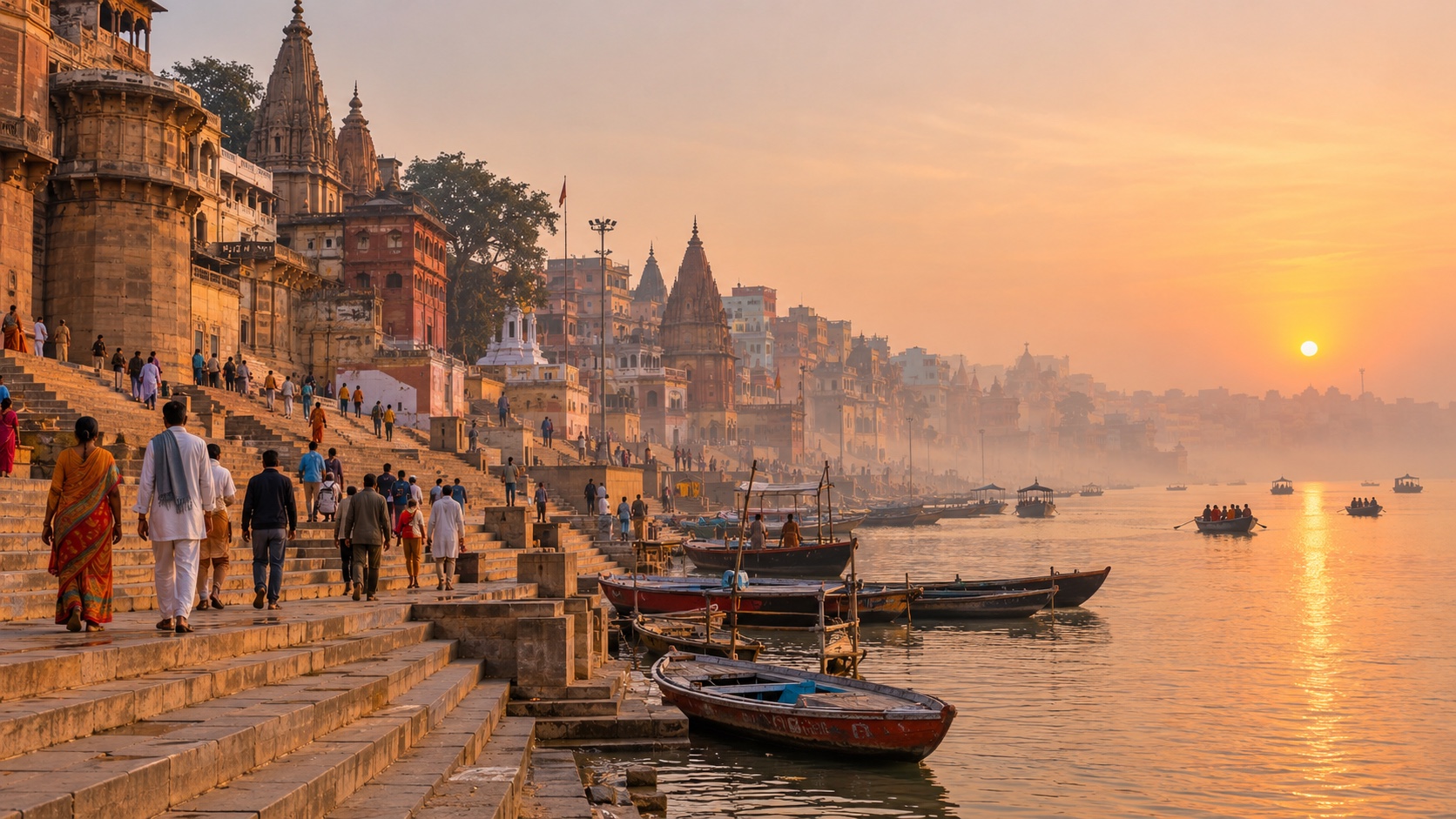
Rivers such as the Ganges, Jordan, and others hold religious meaning across communities. Boat travel and riverside walking can reveal sacred geography, ecology, settlement, and ritual, but visitors must avoid treating pollution, worship, or grief as visual drama. Use licensed operators, follow water safety, and never enter restricted ceremonies. Learn how environmental health and spiritual practice interact. Supporting responsible sanitation and conservation initiatives may be more meaningful than collecting water or ritual objects.
Walk Without Manufacturing a Revelation
Fatigue, boredom, irritation, friendship, grief, and joy can all belong to a spiritual journey. Do not judge the route because it failed to produce a cinematic insight. Attend to the next step, meal, conversation, and act of care.
When the journey ends, resist immediate grand conclusions.
Rest, reflect, and let the practice meet ordinary life. A route becomes meaningful through the traveler’s sustained attention and conduct, not the scale of the claim made afterward.