Build the Vacation Around What You Enjoy Together
Romantic vacations become memorable when the destination supports the way two people already connect. That might mean paddling across a quiet lake, dressing for a concert, sharing a market lunch, watching wildlife, or reading beside the sea. Luxury can help, but privacy, manageable logistics, and mutual consideration usually matter more. The strongest trip also leaves room for different energy levels and an imperfect day. This guide approaches romance through travel styles rather than a ranking of famous places. Each option offers a distinct rhythm, from alpine cabins and island walking to rail journeys, city culture, wine country, and warm-water rest. Compare the climate, travel time, cost, mobility demands, and daily pace before choosing. A beautiful setting starts the story; a plan both partners can enjoy gives it emotional weight.
A: A nearby escape can work in three nights while long-haul travel deserves a week or more.
A: Share the major decisions and save smaller details for surprises.
A: Only when isolation and self-catering suit both travelers.
A: Fewer moves usually protect time and patience.
A: Choose one priority each and allow a little independent exploration.
A: No a market picnic or neighborhood meal can feel more personal.
A: Choose a season that supports the actual activities rather than the postcard.
A: Stay overnight travel off peak and visit popular places early.
A: A flexible thoughtful detail that respects known preferences and limits.
A: Feeling heard before and during the trip.
Paddle and Unplug in the Canadian Rockies
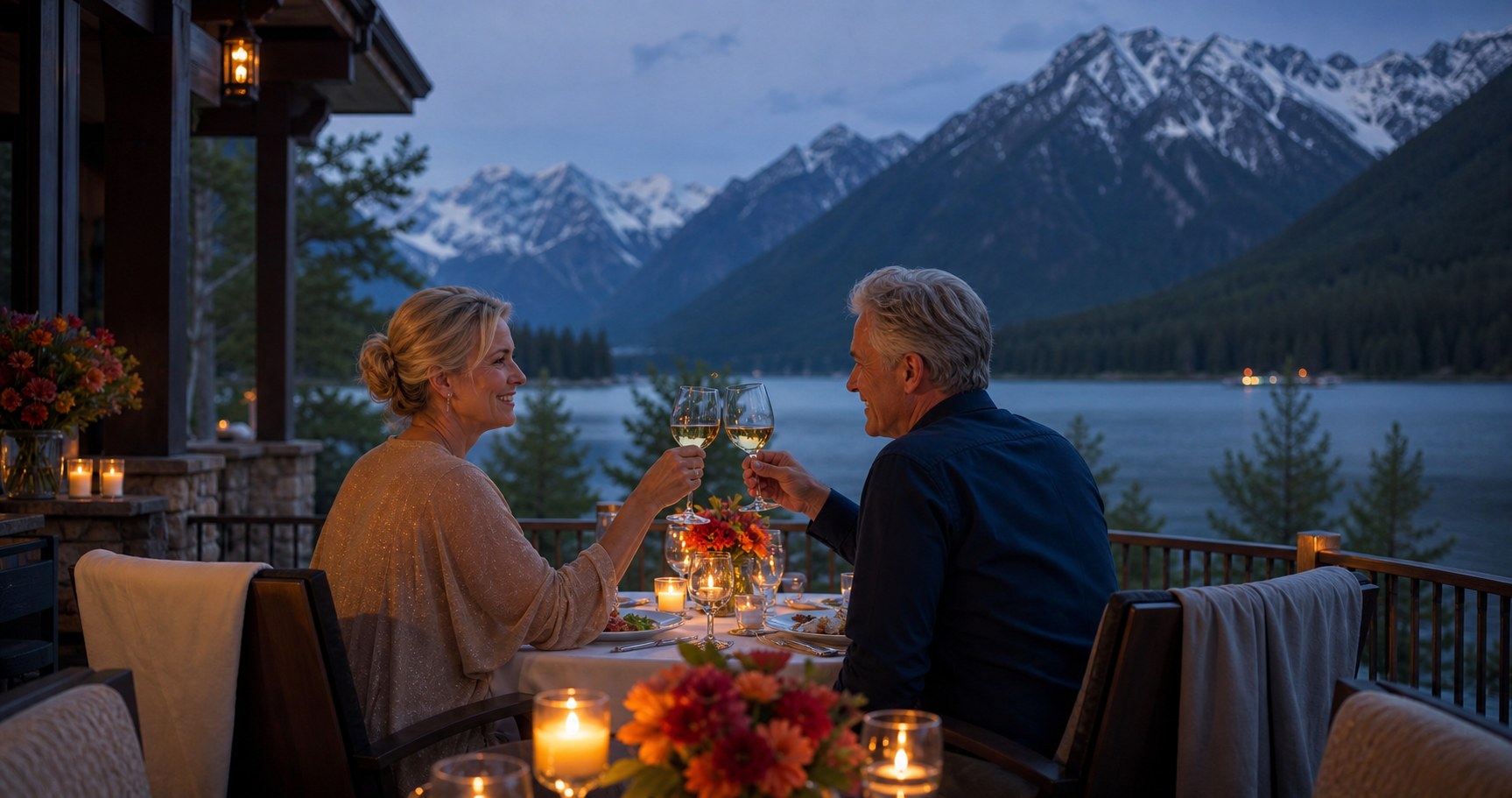
An alpine-lake vacation suits couples who relax through scenery and gentle activity. Banff, Lake Louise, Jasper, and quieter surrounding areas combine canoeing, walking, mountain views, and lodges where an early evening can feel complete. Choose one primary base rather than spending the vacation repacking. Sunrise and late afternoon often provide calmer light and a slower atmosphere than crowded midday viewpoints. Mountain weather changes rapidly, and cold water demands respect even on warm days. Reserve limited lodging and any required park access early, then leave daily routes flexible. Wildlife must be watched from the distance specified by park authorities. A romantic cabin cannot compensate for unsafe paddling or an itinerary that treats every lake as a photo stop.
Walk Between Sea and Mountains on Madeira
Madeira offers subtropical gardens, ocean cliffs, mountain paths, small towns, and hotels designed around dramatic views. Couples can follow a levada walk, swim where conditions allow, eat long seafood lunches, and return to Funchal or a quieter village without crossing a huge island. The landscape provides variety while keeping the trip geographically manageable.
Trail closures, tunnels, exposure, and changing cloud require current information and proper footwear. Select walks that match the less confident partner, not the stronger one. A rental car adds flexibility but mountain roads can create stress; transfers and tours are reasonable alternatives. Several nights in one location preserve the restorative effect of the island.
Dress for Music and Coffee in Vienna
Vienna works for couples who find ritual and culture romantic. Coffeehouses, museums, palace grounds, markets, wine taverns, concerts, and orderly public transport make it easy to design polished days without a car. A performance can become the evening’s anchor, leaving the afternoon free for a walk along the Ringstrasse or time in a gallery.
Check venue dress expectations without assuming formalwear is mandatory, and buy tickets through official channels. Historic cafés may have queues, but the city’s pleasure does not depend on one celebrated room.
Winter brings markets and early darkness; spring and autumn offer comfortable walking. Choose accommodation near transit and a neighborhood breakfast rather than chasing a monument view.
Share an Onsen Rhythm in Rural Japan
A ryokan or hot-spring town can give couples a graceful routine of bathing, walking, seasonal meals, and sleep. Kinosaki, Kurokawa, and many mountain or coastal onsen areas offer different architecture and landscapes. Private baths or reservable family baths can help couples who want to soak together where public facilities are gender-separated. Learn bathing etiquette and verify policies around tattoos, mobility, meal times, and dietary requests. Some traditional bedding, low seating, or stairs may not suit every traveler. Travel light, arrive before the scheduled dinner, and avoid fitting a complicated sightseeing day around a carefully paced stay. The romance comes from accepting the rhythm rather than consuming it quickly.
Take the Train Through Switzerland
Scenic rail lets couples share mountain landscapes without assigning one person the burden of driving. A focused route linking two or three bases can include lake promenades, cable cars, village walks, and comfortable trains. Lucerne, the Bernese Oberland, Engadin, and Ticino offer different moods within a system that rewards careful but not obsessive planning.
Premium panoramic trains are not the only beautiful option; regular services may offer flexibility and windows that open. Check reservation requirements, luggage practicality, and mountain maintenance periods.
Prices are high, so supermarkets and picnics can balance a special hotel or meal. Build in a weather day rather than expecting every summit to be clear.
Pair Vineyards With Wild Coast in South Africa
The Western Cape can combine Cape Town’s food and culture, Winelands estates, mountain scenery, and a coastal stay. Couples who enjoy variety can move from a city neighborhood to a quieter farm or small hotel without losing days to flights. Gardens, galleries, tastings, and nature walks support both active and leisurely schedules.
Use a driver or tour for wine days, and examine current safety and transport guidance by neighborhood and route. Water conditions and wildlife encounters deserve local expertise. Avoid attempting the entire Garden Route in a rushed few days. Two well-chosen bases create more romance than a string of photogenic check-ins.
Find Color and Courtyards in San Miguel de Allende
San Miguel de Allende offers historic streets, courtyards, rooftop views, galleries, cooking, and a strong evening atmosphere in a compact setting. Couples can wander without a fixed agenda, then choose a workshop, market visit, or countryside outing. The city suits travelers who like beauty and sociability more than seclusion. Cobblestones, hills, altitude, and festival crowds affect comfort. Choose a hotel location after considering noise and mobility, not only decor. Support working artists and locally rooted guides rather than treating the city as a backdrop. A longer stay allows early mornings and ordinary neighborhood moments to balance busy central squares.
Slow Down Among Slovenia’s Lakes and Vineyards
Slovenia gives couples Alpine scenery, Ljubljana’s riverside center, vineyards, caves, and a short coastline within manageable distances. Lake Bohinj offers more breathing room than the busiest parts of Bled, while farm stays and wine regions create restful meals. The country works well for pairs who want gentle road travel without constant long hauls.
Use two bases instead of changing rooms nightly. Mountain water stays cold, storms can arrive quickly, and popular lake areas still crowd in summer. Ljubljana provides an easy cultural beginning or end. The vacation feels coherent when nature, food, and city time alternate instead of competing for every day.
Rest Beside the Sea in Isla Holbox Mexico
Holbox appeals to couples who want sandy streets, warm weather, water, and a limited island scale. Days may involve swimming, kayaking, birdlife, seafood, or simply moving between shade and sunset. The absence of a dense sightseeing list can feel freeing when both people genuinely want a beach-centered trip.
Season influences heat, rain, insects, seaweed, wildlife, and water clarity. Infrastructure and waste pressures are real, so choose lodging with credible environmental practices and conserve resources.
Wildlife tours must follow rules and avoid crowding animals. Bring cash options and realistic expectations about roads, noise, and weather-dependent transfers.
Explore Bookshops and Coast From Edinburgh
Edinburgh combines historic streets, museums, literature, pubs, restaurants, and easy rail access for a romantic city break. Couples can climb a viewpoint, browse bookshops, hear live music, and take a coastal or countryside day trip without renting a car. The city’s stone architecture and changing weather give even a short walk a distinct mood.
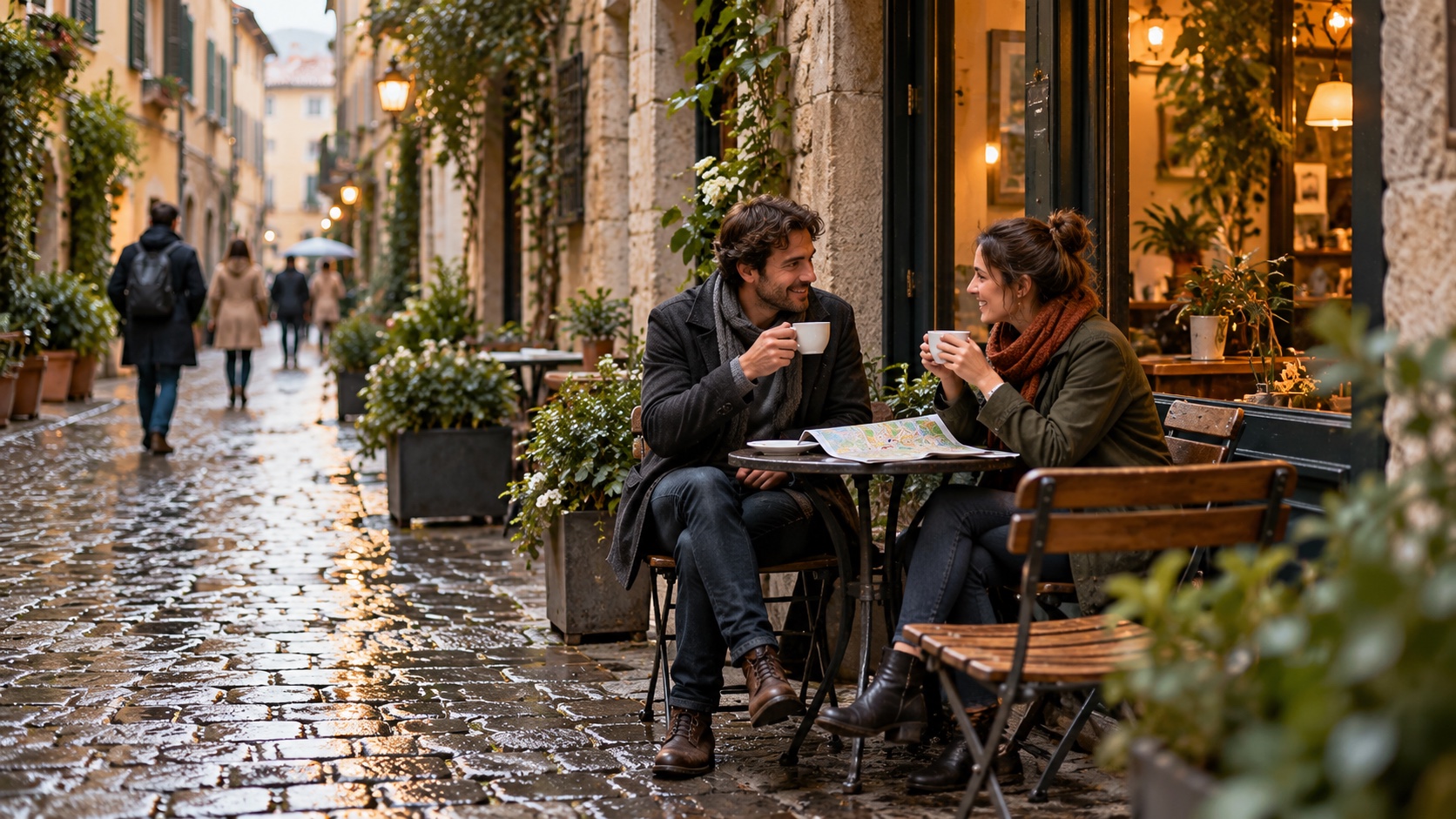
Festival periods bring extraordinary energy and high prices; quieter months offer more room. Steep streets and stairs matter when choosing accommodation. Book one evening event, keep rain layers close, and allow time for neighborhoods beyond the Royal Mile. A warm café after a wet walk may become more memorable than the scheduled attraction.
Finish With a Plan That Protects the Relationship
Before booking, each partner should name a priority, a limit, and a comfort that matters. Compare not only destinations but sample days: wake-up time, transport, activity, meal timing, and the route back to the room. This exposes hidden friction early and makes compromise concrete. During the trip, respond to energy rather than defending the itinerary. Skip a reservation if exhaustion has erased its pleasure. Divide small tasks, speak clearly about money, and apologize quickly when stress sharpens a conversation. A romantic vacation succeeds when the relationship feels cared for inside the logistics, not when every photograph looks effortless. Lodging deserves a practical conversation of its own. One partner may value a view while the other needs quiet, a firm mattress, reliable climate control, or an elevator. Read recent reviews for sleep quality and construction, then examine the route to meals and transit. A modest room in the right location can create more shared ease than an isolated suite that turns every outing into a project. Food planning should accommodate appetite, allergies, alcohol preferences, and different ideas of a special meal. Reserve a few meaningful tables, but keep breakfast and lunch flexible. Markets, bakeries, and grocery shops can make a spontaneous picnic feel personal. If one person loves tasting menus and the other does not, schedule that experience alongside an independent activity rather than demanding identical enthusiasm. Discuss phones and photographs before departure. Some couples enjoy documenting everything; others feel observed when private moments become posts. Agree on times when devices stay away and ask before sharing an image of the other person. A small tripod or stranger’s help can produce a photograph together without turning the entire vacation into a shoot. Weather will test the plan eventually. Pack enough protection that rain, cold, or heat does not become blame, and choose destinations whose indoor options also appeal. A museum, bath, long lunch, or afternoon reading can preserve the mood when a boat or trail closes. Flexible bookings help, but emotional flexibility matters just as much. The return home belongs in the vacation design. Avoid landing hours before a demanding workday when possible, unpack together, and preserve one simple ritual from the trip. Cook a dish, print a photograph, or repeat a weekend walk. Romance lasts longer when the journey creates a shared memory that can reappear in ordinary life. Finally, remember that privacy is different from isolation. A remote setting can be wonderful, but access to food, medical care, communication, and safe transport still matters. Verify those details before booking. Feeling secure allows both people to relax into the silence rather than quietly carrying logistical worry.
Choose the Season for the Real Vacation
Every romantic destination has a less flattering season. Alpine lakes may remain cold after sunny days begin, islands can be windy or rainy, and historic cities may become hot enough to make afternoon walking unpleasant. Compare daylight, precipitation, sea temperature, insects, wildfire, school holidays, and local closures with the activities you expect to share. A lower room rate is not a bargain when the central pleasure of the trip is unavailable.
Shoulder season often creates the best compromise, but it is not automatically quiet or reliable. Check transportation schedules, trail maintenance, ferry frequency, and whether restaurants outside major centers remain open. Build one indoor alternative and pack for variation. Couples enjoy imperfect weather more easily when it was considered in advance rather than treated as a broken promise.
Talk about the tradeoff together, then book the season whose ordinary days still sound appealing. That shared choice turns weather from one person’s responsibility into part of the adventure both accepted.