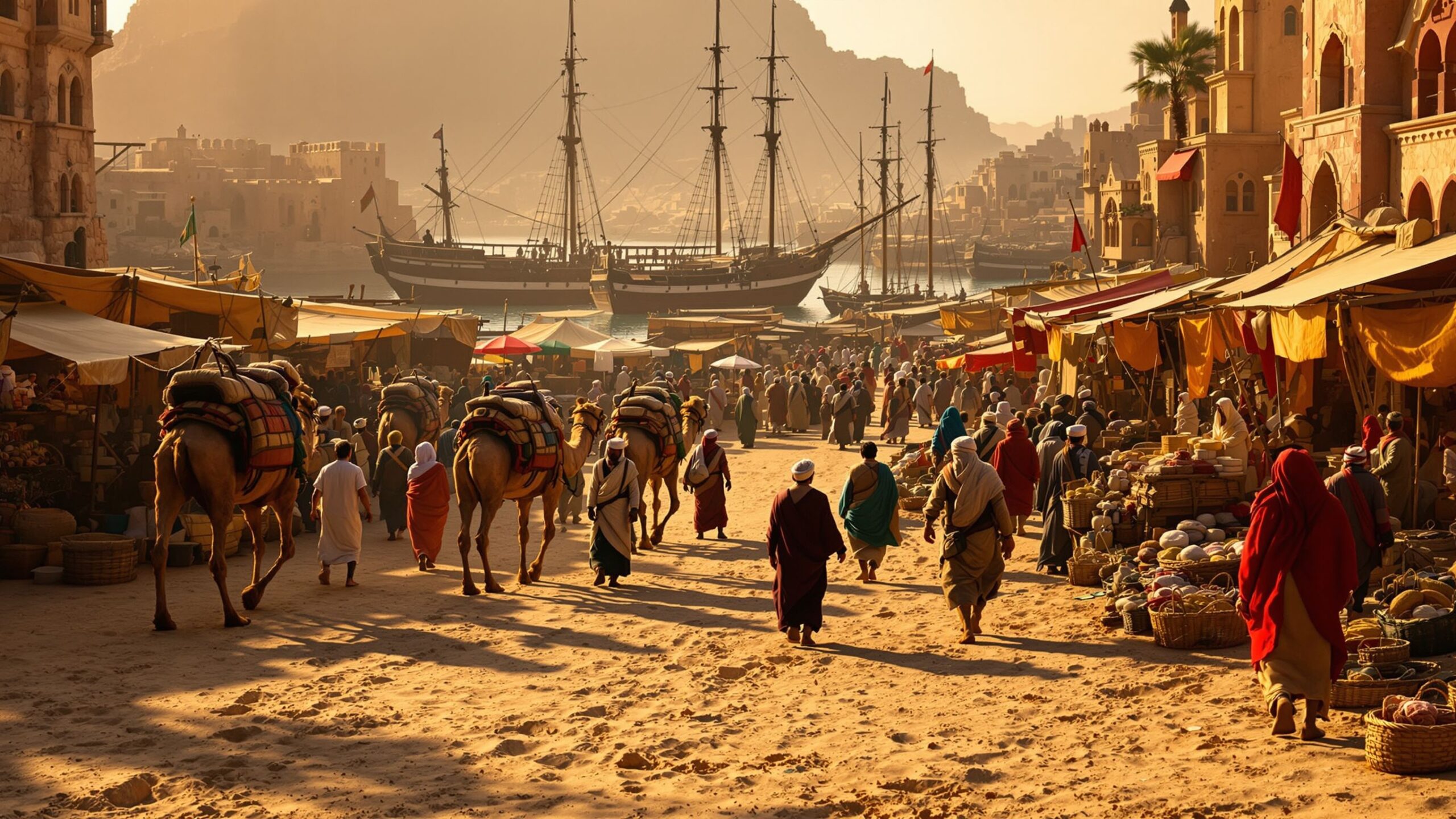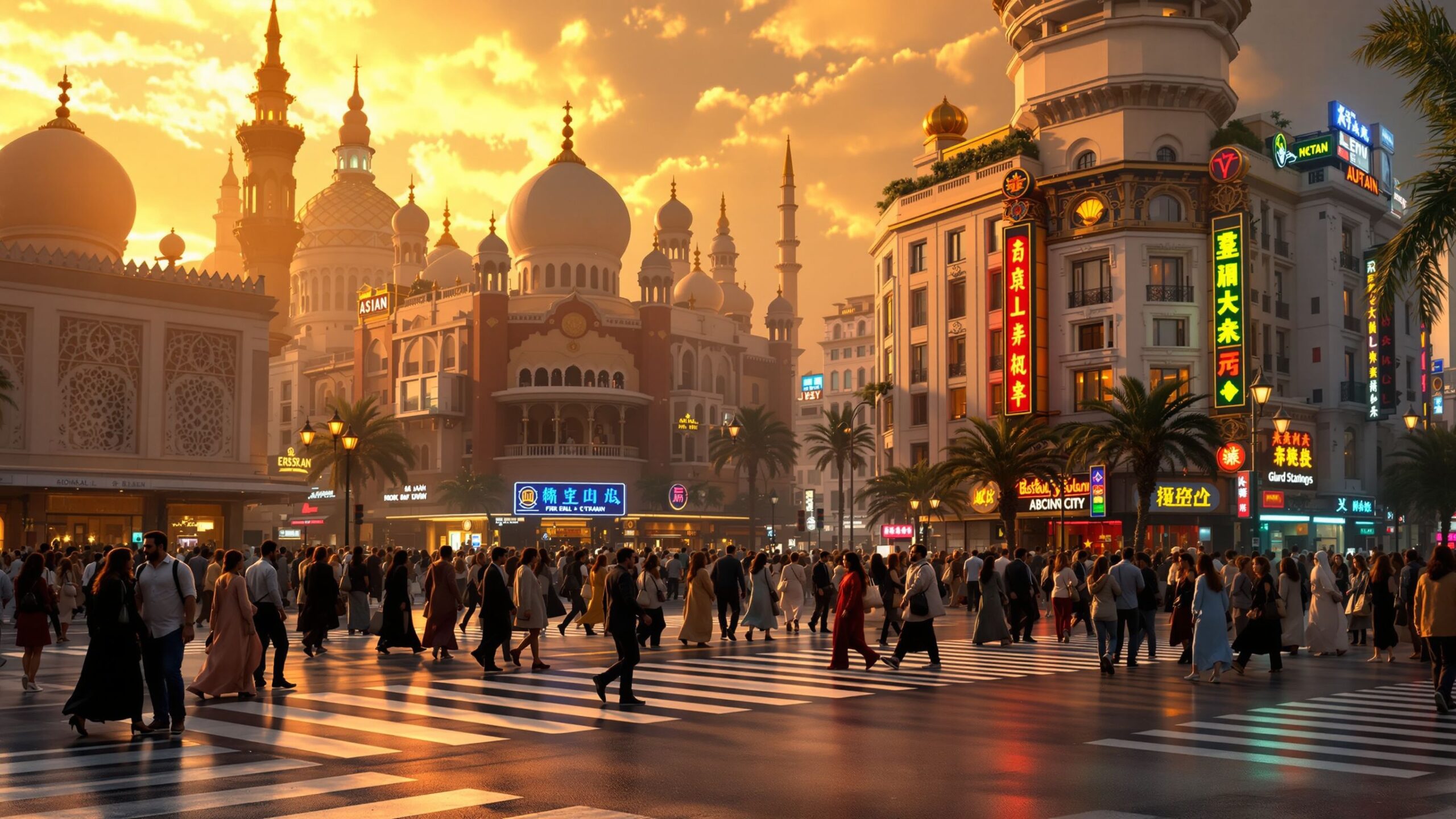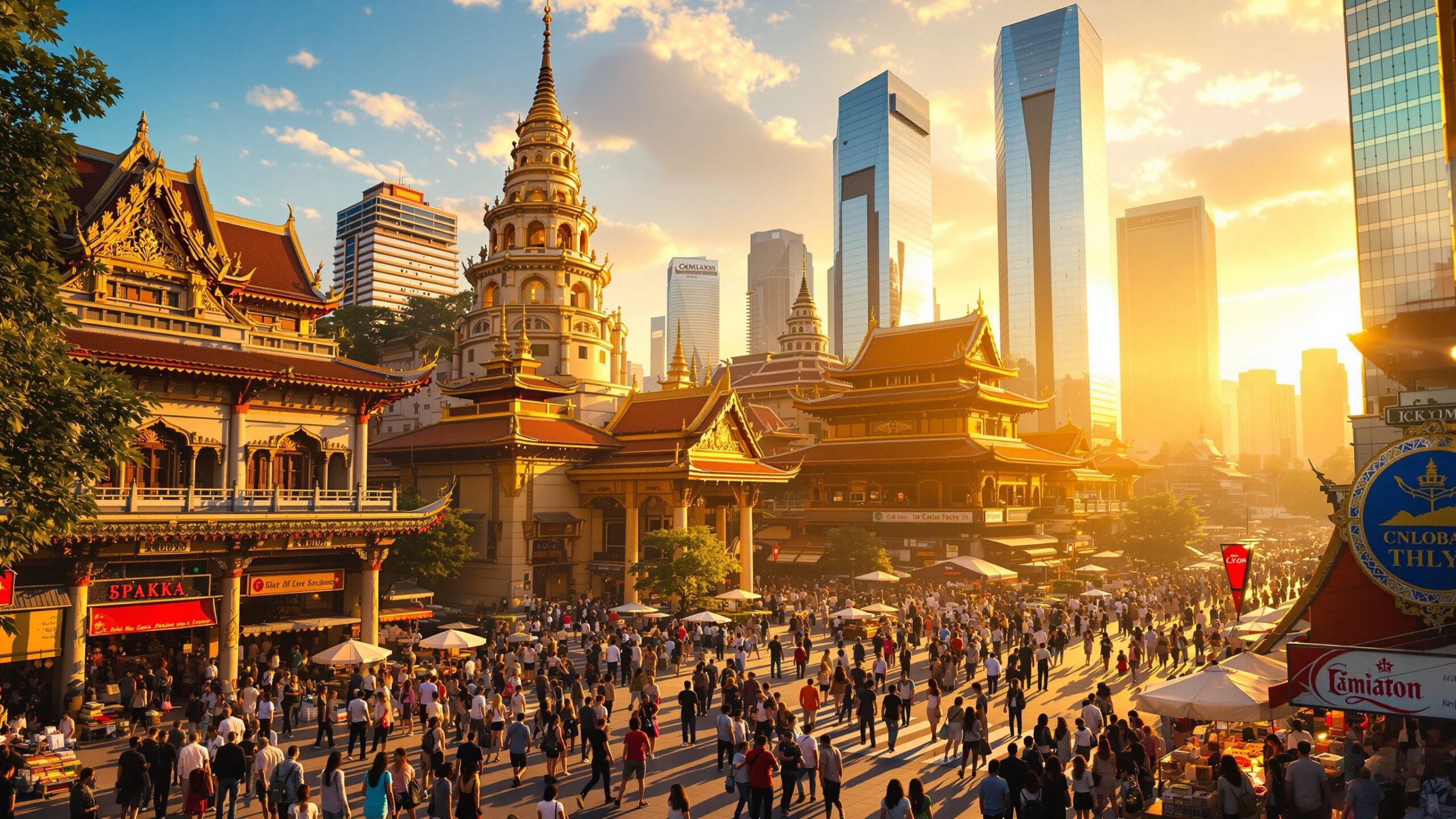
There are places in the world where geography becomes destiny, where continents nearly touch and civilizations overlap in ways that shape the course of history. These are the cities where East meets West, where ideas, traditions, religions, and people have converged for centuries. They are not simply destinations on a map; they are living intersections of culture, where differences do not just coexist but interact, evolve, and redefine one another. Walking through these cities feels like stepping into a dialogue between worlds, where every street carries echoes of distant lands and shared histories.
A: It brings together different peoples, languages, foods, religions, trade routes, and historical influences.
A: Istanbul is one of the strongest examples because it physically and culturally connects both continents.
A: Yes, because they offer food, history, architecture, museums, and neighborhoods with lots of variety.
A: Explore markets, old districts, local restaurants, religious sites, museums, and public squares.
A: Singapore, New Orleans, Mexico City, Istanbul, and Kuala Lumpur are especially famous for food culture.
A: Istanbul, Marrakech, Sarajevo, Mexico City, and Tbilisi all have deeply layered histories.
A: New Orleans is legendary for jazz, live performance, festivals, and late-night energy.
A: Istanbul, Lisbon, Sarajevo, Hong Kong, and Marrakech offer powerful architectural contrasts.
A: Learn basic customs, dress appropriately at sacred sites, support local businesses, and ask before photographing people.
A: Stay curious, move slowly, taste widely, listen carefully, and let the city surprise you.
The Meaning of East Meets West in a Modern World
The phrase “East meets West” often evokes images of contrast, but in these cities, it is less about opposition and more about fusion. It represents the blending of philosophies, aesthetics, and lifestyles that have traveled across trade routes, migration patterns, and global networks. Historically, this exchange was driven by commerce and conquest, but today it is equally shaped by technology, tourism, and globalization.
In these cultural crossroads, you might hear multiple languages in a single conversation, see architectural styles that span centuries, and experience cuisines that merge flavors from entirely different regions. What makes these cities extraordinary is not just their diversity, but the way that diversity becomes part of a shared identity. They are places where boundaries blur and new cultural expressions are constantly being created.
Istanbul: The Ultimate Bridge Between Continents
Istanbul stands as perhaps the most iconic example of where East meets West. Positioned along the Bosporus Strait, it physically connects Europe and Asia, making it a literal and symbolic bridge between two worlds. For centuries, it served as the capital of powerful empires, each leaving behind cultural and architectural legacies that still define the city today.
The experience of Istanbul is one of constant contrast and harmony. Byzantine churches transformed into Ottoman mosques, bustling bazaars filled with goods from across continents, and modern neighborhoods infused with global influences all exist side by side. The city’s identity is not tied to a single culture, but to the ongoing interaction between many. It is a place where history feels alive, and where East and West are not separate, but inseparable.
Dubai: A Futuristic Global Crossroads
Dubai represents a contemporary vision of East meeting West, shaped by rapid development and global ambition. Located at a strategic crossroads between Europe, Asia, and Africa, it has become a hub for international business, tourism, and innovation.
The city’s skyline is a testament to its forward-thinking mindset, yet beneath its modern exterior lies a deep connection to traditional Arab culture. This dual identity is what makes Dubai so compelling. Visitors can explore historic souks and cultural districts before stepping into some of the most advanced urban environments in the world. The diversity of its population further enhances this dynamic, creating a city that feels truly global while maintaining its cultural roots.
Jerusalem: A Sacred Meeting Point of Civilizations
Jerusalem is one of the most profound examples of cultural intersection, where East and West meet not just geographically, but spiritually. It holds deep significance for multiple religions, including Judaism, Christianity, and Islam, making it a focal point of cultural and historical exchange.
The city’s streets are layered with centuries of history, where ancient traditions continue to influence modern life. Its complexity reflects both the beauty and challenges of cultural convergence. Jerusalem is a place where belief systems, histories, and identities intersect in powerful ways, creating a city that is both deeply rooted and continuously evolving.
Singapore: A Modern Model of Cultural Fusion
Singapore offers a unique perspective on East meeting West through its carefully balanced multicultural society. With influences from Chinese, Malay, Indian, and Western cultures, the city has created a harmonious blend that is evident in every aspect of daily life.
From its architecture to its food, Singapore reflects a seamless integration of diverse influences. Skyscrapers stand alongside historic neighborhoods, and global business practices coexist with traditional customs. The city’s success lies in its ability to embrace diversity while fostering a shared sense of identity, making it one of the most effective examples of cultural fusion in the modern world.
Hong Kong: Where Tradition and Modernity Intersect
Hong Kong is a city shaped by its unique history as a meeting point between Chinese traditions and Western influences. Its skyline, one of the most recognizable in the world, reflects its role as a global financial center, while its cultural roots remain deeply connected to Chinese heritage.
The city’s energy comes from this duality. Traditional markets and temples exist alongside luxury shopping districts and international business hubs. Hong Kong’s cuisine, language, and lifestyle all reflect this blend, creating a dynamic environment where East and West are constantly interacting. It is a city that thrives on contrast, yet feels unified in its identity.
Barcelona: A Mediterranean Gateway of Cultures
Barcelona has long served as a gateway between Europe and the wider world, particularly through its connections to the Mediterranean and beyond. Its cultural identity is shaped by a blend of local Catalan traditions and influences from across Europe and the Middle East.
The city’s artistic heritage reflects this diversity, with architecture and design that draw inspiration from multiple sources. Barcelona’s vibrant atmosphere is fueled by its openness to new ideas and influences, making it a place where cultures meet and creativity thrives. It is a city that embodies the spirit of exchange and innovation.
London: A Global Capital of Cultural Exchange
London’s history as the center of a vast empire has made it one of the most culturally diverse cities in the world. Today, it continues to serve as a major global hub, where people from all corners of the globe come together to live, work, and create.
The city’s neighborhoods reflect a wide range of cultural influences, each contributing to its overall identity. From historic landmarks to modern developments, London offers a rich tapestry of experiences that highlight the interaction between East and West. It is a city where tradition and modernity coexist, and where cultural exchange is a defining feature of everyday life.
Cairo: A Timeless Crossroads of Civilization
Cairo has been a center of cultural exchange for thousands of years, serving as a bridge between Africa, the Middle East, and the Mediterranean world. Its history is deeply intertwined with the movement of people, goods, and ideas across continents.
The city’s landscape reflects this legacy, with ancient monuments standing alongside bustling urban life. Cairo’s culture is a blend of influences that have accumulated over centuries, creating a rich and complex identity. It is a place where the past and present intersect, and where East and West have long found common ground.
New York City: A Global Meeting Point in the West
New York City may be located in the West, but it is one of the most powerful examples of East meeting West in the modern era. Its diverse population brings together cultures from around the world, creating a city that feels truly international.
The influence of Eastern cultures is evident in its neighborhoods, cuisine, and cultural institutions, while Western traditions continue to shape its identity. This blending creates a dynamic environment where innovation thrives and new cultural expressions are constantly emerging. New York is a city that embodies the idea of global connection, making it a true cultural crossroads.
Sarajevo: Where Empires Left Their Mark
Sarajevo is often described as a place where East meets West in one of the most visible ways. Its history as part of both the Ottoman and Austro-Hungarian Empires has left a lasting imprint on its culture and architecture.
Walking through Sarajevo, you can see mosques, churches, and synagogues within close proximity, reflecting its diverse cultural heritage. The city’s identity is shaped by these overlapping influences, creating a unique atmosphere that feels both historic and contemporary. Sarajevo stands as a powerful example of how different cultures can coexist and shape a shared identity.
Why These Cities Continue to Inspire
Cities where East meets West are more than just geographical intersections; they are centers of creativity, innovation, and human connection. They show how cultures can influence each other in meaningful ways, leading to new ideas, traditions, and ways of life.
These cities often lead the way in art, business, and cultural development, driven by the exchange of perspectives and experiences. They remind us that diversity is not just something to be observed, but something that can drive progress and enrich our understanding of the world.
The Ongoing Story of Cultural Connection
The story of East meeting West is far from over. As globalization continues to shape the world, these cities will remain at the forefront of cultural exchange. New influences will emerge, traditions will evolve, and the boundaries between cultures will continue to blur.
To explore these cities is to witness the ongoing evolution of human society. It is to see how connections are formed, how differences are embraced, and how something entirely new can emerge from the meeting of worlds. These cultural crossroads cities are not just places to visit; they are experiences that reveal the endless possibilities of human connection.