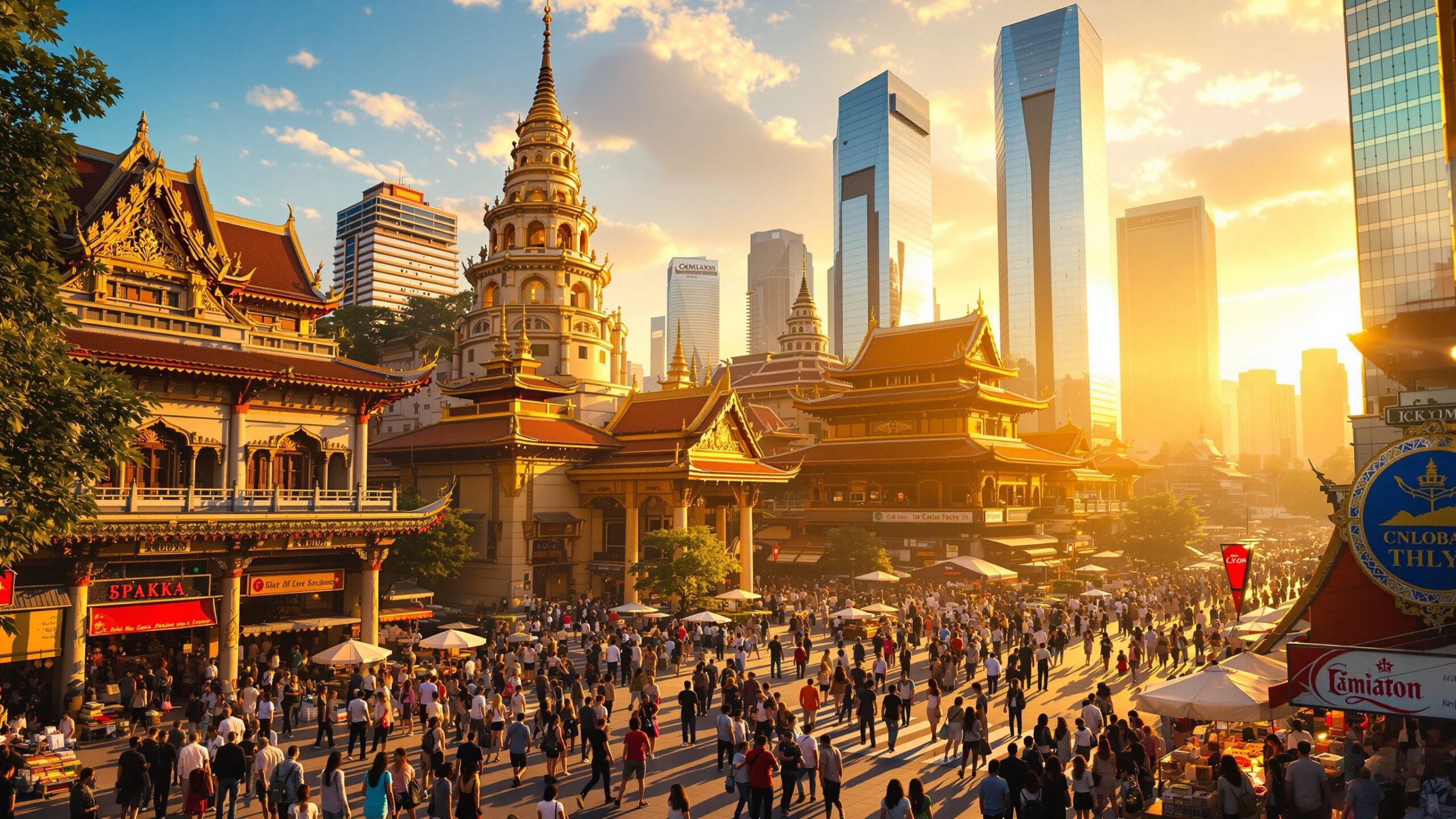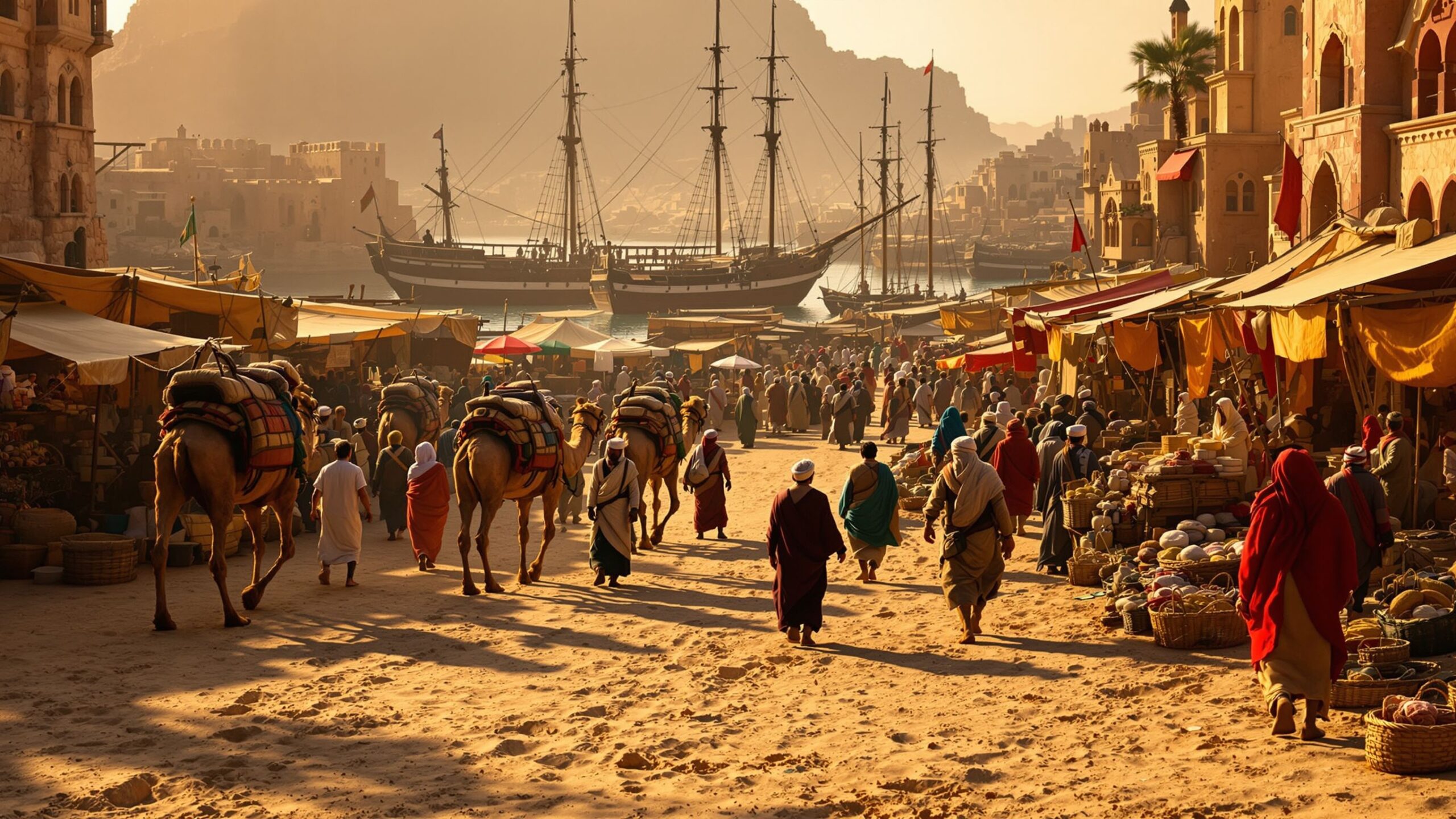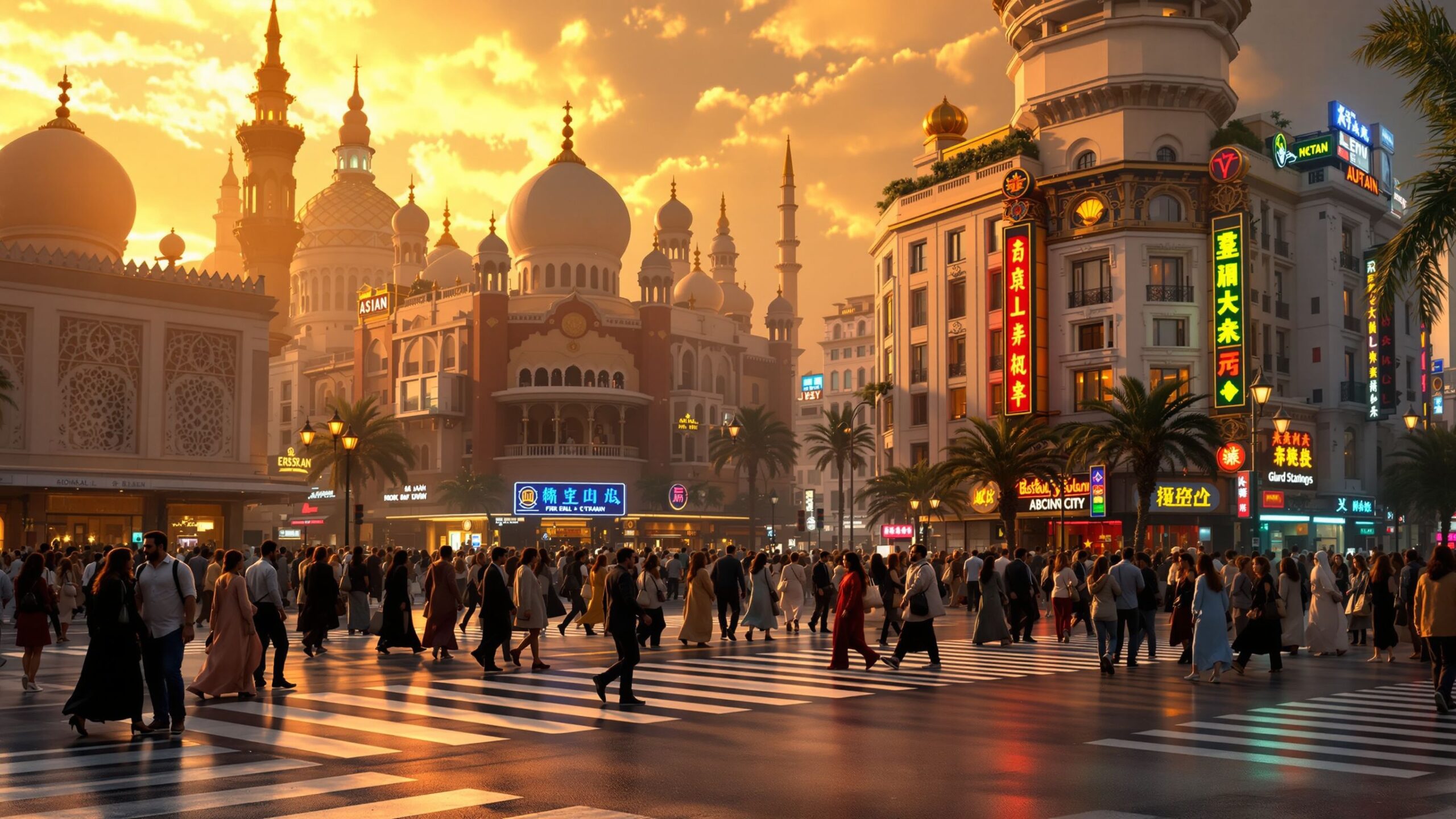
Across the globe, there are cities that feel like entire worlds condensed into a single place. These are cultural crossroads cities—destinations shaped by centuries of migration, trade, conquest, and creativity. In these places, languages overlap in the air, cuisines fuse into something entirely new, and traditions coexist in a constantly evolving balance. They are not just cities; they are living, breathing intersections of humanity. To walk through them is to experience history and modern life unfolding at the same time, where every street corner tells a story influenced by distant lands and diverse people.
A: It brings together different peoples, languages, foods, religions, trade routes, and historical influences.
A: Istanbul is one of the strongest examples because it physically and culturally connects both continents.
A: Yes, because they offer food, history, architecture, museums, and neighborhoods with lots of variety.
A: Explore markets, old districts, local restaurants, religious sites, museums, and public squares.
A: Singapore, New Orleans, Mexico City, Istanbul, and Kuala Lumpur are especially famous for food culture.
A: Istanbul, Marrakech, Sarajevo, Mexico City, and Tbilisi all have deeply layered histories.
A: New Orleans is legendary for jazz, live performance, festivals, and late-night energy.
A: Istanbul, Lisbon, Sarajevo, Hong Kong, and Marrakech offer powerful architectural contrasts.
A: Learn basic customs, dress appropriately at sacred sites, support local businesses, and ask before photographing people.
A: Stay curious, move slowly, taste widely, listen carefully, and let the city surprise you.
What Defines a Cultural Crossroads City
A cultural crossroads city is not defined simply by diversity, but by the depth of interaction between cultures over time. These cities often sit at geographic or economic intersections—ports, trade routes, or political hubs—where people from different backgrounds have met, exchanged ideas, and built communities together. The result is a unique blend of architecture, language, religion, art, and daily life.
In these places, you might find a mosque standing beside a cathedral, a street market selling both traditional and imported goods, or neighborhoods that feel like entirely different countries within a few blocks. What makes them fascinating is not just the coexistence of cultures, but how those cultures influence each other, creating something entirely new and dynamic.
Istanbul: Where Continents and Cultures Collide
Few cities embody the idea of a cultural crossroads as powerfully as Istanbul. Straddling both Europe and Asia, it has served as the capital of multiple empires, including the Byzantine and Ottoman Empires. Its skyline reflects this layered history, with grand mosques, ancient churches, and modern buildings coexisting in a striking visual harmony.
Walking through Istanbul, you move through centuries in moments. The call to prayer echoes alongside the hum of modern city life, while markets overflow with spices, textiles, and flavors that trace back to ancient trade routes. The city’s cuisine alone tells a story of cultural fusion, blending influences from the Middle East, Central Asia, and the Mediterranean. Istanbul is not just a meeting point of continents, but a living symbol of how cultures can merge while retaining their distinct identities.
New York City: A Modern Mosaic of the World
New York City represents a different kind of cultural crossroads—one shaped by immigration and modern globalization. For over a century, people from all over the world have arrived here, bringing their languages, traditions, and dreams. The result is a city where nearly every culture on Earth has a presence.
Neighborhoods like Chinatown, Little Italy, and Harlem showcase distinct cultural identities, yet they are all part of a larger, interconnected whole. The city’s energy comes from this diversity, where ideas are constantly exchanged and reinvented. From food to fashion to music, New York thrives on cultural blending, making it one of the most dynamic and influential cities in the world.
Dubai: Tradition Meets Global Ambition
Dubai is a modern crossroads city that has rapidly transformed into a global hub. Located at the intersection of Europe, Asia, and Africa, it has become a center for business, tourism, and innovation. While deeply rooted in Arab traditions, Dubai embraces international influences in a way that feels both futuristic and grounded.
Here, you can experience traditional souks alongside towering skyscrapers, and dine on cuisines from virtually every corner of the globe. The city’s population is incredibly diverse, with expatriates making up a large portion of its residents. This blend creates a unique cultural environment where global and local identities coexist, shaping a city that feels both ancient and cutting-edge.
Singapore: Harmony in Diversity
Singapore is often celebrated as one of the most successful examples of multicultural coexistence. Its population is a mix of Chinese, Malay, Indian, and other communities, each contributing to the nation’s identity. What makes Singapore remarkable is how these cultures are not just present, but actively integrated into everyday life.
Religious temples, mosques, and churches stand side by side, and festivals from different cultures are celebrated across the city. The food scene is a perfect reflection of this blend, with hawker centers offering dishes that combine flavors and techniques from multiple traditions. Singapore demonstrates how diversity, when embraced and managed thoughtfully, can become a powerful strength.
Barcelona: A Mediterranean Fusion of Identity
Barcelona’s identity is shaped by layers of cultural influence, from Roman roots to Catalan traditions and global artistic movements. Its architecture, especially the works of Antoni Gaudí, reflects a unique blend of historical inspiration and imaginative innovation.
The city’s location along the Mediterranean has made it a hub for trade and cultural exchange for centuries. Today, it continues to attract people from around the world, adding new influences to its already rich cultural fabric. Barcelona is a place where tradition and creativity meet, creating an atmosphere that feels both deeply rooted and constantly evolving.
Cape Town: A Crossroads of Continents and Histories
Cape Town’s cultural identity is shaped by its history as a key port along global trade routes. Influences from Africa, Europe, and Asia are deeply embedded in its culture, from its cuisine to its languages. The city’s neighborhoods reflect this diversity, each with its own unique character and history.
The blending of cultures in Cape Town is both beautiful and complex, shaped by a past that includes colonization and apartheid. Today, the city continues to evolve, with its cultural diversity serving as both a reminder of its history and a foundation for its future.
London: Layers of Empire and Immigration
London is one of the world’s oldest cultural crossroads cities, with a history that spans over two millennia. As the center of a vast empire, it became a gathering place for people from across the globe. This legacy continues today, with London’s population representing a wide range of cultures and backgrounds.
The city’s neighborhoods each tell a different story, from historic districts to vibrant immigrant communities. Museums, theaters, and markets showcase the diversity of influences that shape London’s identity. It is a city where history and modern life intersect, creating a cultural landscape that is both rich and constantly changing.
Mexico City: Ancient Roots, Modern Energy
Mexico City stands on the foundations of an ancient civilization, yet it pulses with modern energy. Its cultural identity is a blend of indigenous traditions and Spanish colonial influences, combined with contemporary global trends.
The city’s art, food, and architecture reflect this layered history, creating a vibrant and dynamic cultural scene. From ancient ruins to modern galleries, Mexico City offers a unique perspective on how cultures can evolve and coexist over time. It is a place where the past is always present, shaping the future in powerful ways.
Jerusalem: A Spiritual and Cultural Intersection
Jerusalem is one of the most historically and culturally significant cities in the world. It is a sacred place for multiple religions, including Judaism, Christianity, and Islam, making it a profound example of a cultural and spiritual crossroads.
The city’s history is complex and often contested, but its significance as a meeting point of cultures and beliefs is undeniable. Walking through Jerusalem, you encounter layers of history and meaning, where ancient traditions continue to shape modern life. It is a city that embodies both the challenges and the beauty of cultural intersection.
Toronto: Diversity as Identity
Toronto is often described as one of the most multicultural cities in the world, with more than half of its population born outside of Canada. This diversity is not just a statistic; it is a defining feature of the city’s identity.
Neighborhoods throughout Toronto reflect a wide range of cultures, each contributing to the city’s character. Festivals, cuisine, and everyday life all showcase the blending of traditions that make Toronto unique. It is a city that demonstrates how diversity can create a vibrant, inclusive, and dynamic environment.
Why Cultural Crossroads Cities Matter
Cultural crossroads cities are more than just fascinating places to visit; they are essential to understanding the world. They show how cultures interact, adapt, and evolve over time, offering insights into the complexities of human society.
These cities are often centers of innovation, creativity, and progress, driven by the exchange of ideas and perspectives. They challenge us to see beyond our own experiences and appreciate the richness of global diversity. In a world that can sometimes feel divided, cultural crossroads cities remind us of the power of connection and shared humanity.
The Living Story of Global Connection
The world’s most fascinating cultural crossroads cities are not static; they are constantly changing, shaped by new waves of people and ideas. Each generation adds its own layer to the story, creating a dynamic and ever-evolving cultural landscape.
To explore these cities is to witness the ongoing story of human connection. It is to see how differences can come together to create something extraordinary, where cultures do not just coexist, but enrich each other. These cities are a testament to the resilience, creativity, and diversity of humanity, offering a glimpse into what is possible when the world comes together.