Trade has always been one of the most powerful forces shaping human civilization. Long before modern transportation and digital communication, trade routes connected distant lands, allowing goods, ideas, and cultures to flow across continents. These routes were not just economic pathways; they were lifelines that influenced politics, religion, innovation, and the development of entire societies. Legendary trade routes stand as milestones in human history, marking the ways civilizations interacted and evolved. They transformed local economies into global networks and turned isolated regions into thriving cultural crossroads. From deserts to oceans, mountains to plains, these routes reveal the enduring human drive to explore, connect, and prosper.
A: The Silk Road is usually the most famous because it connected major civilizations across Asia, the Middle East, and Europe.
A: The Spice Routes had a huge impact by spreading pepper, cinnamon, cloves, nutmeg, ginger, and other flavors.
A: They spread religions, inventions, art, languages, medical knowledge, crops, stories, and political influence.
A: Silk, porcelain, paper, spices, horses, glassware, metals, textiles, and ideas moved through Silk Road networks.
A: Gold, salt, ivory, textiles, manuscripts, horses, and other goods moved across desert caravan networks.
A: Not always; merchants faced bandits, storms, deserts, mountains, taxes, wars, illness, and political instability.
A: Yes, many cities grew wealthy because they controlled crossroads, ports, markets, river crossings, or caravan stops.
A: Yes, travelers can still visit ancient roads, markets, caravanserais, ruins, ports, and heritage corridors.
A: A caravanserai was a roadside inn where merchants and animals could rest, trade, and find protection.
A: They connected continents, built wealth, spread ideas, fueled exploration, shaped empires, and changed daily life.
The Silk Road: The Backbone of Global Exchange
The Silk Road remains the most iconic trade route in history. Stretching from East Asia to Europe, it connected some of the world’s greatest civilizations for over a thousand years.
While silk was its most famous commodity, the route facilitated the exchange of spices, precious metals, textiles, and countless other goods. More importantly, it enabled the spread of ideas and innovations. Religions such as Buddhism and Islam traveled along these paths, while technologies like paper and gunpowder reshaped societies far beyond their origins.
The Silk Road was not a single road but a complex network of routes. Merchants navigated deserts, mountain passes, and bustling cities, forming connections that transcended borders. It laid the foundation for global trade as we know it today.
The Trans-Saharan Trade Routes: Wealth Across the Desert
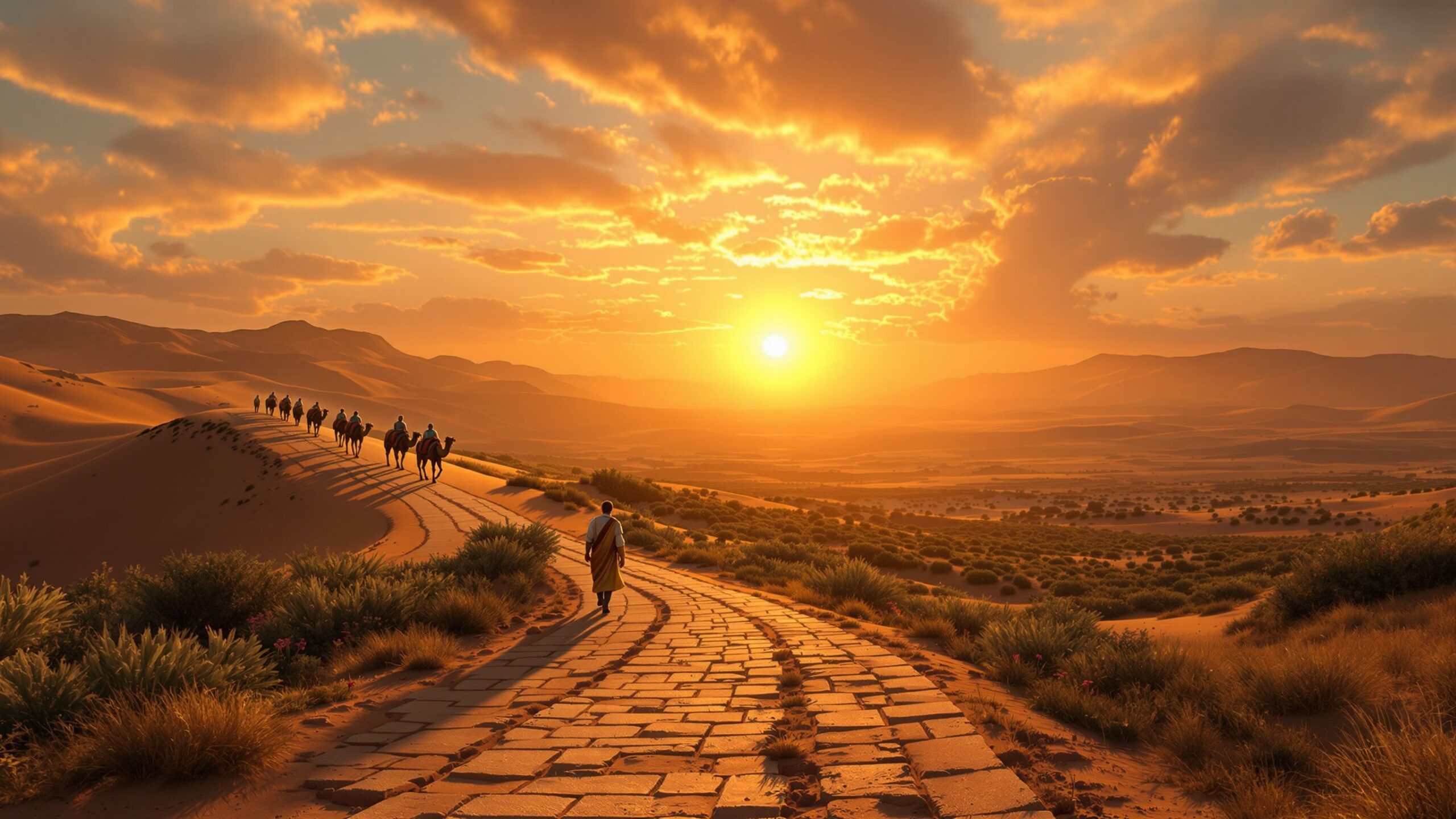
The Trans-Saharan Trade Routes connected North Africa with sub-Saharan kingdoms, creating one of the most important economic systems in African history.
These routes were crucial for the exchange of gold and salt, two resources that were essential to ancient economies. Gold from West Africa flowed north, while salt from the Sahara moved south, creating immense wealth for empires such as Mali and Ghana.
The journey across the desert was harsh and unforgiving. Traders relied on camel caravans to endure extreme heat and long distances between water sources. Despite these challenges, the routes flourished for centuries, turning cities like Timbuktu into centers of learning, culture, and commerce.
The Spice Routes: Flavors That Built Empires
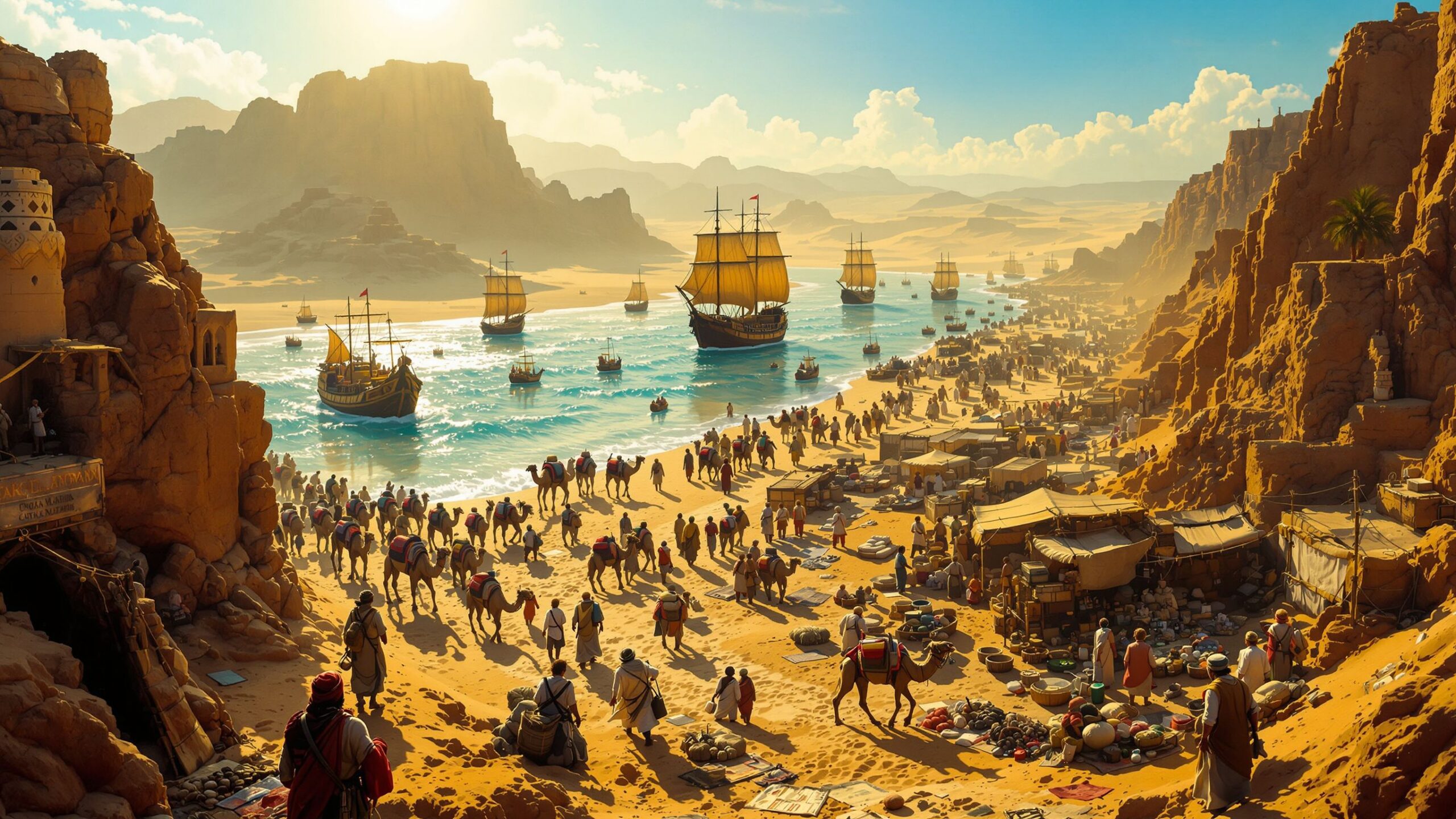
The Spice Route played a crucial role in shaping global exploration and empire-building. Stretching from Southeast Asia to Europe, these maritime and overland routes transported valuable spices such as pepper, cinnamon, cloves, and nutmeg.
Spices were highly prized not only for their flavor but also for their use in medicine and food preservation. Their value drove European powers to seek direct access to Asian markets, leading to the Age of Exploration.
The Spice Routes sparked competition among powerful nations, fueling voyages that would eventually connect the entire world. They reshaped global trade patterns and contributed to the rise of colonial empires.
The Amber Road: Europe’s Ancient Trade Link
The Amber Road connected the Baltic region with the Mediterranean, enabling the trade of amber, a precious material valued for its beauty and rarity.
This route linked northern and southern Europe, facilitating cultural exchange and economic growth. Amber was used in jewelry, religious artifacts, and decorative items, making it a sought-after commodity.
The Amber Road helped establish early trade networks across Europe and contributed to the development of key settlements. It demonstrates how even a single resource can influence widespread economic activity.
The Incense Route: Fragrance and Fortune
The Incense Route was a network of paths across the Arabian Peninsula used to transport valuable goods such as frankincense and myrrh.
These aromatic resins were highly prized in ancient civilizations for religious rituals, medicine, and luxury goods. They were traded from southern Arabia to the Mediterranean, generating immense wealth for the regions involved.
The Incense Route connected diverse cultures and played a key role in the development of early cities in the Middle East. It highlights the importance of specialized goods in driving long-distance trade.
The Tea Horse Road: Trade Through the Mountains
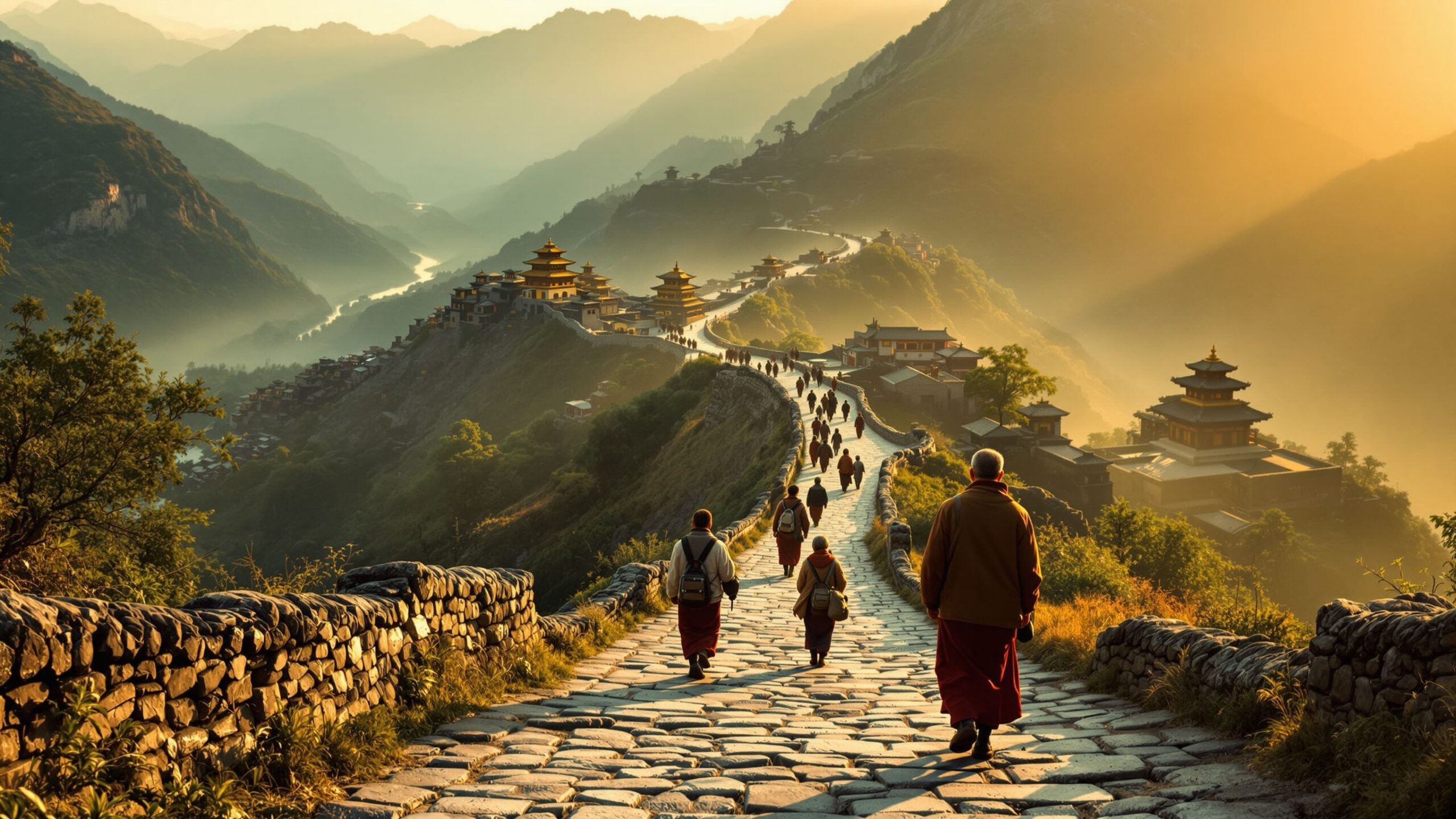
The Tea Horse Road connected China and Tibet through a network of rugged mountain paths. It was primarily used for trading tea for horses, both of which were essential to their respective regions.
The journey was incredibly difficult, with traders navigating steep cliffs and unpredictable weather. Despite these challenges, the route became a vital link between cultures, fostering economic and social exchange.
The Tea Horse Road demonstrates how trade can thrive even in the most challenging environments, driven by necessity and human determination.
The Viking Trade Routes: Northern Expansion and Exchange
The Viking Trade Routes connected Scandinavia with Europe, the Middle East, and beyond. Viking traders traveled by sea and river, exchanging goods such as furs, timber, and metals.
These routes extended as far as Byzantium and the Islamic world, showing the vast reach of Viking exploration. Trade played a significant role in Viking society, alongside their more widely known activities as warriors.
The Viking trade networks helped connect northern Europe to global markets, contributing to cultural exchange and economic development across regions.
The Grand Trunk Road: A Lifeline of South Asia
The Grand Trunk Road is one of the oldest and longest major roads in Asia, stretching across the Indian subcontinent.
Originally developed in ancient times and later expanded by empires, it connected regions from modern-day Bangladesh to Afghanistan. It served as a major trade and communication route, facilitating the movement of goods, people, and ideas.
The Grand Trunk Road played a key role in the economic and cultural integration of South Asia, supporting the growth of cities and the spread of innovation.
The Impact of Trade Routes on Civilization
Trade routes did more than move goods; they shaped the course of history. They enabled the spread of knowledge, from scientific discoveries to artistic traditions. They introduced new religions and philosophies to distant lands, influencing belief systems and cultures.
Economic growth along these routes led to the rise of powerful cities and empires. Trade networks created wealth, encouraged innovation, and fostered cooperation between diverse societies.
At the same time, these routes also brought challenges, including conflict and competition. The desire to control valuable trade paths often led to wars and exploration, reshaping political landscapes across the world.
The Legacy of Legendary Trade Routes
The legacy of historic trade routes is still visible today. Modern trade systems, global markets, and cultural exchanges all trace their roots back to these ancient pathways.
Travelers and historians continue to explore these routes, uncovering stories of resilience, ambition, and connection. They remind us that the world has always been interconnected, long before modern technology made it seem so.
These legendary routes stand as a testament to humanity’s enduring desire to connect, trade, and grow. They shaped the foundations of the modern world and continue to inspire those who seek to understand the journey of civilization itself.