Travel has always been more than movement from one place to another. It represents ambition, survival, curiosity, and connection. Across centuries, certain routes have become legendary pathways that shaped civilizations, fueled economies, and inspired countless journeys. These historic travel routes are not just lines on a map—they are living narratives that connect the past to the present, revealing how humanity has explored, traded, and evolved. From ancient trade networks that spanned continents to pilgrimage roads walked by millions, these iconic routes offer a glimpse into the cultural and historical forces that shaped our world. Today, they remain powerful symbols of exploration, inviting modern travelers to follow in the footsteps of merchants, pilgrims, conquerors, and dreamers.
A: The Silk Road is often considered the most famous because it connected major civilizations across Asia, the Middle East, and Europe.
A: Yes, many can be explored through heritage trails, scenic roads, train routes, walking paths, and guided tours.
A: Route 66, the Camino de Santiago, and the Great Ocean Road are popular because they offer strong travel infrastructure.
A: The Camino de Santiago and the Inca Trail are two of the most famous walking-focused historic routes.
A: The Silk Road, Via Appia, King’s Highway, Nile routes, and Inca Trail are excellent choices.
A: They moved goods, but they also spread religions, technologies, languages, foods, art, and ideas.
A: Often yes; travelers faced weather, bandits, disease, deserts, mountains, political borders, and long distances.
A: Check visas, seasons, safety, trail permits, local customs, transportation, and protected heritage rules.
A: Route 66, the Pan-American Highway, and the Great Ocean Road are legendary road-trip choices.
A: They show how people, places, and cultures became connected long before the modern travel world existed.
The Silk Road: The Artery of Ancient Civilization
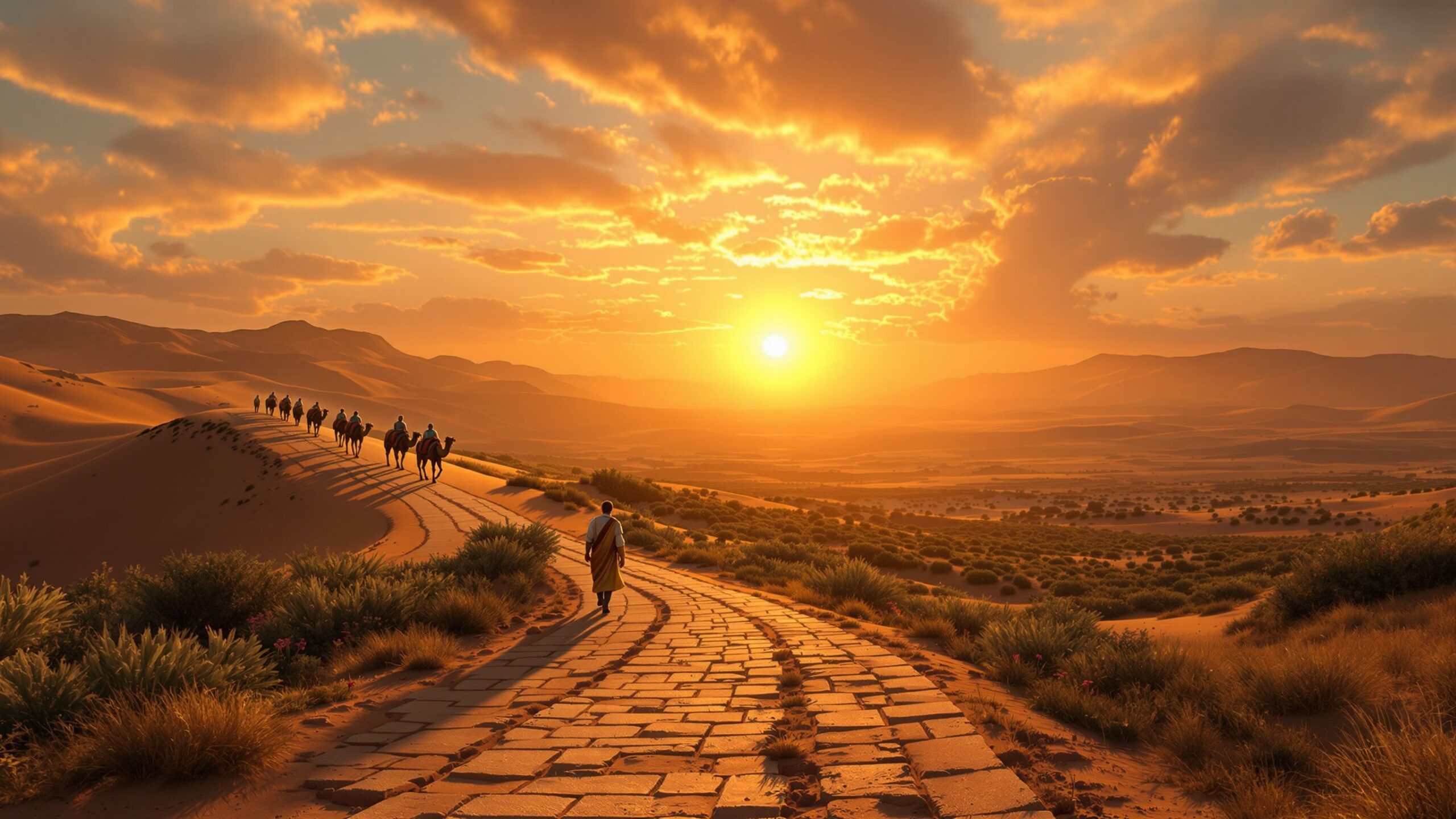
Few travel routes have captured the imagination quite like the Silk Road. Stretching thousands of miles from China to the Mediterranean, this vast network of interconnected paths linked East and West for over a thousand years.
The Silk Road was named after the highly valuable silk that moved westward from China, but it carried far more than goods. Along this route, ideas, religions, technologies, and artistic influences spread across continents. Buddhism traveled into East Asia, paper-making techniques reached Europe, and cultures blended in ways that reshaped entire societies.
Traveling along the Silk Road was extremely difficult. Merchants faced harsh deserts, towering mountain ranges, unpredictable climates, and the constant threat of theft. Despite these challenges, the promise of wealth and discovery drove people forward. Its impact remains one of the most significant in world history, influencing trade and cultural exchange on a global scale.
The Camino de Santiago: A Journey of Faith and Reflection
The Camino de Santiago is one of the most enduring pilgrimage routes in human history. Leading to the cathedral in Santiago de Compostela, this journey has drawn travelers for more than a thousand years.
Originally rooted in religious devotion, the Camino was believed to guide pilgrims to the resting place of Saint James. People from across Europe walked for weeks or even months, seeking forgiveness, healing, or spiritual clarity. The journey itself became a transformative experience, built on perseverance and reflection.
In modern times, the Camino has evolved into a broader experience. While many still walk for spiritual reasons, others are drawn to its simplicity, its challenge, or its opportunity for personal growth. The route encourages travelers to slow down, connect with others, and reflect on their own path in life.
The Appian Way: Rome’s Road to Power
The Appian Way stands as one of the greatest achievements of ancient engineering. Built in 312 BCE, it connected Rome to southern Italy and became a critical artery for military and economic expansion.
Often referred to as the “Queen of Roads,” the Appian Way allowed Roman armies to move quickly and efficiently, strengthening the empire’s control over distant territories. Its construction, using carefully layered stone, ensured durability that has lasted for over two thousand years.
The road also facilitated trade and communication, helping unify the vast Roman world. Its influence extended far beyond transportation, shaping the political and cultural reach of Rome. Even today, it serves as a powerful reminder of how infrastructure can drive the growth of civilizations.
The Inca Trail: A Path Through the Andes
The Inca Trail offers one of the most awe-inspiring journeys in the world. Winding through the Andes Mountains, it leads to Machu Picchu, one of the most remarkable archaeological sites ever discovered.
The trail was part of a much larger network built by the Inca Empire, connecting cities, villages, and remote regions across rugged terrain. It allowed for communication and trade across vast distances, demonstrating the ingenuity of a civilization that thrived in extreme environments.
Walking the Inca Trail today reveals the brilliance of Incan engineering. Stone pathways, terraces, and hidden ruins blend seamlessly into the landscape. The journey challenges the body while inspiring the mind, offering a powerful connection to the past.
The Trans-Saharan Trade Routes: Crossing the Desert of Time
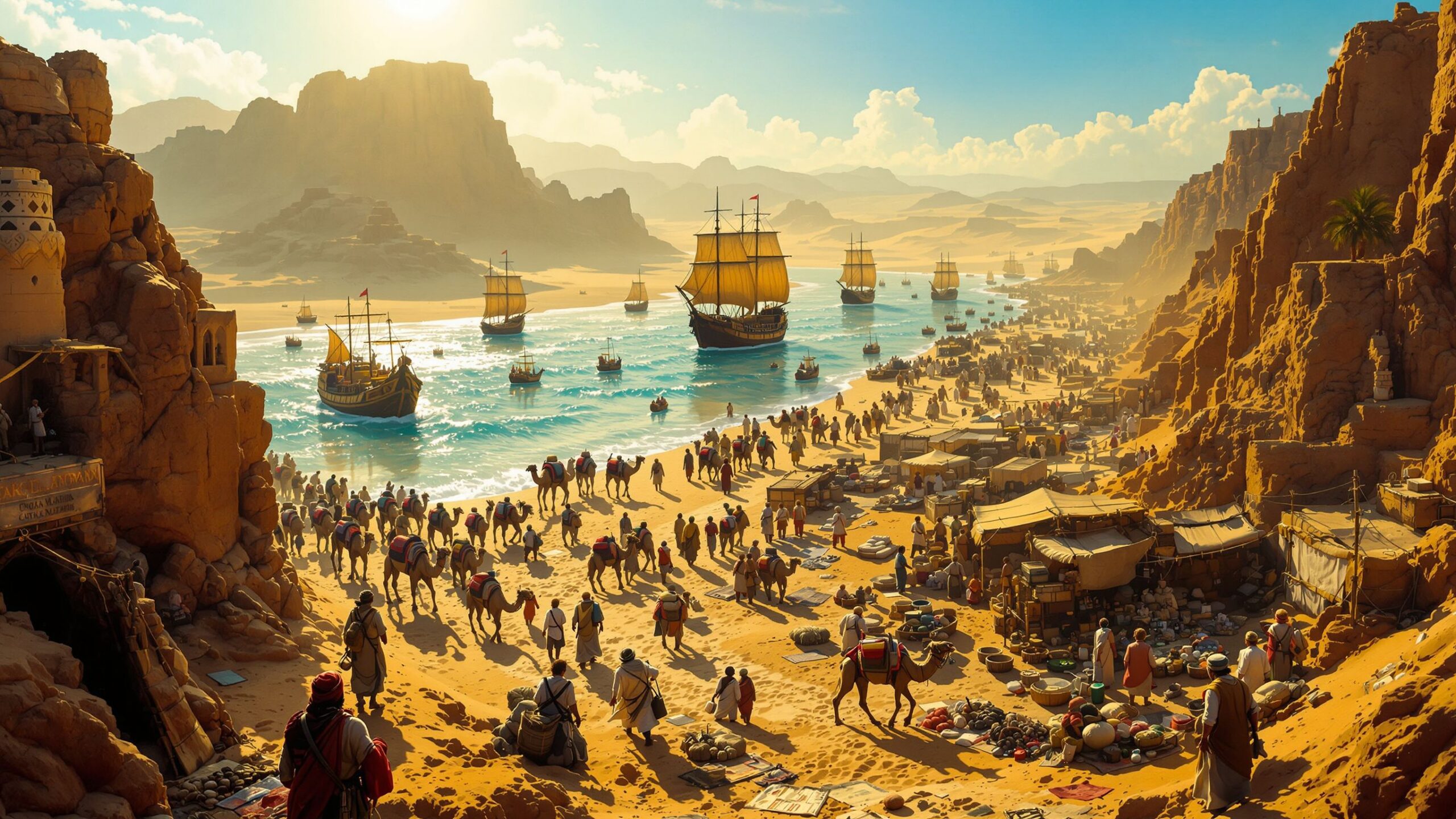
The Trans-Saharan Trade Routes formed one of the most important economic networks in African history. Stretching across the Sahara Desert, these routes connected North Africa with sub-Saharan regions.
They facilitated the exchange of gold, salt, and other valuable resources, helping powerful empires rise and flourish. Cities such as Timbuktu became thriving centers of trade, culture, and knowledge.
The journey across the Sahara was incredibly demanding. Traders relied on camel caravans to endure the harsh conditions, navigating extreme heat and vast, unforgiving landscapes. Despite these challenges, the routes remained active for centuries, showcasing human resilience and determination.
The Oregon Trail: America’s Path to the West
The Oregon Trail represents one of the most defining movements in American history. During the 1800s, thousands of settlers traveled westward in search of land and opportunity.
The journey covered more than 2,000 miles and was filled with danger. Travelers faced illness, harsh weather, limited supplies, and difficult terrain. Many did not survive the trip, yet the promise of a better future pushed them forward.
The Oregon Trail played a key role in shaping the expansion of the United States. It stands as a symbol of courage, ambition, and the enduring human desire to explore new frontiers.
The Amber Road: Europe’s Golden Path
The Amber Road connected the Baltic Sea to the Mediterranean, serving as a major trade route for amber. This fossilized resin was highly prized in ancient times for its beauty and rarity.
The Amber Road allowed cultures across Europe to interact and exchange goods, ideas, and traditions. It helped establish early trade networks and contributed to the growth of settlements along its path.
Though it may not be as widely known as other routes, its influence on European development was significant. It demonstrates how even specialized trade can shape entire regions.
The Tea Horse Road: A Rugged Exchange of Cultures
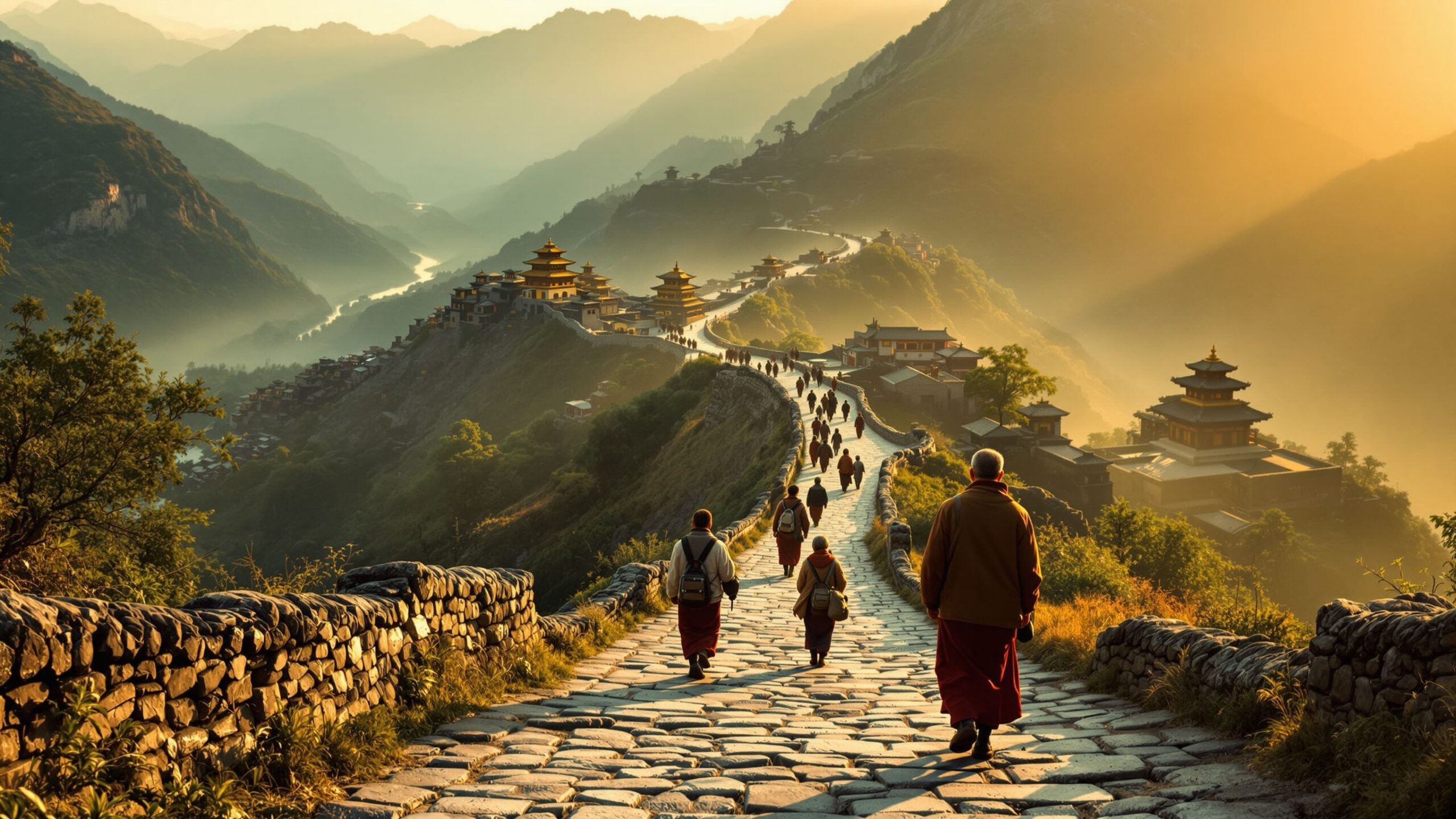
The Tea Horse Road was a challenging network of mountain paths connecting China and Tibet. It played a vital role in trading tea for horses, both of which were essential resources.
The route passed through steep, dangerous terrain, requiring traders to rely on animals and careful navigation. Despite the risks, it became a vital link between different cultures and economies.
This route highlights how trade fosters connection, even in the most difficult environments. It created lasting cultural exchanges that continue to influence the region today.
The Importance of Historic Travel Routes in Modern Times
Historic travel routes continue to hold immense value in today’s world. They offer insight into how civilizations developed and how cultures connected long before modern transportation existed.
Travelers are increasingly drawn to these routes, seeking meaningful experiences that go beyond traditional tourism. Walking these paths allows people to engage directly with history, creating a deeper understanding of the past.
These routes also support cultural preservation and sustainable travel. By maintaining and exploring them, we ensure that their stories remain alive for future generations.
Following the Footsteps of History
There is something powerful about traveling a path that has been walked for centuries. Each step becomes part of a larger story, connecting individuals to the experiences of those who came before.
Historic travel routes remind us that exploration is not just about reaching new destinations, but about understanding our shared history. They invite us to slow down, reflect, and appreciate the journey itself.
In a fast-moving world, these timeless paths stand as enduring symbols of resilience, curiosity, and connection—encouraging us to follow in the footsteps of history and create our own stories along the way.