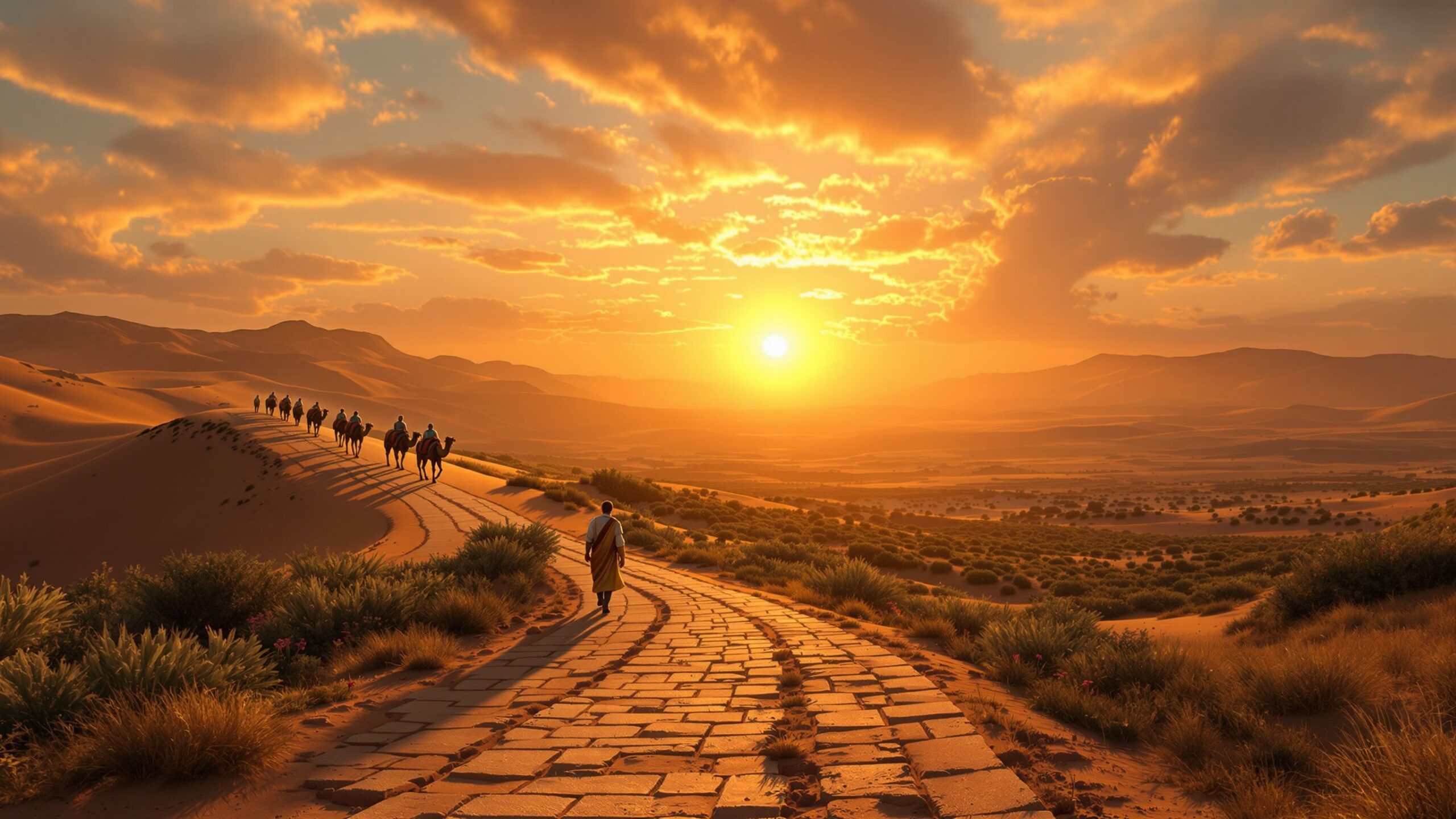
Travel is at its most powerful when it connects us to the stories of the past. Heritage routes offer a unique kind of journey—one that goes beyond sightseeing and into the heart of culture, history, and identity. These routes are carefully preserved pathways that reflect the traditions, struggles, and achievements of generations before us. Across the world, heritage routes wind through mountains, cities, deserts, and coastlines, each telling a story shaped by time. They invite travelers to slow down, engage deeply with their surroundings, and experience the living legacy of civilizations. From spiritual pilgrimages to cultural corridors, these journeys provide unforgettable experiences that stay with travelers long after the journey ends.
A: A heritage route is a travel path that highlights historical, cultural, or natural significance.
A: Yes, many routes offer different experiences, from walking trails to road trips and train journeys.
A: The Camino de Santiago and the Inca Trail are among the most famous walking routes.
A: Essentials include proper footwear, weather-appropriate clothing, maps, and travel documents.
A: Most are safe with proper planning, though some require preparation due to terrain or remoteness.
A: It varies widely—from a few days to several weeks depending on the route and travel style.
A: Yes, many travelers go independently, though guided tours are also available.
A: They preserve history, culture, and traditions while supporting local communities.
A: Some routes, like the Inca Trail, require permits and advance booking.
A: The combination of history, scenery, culture, and personal experience makes them truly unique.
The Camino de Santiago: Europe’s Timeless Pilgrimage
The Camino de Santiago stands as one of the most iconic heritage routes in the world. For over a thousand years, pilgrims have walked across Spain toward Santiago de Compostela, following a path rooted in faith and tradition.
What makes the Camino extraordinary is its ability to evolve with time while preserving its essence. Medieval churches, stone villages, and ancient pathways remain intact, offering a glimpse into Europe’s spiritual history. Yet the route is alive with modern travelers seeking reflection, adventure, and connection.
Walking the Camino is not just about reaching a destination. It is about embracing simplicity, forming bonds with fellow travelers, and experiencing a deep sense of purpose along the way.
The Inca Trail: A Sacred Path Through History
The Inca Trail is one of the most remarkable heritage routes in the world, blending natural beauty with ancient history. This trail leads through the Andes Mountains to Machu Picchu, a symbol of the Inca Empire’s ingenuity.
Along the way, travelers encounter stone pathways, terraces, and hidden ruins that have stood for centuries. The route reflects the advanced engineering and spiritual beliefs of the Inca civilization, offering a deeply immersive experience.
The Inca Trail is both physically demanding and emotionally rewarding. It challenges travelers while offering breathtaking landscapes and a profound connection to one of the world’s greatest ancient cultures.
The Great Wall Route: China’s Living Legacy
The Great Wall hiking routes offers a unique opportunity to explore one of the most famous structures in human history. Stretching thousands of miles across northern China, the Great Wall is more than a defensive structure—it is a cultural symbol of endurance and unity.
Sections of the wall have been transformed into heritage routes, allowing travelers to walk along ancient stones that have witnessed centuries of history. These paths reveal the strategic importance of the wall while showcasing the landscapes that surround it.
Traveling along the Great Wall provides insight into China’s past while offering stunning views and a sense of awe at the scale of human achievement.
The Route of Santiago del Norte: Coastal Heritage and Culture
The Camino del Norte runs along Spain’s northern coastline, offering a scenic alternative to the traditional Camino. This route combines breathtaking ocean views with rich cultural heritage.
Travelers pass through fishing villages, historic towns, and cultural landmarks that reflect the region’s maritime traditions. The blend of natural beauty and historical depth creates a unique experience that highlights the diversity of Spain’s heritage.
This route demonstrates how heritage journeys can evolve, offering new perspectives while preserving their historical roots.
The Silk Road Heritage Corridors: A Cultural Tapestry
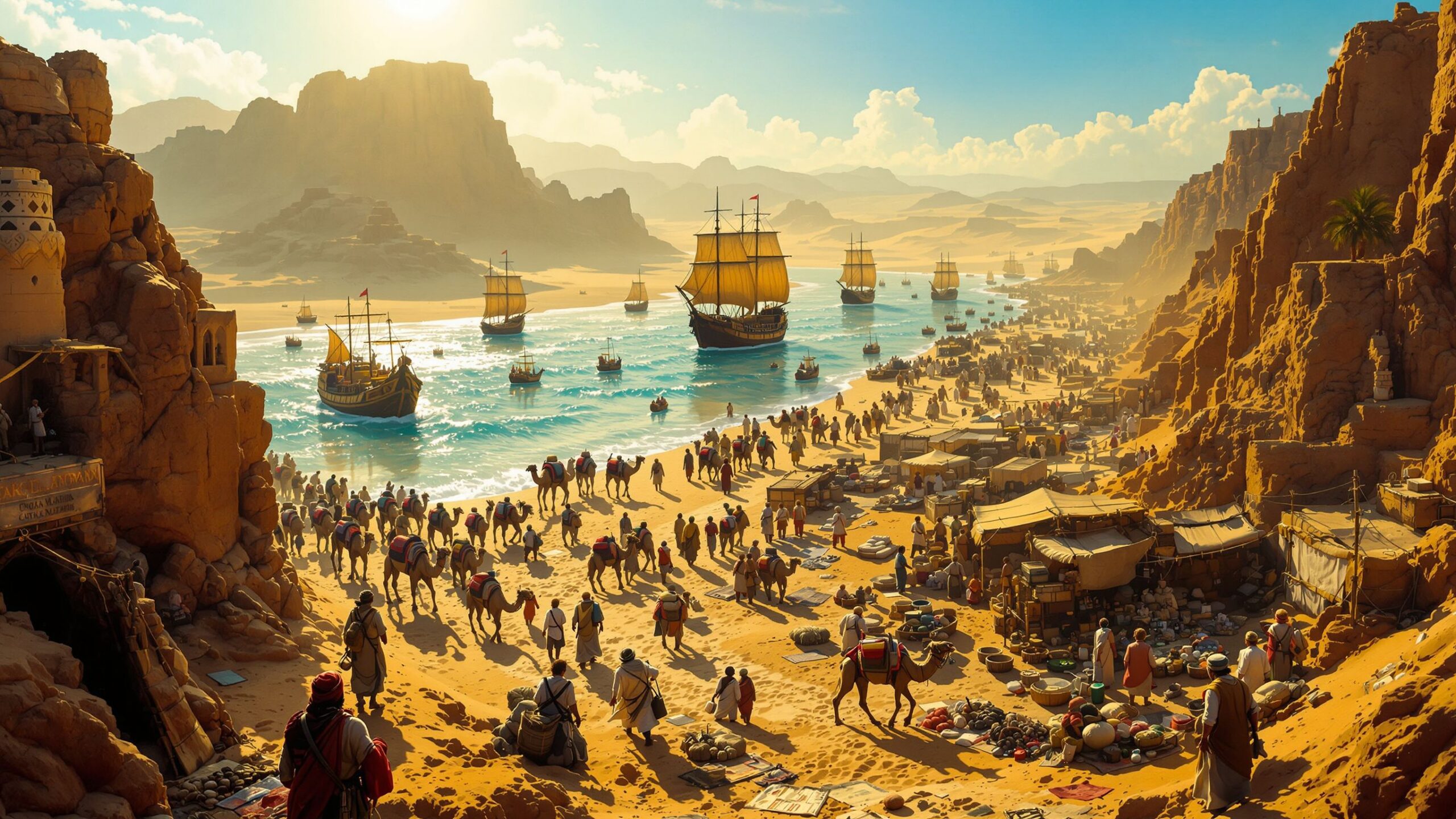
The Silk Road is not only a trade route but also one of the world’s most significant heritage corridors. Today, it represents a network of cultural routes that connect countries across Asia and Europe.
Travelers can explore ancient cities, markets, and monuments that reflect centuries of exchange. The route showcases a blend of cultures, religions, and traditions that have shaped the regions it connects.
Walking or traveling along parts of the Silk Road offers a journey through time, revealing the interconnectedness of civilizations and the enduring impact of cultural exchange.
The Kumano Kodo: Japan’s Spiritual Pathways
The Kumano Kodo is a network of ancient pilgrimage routes in Japan that lead to sacred shrines in the Kumano region. These paths have been used for over a thousand years by emperors, monks, and pilgrims.
The routes pass through dense forests, mountain landscapes, and quiet villages, creating a serene and spiritual atmosphere. Travelers experience a sense of tranquility and connection with nature, reflecting the spiritual traditions of Japan.
The Kumano Kodo is unique in that it is twinned with the Camino de Santiago, highlighting the universal appeal of pilgrimage routes across cultures.
The Freedom Trail: America’s Revolutionary Path
The Freedom Trail in Boston offers a different kind of heritage experience. This urban route connects key sites related to the American Revolution, providing insight into the nation’s founding history.
Walking the Freedom Trail allows travelers to explore historic buildings, meeting houses, and landmarks that played a role in shaping the United States. It is a journey through history that brings the past to life in a modern city setting.
This route demonstrates that heritage travel is not limited to remote landscapes. It can also thrive in vibrant urban environments where history and daily life intersect.
The Importance of Heritage Routes in Modern Travel
Heritage routes play a vital role in preserving cultural identity and promoting sustainable tourism. They encourage travelers to engage with local communities, support traditional practices, and respect historical sites.
These routes offer a deeper form of travel, one that prioritizes understanding over consumption. They invite travelers to learn, reflect, and connect with the places they visit.
As global travel continues to grow, heritage routes provide a meaningful alternative to mass tourism. They focus on authenticity, storytelling, and cultural preservation, ensuring that history remains a living part of the travel experience.
A Journey Worth Taking
The most incredible heritage routes are not defined solely by their destinations but by the experiences they offer along the way. They invite travelers to step into history, walk alongside centuries of stories, and discover the richness of human culture.
Each route offers something unique, whether it is spiritual reflection, cultural immersion, or historical discovery. Together, they represent the diversity of the human experience and the shared desire to explore and connect.
For travelers seeking something truly unforgettable, these heritage routes provide journeys that go beyond the ordinary. They are paths that inspire, educate, and transform—offering memories that last a lifetime.