Beauty Lives at Every Forest Level
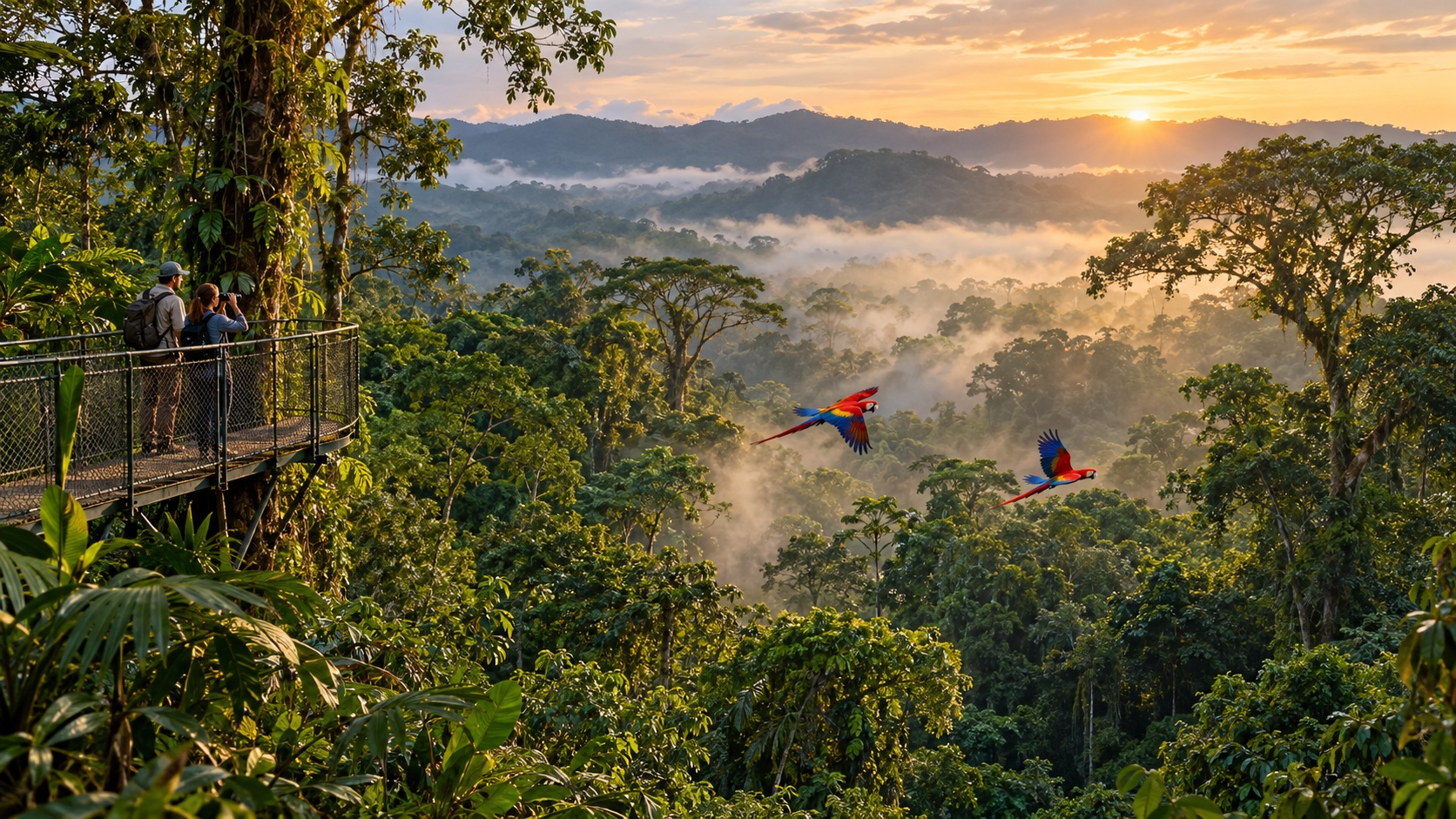
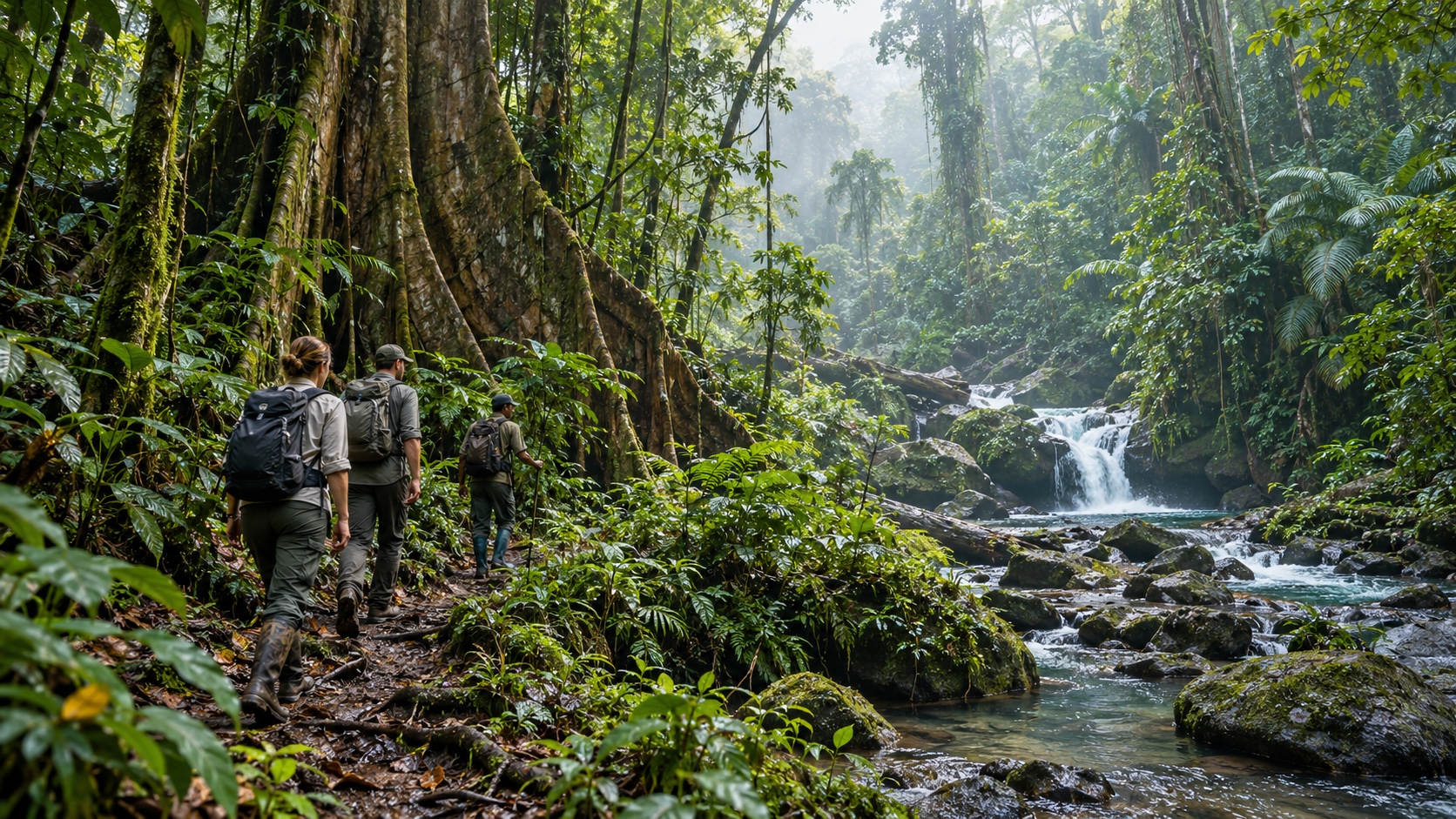
A forest view is built vertically: soil and fungi recycle life below, roots and fallen wood shape the floor, understory plants occupy filtered light, trunks record disturbance, and the canopy controls moisture and temperature. Ancient trees may command attention, yet a healthy forest depends on far more than its tallest individuals. Visitors experience that complexity best by moving slowly on established trails, limiting noise, and accepting rain, insects, mud, or mist as part of the ecosystem. Choose routes that fit current conditions, clean footwear where biosecurity is required, and use guides when wildlife or cultural protocols demand them. The forests below are beautiful because they remain living communities, not outdoor cathedrals arranged for photographs.
A: Many ancient forests have long histories of human use and stewardship.
A: They concentrate traffic and protect roots wetlands and fragile soil.
A: Follow local rules because repeated contact can damage bark and roots.
A: Light rain may enrich the experience but storms and floods require caution.
A: Use patient observation and qualified guides without baiting or playback.
A: Collection may be illegal and identification errors can be dangerous.
A: Soil can transport seeds spores and pathogens between forests.
A: Protected areas often restrict them for safety privacy and wildlife.
A: Age continuity structure and ecological processes all matter.
A: Several quiet hours often reveal more than a rushed scenic stop.
Yakushima, Japan
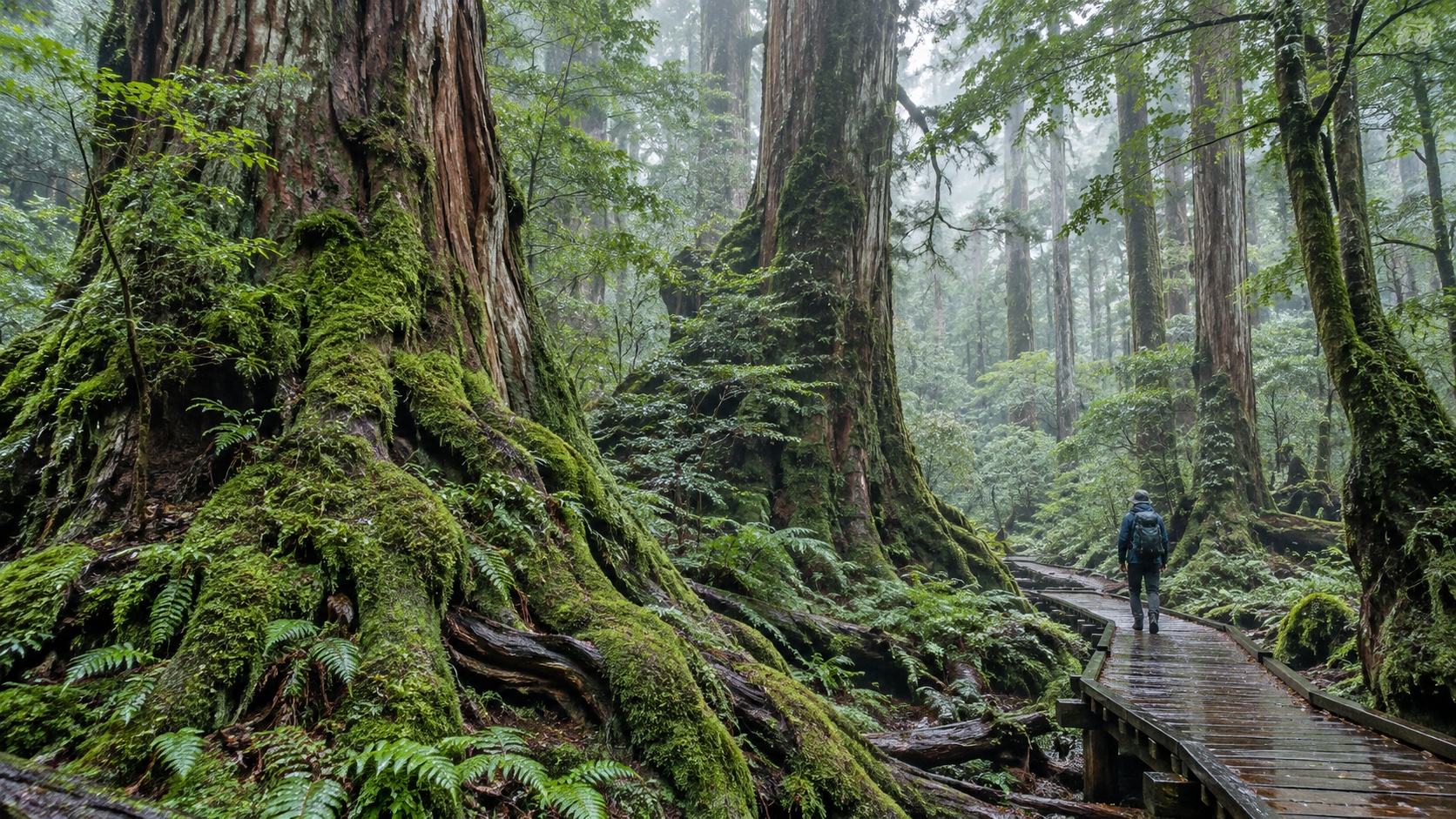
Yakushima’s mountainous island landscape rises from subtropical coast toward cool high forest, with extraordinary rainfall supporting moss, ferns, streams, and ancient sugi cedars. Popular routes range from approachable moss forest walks to long mountain days. Check transport, weather, trail time, and current restrictions rather than assuming every famous tree is an easy visit. Boardwalks and defined paths protect roots in saturated soil. Rain is likely, but typhoons, swollen rivers, or wind require postponement. Carry proper layers and begin long routes early. Local guides can explain vertical vegetation zones, logging history, deer impacts, and conservation. Do not touch or climb ancient trees. Staying on the island spreads spending beyond a hurried day trip.
Redwood Forests, California
Coast redwoods create immense vertical spaces along fog-influenced northern California, where giant trunks coexist with fern valleys, streams, beaches, and prairies. National and state parks share management, so permits, parking, and trail rules differ. Use designated lots and shuttle systems, and keep every step off root zones. Fog, falling limbs, winter storms, and creek crossings can affect access.
The tallest-tree locations are not public trophies; avoid seeking unofficial coordinates. Keep group size appropriate to narrow paths and wildlife sensitivity. Large groups amplify noise, block boardwalks, and encourage people to step aside onto roots. Split into guided units when possible and let faster walkers pass at durable places.
Courteous movement is a practical conservation tool: it protects soil while allowing every visitor time to observe. A shorter loop walked quietly can reveal fire scars, nurse logs, sorrel, and canopy light better than a rushed list. Support gateway towns and learn how protected groves connect with working forests and Tribal homelands.
Białowieża Forest, Poland and Belarus
Białowieża preserves an exceptional remnant of European lowland forest, with old trees, dead wood, wetlands, fungi, birds, and European bison. Political borders divide the wider ecosystem, and current travel guidance determines which areas are appropriate or possible to visit. On the Polish side, access to strictly protected zones may require an authorized guide. Follow every closure and keep distance from bison. The forest’s value lies in ecological processes, including decay and disturbance, not tidiness. Use official visitor centers and routes, never cross restricted border areas, and avoid reducing a complex conservation debate to a wildlife photo opportunity.
Black Forest, Germany
Germany’s Black Forest combines wooded ridges, deep valleys, farms, lakes, villages, and an extensive walking and rail network. It is a cultural landscape rather than untouched wilderness. Well-marked trails make car-light itineraries practical, but forestry operations, storms, snow, and seasonal closures still affect routes. Choose one valley or rail corridor and walk several connected stages. Stay out of logging areas, keep dogs controlled, and respect private meadows. Local museums and food traditions add context beyond a romantic tree canopy.
Elevated viewpoints can be crowded, while quieter paths near a village often show how forest, pasture, water, and settlement fit together. Season also changes what beauty means. Spring may bring flowers and nesting closures, summer can increase insects and fire risk, autumn alters canopy color and daylight, while winter reveals trunks but adds ice or avalanche exposure. Check the specific forest rather than assuming a universal best month. Quieter periods can distribute tourism, but only when trails and community services are open.
Monteverde Cloud Forest, Costa Rica
Monteverde’s high-elevation cloud forest gathers moisture from moving air, supporting epiphytes, mosses, tree ferns, orchids, birds, and layered canopy. Reserve systems have separate entrances, rules, and capacities, so book directly and choose a route matched to time and mobility.
Weather can be wet, windy, and cool. Stay on trails and use handrails carefully on slick surfaces. A certified naturalist can identify subtle wildlife without playback or bait.
Sightings are never guaranteed, and a quiet walk focused on plants, mist, and sound remains worthwhile. Stay locally, reduce unnecessary driving, and avoid captive-animal attractions that imply contact is conservation.
Daintree Rainforest, Australia
In Queensland’s Wet Tropics, ancient rainforest meets rivers, mangroves, and the Great Barrier Reef coastline. The Daintree region lies on Eastern Kuku Yalanji Country, and Indigenous-led experiences provide essential cultural context. Boardwalks and signed trails offer safer access, while tropical heat, heavy rain, flooding, stinging trees, crocodile habitat, and seasonal marine hazards require attention. Swim only where explicitly designated and follow every warning sign. Drive slowly for wildlife, keep vehicles off beaches where prohibited, and check ferry or road status. A multi-night stay allows guided forest walks and local businesses to benefit without turning the area into a fast scenic drive.
Bwindi Impenetrable Forest, Uganda
Bwindi’s steep, biodiverse montane forest is renowned for mountain gorillas, but a visit is a regulated conservation activity, not guaranteed entertainment. Permits, assigned groups, health rules, minimum distances, guide instructions, and time limits protect gorillas and visitors.
Terrain can be muddy and strenuous. Porters, proper footwear, rain gear, and honest fitness assessment support a safer trek. Never conceal illness, imitate animals, or move closer for a photograph.
Community-led walks and locally owned lodging can broaden benefits. The forest also holds birds, plants, insects, and cultural history that deserve attention whether or not a gorilla is clearly seen.
Great Bear Rainforest, Canada
British Columbia’s coastal Great Bear Rainforest includes temperate rainforest, islands, fjords, salmon streams, and the territories of many First Nations. Access commonly involves boats, remote lodges, and community protocols. Choose Indigenous-owned or genuinely partnered operators with clear wildlife standards. Bears must never be baited or crowded; guides decide viewing positions and retreat.
Rain, tides, cold water, and marine transfers shape every itinerary. Pack for wet conditions and accept weather cancellations. The rare white Kermode bear should never be treated as a promised sighting. Learning how salmon connect ocean, forest, bears, and people gives the landscape far greater meaning than a single encounter.
Hallerbos, Belgium
Hallerbos becomes famous when bluebells flower beneath beech trees, but bloom timing changes with weather and heavy visitation can damage bulbs and compact soil. Trains, buses, cycling, and managed parking may reduce congestion depending on current arrangements. Stay on designated paths, never step into flowers, and avoid posing where vegetation is closed. Early light is attractive, yet residents and wildlife still deserve quiet. The forest remains worth visiting outside bloom season, when beech structure, autumn color, and ordinary woodland processes receive more attention. Check official updates rather than relying on predicted social-media dates, and let a missed peak remain part of natural variability.
Arashiyama Bamboo Groves, Japan
The famous bamboo path in Kyoto’s Arashiyama district is a managed cultural landscape within a busy neighborhood, not a remote forest. Its vertical green stems and filtered light are striking, but narrow access becomes intensely crowded. Arrive by public transport, walk quietly, keep entrances and roads clear, and never enter fenced groves.
Bamboo is only one part of the area; temples, gardens, river scenery, and less congested walking routes can create a fuller day. Respect opening hours and residential lanes. Photograph without blocking others or staging risky poses. A longer stay in Kyoto makes it easier to choose a calm hour rather than adding pressure to a brief tour stop.
Fiordland Forests, New Zealand
Fiordland’s temperate rainforest clings to steep mountains around deep fiords, waterfalls, lakes, and famously changeable weather. Moss, beech, ferns, and saturated ground create luminous scenery, while heavy rain can raise rivers and trigger slips quickly. Great Walks require bookings and preparation; shorter tracks still need suitable clothing and current conditions. Clean footwear and equipment according to biosecurity guidance, remain on tracks, and never underestimate cold water. Boat journeys reveal forest meeting rock and sea, but operators should follow wildlife distances. Treat rain as part of Fiordland while respecting every closure. Te reo Māori place names and Ngāi Tahu perspectives add necessary depth.
Walk Slowly and Leave the Forest Whole
Select a forest by climate and access, not only by its signature tree or animal. Check trail conditions, daylight, required permits, biosecurity, and the experience level demanded by mud, altitude, river crossings, or wildlife. Move quietly and keep to constructed surfaces. Fallen wood, fungi, leaf litter, and dead trees are habitat, not clutter or souvenirs. Finally, connect the visit to stewardship. Hire local or Indigenous guides, pay fees, stay in gateway communities, and support credible habitat protection. Share responsible routes instead of secret coordinates. A forest’s beauty grows from relationships across centuries; the least visitors can do is leave those relationships intact. Plan with the forest’s rhythm rather than a rigid photo schedule. Rain can close a river crossing, wind can drop limbs, fire danger can shut a trail, and snow can make a moderate route technical. Check the managing agency shortly before departure and again at the trailhead.
A closure protects visitors, staff, and habitat; it is not an invitation to find an unsigned entrance. Keep a lower-risk route, visitor center, or community museum as a useful alternative. Choose equipment that prevents small problems from becoming rescue situations. Wet roots and boardwalks demand grip, humidity can chill after activity, and canopy shade brings darkness earlier than an open forecast suggests. Carry a headlamp, simple navigation, water, and insulating layers even on a popular trail. In bear, snake, tick, or leech country, follow location-specific guidance instead of applying advice learned elsewhere. Never let fear justify harming wildlife. Listen as deliberately as you look. Wind in separate canopy layers, running water, insects, birds, and falling seeds reveal structure beyond the visual scene. A guide can distinguish alarm calls from ordinary activity and identify when a group should stop or retreat.
Recorded calls may disrupt territorial or breeding behavior, so use them only if protected-area rules and expert ethics permit—which often means not at all. Notice evidence of time. Large living trees are one clue, but multiple trunk sizes, standing dead wood, decomposing logs, canopy gaps, fungi, and complex understory can reveal continuity and disturbance. Fire, storms, grazing, logging, and long stewardship have shaped many beloved forests. Avoid describing every old-looking stand as untouched. Accurate history respects both ecological processes and the people who have cared for or depended on the land. At home, clean and dry boots before visiting another ecosystem, label photographs without exposing rare nests or plants, and credit local interpretation. If you donate, choose organizations with transparent conservation goals and community accountability. The forest experience should produce humility rather than possession: a recognition that visitors saw one brief moment in a system whose roots, water, wildlife, and human relationships extend far beyond the trail.