A Destination Is Sustainable Only When Tourism Works for Residents Too
No city, island, or country earns a permanent title as the most sustainable place to visit. Tourism changes with new development, climate pressure, housing costs, transportation, regulation, and visitor behavior. A credible destination manages those pressures instead of relying on scenery or a past award. Travelers should look for walkable design, useful public transportation, protected habitats, resident participation, transparent visitor fees, locally rooted businesses, and practical limits at crowded sites. They should also recognize that arriving from far away may outweigh small savings made during the stay. The destinations below give visitors strong opportunities to travel more responsibly, but none removes the need to verify current conditions, avoid peak congestion, and choose accommodations and operators with evidence behind their environmental claims.
A: No examine current policies performance and independent evidence.
A: Dense transit can help but the full journey still matters.
A: Not always though timing location and length of stay can reduce pressure.
A: No ask how the revenue is collected and used.
A: Public transport walking and cycling may use fewer resources where practical.
A: No but transparent regional supply can strengthen community benefit.
A: Price does not prove or disprove responsible performance.
A: Reduce frequency choose efficient routing and stay longer when possible.
A: Follow local rules spend locally and avoid housing displacement.
A: Current access transport weather and visitor regulations.
Ljubljana Slovenia for a Car-Light City Break
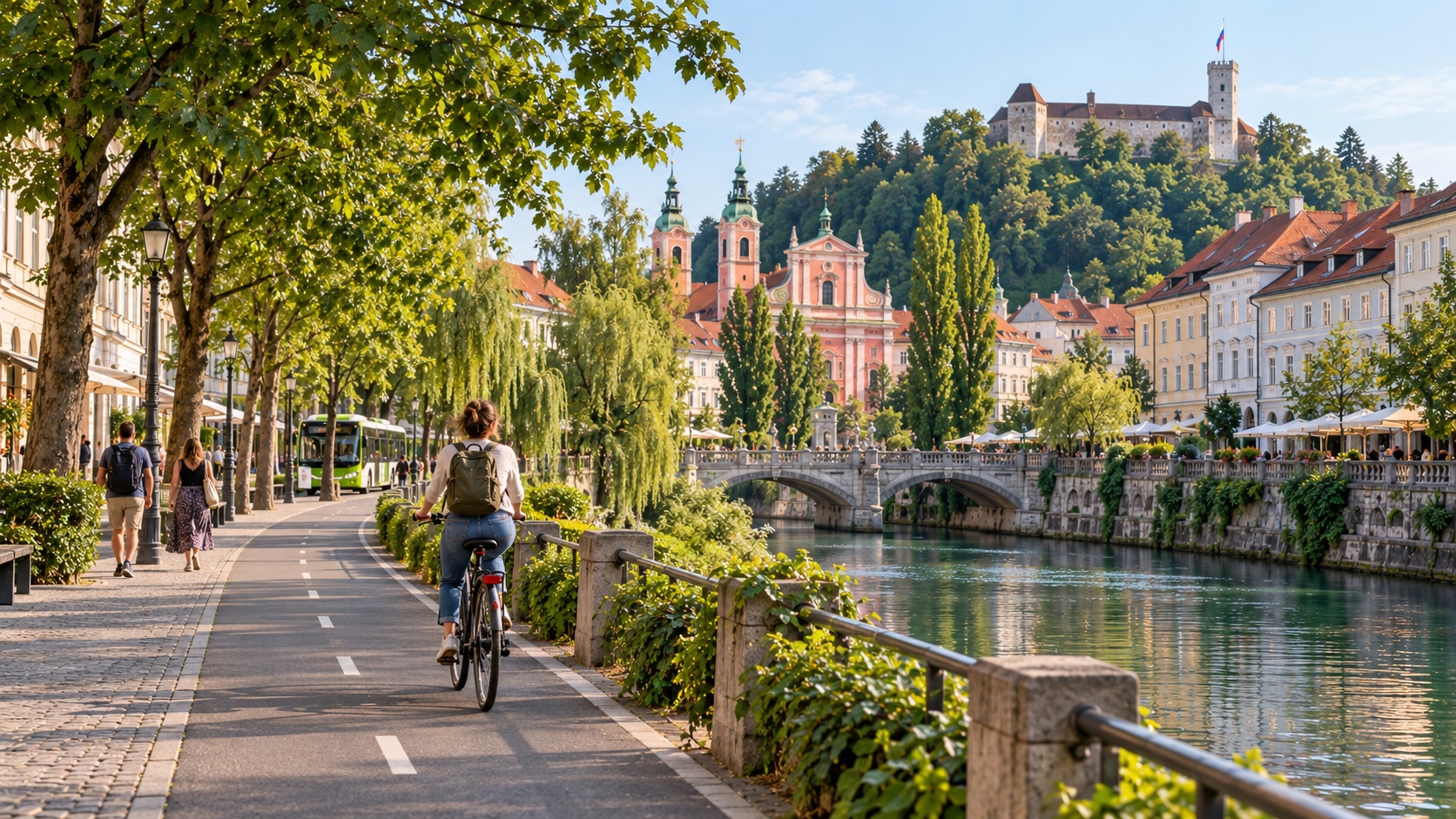
Ljubljana offers a compact center, riverside walking, bicycle access, green space, and public transportation that make a short visit possible without a private car. The pedestrian core encourages travelers to slow down and connect museums, markets, architecture, parks, and restaurants on foot. Rail and bus links can support a broader Slovenian itinerary when schedules align.
Sustainability does not mean treating the old town as a stage set. Stay in registered accommodation, keep bicycles out of crowded walking areas, and explore neighborhoods beyond the most photographed bridges. Ask hotels about certification, sourcing, and waste rather than accepting a green label at face value. Day trips to caves, lakes, or mountains should use shared transport when practical and respect capacity rules at each site.
Copenhagen Denmark for Everyday Cycling and Transit
Copenhagen’s bicycle network, metro, suburban rail, harbor spaces, and walkable districts let visitors experience systems residents use daily. A bicycle can be useful, but only when the rider understands signals, lane position, passing, and rush-hour etiquette. Travelers who are not confident should choose transit or a guided introduction rather than disrupting a busy lane. The city can be expensive, so plan spending deliberately at independent bakeries, markets, design workshops, and neighborhood restaurants. Compare hotels by third-party environmental performance and labor practices, not minimalist style. Harbor swimming areas have posted conditions that must be followed. Combine Copenhagen with nearby rail destinations instead of adding unnecessary flights, and stay long enough to understand the city beyond a checklist of landmarks.
Costa Rica Beyond the Eco Brand
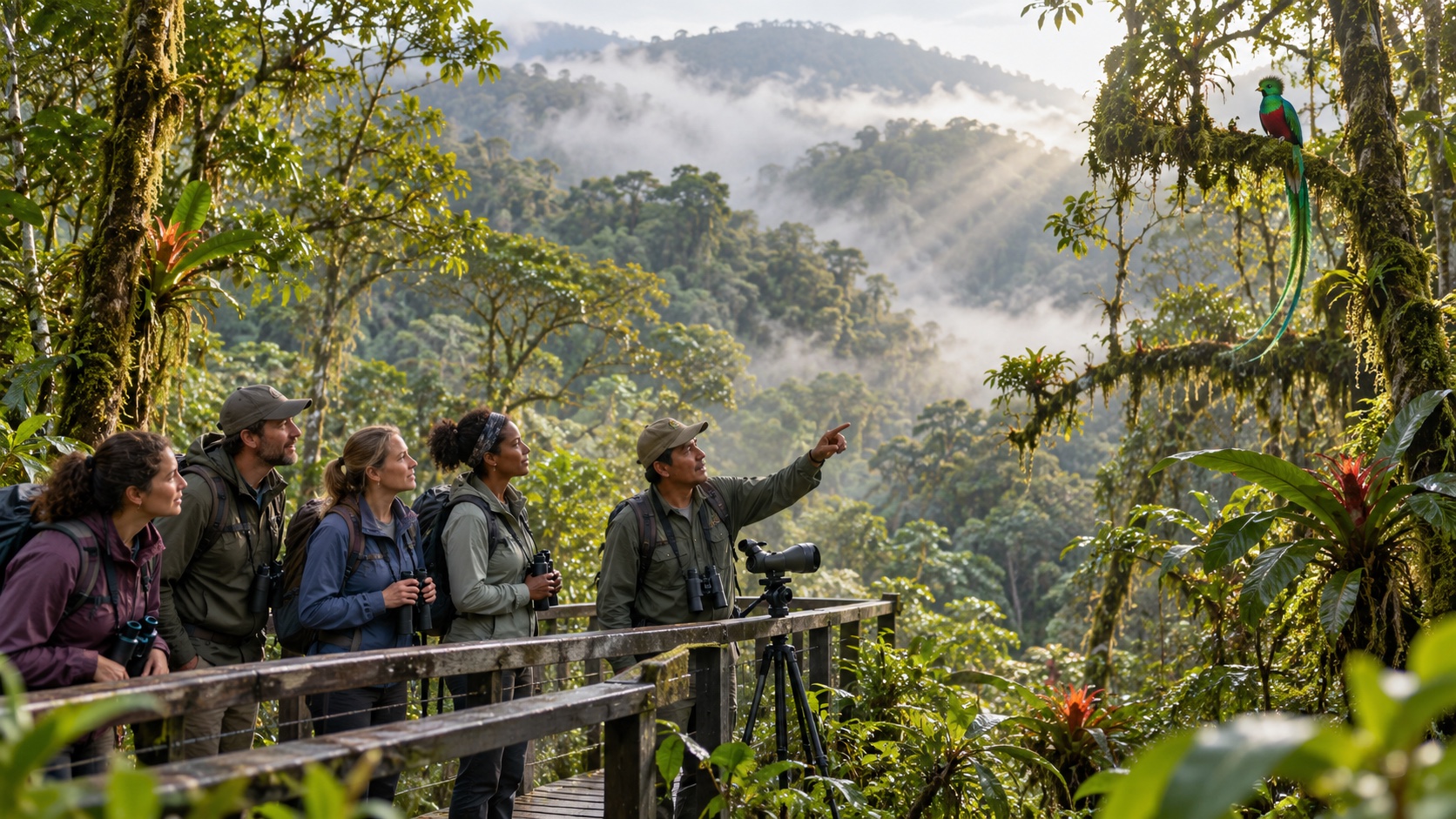
Costa Rica protects significant natural areas and supports a mature network of parks, reserves, guides, lodges, farms, and coastal experiences. Visitors can build a trip around one or two ecosystems rather than spending every day in a shuttle. Cloud forest, Caribbean lowlands, dry forest, and Pacific coast each have different seasons, water pressures, and conservation challenges.
The country’s reputation attracts greenwashing as well as responsible businesses. Verify certifications, guide credentials, wastewater systems, wildlife policies, and the role of local communities.
Avoid captive-wildlife selfies, unauthorized turtle walks, and accommodations that clear sensitive habitat for a view. Public buses work for some routes, while shared shuttles may be more realistic elsewhere. Longer stays reduce transfer fatigue and deepen local benefit.
Bhutan With Managed Access and Cultural Protocol
Bhutan’s tourism framework emphasizes regulated access and national policy, but travelers still need to evaluate the particular itinerary. A licensed provider should explain current fees, guide arrangements, road time, trekking conditions, accommodation, and cultural expectations. Mountain geography means short map distances can involve long drives, making a slower regional plan more comfortable and resource conscious.
Dzongs, monasteries, villages, and festivals are living cultural spaces. Dress appropriately, follow photography restrictions, and do not expect residents to perform a simplified version of happiness or spirituality. Choose local food, crafts, and lodging where available, and ask how trekking staff are equipped and paid. High-value policy language matters only when individual trips respect communities, landscapes, and seasonal limits. Season matters. Heavy rain, smoke, heat, school holidays, and wildlife cycles can change access and pressure. Travelers should compare regional climates rather than applying one national forecast. A local guide can also explain how conservation policy affects farms, coastal communities, and energy choices. That context prevents a trip from reducing sustainability to parks alone and helps visitors spend in communities that maintain the landscapes they came to see.
Palau With Marine Rules at the Center
Palau provides extraordinary access to reefs, lagoons, rock islands, and marine wildlife while using visitor rules and environmental fees to manage impacts. Divers, snorkelers, and paddlers should choose operators that brief guests carefully, use moorings, control group size, match sites to ability, and prohibit touching or chasing animals. Protected areas are not flexible when a guest wants a closer image. Island water, waste, food supply, and transport deserve attention alongside reef etiquette. Refill bottles, avoid unnecessary packaging, select lodging with credible wastewater practices, and eat at locally owned businesses. Current permits and entry requirements should be checked through official sources. Several nights in one base can replace a rushed circuit and provide time for culture, mangroves, beaches, and recovery between water activities.
The Azores Portugal for Volcanic Islands at a Slower Pace
The Azores combine volcanic landscapes, whale watching, walking, geothermal areas, farms, and small towns across multiple islands. The archipelago rewards depth more than rapid island collection. Choose one or two islands, use ferries where schedules and sea conditions make sense, and allow weather flexibility rather than booking every hour.
Whale operators should follow approach rules, limit time, and employ knowledgeable naturalists. On land, stay on signed trails, obey closures, and never cross farm boundaries for a photograph. Rental cars may be practical in some areas, but shared tours and local buses can reduce vehicles on narrow roads. Ask accommodations about water, energy, waste, and regional sourcing, especially on islands where resources and disposal capacity are constrained.
Finland for Rail-Linked Nature and Quiet Design
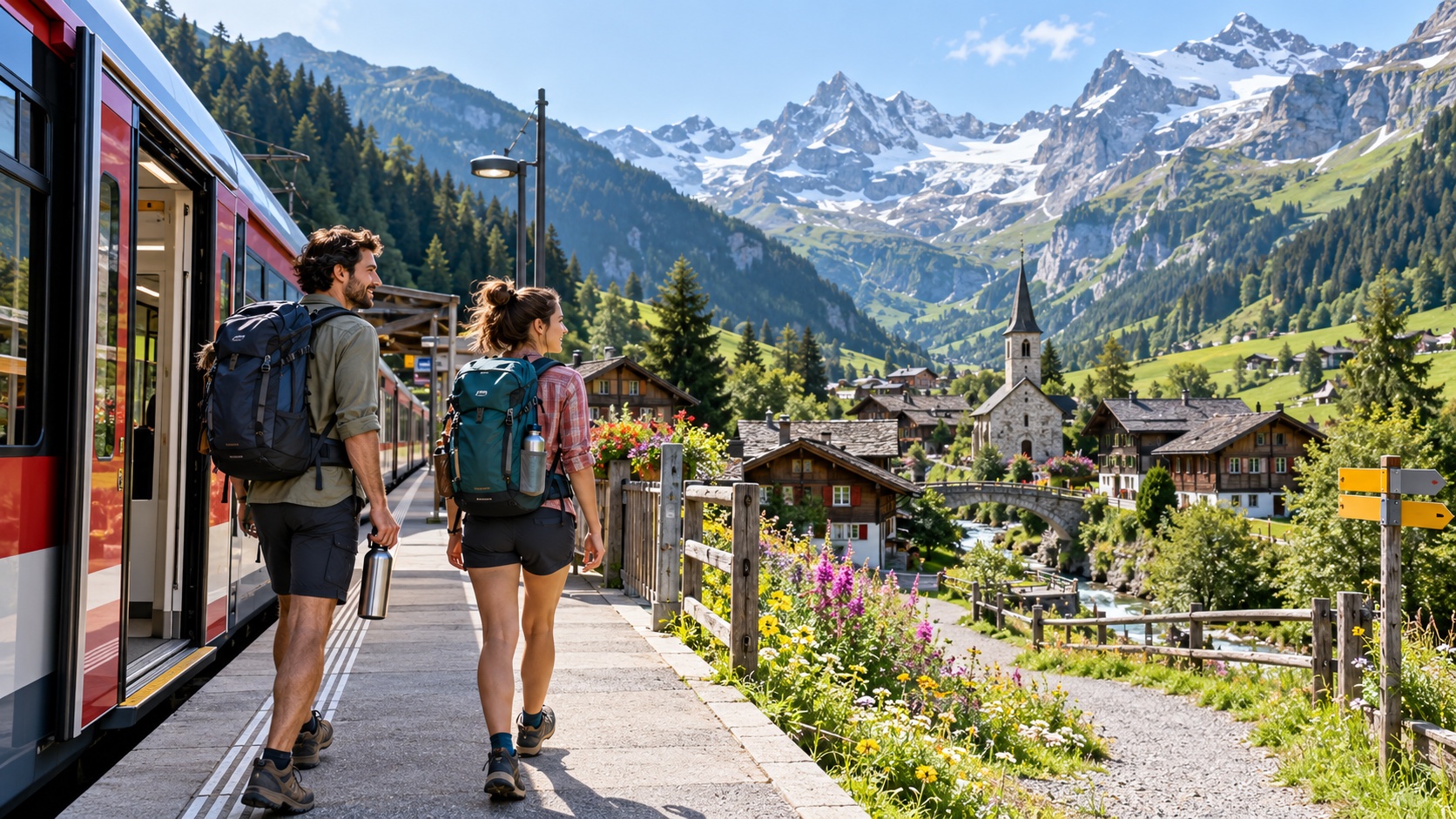
Finland allows travelers to combine Helsinki’s public transportation with intercity trains, lake districts, forests, and northern communities. A rail-based itinerary can reduce domestic flying, though distances remain substantial and winter conditions demand planning. Public saunas, cabins, national parks, and urban nature each come with rules rooted in shared use rather than private spectacle.
Choose marked trails and established campsites, follow fire restrictions, and understand that broad access rights include responsibilities. In Sápmi, prefer Sámi-owned tourism and avoid businesses that borrow clothing, symbols, or stories without authority. Northern lights trips should manage vehicle idling, group size, and private land access. Winter gear rental can reduce purchasing for a single trip while improving safety.
In winter, darkness, ice, and severe cold affect every transfer. Schedule fewer activities, use reflective gear, and follow local advice before walking on frozen water. Summer brings long daylight but also insects, fire restrictions, and popular cabins. Sauna etiquette varies between public and private settings; read posted rules and ask rather than assuming. Responsible travel includes comfort and safety, because a poorly prepared guest may require avoidable transport, rescue, or last-minute purchases.
New Zealand With Biosecurity and Route Limits
New Zealand’s landscapes support walking, cycling, rail, coach, cultural tours, and wildlife experiences, but long internal distances can produce a transfer-heavy itinerary. Focus on one region and use longer stays. Popular tracks require reservations and may close for weather or maintenance. Biosecurity instructions protect ecosystems and should be followed before every arrival and trail.
Seek Māori-owned experiences when learning about Māori culture, language, and land, and follow host guidance about photography and sacred places. Campervans do not make a trip sustainable by default; legal overnight sites, wastewater disposal, road safety, and fuel use matter. Public and shared transport can work well on selected routes. Never ignore a closure because the trip was expensive or tightly scheduled.
Rwanda for Conservation-Focused Regional Travel
Rwanda’s compact geography lets visitors connect Kigali, national parks, lakes, and cultural experiences without constant flying. Gorilla and primate permits support tightly managed encounters, while other parks offer savanna and forest tourism. A responsible operator should explain permit rules, local staffing, community relationships, vehicle time, and the physical demands of each activity. Conservation tourism exists within a living country, not an isolated park system. Spend time in Kigali, use local restaurants and crafts with clear sourcing, and learn history through reputable institutions and guides. Disclose illness before primate visits, respect distance rules, and hire porters fairly. Avoid itineraries that make broad claims about community benefit without naming the local partner or financial arrangement. Some community tourism projects near parks combine guiding, crafts, food, accommodation, or cultural interpretation. Evaluate them by local governance and resident choice, not by a tour company’s claim that every purchase helps. Never photograph people without permission or distribute gifts independently. A well-structured visit explains prices and boundaries clearly and allows residents to decline participation without losing essential benefits. Those details matter as much as the protected-area permit.
Amsterdam and the Netherlands Beyond the Center
The Netherlands offers dense rail connections, urban transit, bicycle infrastructure, coastal landscapes, and compact cities that can be combined without a car. Amsterdam remains heavily visited, so travelers can reduce pressure by staying longer, reserving regulated attractions, walking residential streets quietly, and adding rail-linked cities or rural areas rather than crowding only the canal core.
Cycling is transportation, not a casual amusement in every lane. Inexperienced riders should practice away from peak traffic or choose transit.
Book legal accommodation and consider the housing implications of unregistered rentals. Trains make day trips simple, but repeated commuting can concentrate spending in Amsterdam; an overnight stay elsewhere supports another local economy and offers a different evening rhythm.
Vancouver Island Canada With Indigenous-Led Experiences
Vancouver Island combines towns, forests, coasts, wildlife, cycling, hiking, and ferry travel. The most meaningful cultural experiences are designed and led by Indigenous communities themselves. Verify ownership, follow rules around cultural sites and stories, and understand that some lands or ceremonies are not open to visitors. Coastal tourism should respect marine wildlife distances and community access. Ferries, buses, bicycles, and shared tours can reduce driving on selected routes, though rural schedules may be limited. Build an itinerary around realistic connections rather than forcing a car-free claim that creates unsafe gaps. Observe fire bans, beach closures, bear-safe food rules, and trail conditions. Spend with local guides, artists, restaurants, and accommodation providers across more than one community. Seasonal wildfire, storms, drought, marine heat, and flooding can change whether an apparently sustainable itinerary is sensible. Review official local conditions close to departure and choose flexible bookings. Do not expect residents to absorb disruption so a vacation can continue unchanged. Redirecting to another region or postponing may protect emergency capacity and reduce pressure at the moment a community needs space.
Build a Better Trip Instead of Chasing a Ranking
Rankings flatten complicated destinations into a single score. A more useful approach begins with the journey from home, then examines length of stay, transport, accommodation, food, visitor pressure, local ownership, water, waste, wildlife, cultural rights, and accessibility. A destination with excellent policy can still host irresponsible businesses, while a modest family operation may practice sustainability without polished marketing.
Choose the place that fits the season, budget, mobility needs, and available low-impact options. Verify current rules, use independent certification as evidence rather than decoration, and ask specific questions. Travel outside the busiest period when appropriate, stay longer, and accept restrictions. The best sustainable destination is ultimately the one where the visitor behaves as part of a managed community rather than as its exception.