An Eco-Tour Should Benefit the Place That Makes It Possible
An eco-tour is not simply an outdoor vacation with reusable bottles and a green logo. The strongest trips combine nature-based experiences with interpretation, small groups, careful operating limits, local economic benefit, and measurable support for conservation. They also acknowledge tradeoffs. Long flights still create emissions, fragile habitats can be damaged by popularity, and an attractive lodge may use more water than the surrounding community can spare. Travelers should therefore examine the whole trip rather than one claim. Ask who owns the company, who guides the experience, how wildlife rules are enforced, where fees go, and whether the operator can explain its impacts without vague promises. The tours below offer compelling models, but every booking still deserves current, independent verification.
A: No and honest operators should not imply that it does.
A: No but credible third-party review offers stronger evidence than self-labeling.
A: They can reduce pressure but ownership transport and conduct also matter.
A: Reduction comes first and any climate contribution needs careful evaluation.
A: Some are but price and sustainability are not the same measure.
A: Generally no because it changes behavior and creates dependency or conflict.
A: Yes when the pace safety rules and educational approach fit them.
A: It is the level of use a place can manage without unacceptable harm.
A: No slower itineraries can reduce transfers and deepen understanding.
A: A locally made item purchased with clear maker attribution.
Cloud Forest Naturalist Tours in Costa Rica
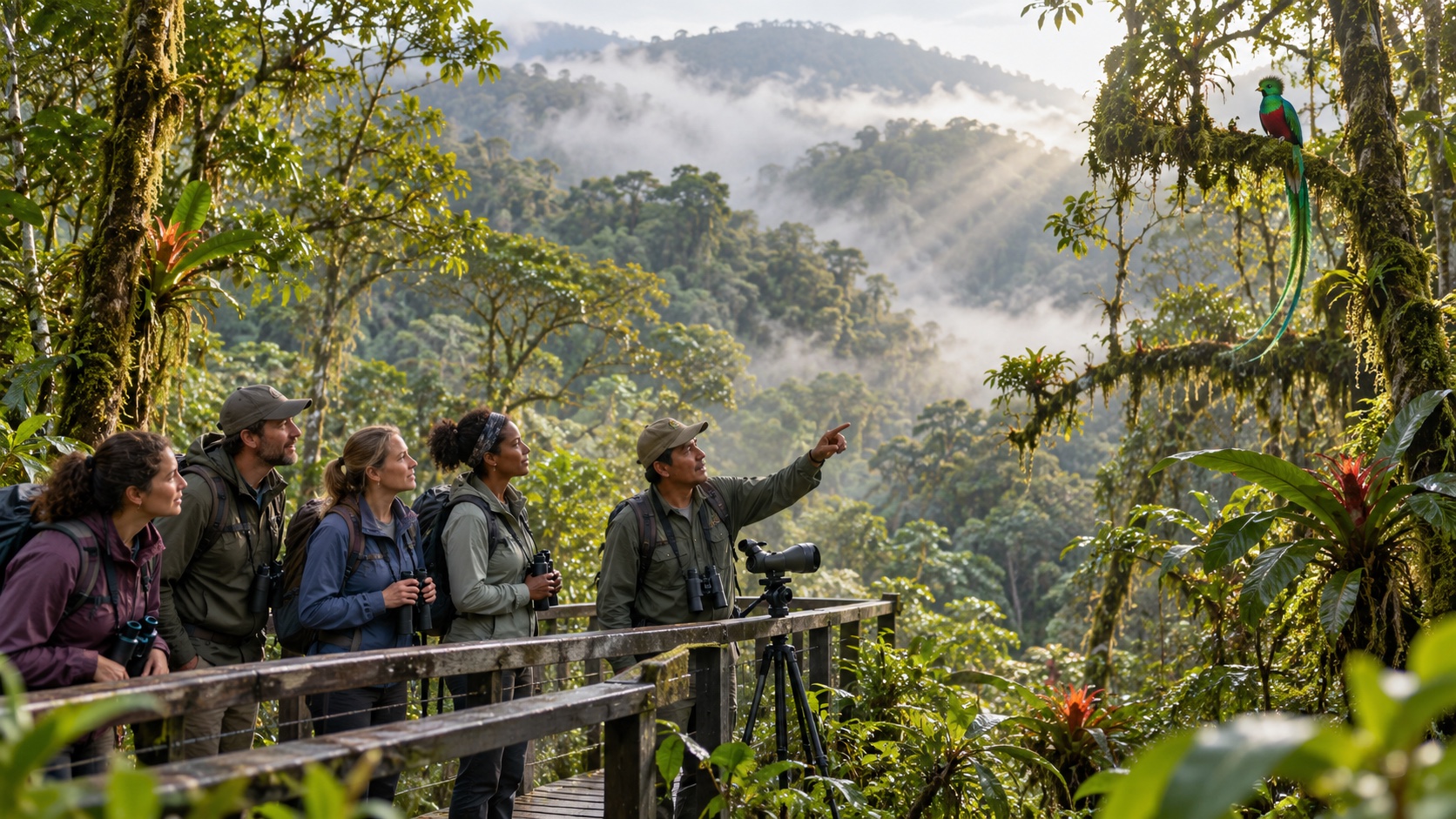
Costa Rica offers accessible examples of nature tourism in cloud forest, lowland rainforest, wetlands, and coastal habitat. Around Monteverde, a trained local naturalist can reveal quetzals, hummingbirds, orchids, amphibians, and epiphytes that an unguided visitor might miss. Small-group walks on maintained trails or canopy routes can turn a beautiful forest into a lesson about water, elevation, farming, and habitat corridors. Do not assume every business using the country’s green reputation operates equally well. Ask about guide credentials, trail capacity, private-reserve funding, transport, and whether night walks control light and noise. Stay several nights rather than crossing the country for one activity. Locally owned lodging, shared shuttles, refill stations, and farms that explain their environmental practices can make the wider itinerary more coherent.
Community-Led Amazon Lodge Experiences
The Amazon spans several countries and countless communities, so there is no single model of responsible touring. A credible lodge or river program should explain land tenure, community ownership or partnership, guide employment, energy and waste systems, and how guest activity affects wildlife. Resident guides interpret plants, waterways, weather, food systems, and cultural history through lived expertise rather than a generic jungle script.
Avoid itineraries that stage contact with isolated peoples, handle wild animals, or treat a village as an exhibit. River travel should follow conservative speed and distance rules, while forest walks need small groups and established routes.
Heat, humidity, insects, smoke, seasonal flooding, and limited medical care require realistic preparation. The most responsible visit is often longer and quieter, with fewer transfers and more time learning one landscape.
Galápagos Small-Ship and Land Tours
The Galápagos Islands are tightly associated with wildlife, but their isolation does not make tourism impact-free. Flights, ships, water demand, waste, imported goods, and invasive species all affect the archipelago. A thoughtful itinerary follows national park rules, uses licensed naturalist guides, respects landing schedules, and treats biosecurity instructions as essential rather than inconvenient.
Ship size shapes the experience, yet a small vessel is not automatically superior if its practices are weak. Ask about fuel, waste, sourcing, crew conditions, route permits, and conservation support. Land-based trips can direct more spending toward island businesses but still require careful transport and site selection. Never leave marked routes, touch wildlife, use flash where prohibited, or expect animals to move for a photograph.
Gorilla Conservation Treks in Rwanda or Uganda
Gorilla trekking can generate substantial permit revenue and local employment while giving visitors a rare understanding of forest conservation. It also places humans near primates vulnerable to disease and disturbance. Official permits, group limits, health rules, masks where required, time limits, and minimum distances must be treated as conservation measures, not obstacles to a close photograph. Compare operators by their local staffing, porter practices, community relationships, and honesty about physical difficulty. Hire a porter if useful and follow instructions about symptoms, food, voices, movement, and cameras. The trek may be steep, muddy, and uncertain. No operator controls where a gorilla family travels or how visible it will be. Accepting that uncertainty is part of keeping the encounter wild. Mountain weather can change quickly, and roads or trails may be affected by rain. Carry practical layers, discuss mobility needs, and let the guide decide when conditions require a different route. Coffee, cacao, or farm visits can add economic context when producers lead the experience and explain their practices honestly. Avoid compressed itineraries that combine both coasts and several forests in a few days; repeated transfers increase fatigue and make it harder to notice how one ecosystem changes from dawn to evening.
Palau Marine Conservation Journeys
Palau’s limestone islands, reefs, lagoons, and marine life make it compelling for divers, snorkelers, and paddlers. Responsible operators brief guests on reef contact, fins, currents, waste, sunscreen choices, wildlife approach, and protected-area requirements. They also match sites to skill so a struggling visitor does not damage coral or place guides at risk.
Ask about diver-to-guide ratios, mooring use, boat engines, refill systems, and the destination’s current environmental fee and entry rules. Do not chase turtles, stand on coral, collect shells, or assume a waterproof camera justifies getting closer.
Choose several days in one base instead of frequent island transfers. Surface intervals, village businesses, cultural sites, and mangrove ecosystems deserve the same attention as famous dive locations.
Orangutan Habitat Tours in Borneo
Borneo travel can introduce lowland rainforest, river systems, caves, proboscis monkeys, hornbills, and orangutans across Malaysian and Indonesian regions. Rehabilitation centers may play an important role, but visitors should distinguish genuine conservation and release work from entertainment. Feeding platforms, when part of an authorized program, still require distance, silence, and strict staff direction.
Look for operators that employ local guides, avoid wildlife handling, explain palm-oil and land-use complexity, and support protected habitat beyond a single center. River lodges should document sewage and waste practices. Choose longer stays with fewer internal flights where practical, and never request baiting or off-trail pursuit. A distant orangutan moving naturally through the canopy is a better outcome than a close encounter manufactured for guests.
Indigenous-Guided Rainforest and Reef Tours in Australia
Indigenous-led tours can connect landscape, language, cultural responsibility, plants, foodways, and history in ways a conventional nature excursion cannot. In northern Australia, experiences may focus on rainforest, coast, wetlands, rock art, or sea country. The operator should clearly identify Indigenous ownership or leadership rather than adding a brief cultural performance to an otherwise external itinerary.
Follow restrictions around sacred places, stories, names, images, and photography. Not every part of a cultural landscape is open to visitors, and access may change for community reasons or weather.
Pair guided interpretation with low-impact transport, appropriate reef practices, and locally owned accommodation where possible. Paying the stated price without bargaining respects the expertise involved and the authority of hosts to shape the experience.
Okavango Delta Low-Impact Safaris
Botswana’s Okavango Delta is a seasonal wetland where water levels determine routes, camp access, and wildlife distribution. Mokoro excursions, boats, guided walks, and vehicle drives each reveal a different scale of the ecosystem. Strong guides interpret plants, tracks, birds, hydrology, and community land use rather than rushing between large-animal sightings. Remote camps can be expensive and resource intensive, so ask precise questions about solar power, wastewater, supply transport, local employment, concession arrangements, and conservation fees. A low guest count does not excuse unclear impacts. In narrow channels, stay quiet and let guides manage distance. Pack lightly for small aircraft, bring reusable essentials, and accept that weather or water conditions may change the planned activity. Water-based safaris need clear emergency procedures as well as conservation language. Confirm flotation equipment, communications, guide credentials, and the operator’s plan for changing water levels or storms. The low position of a mokoro can feel exposed, so travelers should disclose balance or mobility concerns before arrival. Cultural visits require the same scrutiny as wildlife outings: they should be community-designed, fairly paid, optional for residents, and presented without turning private life into a scheduled performance.
Electric and Human-Powered Fjord Tours in Norway
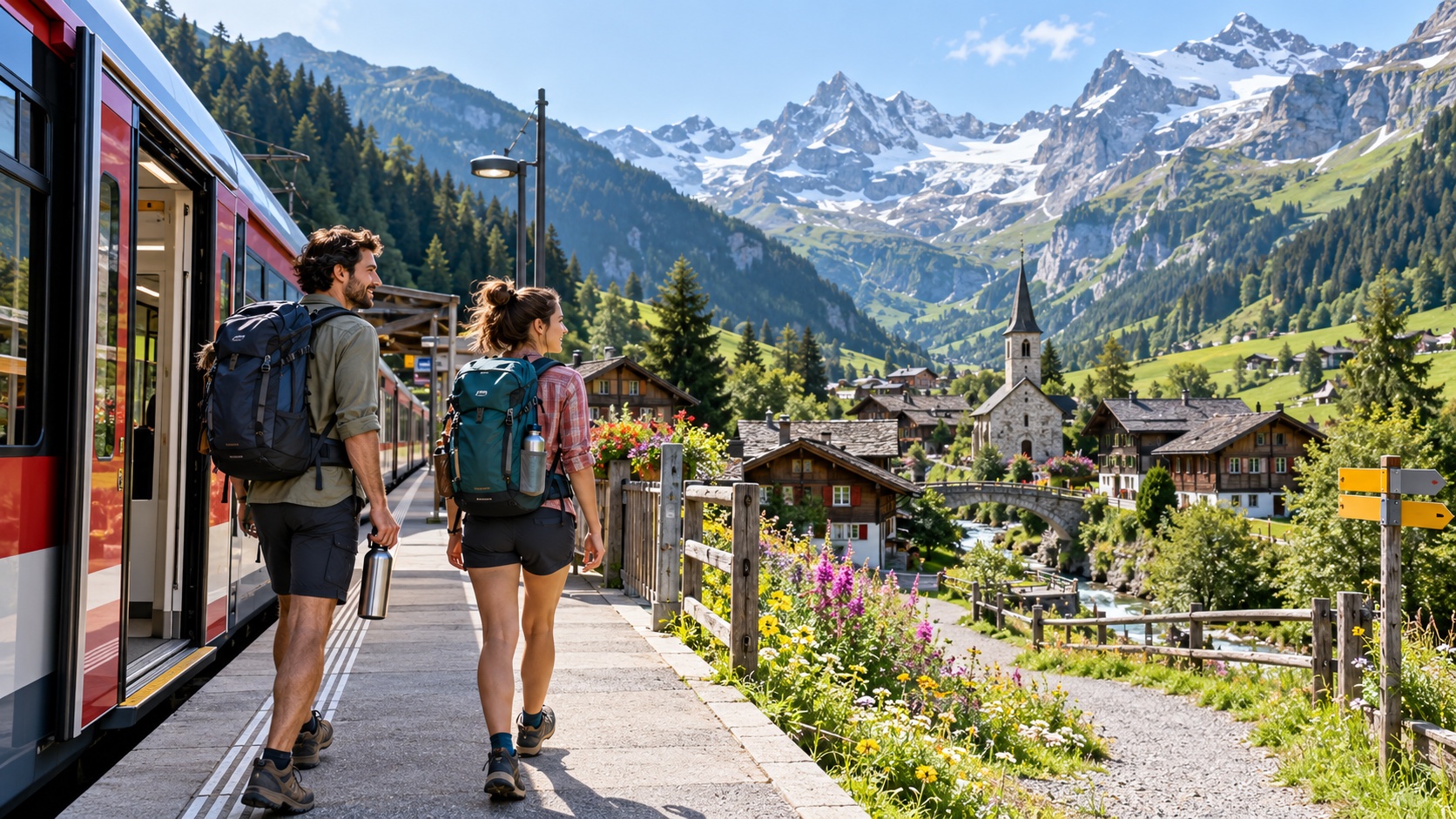
Norway’s fjords can be explored by rail, ferry, electric sightseeing vessel, kayak, bicycle, and foot. A route that combines public transportation with a longer stay in one village can reduce road transfers while preserving the drama of cliffs, waterfalls, farms, and water. Electric vessels may reduce local noise and exhaust, although the whole journey still has environmental costs.
Check the energy and transport claims rather than assuming every quiet boat is fully low impact. Kayak operators should assess skill, weather, cold-water risk, group size, and shore access. Popular ports can be overwhelmed during large-ship arrivals, so travel outside peak calls and use resident businesses. Marked trails and farm gates deserve respect even when the scenery feels open and remote.
Slovenia Forest Wildlife and Cycling Tours
Slovenia combines compact rail and bus connections, cycling routes, forests, alpine landscapes, wetlands, and a capital designed for walking. Guided wildlife trips may use hides to observe brown bears, birds, or other species without pursuing them. Ethical operators control noise, group size, food practices, and timing while explaining coexistence between wildlife and rural communities.
Ask whether any baiting occurs, why it is used, and how managers assess its ecological effects. In cities and villages, choose a bicycle route that matches traffic confidence and use trains for longer connections.
Spreading nights among locally owned accommodations can benefit smaller places, but do not treat quiet settlements as empty playgrounds. Respect residents, farming operations, and seasonal trail closures.
New Zealand Conservation Walks and Great Walk Planning
New Zealand’s managed tracks make multi-day walking accessible across forests, coasts, mountains, and volcanic landscapes. Hut bookings, quotas, biosecurity, weather warnings, and route closures protect both visitors and environments. A guided departure can add ecology, Māori cultural context, logistics, and safety, especially for travelers unfamiliar with fast-changing alpine conditions.
Clean footwear and equipment before moving between habitats, stay on formed tracks, and carry every required item even when huts are staffed. Learn the correct local place names and seek Māori-led interpretation where available. Popular routes book early, but lesser-known managed walks may distribute demand more evenly. Never enter a closed track or waterway simply because the original itinerary promised it. Department of Conservation guidance, hut rules, and local weather information should override social-media route descriptions. Alpine crossings may require navigation, river judgment, and equipment beyond ordinary day hiking. Travelers can select guided trips or lower-elevation alternatives without diminishing the experience. When moving between islands, compare ferry, rail, coach, and flight schedules as a complete system. Biosecurity remains important at every transition, including the cleaning of tents, footwear, bicycle tires, and fishing equipment. Long-distance travel also requires a truthful climate assessment. An operator may support conservation locally while the guest’s flights remain the largest part of the trip’s emissions. Prefer fewer journeys, direct routing, longer stays, and credible ground transport. If contributing to a climate program, examine the method, permanence, additionality, and oversight rather than treating a small checkout fee as permission to ignore reduction.
Choose Evidence Over the Perfect Green Story
No long-distance vacation is impact-free. The useful question is whether the itinerary reduces avoidable harm, directs meaningful benefit to residents and conservation, and communicates limits honestly. Compare independent certification, local ownership, group size, transport, water, waste, wildlife rules, accessibility, labor practices, and the operator’s response when conditions require a cancellation. Then examine personal choices. Take fewer trips and stay longer when possible, select direct routes, use ground transport, travel outside the busiest period, and spend with local providers. Pack carefully but do not turn equipment into moral theater. Sustainable travel is a continuing practice of asking better questions, accepting boundaries, and allowing the destination’s needs to shape the vacation.