Match the Lake to the Landscape You Want
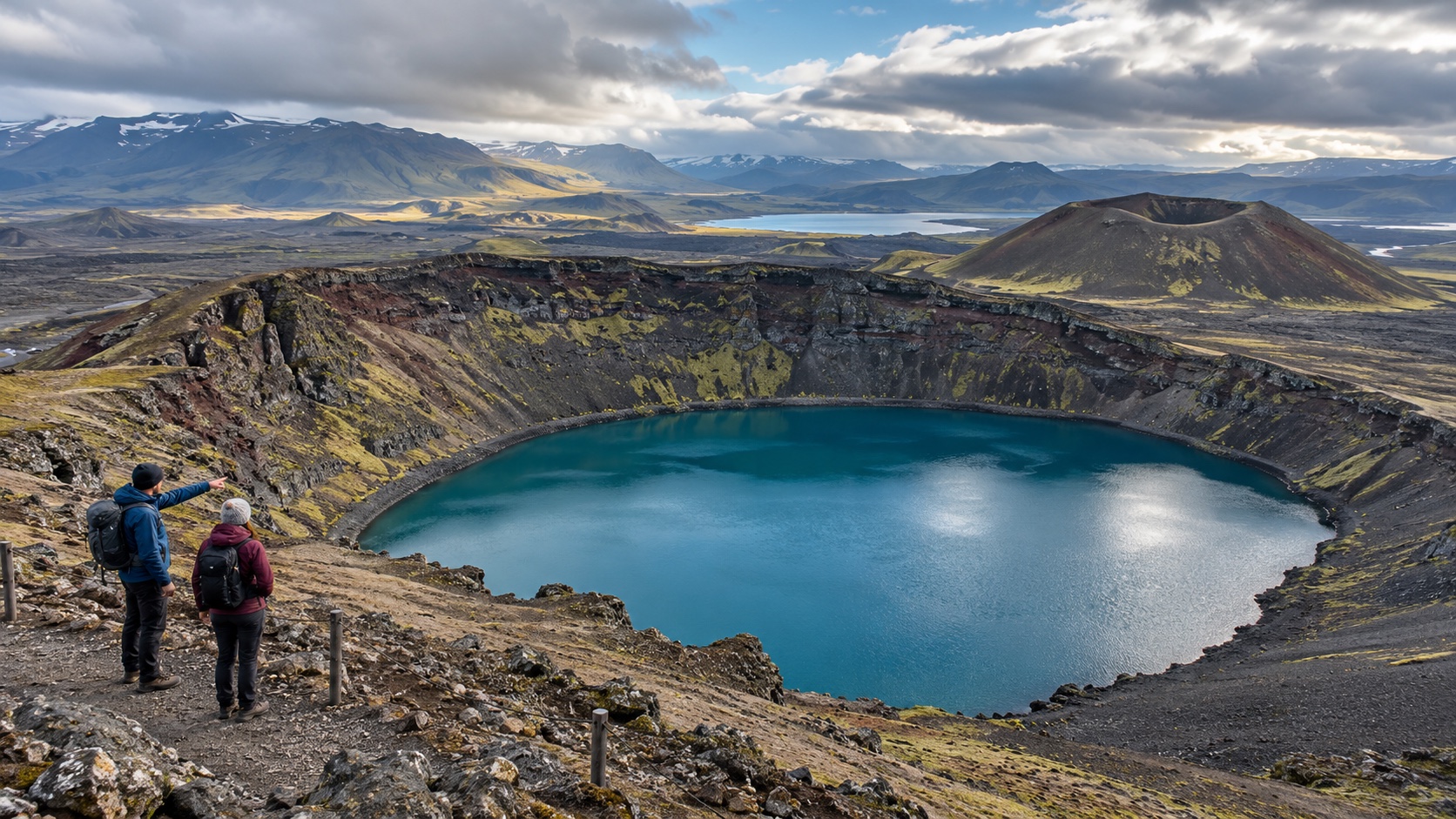
“Best scenery” can mean a perfect reflection, an immense geological basin, a shoreline rich with daily life, or weather moving across distant peaks. The strongest lake trips begin by deciding which combination matters to you. Alpine lakes reward clear mornings but can be cold and crowded; volcanic lakes offer powerful forms but may demand long road journeys; wetland lakes reveal wildlife and culture through slow boat travel. Conditions will never reproduce a promotional image exactly. Use the selections below as different scenic archetypes, then check access, season, transport, and community expectations. Staying in one region long enough to see its water under several kinds of light produces a more honest and memorable experience than racing from overlook to overlook.
A: Any calm lake can reflect well when wind light and viewpoint align.
A: No several physical chemical and biological processes affect color.
A: Often but famous viewpoints can be busy before dawn.
A: Yes ferries promenades trains and accessible overlooks provide many options.
A: Basin shape steep walls islands and surrounding cones often create strong geometry.
A: No mountains create highly variable local weather.
A: Only when transit cannot support a safe practical route.
A: Some can with suitable services equipment and local safety guidance.
A: One or two regions usually create a richer itinerary.
A: Enjoying it without damaging ecosystems or disrupting communities.
Lake Atitlán for Volcanic Drama
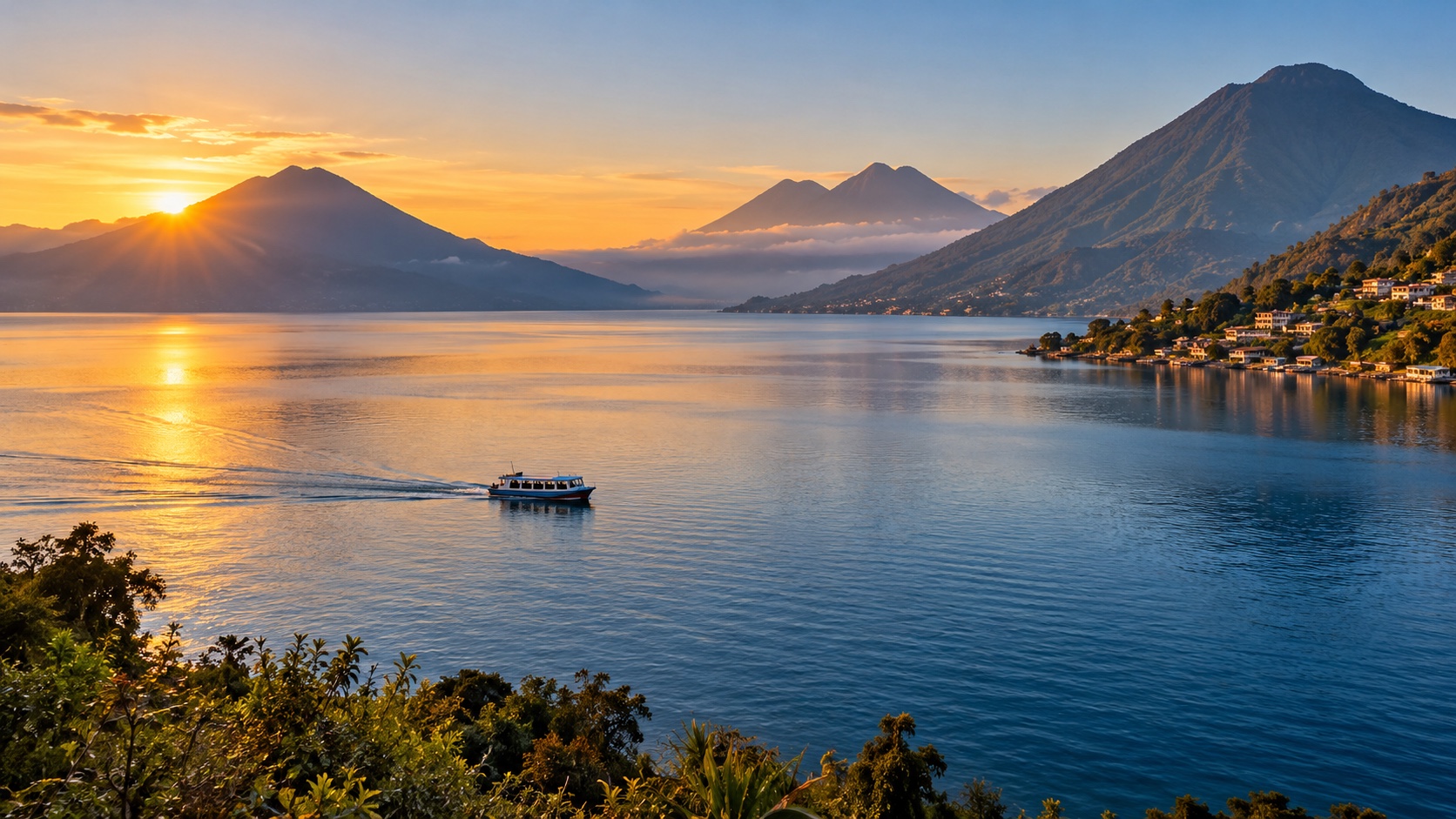
Lake Atitlán places a broad blue surface inside a steep volcanic basin, with Tolimán, Atitlán, and San Pedro shaping the skyline. Morning often brings gentler water and clearer profiles before clouds gather. Public launches reveal the scale, but use established operators, wear flotation equipment, and follow advice when wind rises.
The shore is also home to distinct Maya communities. Choose locally owned lodging, learn which town fits your interests, and ask before photographing people, ceremonies, or private spaces. Water pollution and uneven development complicate the idyllic view. A meaningful visit pairs sunrise scenery with markets, language, food, textiles, and current environmental work. Stay several nights instead of collecting towns by boat. The changing relationship between volcano, cloud, village, and water is the real attraction.
Moraine Lake and Lake Louise for Glacial Color
In Canada’s Banff National Park, Moraine Lake and Lake Louise sit beneath dramatic peaks and glaciers. Suspended rock flour influences their celebrated color, which changes with season, sun, cloud, and viewing angle. Access is tightly managed because limited valleys cannot absorb unlimited private vehicles; current shuttle and reservation rules should be checked through the park.
Boardwalks and established trails protect fragile shores while providing excellent perspectives. Mountain weather, wildlife, cold water, and snow can affect even short outings. Carry layers, store food correctly, and respect closures.
Do not try to force both lakes and multiple hikes into a rushed day. An early shuttle and one suitable trail can be more rewarding than constant transfers. Consider nearby transit-connected viewpoints to distribute pressure.
Lake Bohinj for a Quieter Alpine Basin
Lake Bohinj lies within Slovenia’s Triglav region, surrounded by forested slopes and high limestone mountains. Compared with nearby Bled, it feels broader and less architectural, with scenery centered on natural shore, changing weather, and trail connections. Buses provide a practical approach in season, reducing parking stress. Walk only signed routes, since wet roots, rock, and steep terrain can turn an easy-looking path serious. Swimming and paddling depend on designated areas, water temperature, and park rules. Cable-car or waterfall excursions add height and movement, but operating conditions change. Stay overnight to experience the shore after day visitors leave, and support villages without assuming quiet landscapes are uninhabited.
Königssee for Limestone Walls
Königssee extends like a narrow fjord beneath steep Bavarian limestone walls. Regulated electric passenger boats provide classic water-level views and connect approved stops, while surrounding national-park trails range from easy walks to serious mountain routes. The famous echoing cliffs, dark forest, and enclosed perspective create drama even under cloud.
Arrive by public transport or early enough to manage parking, then confirm the last return boat. Do not underestimate walking time from distant landings. Water, rock, and protected habitat deserve restraint. Avoid loud behavior, illegal swimming access, and off-trail shortcuts. A single boat route plus one shore walk gives the landscape space to register.
Lake Pukaki for Southern Alps Scale
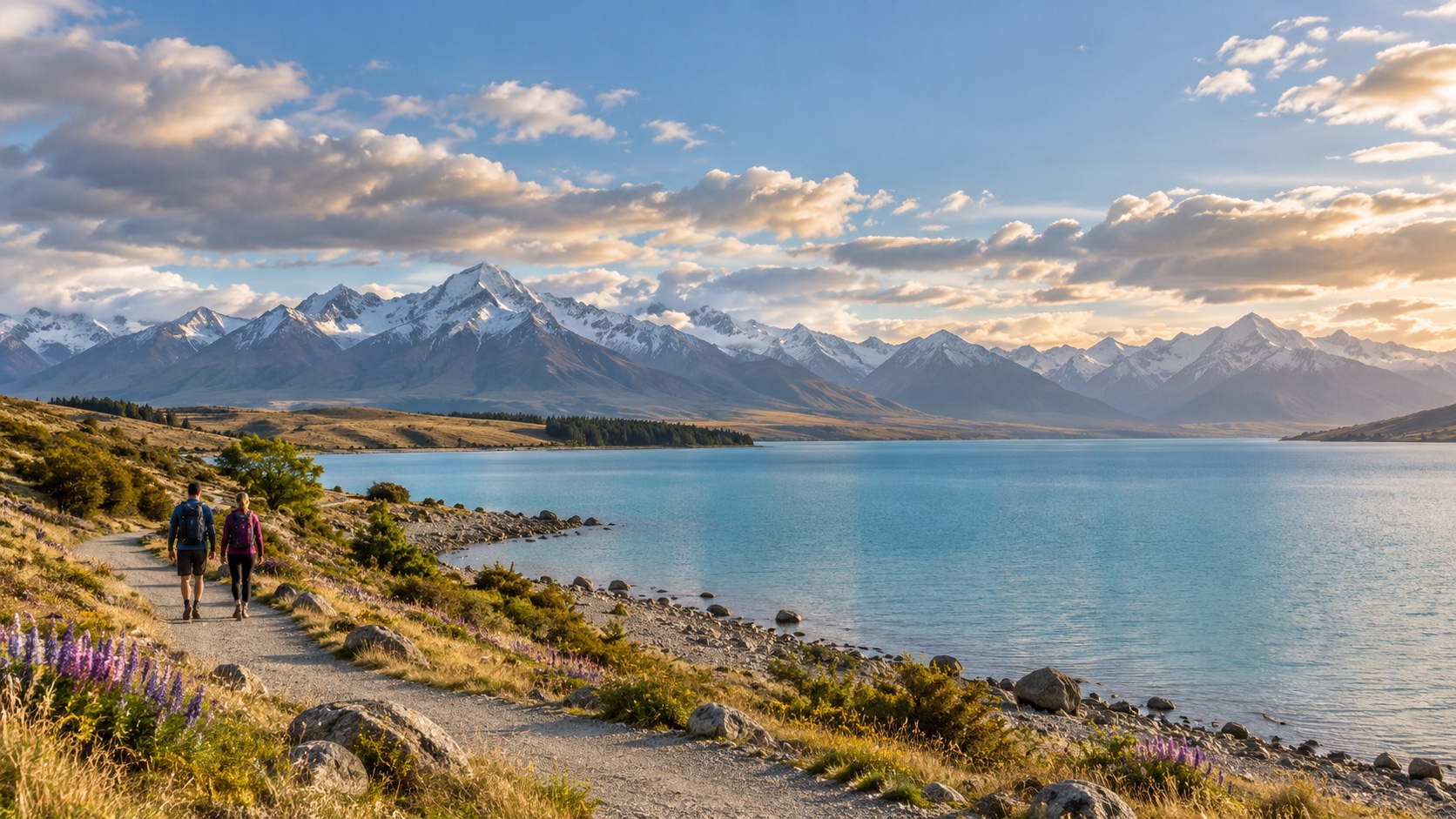
Lake Pukaki spreads across New Zealand’s Mackenzie Basin with Aoraki/Mount Cook often visible beyond its glacially influenced blue water. The open, windswept shore creates an entirely different experience from a sheltered alpine lake. Cloud can conceal the highest peaks, yet braided rivers, dry grassland, and changing light remain compelling.
Use signed overlooks and legal tracks rather than stopping on road shoulders. Strong wind, exposure, and cold water require preparation. The drive toward Aoraki/Mount Cook is beautiful but demands attention, not photography from a moving vehicle.
Spend time at visitor interpretation to understand glaciation and cultural significance. Nearby Tekapo can be paired sensibly, but resist turning both into quick color samples. One longer walk or quiet shoreline stop offers more depth.
Lake Kawaguchi for Mount Fuji Views
Lake Kawaguchi is one of Japan’s Fuji Five Lakes and offers accessible views of Mount Fuji across water, towns, fields, and seasonal trees. The mountain is frequently hidden by cloud, especially later in the day, so build flexibility rather than guaranteeing a postcard. Trains and buses can support a car-light visit, while local loops connect public viewpoints and museums. Popular cherry-blossom and autumn periods demand patience and reservations. Keep paths clear, stay out of private property, and observe neighborhood signs. A clear reflection is a fortunate weather event, not an entitlement. Even without it, lakeside cycling, cultural sites, and volcanic geography make a worthwhile stay.
Lake Pehoé for Patagonian Weather
Lake Pehoé in Chile’s Torres del Paine National Park combines blue-green water, small islands, grassland, and the jagged Paine massif. Wind can flatten clouds against the peaks, raise waves in minutes, and make the same viewpoint feel completely different through the day. Park reservations, transport, trail status, and lodging require advance planning. Use marked routes, secure loose gear, and obey fire regulations with exceptional care. Travelers need not complete a multi-day trek to appreciate the lake. Road-accessible lookouts and shorter walks provide scale when conditions cooperate. Stay within the region long enough for a weather window, but accept that cloud and wind are integral to Patagonia.
Lake Ohrid for Ancient Water and Townscapes
Lake Ohrid, shared by North Macedonia and Albania, is an ancient lake with clear water, mountain horizons, endemic species, and historic settlements. Ohrid’s churches and old town create familiar views, while quieter villages and the Albanian shore reveal different relationships between land and water.
Use scheduled or licensed boats, respect protected habitat, and avoid disturbing shallow breeding areas. Summer crowds and traffic make walking, buses, and a well-chosen base valuable. The lake’s biological importance should shape choices. Do not buy products made from protected species, feed wildlife, or treat clear water as invulnerable. Museums, monasteries, and local guides add historical depth to the scenery.
Lake Geneva for Alps, Vineyards, and Cities
Lake Geneva, or Lac Léman, stretches between Switzerland and France with Alpine views, major cities, smaller towns, vineyards, and an extensive transport network. Ferries and trains make it possible to enjoy many perspectives without constant driving. The Lavaux terraces, public promenades, and mountain-backed eastern basin offer especially strong compositions. Choose a limited corridor rather than circling the entire lake. Weather may obscure peaks while still producing beautiful light on vineyards and water. Cross-border tickets, roaming, and schedules deserve attention. Use public paths, respect working vineyards, and keep swimming to approved areas. The lake’s scale becomes clearest through ordinary movement—commuter boat, train window, or long promenade—rather than one overlook.
Inle Lake for Wetland Life
Myanmar’s Inle Lake is known for floating gardens, stilt settlements, markets, monasteries, and mountain-framed water. Its appeal comes from the interaction of wetland ecology and human life, not from turning residents or fishing practices into staged pictures. Political and security conditions must be assessed through current official guidance before any trip is considered.
If responsible travel is feasible, choose operators with transparent community relationships and quieter engines, and ask how visits are arranged. Photography requires consent.
Water quality, invasive plants, sedimentation, and development affect the lake. A credible guide should discuss these pressures alongside heritage. Avoid captive-wildlife stops, forced shopping, and performances designed solely for boats.
Lake Toba for Caldera Immensity
Lake Toba occupies an enormous volcanic caldera in Sumatra, Indonesia, with Samosir Island rising within the basin. Roadside overlooks reveal the scale, while ferries and lakeside villages bring steep green walls, farms, and Batak cultural landscapes into closer view. Transfers can be lengthy, and road conditions or ferry schedules may change. Choose a single base for several nights instead of spending the visit in transit. Swim only where current local advice supports it, and use reputable boats with safety equipment. Learn about Batak history through locally led museums, music, food, and architecture. Respect graves, homes, and ceremonial spaces; scenery and culture are inseparable here.
Choose Scenery That Fits Your Trip
Start with constraints rather than a global ranking. If time is short, select a lake linked by rail or reliable buses. If photography matters, allow several dawns instead of changing hotels daily. If paddling is the priority, investigate wind, water temperature, rental standards, and permits before booking flights.
Decide how much physical effort fits the group. Some iconic views require steep trails, but ferries, cableways, accessible paths, public gardens, and train windows can offer equally strong compositions. Check current accessibility descriptions rather than assuming an attraction’s label tells the whole story. When elevation is involved, build gradual days and seek appropriate health advice for individual circumstances.
Then evaluate pressure. A famous lake may require shuttles, reservations, or a shoulder-season visit, while a nearby alternative can support a quieter community. Look beyond room price when selecting a base. A cheaper property far from the shore may require daily driving, parking, and lost time, while a walkable guesthouse can simplify the trip and keep spending local. Ask whether accommodation treats wastewater responsibly, reduces disposable plastic, and provides realistic guidance about public access. These choices directly affect the scenery travelers came to enjoy. Use a map to find how water enters and leaves the basin. A glacier-fed river, reed-fringed outlet, volcanic wall, delta, or narrow strait explains much of the visible landscape. Visitor centers, geological surveys, and community museums add context that a scenic caption cannot. Once the basin makes sense, clouds and changing color become information rather than disappointment. Finally, accept the conditions you receive. Mountains may disappear, wind may break reflections, and rain may close trails. A lake remains a living system under every sky. Responsible flexibility often produces the scene—and the understanding—that an overplanned checklist cannot. When weather changes, resist the urge to cross barriers, launch a boat against advice, or drive from one risky overlook to another. Let trained operators cancel, use maintained routes, and keep an indoor alternative. Safety decisions protect rescuers and communities as well as visitors. End the trip by contributing something proportionate: pay park or shuttle fees, eat in the town where you stay, credit local knowledge, and support a credible watershed organization if you can. Share images without revealing sensitive wildlife sites or encouraging trespass. Stunning scenery remains possible because many people maintain trails, monitor water, manage waste, protect habitat, and negotiate competing uses. Recognizing that work gives the view depth. After returning home, label photographs accurately and resist exaggerated claims about remoteness, purity, or discovery. Recommend the transport, guides, and public access that worked well. Honest sharing helps future travelers form realistic expectations and directs attention toward the systems that keep a lake healthy, accessible, and beautiful.