Let Each Lake Set the Pace
Lakes invite comparison because their surfaces reflect mountains, forests, clouds, and towns with unusual clarity, yet the most memorable ones resist a rushed ranking. A glacial basin can glow with suspended rock flour; a tectonic lake may hold extraordinary depth and endemic life; a volcanic caldera can reveal the shape of an ancient eruption. Weather, season, water level, and human activity continually alter the view. Plan at least one unhurried morning or evening, use established access, and learn how nearby communities live with the water. The following lakes reward looking beyond a single overlook, whether that means walking a public shore, taking a regulated boat, visiting a cultural center, or simply waiting for wind to redraw the reflection.
A: Light depth minerals and suspended particles can interact to create the color.
A: Calm wind and lower-angle light often help.
A: Many remain dangerously cold even in summer.
A: No public shores and elevated trails can provide excellent perspectives.
A: Shoulder periods vary and may bring limited services or unstable weather.
A: Only after following current local treatment guidance.
A: Weather algae sediment depth and viewing angle all change appearance.
A: Several have rail bus ferry or walking networks.
A: Only where legal safe and respectful of wildlife and residents.
A: Two or three nights often reveal more than a quick circuit.
Lake Tekapo, New Zealand
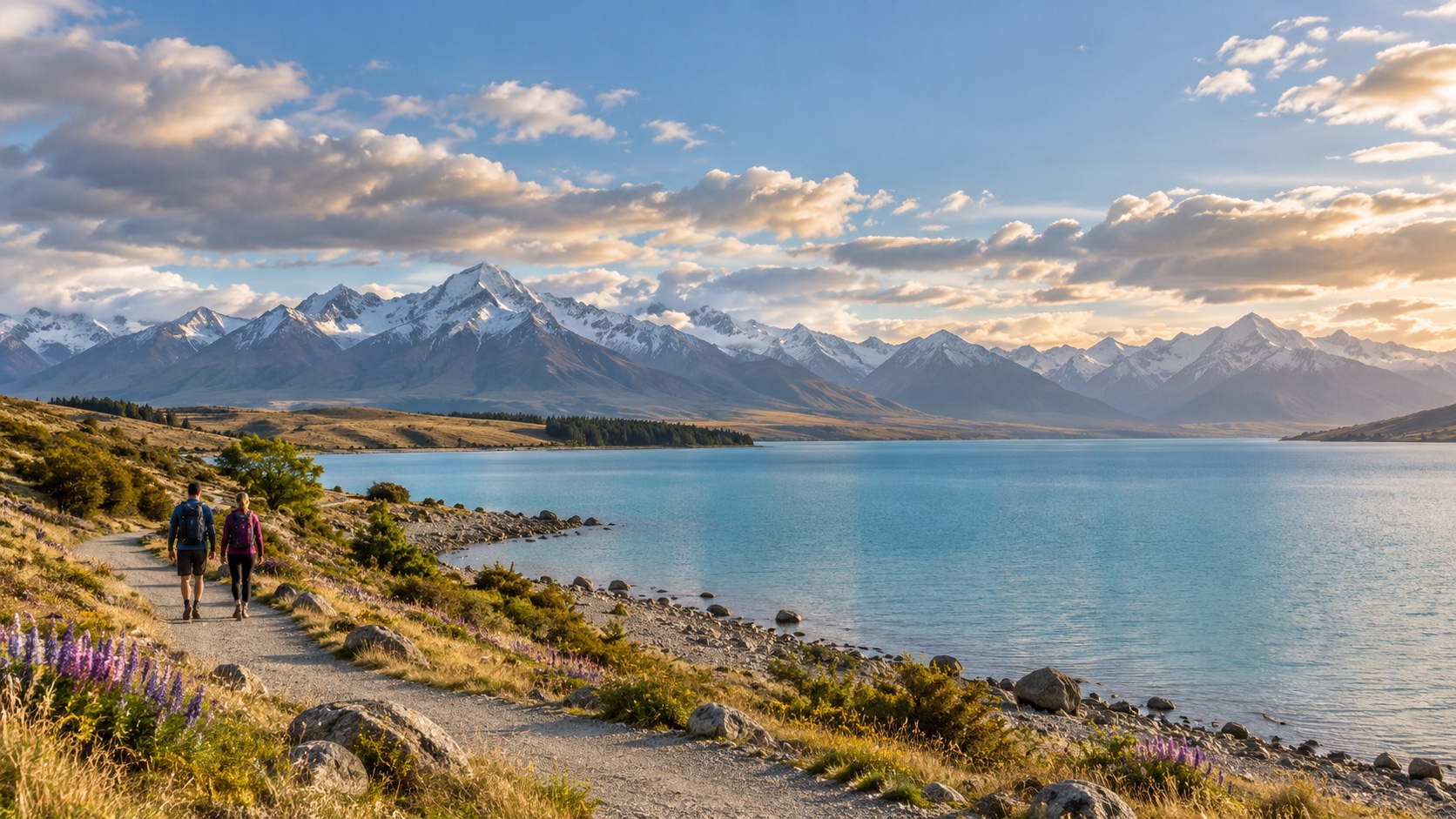
Lake Tekapo lies in the Mackenzie Basin beneath the Southern Alps, where suspended glacial sediment can give the water a luminous blue-green appearance. Public shoreline paths reveal broad skies, dry grassland, distant snowfields, and changing light without requiring a strenuous climb. The small settlement becomes busy around landmark viewpoints, so walk farther along legal tracks and avoid roadside stops that damage vegetation. Nights can offer exceptionally dark skies when clouds cooperate; use low lights and join an established astronomy experience rather than wandering onto private land. Weather shifts quickly, and cold wind can make even short walks demanding. Tekapo is one stop within a lived-in high-country region, not merely a backdrop, so stay locally and respect farms, cultural interpretation, and water protections.
Lake Bled, Slovenia
Lake Bled’s island church, cliff-top castle, wooded hills, and Alpine backdrop create a compact composition recognizable in every season. A complete public walk around the shore provides changing angles and reduces pressure on the busiest lakeside platforms.
Traditional covered boats reach the island, while electric vessels and rowing options vary by season. Compare schedules, capacity, and accessibility before boarding, and keep clear of marked swimming and rowing areas.
An early start offers quieter paths, but overnight visitors should also explore nearby museums, villages, and the less-developed shore of Lake Bohinj. Bled is a community with traffic and housing pressures. Arrive by train and bus when practical, stay several nights rather than day-tripping, and follow restrictions intended to protect water quality.
Lake Como, Italy
Lake Como’s branching form places steep green slopes, historic villas, stone villages, gardens, and ferry routes within a narrow Alpine setting. Scheduled boats are often the clearest way to understand its geography, because road travel can be slow and parking scarce. Choose one base with reliable ferry connections, then visit a limited number of towns instead of chasing every famous terrace.
Public promenades and gardens provide excellent views, while villa hours and reservations change seasonally. Summer heat and crowds can be intense; spring and autumn may feel calmer but bring rain or reduced service. Dress respectfully in churches, keep voices low in residential lanes, and distinguish public paths from private waterfront. The lake’s elegance becomes more convincing when daily ferries, markets, and neighborhoods remain part of the picture.
Lake Atitlán, Guatemala
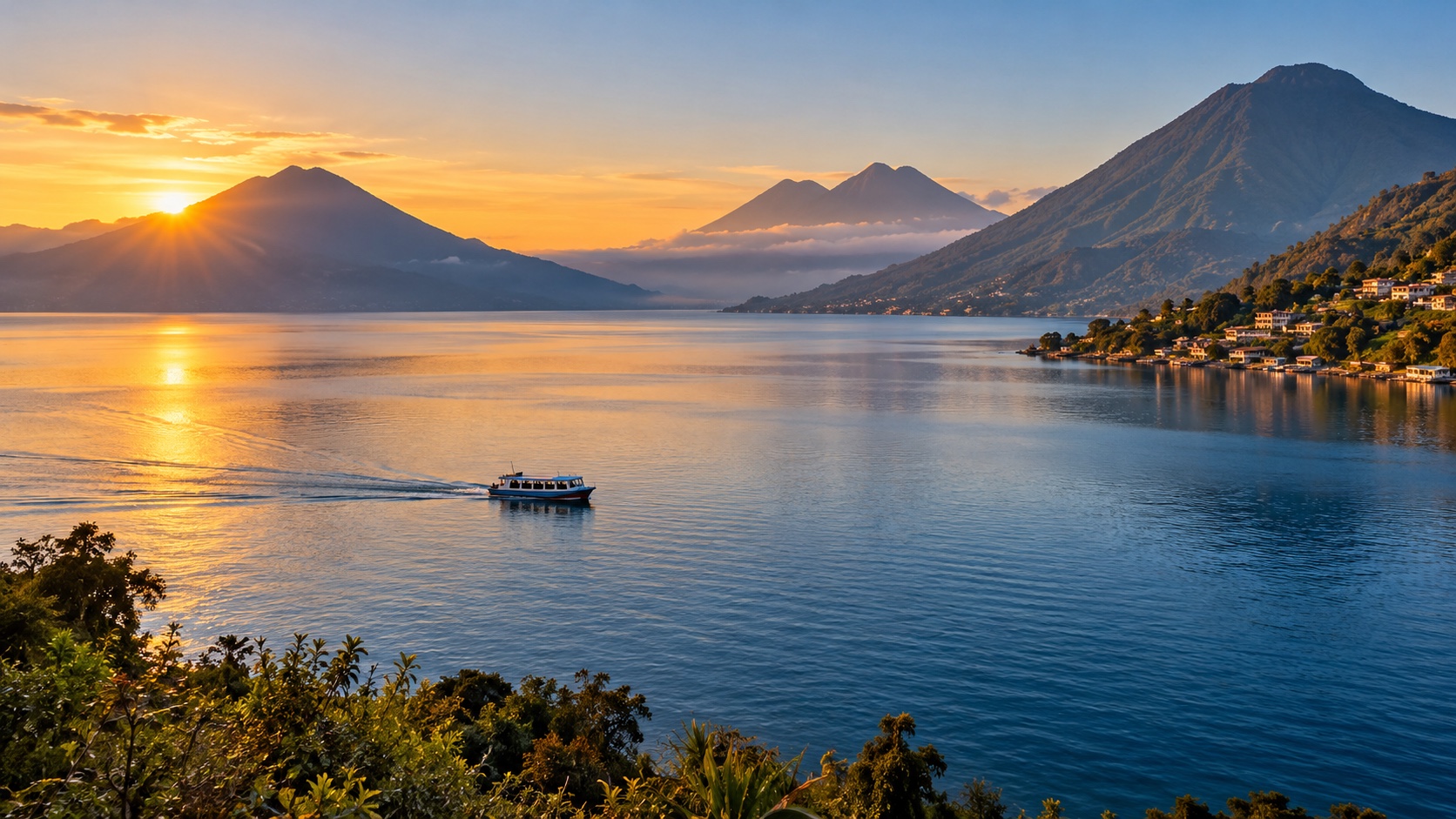
Lake Atitlán occupies a volcanic basin ringed by steep slopes and prominent volcanoes. Towns around the shore have distinct Indigenous cultures, languages, crafts, and visitor infrastructures, so they should not be reduced to interchangeable viewpoints. Public boats connect several communities, but wind can strengthen later in the day; use reputable services, wear flotation equipment, and accept delays. Choose a locally owned base and learn the practical differences among routes. Ask permission before photographing ceremonies, markets, or individuals, and buy textiles directly from makers when possible. Water pollution and development are serious concerns, so conserve water, avoid single-use plastic, and support credible local initiatives. A slower visit allows morning calm, cloud-building afternoons, and community life to replace a hurried circuit.
Lake Baikal, Russia
Lake Baikal is the world’s deepest lake and an ancient tectonic basin with exceptional biodiversity. Forested shores, rocky islands, clear water, winter ice, and immense horizons make its scale difficult to grasp. Irkutsk and established lakeside settlements have traditionally served as gateways, but seasonal conditions are severe and distances substantial.
Any prospective trip requires current official travel guidance, entry information, transport research, and careful judgment. Winter ice should never be entered without qualified local knowledge, since cracks, pressure ridges, and variable thickness create lethal hazards. In warmer months, marked trails and authorized boats still require preparation. Baikal faces pollution, development, wildfire, and climate pressures. Follow protected-area rules, use proper sanitation, and avoid disturbing endemic wildlife. If travel is not advisable, responsible documentaries, scientific resources, and virtual interpretation can build appreciation without forcing a visit.
Lake Titicaca, Peru and Bolivia
High on the Altiplano, Lake Titicaca combines open blue water, reedbeds, agricultural terraces, islands, and communities with deep cultural histories. Elevation above 3,800 meters changes the experience: sun is strong, nights are cold, and visitors may need a gradual, medically appropriate adjustment.
Puno and Copacabana are common gateways, but border requirements and boat standards must be checked independently. Choose community-based experiences that explain ownership, group size, payment, and consent instead of treating homes as performances.
Weather can interrupt crossings, and flotation equipment matters on cold water. Spend time with museums and qualified local guides, learn how reeds and fisheries support livelihoods, and avoid claims that flatten many living traditions into a single legend.
Lake Tahoe, United States
Lake Tahoe lies in the Sierra Nevada on the California–Nevada boundary, combining clear deep water, granite coves, conifer forest, beaches, and snowy peaks. Its popularity creates traffic, parking, wildfire, litter, and shoreline pressure. Public transit, reservation systems, and established paths can make a visit both easier and less damaging. Water remains cold well into warm weather, storms can build quickly, and high elevation intensifies sun exposure. Kayakers need flotation gear, wind awareness, and a conservative turnaround plan. Choose one side of the lake rather than driving the full perimeter in a day. Use designated parking, never stop in travel lanes for photographs, and clean boats and footwear to reduce invasive-species spread. Smoke or fire restrictions may alter plans, so monitor official notices and keep a non-hiking alternative.
Lake Malawi, Malawi, Mozambique, and Tanzania
Lake Malawi, also called Lake Nyasa or Niassa in different national contexts, fills a long rift basin renowned for extraordinary fish diversity. Beaches, rocky shores, forested hills, fishing communities, and clear shallows create many distinct landscapes. Cape Maclear and Likoma Island are established visitor areas, but services and access vary widely.
Use experienced boat operators with appropriate safety gear, especially for longer crossings. Wind can transform calm water, and medical advice should guide decisions about swimming and freshwater disease risk.
The lake is a livelihood as well as an ecosystem. Never purchase prohibited wildlife products, feed fish, or pressure fishers into staged activity. Choose locally owned accommodation, manage waste carefully, and ask about conservation practices. National borders cross the water, so do not improvise international routes without legal clearance.
Lake Annecy, France
Lake Annecy sits below limestone mountains beside a beautifully preserved old town, with public beaches, cycle routes, promenades, and boat services making the landscape unusually approachable. The water can appear intensely blue or green as weather and viewing angle change. A bicycle circuit is popular, but riders should understand distance, gradients, traffic sections, and seasonal congestion before starting.
Stay near transit and explore early or late, leaving midday for museums or a quiet meal. Designated swimming areas provide facilities and current information. Environmental protections have helped water quality, yet heavy visitation still brings pressure. Use public toilets, keep picnics litter-free, and avoid private docks. Mountain storms can arrive rapidly; return rental boats when operators advise. Pair the famous waterfront with one legal hillside walk for broader perspective.
Hallstätter See, Austria
Hallstätter See is framed by steep mountains and settlements constrained to narrow strips of shore. Hallstatt’s historic architecture and lakeside setting are extraordinary, but short day visits and tour-bus peaks can overwhelm its small lanes. Rail and ferry arrival is scenic and reduces pressure, while nearby communities offer alternative bases.
Public viewpoints should be enjoyed without entering private gardens, doorways, or elevated property. Speak quietly in residential streets and follow photography restrictions.
The wider region contains salt-mining history, mountain walks, and other lakes that justify a longer stay. Weather and lift operations affect high viewpoints, so keep a shore-level plan. Seeing the lake well means allowing room for residents to live normally, not reproducing a photograph at any cost.
Lake Wakatipu, New Zealand
Lake Wakatipu curves between steep ranges in the South Island, with Queenstown, Glenorchy, farms, trails, and braided river valleys around its long shore. Wind funnels through the mountains and can roughen the surface quickly. Scheduled vessels and established waterfront paths offer accessible views, while backcountry routes demand equipment and current track knowledge.
Queenstown is convenient but busy; staying longer allows an early walk, public transport, and day trips without frantic driving. The road toward Glenorchy is scenic yet narrow, so use designated pullouts only. Māori place names and stories provide deeper context than adventure branding alone. Follow biosecurity guidance, clean footwear, and respect protected areas. Cold water, remote trailheads, and rapidly changing alpine weather require conservative choices even when the shore looks calm.
Turn a View Into a Meaningful Visit
Select a lake by the experience you genuinely want: a walkable town, a quiet paddle, a cultural visit, geological interpretation, or a mountain trail. Then match that experience to season, ability, transport, and current local conditions. Two or three nights in one base usually reveal more than several drive-by stops. Use official paths, regulated boats, and public transport where possible; spend with local businesses; and leave shorelines exactly as you found them. Most importantly, let the lake change. Wind may erase a reflection, clouds may hide a peak, and rain may alter the color, but those shifts are part of the living basin rather than flaws in the itinerary. Before booking, compare the true cost of reaching the shoreline. A distant airport, private transfer, crowded parking reservation, and one-hour photo stop may create more strain than pleasure. A rail-linked lake or longer stay can offer quieter mornings, local meals, and time to understand weather. Review accessibility honestly as well: a paved promenade, ferry deck, garden, or scenic train can deliver tremendous beauty without implying that every traveler should climb. Build the day around observation instead of constant movement. Note the inflow, outlet, vegetation, boats, farms, and settlement pattern. Visit a museum or visitor center to learn how the basin formed and why its level or clarity changes. If a guide discusses only photographs, ask about fisheries, water supply, conservation, and local concerns. The most beautiful lake is often the one you begin to understand. Responsible planning also leaves alternatives. High wind can cancel a crossing, wildfire smoke can erase mountains, rain can close trails, and drought can expose shorelines. Follow official notices and avoid pressuring operators to proceed. A café, cultural center, low-level walk, or extra night may become the trip’s most memorable experience. Flexibility honors the people who manage risk and allows the lake to remain a place rather than a promised product. Stay curious.