Where White Water Rafting Trips Become Unforgettable
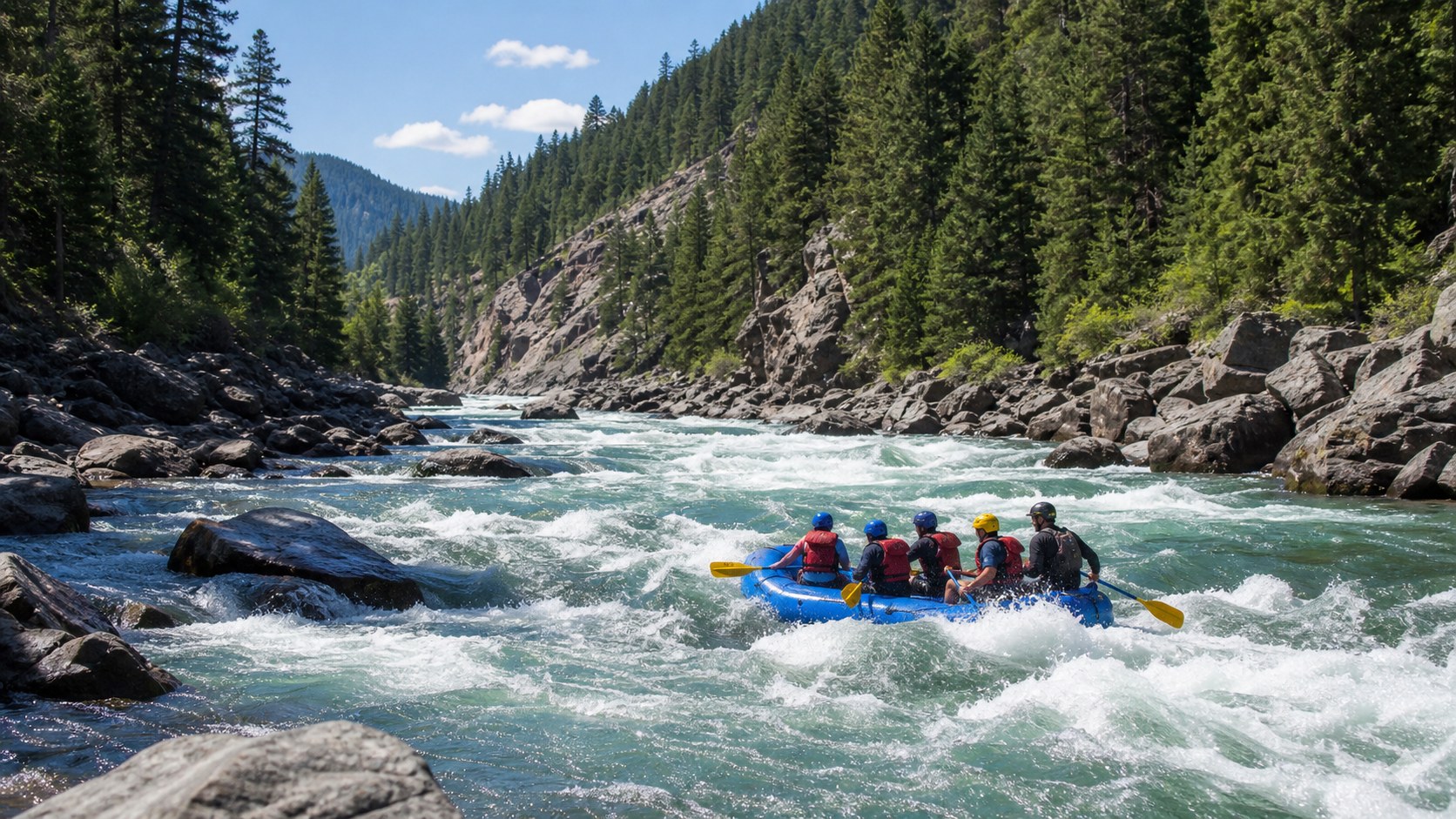
The best white water rafting destinations are not simply the wildest rivers on a map. They are places where water, landscape, outfitter quality, season, access, and skill level come together in a way that lets travelers feel challenged without feeling careless. A first-time paddler may remember the splash of a friendly Class II wave train as vividly as an expert remembers a steep technical gorge, because the right river meets you where you are. This guide looks at rafting destinations through that practical lens: what each place offers, who it suits, and how to choose a river that turns nervous energy into a story worth bringing home.
A: A mild guided section of the Colorado, Nantahala, Sarapiqui, or Snake River is often a smart first choice.
A: You should be comfortable in water, but guided beginner trips usually provide flotation gear and clear swim instructions.
A: Some athletic beginners enjoy Class III, but cautious travelers should start easier and build confidence.
A: It depends on the river; snowmelt, dam releases, and rainy seasons all change the ideal window.
A: Yes, if you enjoy camp life, slower travel, and seeing river landscapes beyond a single access point.
A: Many outfitters run family trips, but age limits and water levels should be checked before booking.
A: Avoid loose valuables, cotton layers in cold weather, heavy shoes, and anything that cannot get wet.
A: Look for safety credentials, honest difficulty descriptions, recent reviews, and clear cancellation policies.
A: It can happen, which is why the safety talk matters; on beginner trips it is usually manageable.
A: The best trips balance rapids, scenery, trust in the guide, and enough time afterward to enjoy the afterglow.
How to Match a River to Your Skill Level
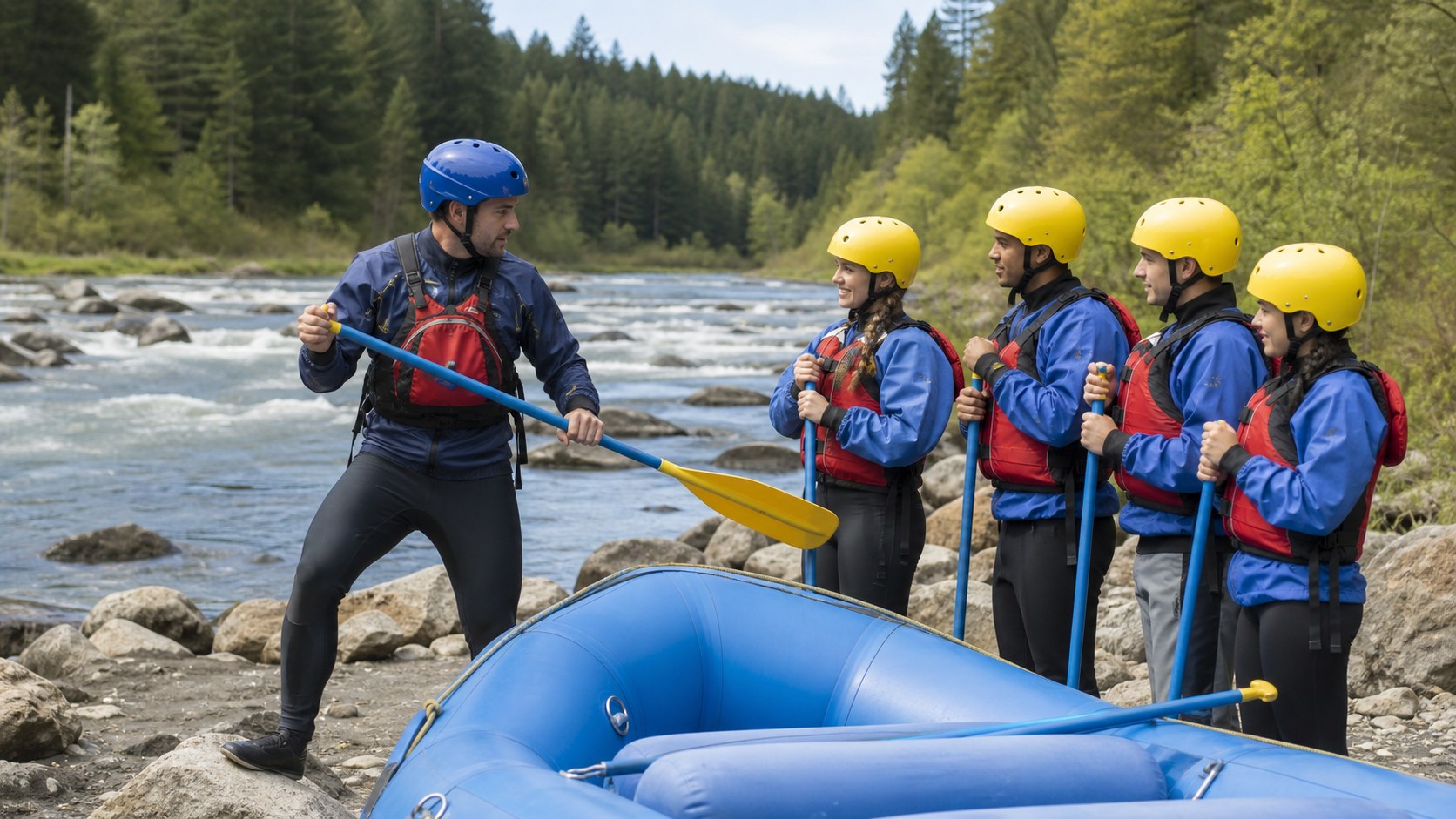
White water is commonly described with class ratings, but those ratings are only the beginning of the decision. A Class III river in warm weather with easy road access can feel friendly and social, while a remote Class III run in cold water may require a much more serious mindset. Beginners should look for established outfitters, half-day or full-day guided trips, clear safety briefings, and rivers with recovery pools between rapids. Intermediate paddlers can start thinking about longer mileage, bigger waves, and routes where the scenery changes steadily through the day.
Advanced rafters usually care about gradient, remoteness, technical moves, and the reliability of seasonal flows. Even then, the best trip is not always the hardest one. A river that lets the group settle into a rhythm, read water, and enjoy the canyon can be more satisfying than a route that spends the whole day on the edge of comfort. Before booking, ask how recent water levels compare with normal seasonal flow and whether the outfitter adjusts trips when conditions change.
Best Beginner-Friendly Rafting Destinations
The Colorado River through sections near Moab is one of the classic introductions to rafting because it combines broad desert scenery with manageable rapids and a relaxed pace. Families and first-timers get the thrill of moving water without the feeling that every bend is a test. In the eastern United States, the Nantahala River in North Carolina is another strong beginner choice, with cool mountain water, steady outfitter infrastructure, and enough splash to feel lively.
Costa Rica also works beautifully for new rafters who want a travel experience beyond the river. The lower Pacuare and Sarapiqui options can pair wildlife, rainforest, warm temperatures, and friendly guided logistics. These trips are especially good for travelers who want rafting to be one highlight inside a broader itinerary that may include beaches, volcanoes, and cloud forest walks.
Rivers for Confident Intermediate Paddlers
The Middle Fork of the Salmon in Idaho is often treated as a dream trip because it blends wilderness, hot springs, clear water, and multi-day rhythm. It is not a casual outing, but guided trips can make it accessible to fit, prepared travelers who are ready for several days outdoors. The Rogue River in Oregon has a similar appeal for travelers who want rapids, forested canyons, wildlife, and comfortable lodge or camping options depending on the trip style.
In Europe, the Soča River in Slovenia offers striking turquoise water and alpine scenery that feels almost unreal on a clear day. It is a strong choice for travelers who want rafting, hiking, and small-town mountain culture close together. The Futaleufú in Chile raises the energy considerably, with powerful blue water and Patagonian drama that intermediate travelers may experience on carefully selected guided sections.
The key for this level is honesty. If you enjoy waves, quick commands, and active paddling but do not want constant exposure, choose a trip sold clearly as intermediate rather than one marketed around maximum adrenaline.
Big-Water Classics for Experienced Rafters
The Grand Canyon remains one of the defining rafting journeys on earth because the river experience is inseparable from the place itself. The Colorado River there moves through a landscape of scale, silence, heat, side canyons, and night skies that change how a person understands distance. It is not only about famous rapids; it is about living with the river for days and watching ancient walls shift color as the light changes.
For rafters who want international scale, the Zambezi below Victoria Falls is famous for warm water, enormous hydraulics, and a powerful sense of theater. The Franklin River in Tasmania offers a very different kind of seriousness, with remote wilderness, weather complexity, and a feeling of being far from ordinary travel systems. These trips reward preparation, fitness, and a willingness to respect the river on its terms.
When to Go and What Conditions Change
Rafting seasons depend on snowmelt, dam releases, rainfall patterns, and local safety regulations. Spring can bring higher, colder, faster water in mountain regions, which may make a familiar river feel more demanding. Summer often brings warmer weather and more predictable vacation logistics, though some rivers become lower and more technical. Tropical destinations may hinge on rainy and dry seasons, with visibility, road access, and storm patterns shaping the experience.
The smartest travelers do not treat a river name as a fixed product. They ask what the river is like this week, how the outfitter grades the current flow, what happens if storms arrive, and what clothing is recommended for the actual water temperature. Those questions make the difference between a trip chosen from a pretty photo and a trip chosen for real conditions.
Planning a Rafting Trip That Feels Worth It
A good rafting itinerary leaves enough room around the river day. Driving several hours after a cold, physical trip can drain the fun from an otherwise excellent experience, and rushing from the takeout to a dinner reservation can make the day feel oddly compressed. Build in time for dry clothes, a proper meal, and a slow look back at the canyon or valley you just traveled through.
Packing should stay simple but deliberate: secure sandals or water shoes, quick-dry layers, sun protection, any needed medication, and a dry change of clothes. Avoid loose valuables and anything you would hate to lose. Most importantly, choose the river for the group you actually have, not the group you imagine after watching a dramatic highlight reel.
For travelers comparing several rivers, the best final test is to imagine the whole day rather than only the biggest rapid. Think about the drive to the put-in, the guide briefing, the time on the water, the scenery between rapids, the takeout, and the evening afterward. A trip with slightly easier rapids and a better setting may deliver a richer memory than a harder run chosen only for status.
International rafting also deserves extra attention to medical access, language, and transportation. A remote river in another country can be spectacular, but it asks more from the traveler before the raft ever touches water. Check whether the outfitter provides hotel pickup, dry bags, helmets, cold-water gear, and clear emergency procedures. Those details may sound ordinary, yet they are what let the extraordinary parts of the day feel relaxed enough to enjoy.
Groups should choose for the least confident participant, especially when families, couples, or mixed friend groups are involved. The boldest person in the group may want bigger water, but the best shared trip is usually the one everyone can enter with trust. If some travelers want more intensity, consider splitting into different sections with the same outfitter and meeting afterward for the post-river meal.
Rafting is also seasonal storytelling. A spring snowmelt trip can feel fast, cold, and muscular, while a late-summer river may reveal warmer air, exposed rocks, and a more technical path through lower water. Neither version is automatically better. The destination becomes memorable when you know which version of the river you are choosing and why.
The final choice should feel like an invitation rather than a dare. When the river, guide, season, and group are matched well, rafting becomes a shared way to read a landscape from inside it. You remember the sound of the water, the quick trust built in the raft, and the relief of reaching calm current with everyone grinning.
If scenery is the deciding factor, think beyond the rapid itself. The Grand Canyon gives layered rock and immense quiet between waves. Slovenia gives jewel-toned alpine water and village access. Costa Rica gives rainforest sound, warm rain, and the chance to fold rafting into a wildlife-focused vacation. Idaho and Oregon give a slower wilderness rhythm where camp, stars, and morning coffee become part of the river memory.
Travelers with limited time should not overlook shorter regional rivers. A single well-run day on the Nantahala, Rogue, Lehigh, Arkansas, or Snake can be more satisfying than an overcomplicated international plan. Shorter trips also help new rafters learn what they enjoy before spending heavily on a remote expedition. The first trip can be a scouting mission for the kind of water you may want next.
For destination trips, build the itinerary around the river's best operating window rather than forcing rafting into fixed vacation dates. Snowmelt rivers may peak when school calendars are inconvenient. Tropical rivers may depend on rain that also affects roads and visibility. Desert rivers may be most comfortable when temperatures are moderate. Matching the season improves both safety and pleasure.
Finally, remember that rivers are living routes, not amusement rides. A responsible traveler listens to guides, respects private land and river rules, avoids litter, and treats local communities as part of the destination. The most rewarding rafting places remain special because enough people care about what happens after the rafts leave.
Multi-day rafting deserves a separate kind of readiness. You are not only choosing rapids; you are choosing nights outdoors, shared camp routines, limited privacy, and a closer relationship with weather. For many people that is the magic. For others, a lodge-based or day-trip format will be more enjoyable. Being honest about comfort does not make the adventure smaller; it makes the right version possible.
Photography is another place to be realistic. Outfitters often know where cameras can be used safely and where they become a distraction. If the river has professional photo points, enjoy them and keep your hands free during the actual rapids. A strong rafting memory does not need constant documentation. The best images may be the ones taken after the takeout, when everyone is dry enough to laugh about the wave that surprised them.
A destination earns its place on a rafting list when it offers a complete day: a river suited to the crew, competent guides, scenery that changes as you move, and logistics that do not bury the experience under stress. That combination is why some modest rivers create lifelong rafters while some famous rivers disappoint travelers who chose them for the wrong reasons.
If you are traveling far for rafting, protect the day before and after the river. Flight delays, long drives, poor sleep, or dehydration can make even an appropriate trip feel harder than it should. Arriving early also gives you time to confirm pickup details, ask about current flows, and adjust clothing for the forecast. Good margins make adventurous travel feel smoother without taking away its edge.