Where Clear Water Changes the Whole Dive
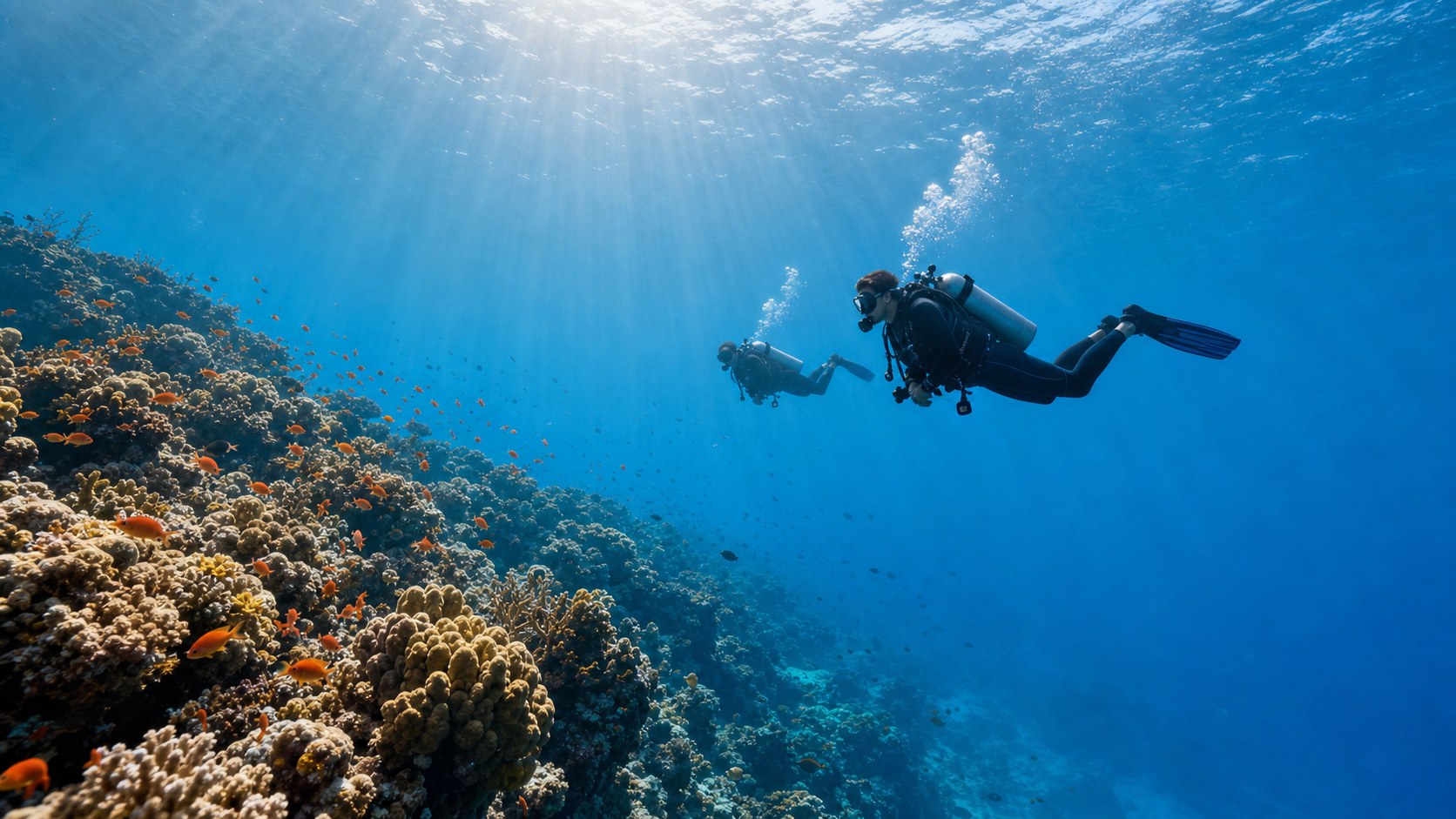
Crystal clear water can transform a dive from interesting to unforgettable. Visibility changes how large a reef feels, how calmly new divers breathe, and how easily photographers, naturalists, and casual travelers notice the life around them. Yet clear water is not only a postcard trait. It depends on season, plankton, wind, currents, rainfall, sand movement, and how carefully local operators protect the marine environment. The best scuba diving destinations combine visibility with responsible access, varied sites, and enough topside appeal to make the journey worthwhile even when the sea asks for patience.
A: Bonaire, the Maldives, Cayman Islands, Cozumel, the Red Sea, and some cenotes are famous for clarity.
A: Not always; nutrient-rich water can reduce visibility while supporting incredible marine life.
A: Some cavern tours suit qualified divers with guides, but overhead environments require conservative limits.
A: Avoid stormy or runoff-heavy periods if visibility is your main goal.
A: Some shallow wall profiles are suitable, but depth discipline and guide choice matter.
A: No, but a well-fitting mask and computer can improve comfort.
A: Control buoyancy, keep fins up, secure gear, and never touch or stand on reef.
A: They are worth it when remote sites, repeated dives, and boat living match your travel style.
A: Listen to the guide, stay close to your buddy, and treat the dive as skill practice.
A: Prioritize safety briefings, small groups, reef ethics, and recent condition knowledge.
What Clear Water Really Means for Divers
Divers often talk about visibility in meters or feet, but the emotional effect is simpler: clear water makes the underwater world feel open. Reef contours are easier to read, buddy awareness improves, and marine life can be watched without crowding. New divers may feel calmer when they can see the bottom, the guide, and the route ahead.
Clear water does not always mean the best biodiversity. Nutrient-rich water may look greener or more particulate while supporting huge amounts of life. That is why a smart dive plan balances visibility with the kind of experience you want, whether that is coral color, big animals, caverns, wrecks, or gentle training dives.
Tropical Reefs With Exceptional Visibility
The Maldives are famous for blue water, channels, manta encounters, and resort-based dive logistics. Conditions vary by atoll and monsoon, so the best island for a diver is not always the prettiest beach resort. Bonaire is another clear-water favorite because shore diving is straightforward, reefs are accessible, and independent divers can build flexible days without constant boat schedules.
In the Pacific, Fiji and French Polynesia offer warm water, reef walls, sharks in appropriate settings, and brilliant lagoon color. Palau adds dramatic walls, channels, and marine history. These destinations suit travelers who want the dive trip to feel immersive from morning to evening, with the sea shaping the daily rhythm.
Destinations for Walls, Caverns, and Blue Depth
The Cayman Islands are known for wall diving where clear water reveals vertical drop-offs that seem to fade endlessly. Cozumel, Mexico, brings drift diving over reefs and ledges with reliable visibility when conditions cooperate. For something completely different, Mexico's cenotes offer clear freshwater caverns where light beams, limestone, and silence create an otherworldly mood.
Cavern and overhead environments require appropriate training and strict guide standards. A clear-water setting can look deceptively easy because everything is visible, but visibility does not remove the need for gas planning, buoyancy control, and respect for limits. Choose operators who explain those boundaries plainly.
Best Clear-Water Choices for New Divers
New divers often do well in destinations with calm conditions, short boat rides, protected training sites, and plenty to do between dives. Bonaire, parts of the Florida Keys, the Red Sea resort areas, and selected Thai islands can work well when the season is right. The goal is not only pretty water; it is reducing stress so skills have room to settle.
A beginner-friendly destination should have reputable instruction, rental gear that fits, medical and evacuation planning, and dive briefings that do not feel rushed. If a site is famous for current, depth, or overhead features, save it for later. Confidence built slowly tends to last longer.
Season, Weather, and Visibility Windows
Rainy seasons can reduce visibility near shore because runoff carries sediment into the sea. Wind can stir sand, plankton blooms can cloud water, and storms may change conditions even in places known for clarity. On the other hand, some big-animal seasons coincide with plankton-rich water, which means the most meaningful wildlife encounter may not happen in the clearest visibility.
Before booking, research the specific island, reef side, or liveaboard route for your travel month. Ask dive operators what typical visibility has been recently, not only what the destination is famous for. Flexible divers have better trips because they understand that the ocean is not a controlled attraction.
Choosing Responsible Clear-Water Operators
Clear water makes damage visible too. Broken coral, crowded cleaning stations, careless fin kicks, and baited wildlife encounters are easier to notice when the scene is bright. Choose operators who brief buoyancy, limit group sizes, secure gear carefully, and correct poor behavior politely but firmly.
The best scuba trips leave reefs looking unchanged after the boat departs. Stay off the coral, control your fins, streamline gauges, and keep distance from animals even when the water is clear enough for a perfect photograph. A destination with remarkable visibility deserves divers who do not confuse access with permission.
Travelers choosing between clear-water destinations should also think about what happens above the surface. A resort island may offer easy boat rides and polished service, while a liveaboard may reach more remote sites at the cost of tighter routines. A shore-diving destination can feel wonderfully independent, but it asks divers to manage navigation, entries, exits, and surface intervals with more personal discipline.
Certification level should shape the trip more than ambition. Open Water divers can have extraordinary experiences without chasing deep walls or current-heavy passes. Advanced and specialty training may open more sites, but only when the skills are fresh. If your last dive was years ago, a refresher in clear, calm water may be the smartest first dive of the vacation.
Clear water can make buoyancy flaws obvious, which is a gift if you treat it as feedback. Watch your fins near coral, keep hoses tucked, and avoid kneeling for photographs. The most elegant divers often look like they are doing less because they have learned to move slowly. That calmness protects the reef and usually improves the experience for everyone nearby.
It is also worth planning non-dive days. Weather may cancel boats, ears may need a break, and no-fly rules can create a natural pause before departure. Choose destinations where beaches, food, walking, culture, or nature make those pauses feel like part of the trip rather than lost time.
A clear-water dive is at its best when visibility supports wonder rather than carelessness. Let the openness slow you down. Notice the reef structure, your breathing, your buddy, and the small details that only appear when you stop chasing the next sight.
The Red Sea is a strong example of why clear water and destination logistics should be considered together. Many resort areas offer accessible reefs, day boats, and training options, while liveaboards reach more remote walls and wrecks. A traveler who wants easy confidence may prefer a shore or day-boat base, while a more experienced diver may value the rhythm of multiple dives from a vessel.
Bonaire works differently because the shore-diving model gives certified divers unusual flexibility. That independence is wonderful for people who can plan conservatively, monitor air, navigate simple reef profiles, and manage entries carefully. It is less ideal for travelers who want every decision handled by a guide. Clear water does not remove the need for self-awareness.
The Maldives are often chosen for luxury, but divers should look closely at atoll location and season. Some areas are better known for channels, current, and larger marine life, while others suit relaxed reef dives. Manta and whale shark seasons can be thrilling, yet they may also bring more boats and less predictable visibility. The right island depends on the diver's priorities, not only the resort's beauty.
Cozumel is beloved for drift diving, which can feel effortless when conditions are friendly. The current carries divers over reef formations while the guide manages route and timing. Newer divers should be honest about buoyancy and comfort before choosing fast drifts. Floating smoothly over coral is magical; tumbling through a dive because the current feels surprising is not.
Cenote diving in Mexico deserves a special note because the water can be astonishingly clear. Light beams, limestone formations, and quiet freshwater create a mood unlike reef diving. Still, cavern zones are not ordinary swim-throughs. Divers should choose qualified guides, follow lines and limits, and avoid treating clarity as permission to wander.
For underwater photographers, visibility is only one part of the equation. Clear water helps wide scenes, but harsh midday light, inexperienced buoyancy, or too much distance can still produce disappointing images. Plan the dive first and the photograph second. A stable diver who understands the site usually comes home with better images than a rushed diver chasing every subject.
Marine protected areas can improve the quality of a dive trip, but rules vary widely. Some places restrict gloves, reef hooks, anchoring, fishing, or the number of divers at a site. Rather than seeing those rules as inconvenience, treat them as part of why the destination is worth visiting. Healthy reefs are not accidental.
Clear-water destinations are also good places to improve skill because feedback is immediate. You can see your depth changes, fin wash, buddy distance, and position over the reef. Consider taking a buoyancy workshop, navigation dive, or photography course during the trip if conditions are calm. Skill-building in beautiful water rarely feels like homework.
Travel insurance and dive coverage should be checked carefully. Standard policies may exclude scuba, depth beyond certification limits, liveaboards, or emergency evacuation. Divers should know where the nearest chamber is, how operators handle incidents, and what documentation an insurer requires. These details are easy to arrange before travel and difficult to solve under stress.
The most satisfying clear-water trip usually includes variety. A shallow reef, a wall, a night dive, a wreck, and a rest day can make a destination feel fuller than repeating the same profile. Ask operators what combination best suits your certification and the current conditions. The ocean rewards flexibility more than rigid checklists.
If you are choosing mainly for reef color, compare destinations by habitat rather than visibility alone. Fiji's soft corals, Red Sea reef walls, Caribbean sponges, and Indo-Pacific fish density create very different impressions underwater. A diver who loves small creatures may prefer a biodiversity hotspot even when the water is not perfectly clear. A diver who loves spacious blue scenes may prefer walls, passes, or lagoons.
Surface conditions can shape comfort as much as underwater visibility. Long bumpy boat rides, crowded ladders, strong sun, and difficult entries can tire divers before the second tank. Newer divers often have better trips when the operator chooses sites with easy mooring, clear briefings, and relaxed surface intervals. The best clear-water destination is one where the whole dive day feels manageable.
Environmental timing should also be checked against personal tolerance. Some seasons bring better chances for mantas, sharks, turtles, or schooling fish, but those same windows may involve stronger current or lower visibility. Decide whether your priority is glassy water, big animals, coral gardens, or skill development. A clear priority makes the destination choice much easier.
Finally, keep a conservative final day. No-fly guidance, dehydration, congestion, and fatigue all matter at the end of a dive vacation. Use the last non-dive window for a beach walk, cultural visit, gentle hike, or long meal. Ending slowly can make the underwater days feel more complete rather than abruptly cut off by airport logistics and departure pressure.