Building a Bucket List That Actually Fits Your Life
An adventure travel bucket list should feel exciting, but it should also feel personal enough to guide real decisions. A list of famous thrills can become a blur if every idea is chosen only because it looks dramatic online. The strongest bucket lists mix physical challenge with curiosity, scenery, local culture, recovery time, and a clear sense of why each experience matters. Instead of treating adventure as a contest, think of it as a way to meet the world with more attention. Some trips will test your nerve, some will slow you into awe, and some will become the story you tell whenever someone asks why you travel.
A: Keep one near-term trip, one medium-term goal, and one dream expedition in active planning.
A: A guided day hike, beginner rafting trip, snorkeling tour, or local overnight route is usually approachable.
A: No. Wildlife viewing, desert camping, sailing, and cultural walks can be adventurous without being punishing.
A: Anchor the trip around one or two core experiences and leave flexible space around them.
A: For altitude, technical terrain, wildlife, and water conditions, good guides often make the trip safer and richer.
A: Anything that creates curiosity, effort, and memory for you, even if it is not famous.
A: Choose a controlled version of the experience first and build skill gradually.
A: Yes, but the best family lists prioritize comfort, age limits, and varied energy levels.
A: Remove experiences that rely on unethical wildlife contact, unsafe operators, or someone else's idea of prestige.
A: Not the number of thrills, but how well the experiences fit the traveler you are becoming.
Start With the Kind of Adventure You Want
The word adventure can mean a summit push, a reef dive, a desert crossing, a night train to a mountain town, or a cooking lesson after a long hike. Before choosing destinations, decide whether you want speed, height, remoteness, wildlife, endurance, water, snow, or cultural immersion. That choice keeps the list from becoming a random stack of spectacular images.
A useful bucket list has levels. Keep a few easy wins for the next year, several ambitious trips that need saving and training, and one or two dream expeditions that may take longer. This structure makes the list energizing rather than intimidating. It also gives you room to grow as your skills, budget, and confidence change.
Mountain and Trail Experiences
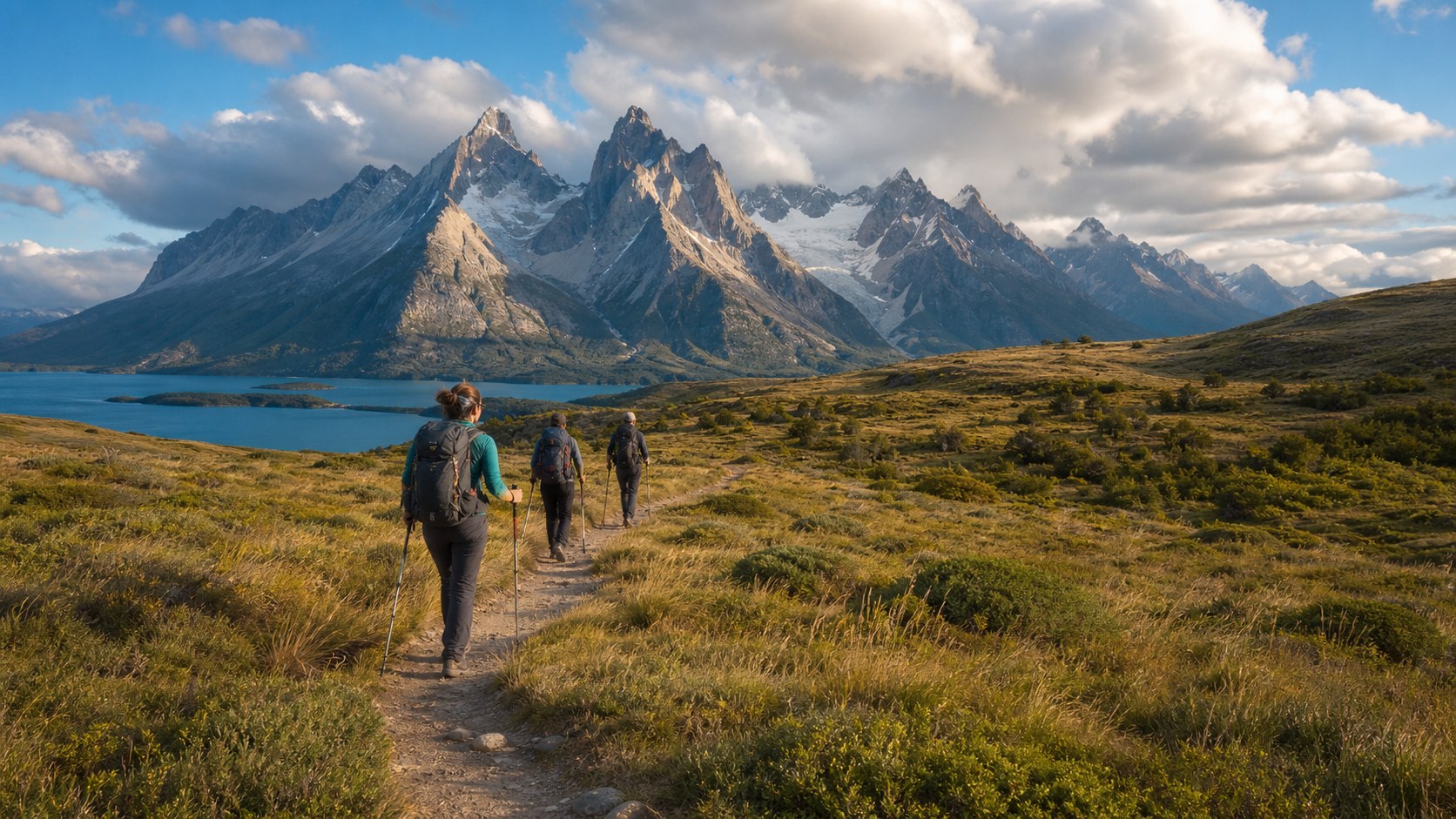
Classic mountain adventures include hiking to Everest Base Camp, walking the Tour du Mont Blanc, trekking in Patagonia, climbing Kilimanjaro with a reputable guide team, and exploring the Dolomites hut-to-hut. These trips vary widely in altitude, comfort, and technical difficulty, but they all reward patience. The memory is usually not a single viewpoint; it is the daily rhythm of boots, weather, meals, and changing light.
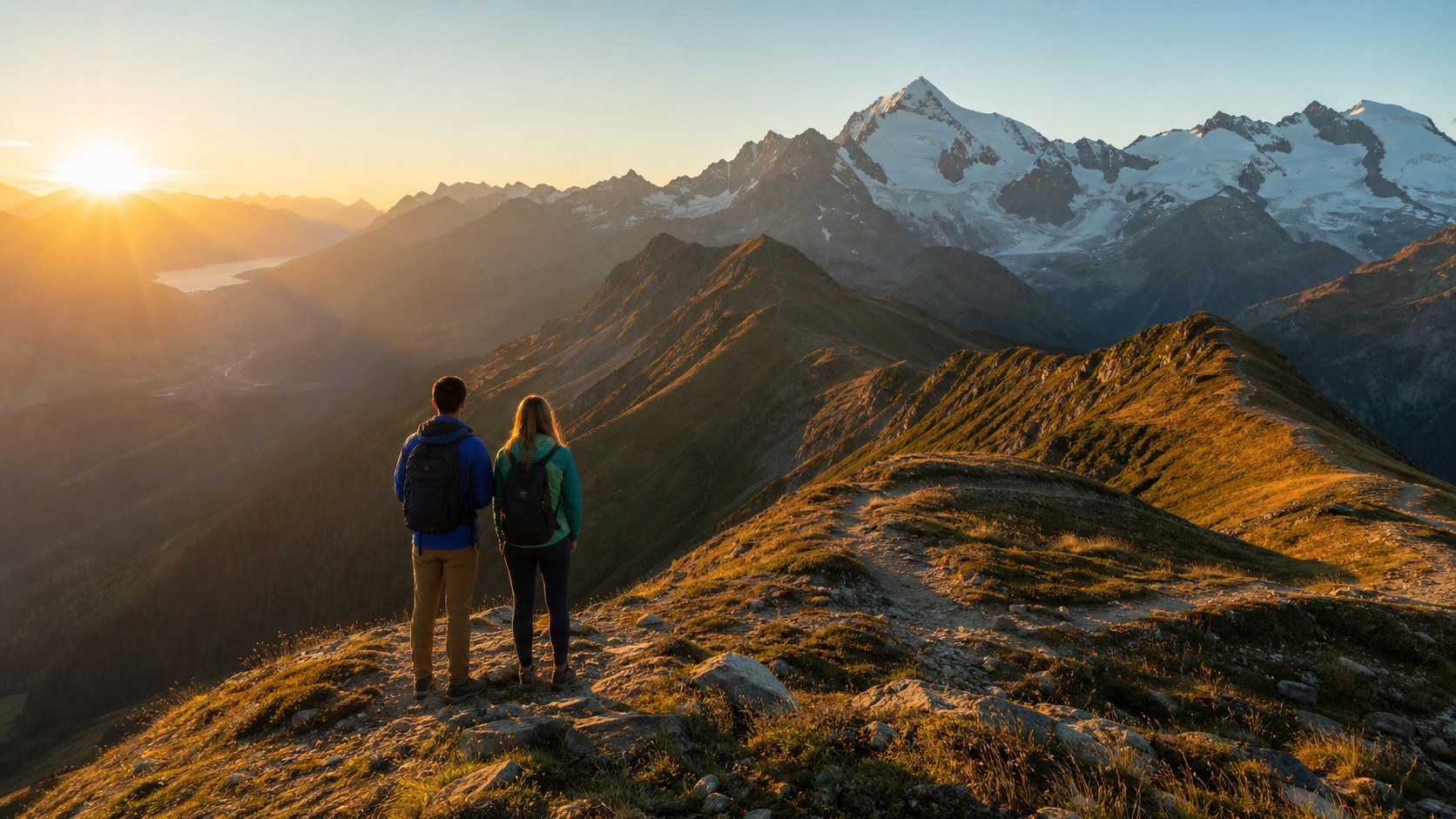
If you want a lower-commitment mountain goal, choose a dramatic day hike such as Angels Landing alternatives in Zion, the Tongariro Alpine Crossing in New Zealand, or ridge walks in Madeira. Shorter adventures can still feel huge when the landscape carries scale. The best trail choices match your knees, fitness, weather tolerance, and appetite for exposure.
Water Adventures Worth Planning Around
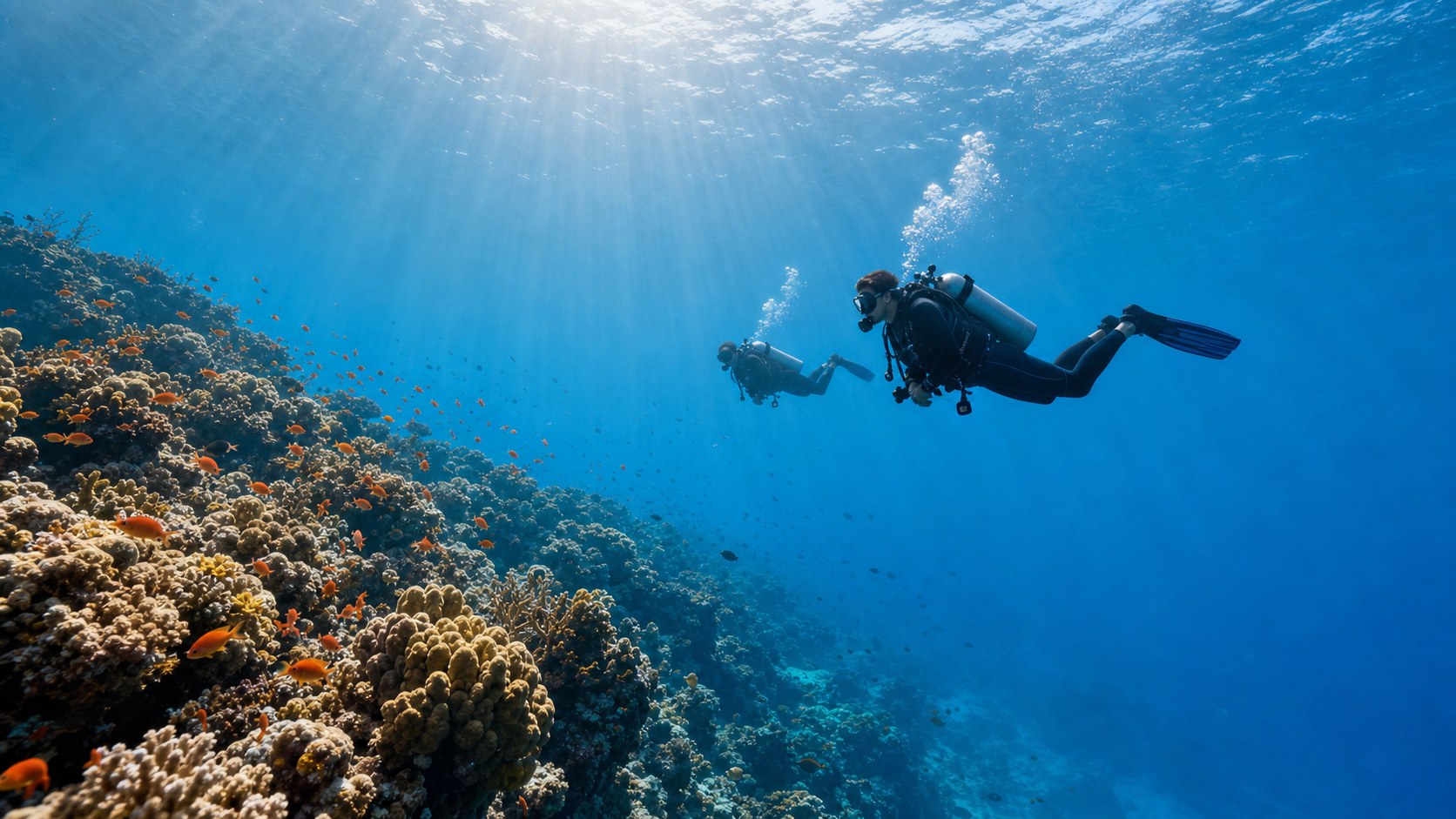
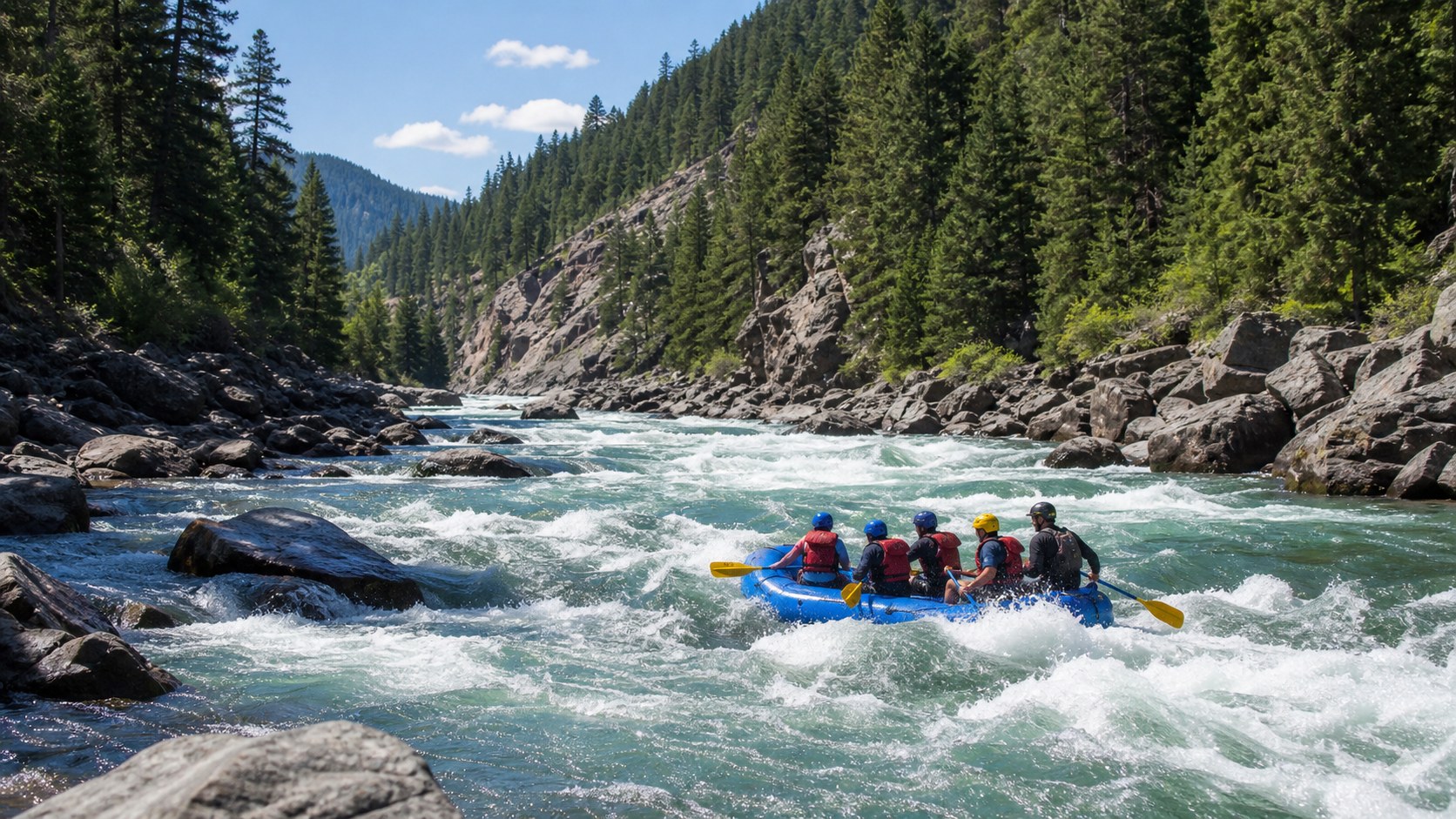
Water turns travel physical in a different way. Scuba diving in Raja Ampat, snorkeling with respectful operators in the Galapagos, kayaking in the Norwegian fjords, rafting the Grand Canyon, sailing among Greek islands, and swimming in cenotes all ask you to pay attention to conditions rather than schedules alone. Tides, currents, visibility, wind, and temperature become part of the itinerary.
For many travelers, a water adventure is also a lesson in restraint. The best operators keep distance from wildlife, protect reefs, and cancel when conditions are wrong. That may sound less thrilling than a guaranteed highlight, but it is exactly what makes the experience trustworthy. A bucket list should include the ethics of how you arrive, not only the thrill of being there.
Desert, Ice, and Remote Landscapes
Some of the most memorable adventures happen in landscapes that feel spare at first glance. Crossing part of the Wadi Rum desert, hiking among Namibia's dunes, camping under Atacama stars, snowshoeing in Lapland, or visiting glaciers in Iceland can be quieter than a rapid or zipline, yet they stay with you because the environment changes your sense of scale.
Remote trips need humility. Distances are longer, weather can be sharper, and small planning mistakes become more expensive. Carry more water than optimism suggests, respect local guidance, and leave room for delays. In these places, the adventure is not conquering the landscape; it is moving through it carefully enough to notice what makes it rare.
Wildlife Encounters With Better Boundaries
Wildlife experiences belong on many adventure lists, but only when the animals are not treated as props. Gorilla trekking in Rwanda or Uganda, whale watching from responsible boats, bear viewing with strict distance rules, and birding in cloud forests can be profound precisely because they are controlled. The goal is not to get close at any cost; it is to witness without disturbing.
Before booking, look for operators who explain viewing limits, habitat protection, and guest behavior. Avoid attractions that promise handling, feeding, chasing, or guaranteed contact with wild animals. A better wildlife adventure may feel less theatrical, but it leaves you with a cleaner memory.
Turning 100 Ideas Into Real Trips
A list of 100 thrilling experiences only helps if you sort it. Group ideas by season, region, cost, skill, and training needs. A trip to Peru might combine a trek, highland food, ruins, and a river day, while a New Zealand trip could pair hiking, kayaking, and a glacier experience. Clustering adventures saves money and reduces the environmental weight of constant long-haul travel.
Leave space for your tastes to mature. The adventure you crave at twenty-five may not be the one you value at forty-five, and that is not a failure of ambition. A good bucket list grows with you. It should make you braver, but it should also make you more thoughtful about where you go, who guides you, and what kind of traveler you become along the way.
One useful method is to assign each idea a reason beyond excitement. Write down whether the experience is about landscape, skill, fear, culture, wildlife, endurance, or a long-held childhood dream. That small exercise exposes the trips that only sound impressive. It also reveals clusters of experiences that can be combined into more meaningful journeys instead of scattered across disconnected vacations.
Budgeting works better when the list has tiers. A local climbing course, regional whitewater day, or nearby backpacking weekend can keep momentum alive while larger trips take shape. Adventure travelers sometimes wait for the perfect faraway expedition and miss years of smaller growth. Skills built close to home often make the dream trip safer, calmer, and more rewarding when it finally arrives.
The list should also include a few experiences that ask for patience rather than adrenaline. A multi-day rail journey to a trailhead, a desert night with no schedule, or a guided cultural walk after a hard trek can become the emotional center of a trip. Thrill opens the door, but attention is what keeps the memory from becoming just another checked box.
Review the list once a year and remove anything that depends on poor ethics, fragile ecosystems, or pressure from someone else's taste. A strong adventure life is edited as carefully as it is expanded. You are allowed to outgrow an old dream and replace it with one that fits your values better.
The point of a bucket list is not to finish travel like homework. It is to keep choosing experiences that sharpen attention and widen your sense of what a good trip can be. Let the list push you, edit it often, and keep the adventures that make you more alive rather than merely more impressive.
Training can be part of the fun rather than a chore attached to the dream. A future trek might lead you into weekend hikes, stair sessions, and better footwear choices months before departure. A scuba goal may start with pool confidence and buoyancy practice. A rafting or kayaking goal might push you toward local water safety skills. When preparation becomes its own smaller adventure, the final trip feels earned instead of purchased.
Risk should be named clearly. Some adventures are physically demanding but technically simple; others are short yet exposed, cold, remote, or dependent on guide judgment. Put each idea into a plain category: easy logistics, skill-building, guided challenge, remote expedition, or advanced objective. This prevents a beautiful photo from hiding the seriousness of what is required.
A useful list also respects travel companions. Solo travelers can choose differently than families, couples, or friend groups with mixed comfort levels. If a trip needs everyone to be enthusiastic, say that early. If it can be split into parallel options, plan that generously. Adventure can bring people closer, but only when the itinerary does not use one person's courage as the standard for everyone.
Think about the story arc of a year. You might choose one winter snow experience, one spring river day, one summer mountain route, and one autumn desert or coastal walk. This gives the list movement without requiring constant long-haul travel. It also helps you notice how different landscapes change your energy.
Food, rest, and culture should not be treated as filler around the serious parts. A long hike that ends with a local meal, a dive trip that includes a village market, or a desert journey that includes time with local guides often becomes more memorable than an itinerary built only from activities. Adventure travel is still travel, and the place deserves more than your adrenaline.
When a dream trip is expensive, break it into concrete thresholds. Decide what must be saved, booked, trained, renewed, insured, and learned before a deposit makes sense. This turns a vague wish into a sequence. It also shows whether the idea truly excites you after the first rush fades.
Not every famous thrill belongs on every responsible list. If an activity depends on overcrowded fragile places, unsafe operators, or wildlife contact that harms animals, leave it out. There are always better alternatives. A thoughtful bucket list should make the world feel larger without making the places on it more damaged.
The best adventures usually leave a trace in daily life. They may change how you walk, how you pack, how you notice weather, or how you talk to strangers. That is a better measure than how many items are crossed off. A list of 100 experiences becomes meaningful when it teaches you to travel with more skill, courage, and care.
Leave room for weather days in the budget as well as the calendar. Adventure travel often fails when every reservation depends on the previous one happening perfectly. A spare day near a trailhead, dive port, or mountain town can rescue a trip from a storm delay and may become one of the most relaxed memories of the journey.
Documentation matters more as the list becomes more ambitious. Keep passport validity, vaccination records, certifications, permits, emergency contacts, and insurance details organized before the pressure of departure week. For remote trips, share the itinerary with someone who is not traveling. Practical systems may feel dull at home, but they create freedom once the real adventure begins.
Finally, balance novelty with depth. It is tempting to chase a new country for every item, yet returning to a region with better skills can be more rewarding than collecting another first impression. A second trek, dive, paddle, or climb in a place you already respect often reveals subtleties that the original bucket-list rush missed.
The strongest list is both bold and usable. It gives you something to dream about on ordinary days, but it also points toward the next reservation, class, walk, savings goal, or conversation with a guide. That bridge between imagination and action is what turns a thrilling idea into a real journey you can actually begin this year.